Cats
10+ Outdoor Cat Window Perch Ideas (DIY + Store Bought)
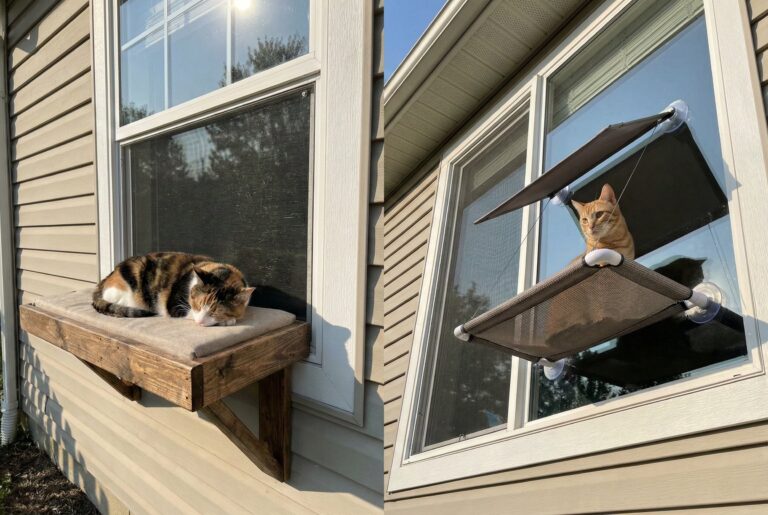
Every indoor cat dreams of the great outdoors. They spend hours staring through the glass, watching birds, tracking bugs, and following the movement of leaves


Every indoor cat dreams of the great outdoors. They spend hours staring through the glass, watching birds, tracking bugs, and following the movement of leaves

If you are a dog owner with a backyard, you likely know the struggle of yellow grass, muddy paw prints, and constantly watching your step.

Walking your dog should be the best part of your day, not a frustrating tug-of-war. If you want to give your dog more freedom to

Seeing a dog wearing a muzzle often triggers an unfair negative reaction. Many people instantly assume the dog is aggressive or dangerous. However, in the
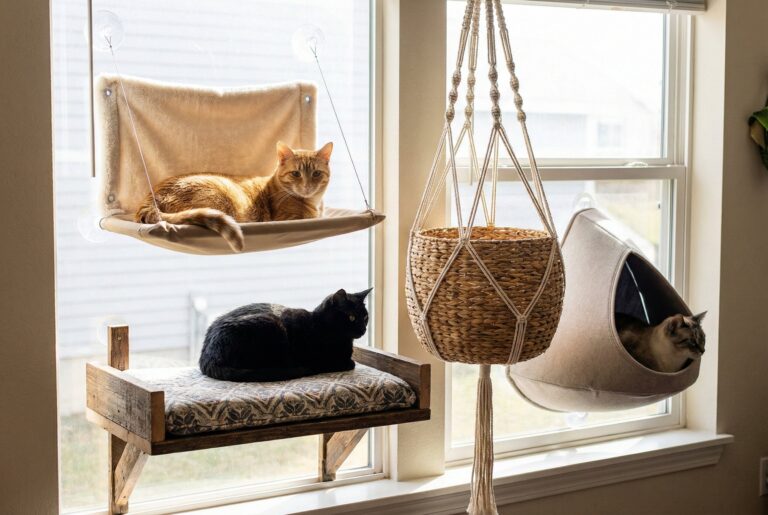
If you share your home with a feline friend, you know that the window is not just a source of light. It is “Cat TV.”

We love our dogs. They are family members, playmates, and loyal companions. However, we might not always love what they do to our backyards. If

Every dog needs a safe space to enjoy the fresh air. While a fenced-in backyard is great, sometimes you need a more designated area. This

Every dog owner knows the struggle. It is time for the morning walk. Your dog is excited, spinning by the door. You grab your shoes,

Bringing a new canine companion into your home is one of the most exciting times in life. Whether you are adopting a brand-new puppy or
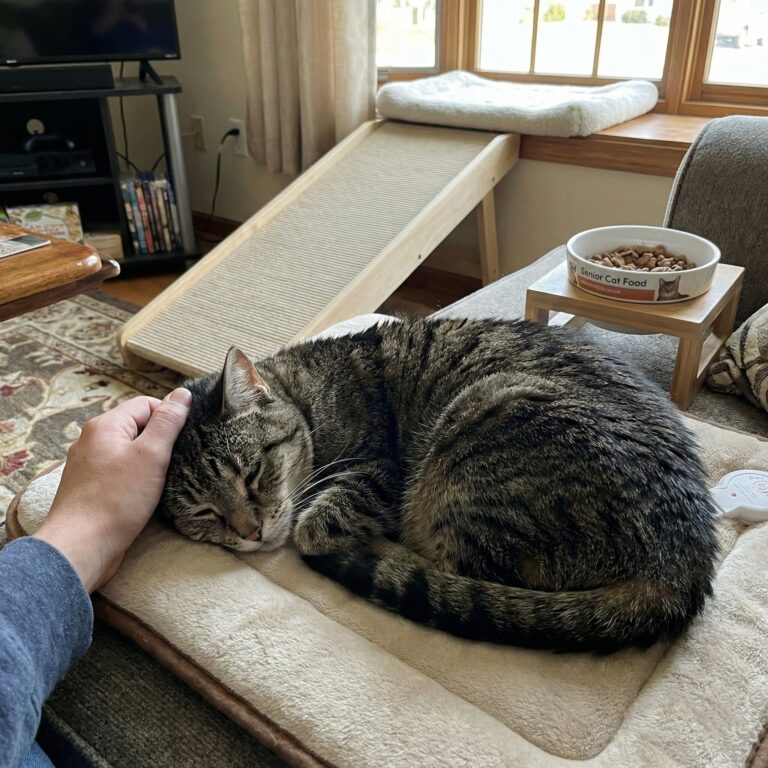
To improve the quality of life for an aging cat, focus on comfort, nutrition, and regular veterinary care. Provide an orthopedic bed and ensure easy
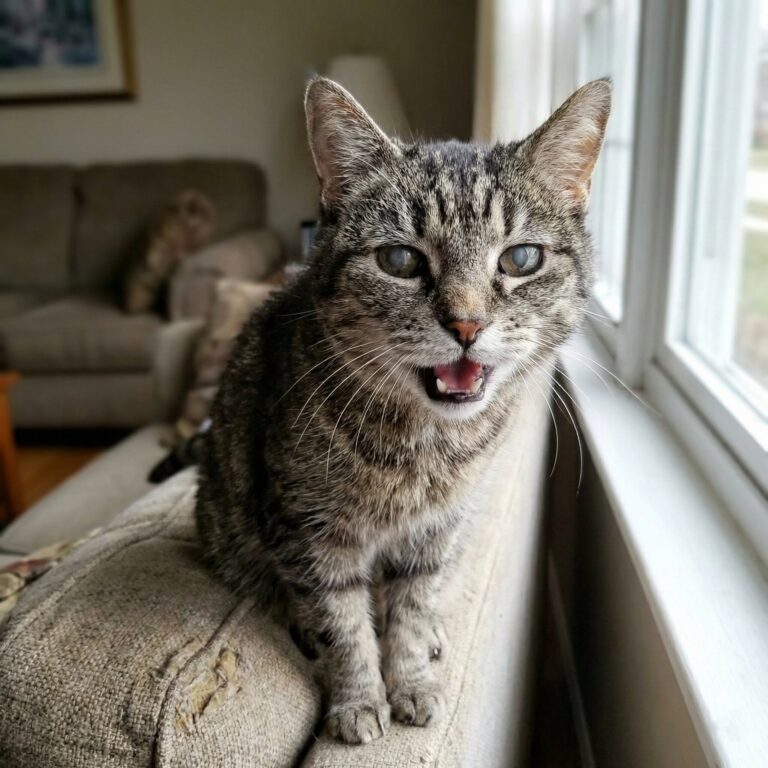
Older cats often meow more due to age-related health issues or cognitive changes. The most common medical causes include hyperthyroidism (overactive thyroid), kidney disease (causing
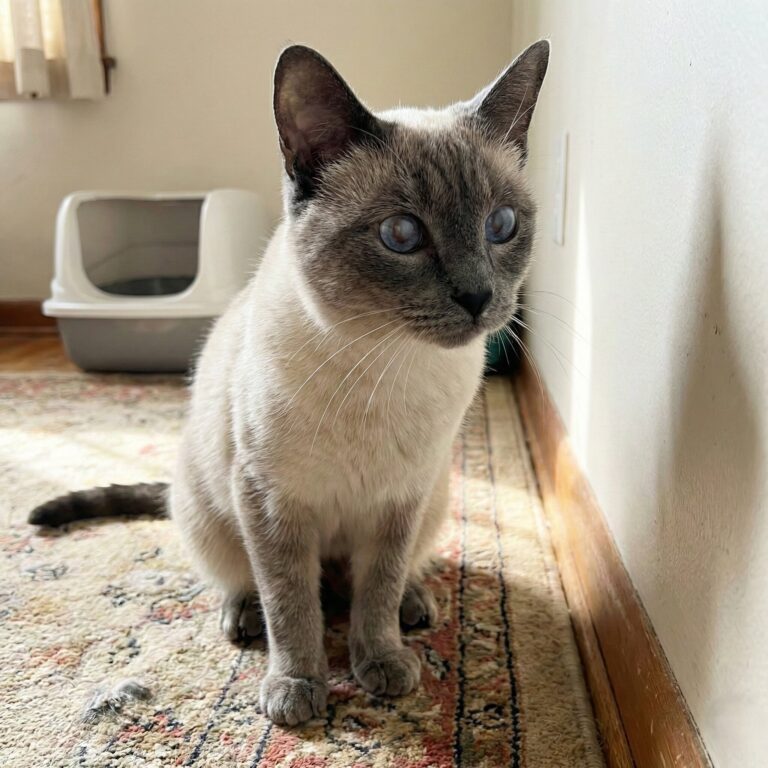
Cognitive decline in cats, often called Feline Cognitive Dysfunction (FCD), is a condition similar to dementia in humans. The most common signs follow the DISHA