Dogs
How to Create a Calm Environment for Anxious Dogs
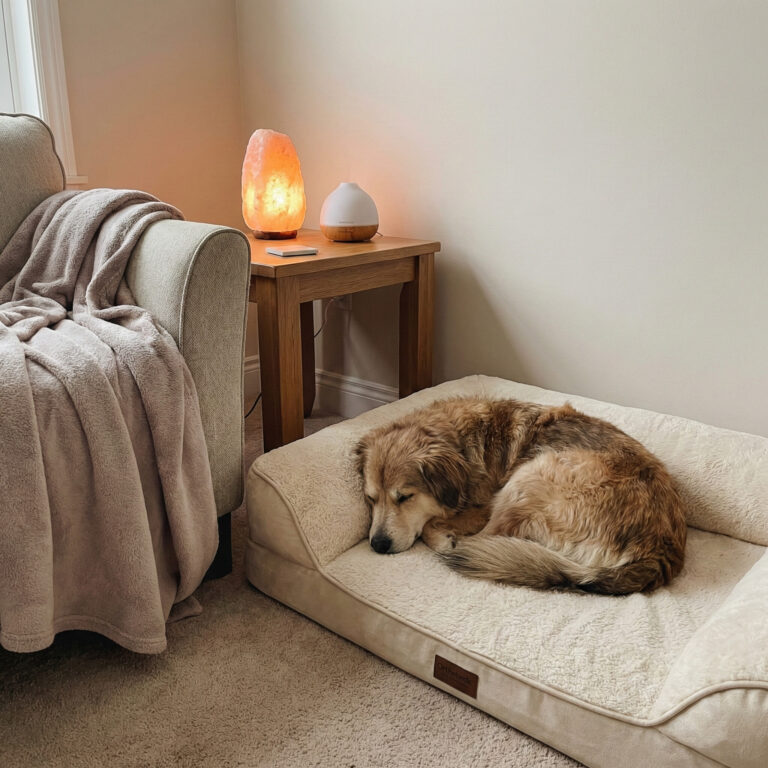
To create a calm environment for an anxious dog, establish a dedicated “safe zone,” such as a covered crate or a quiet corner with comfortable


To create a calm environment for an anxious dog, establish a dedicated “safe zone,” such as a covered crate or a quiet corner with comfortable

To keep your dog safe during the holidays, you must manage their environment actively. Keep toxic foods like chocolate, onions, and foods with xylitol completely

To help a puppy adjust to a new home, establish a consistent routine immediately for feeding, potty breaks, and sleeping. Create a safe, designated space,
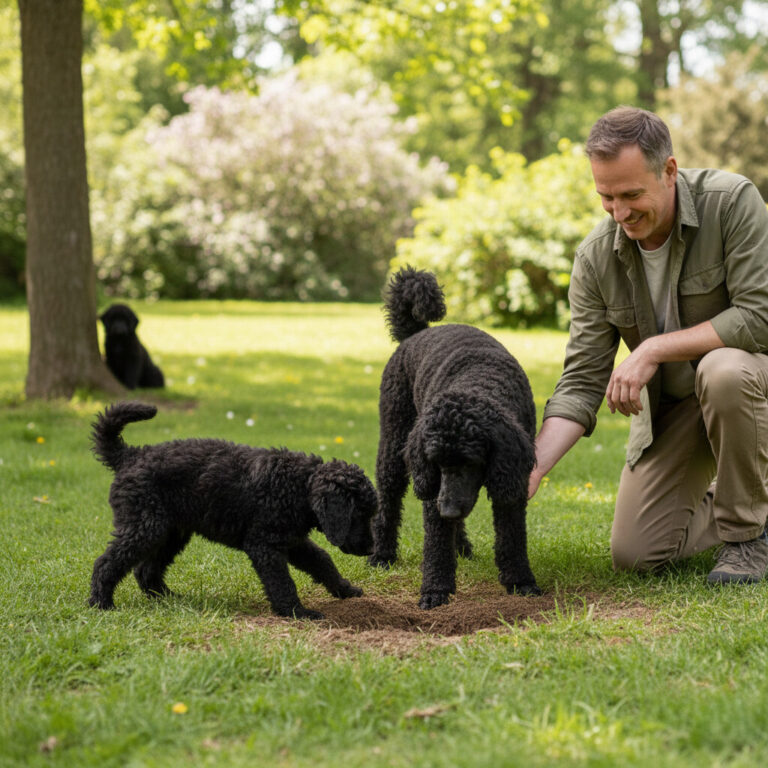
Puppies learn from adult dogs primarily through a process called allelemimetic behavior (mimicry) and observational learning. By watching older dogs, puppies understand social cues, bite

Most puppies learn basic commands like “sit” and “stay” within 4 to 6 months. However, fully potty training a puppy usually takes 4 to 6

During a puppy’s first 90 days, expect a transition often described by the “3-3-3 Rule.” In the first 3 days, the puppy is overwhelmed and

Mental stimulation reduces bad behavior in dogs by channeling their excess energy and natural instincts into productive tasks rather than destructive habits. When a dog
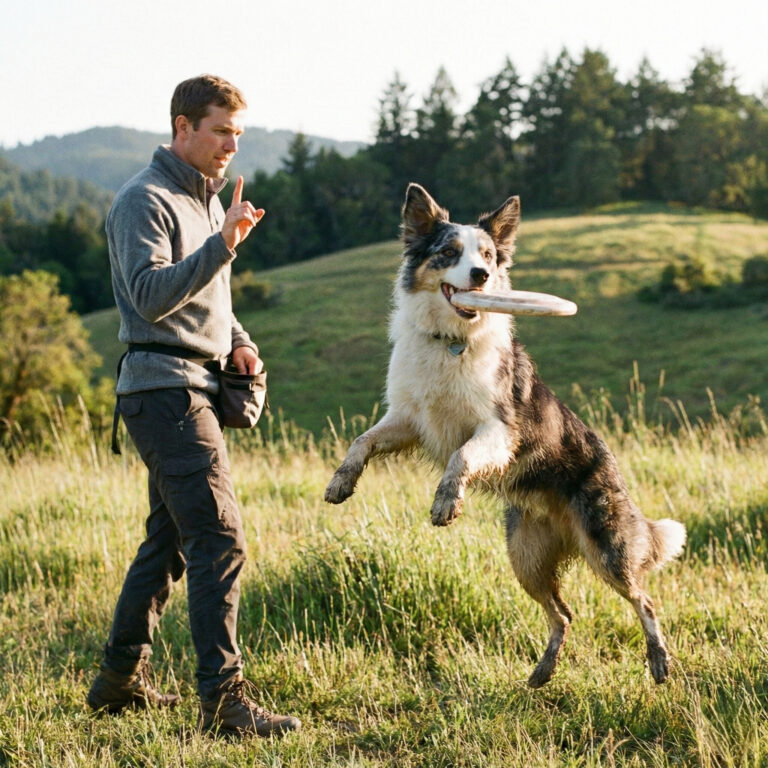
To train a high-energy dog, you must combine physical exercise with intense mental stimulation. A tired body is not enough; you need a tired brain.

Dogs ignore commands outside primarily because they have not generalized the behavior to new environments or because the distractions (like smells, other animals, or noises)

Signs of hormonal imbalance in dogs typically include unexplained hair loss (alopecia), significant changes in weight (gain or loss) without diet changes, excessive thirst and
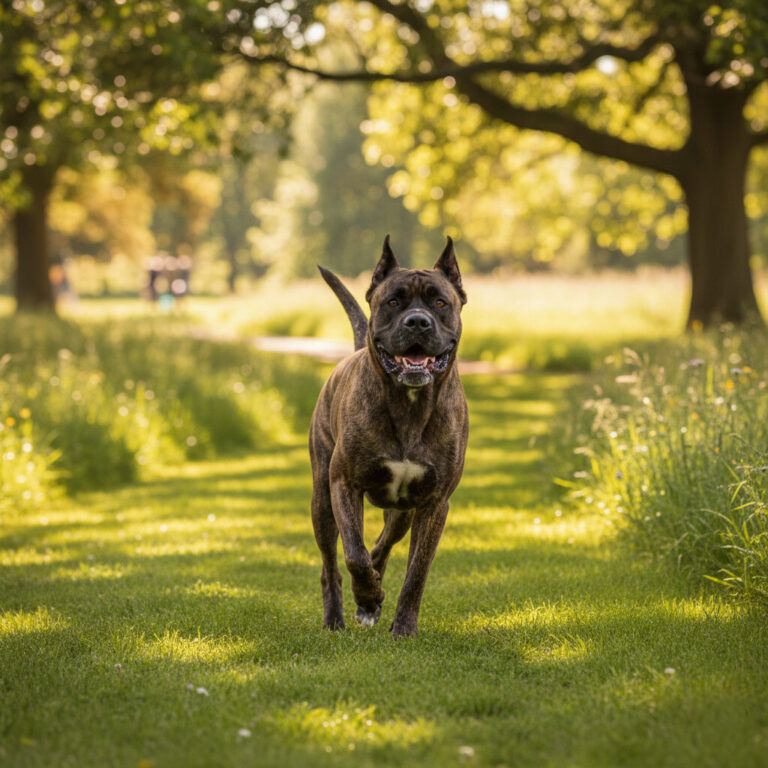
To prevent joint problems in dogs, the most effective strategy is maintaining a healthy weight to reduce stress on the body. You should also provide
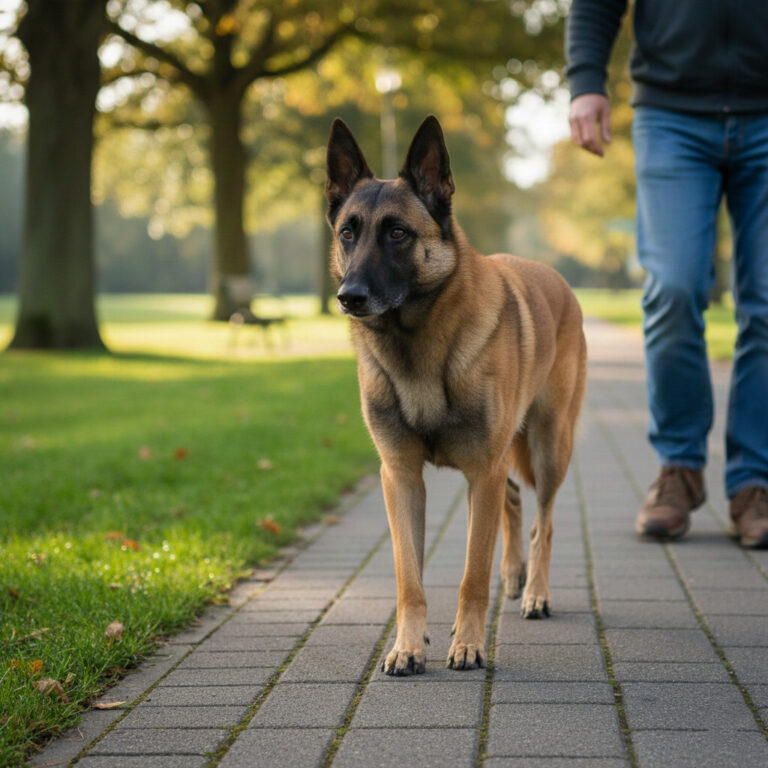
Dogs limp due to a wide variety of causes ranging from minor issues like a thorn in the paw or a muscle strain to serious