
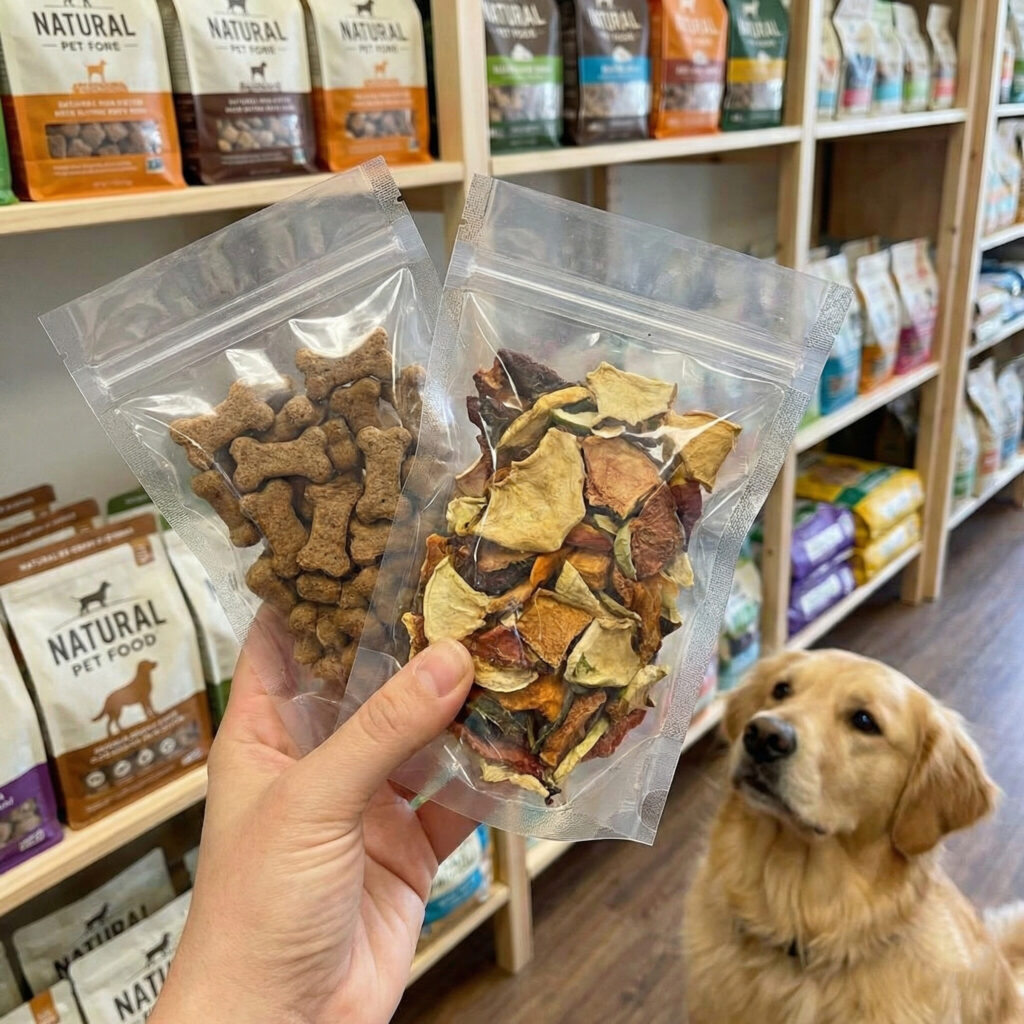
To choose healthy dog treats, always read the ingredient label first. Look for whole food sources like real meat, vegetables, or fruits as the top ingredients. Avoid artificial preservatives (like BHA/BHT), artificial colors, sweeteners like Xylitol, and excessive fillers like corn or wheat gluten. Ensure treats make up no more than 10% of your dog’s daily calorie intake to prevent obesity.
Summary Table
| Do This | Avoid This | Why It Matters |
| Check the first three ingredients. Look for named meats (e.g., “Chicken”) or whole vegetables. | Generic meat sources. Terms like “meat by-products” or “animal digest” are low quality. | The first few ingredients make up the bulk of the treat. Quality counts here. |
| Follow the 10% Rule. Treats should only be 10% of daily calories. | Overfeeding. Giving too many large treats leads to weight gain. | Obesity is a major health risk for dogs and shortens their lifespan. |
| Look for short ingredient lists. Fewer ingredients usually mean fewer processed additives. | Artificial preservatives & colors. Avoid BHA, BHT, Ethoxyquin, Red 40, Yellow 5. | These chemicals are unnecessary and have been linked to health issues in some studies. |
| Match the treat to the purpose. Use tiny pieces for training and larger chews for boredom. | Using huge treats for training. This ruins their appetite and packs on pounds quickly. | Different situations require different reward sizes to be effective and healthy. |
| Use human food alternatives. Safe fruits and veggies like carrots or blueberries are great options. | Toxic human foods. Never give grapes, raisins, chocolate, onions, or items with Xylitol. | Some common human foods are highly toxic and even fatal to dogs. |
Why Your Choice of Dog Treat Matters
We all love rewarding our dogs. Seeing that tail wag when a bag crinkles is one of the joys of pet ownership. Treats are essential tools for training, great for bonding, and sometimes just necessary to keep them occupied.
However, the pet store aisles are overwhelmed with options. Many popular treats are unfortunately similar to human junk food. They are designed to taste good to the dog and look appealing to the owner, but they often lack nutritional value.
Feeding poor-quality treats consistently can lead to serious problems. The most common issue is obesity, which causes joint problems, heart disease, and diabetes. Furthermore, low-quality ingredients can cause allergic reactions, digestive upset, and skin issues.
Choosing a healthy dog treat isn’t just about spoiling your pup; it’s a crucial part of managing their overall health and longevity. This guide will walk you through exactly how to scan a package and make the best choice for your canine companion.
Read Also: How Treats Affect Dog Training Success
Step 1: Mastering the Ingredient Label
The most important step in choosing a healthy treat is ignoring the pretty pictures on the front of the bag and flipping it over to read the ingredient list. The front of the package is marketing; the back is reality.
Ingredients are listed in order of weight. This means the ingredient listed first is present in the largest amount.
The “First Three” Rule
Focus intently on the first three ingredients listed. Ideally, the very first ingredient should be a specific, whole food source.
Look for a named protein source like “Deboned Chicken,” “Beef,” “Lamb,” or “Salmon.” You might also see quality carbohydrates or fibers like “Sweet Potato” or “Pumpkin.”
If the first ingredient is a filler grain like corn, wheat, or soy, put the bag back. If it is a generic term like “meat meal” (without specifying what kind of meat), avoid it. You want to know exactly what animal the protein came from.
Whole vs. Processed
Shorter ingredient lists are generally better. If a treat only has five ingredients, and you recognize all of them as real foods (e.g., Chicken, Sweet Potato, Glycerin, Salt, Mixed Tocopherols), that is a good sign.
If the list reads like a high school chemistry textbook with twenty words you cannot pronounce, it is likely highly processed and relies on artificial additives for flavor and shelf life.
Step 2: Red Flag Ingredients to Avoid
Knowing what to avoid is just as important as knowing what to look for. Many commercial dog treats contain ingredients used to make the product cheaper to manufacture, last longer on the shelf, or look bright and colorful to humans. Your dog does not care what color the treat is.
Scan the label carefully for these offenders.
Artificial Preservatives
Manufacturers need treats to last for months in a warehouse. While some preservation is necessary, natural preservatives are safer than synthetic ones.
Avoid these chemical preservatives:
- BHA (Butylated Hydroxyanisole)
- BHT (Butylated Hydroxytoluene)
- Ethoxyquin
- Propylene Glycol (used to keep treats chewy, but is a cousin to antifreeze)
Look for these natural preservatives instead:
- Mixed Tocopherols (Vitamin E)
- Vitamin C (Ascorbic Acid)
- Rosemary Extract
Artificial Colors and Flavors
Dogs rely on smell much more than sight. Adding artificial colors like Red 40, Yellow 5, or Blue 2 is entirely for the human buying the product. These dyes have been linked to hyperactivity and allergies in some animals.
Similarly, if a treat contains good-quality meat, it shouldn’t need “artificial flavor” to make a dog eat it.
Dangerous Sweeteners & Humectants
Some soft treats use sweeteners to improve taste and texture.
Crucial Warning: Xylitol. This artificial sweetener, often found in sugar-free peanut butter and human gum, is incredibly toxic to dogs. It causes a rapid drop in blood sugar and liver failure. Never buy a dog product containing Xylitol.
Other sweeteners like corn syrup, sucrose, or ammoniated glycyrrhizin add unnecessary empty calories that contribute to diabetes and dental issues.
Read Also: Signs of Food Sensitivities in Dogs
Step 3: Considering the Treat’s Purpose
Not all treats are created equal because not all treats are used for the same thing. The “best” treat depends on what you are doing with your dog at that moment.
High-Value Training Treats
When you are teaching a new command or working in a distracting environment, you need a “high-value” reward. These are treats your dog absolutely loves and will work hard for.
Training treats must be small. If you are doing a 15-minute training session, you might give your dog 30 rewards. If those rewards are large biscuits, your dog will get full quickly and lose interest, and they will have consumed way too many calories.
Look for soft, smelly treats that can be easily broken into tiny pieces, roughly the size of a green pea. Freeze-dried liver or small bits of cheese are popular high-value options.
“Boredom Buster” Chews
These are designed to occupy your dog for a longer period, perhaps when you are on a conference call or need them to settle down.
For these, durability is key. Bully sticks (made from beef muscle), yak cheese chews, or sweet potato jerky are good options. They are generally single-ingredient treats that provide mental stimulation through chewing.
Be cautious with rawhide. American-made rawhide is generally safer, but many imported rawhides are processed with harsh chemicals and can pose a serious choking or blockage hazard if the dog swallows large pieces.
Dental Treats
Many treats claim to clean teeth. While some mechanical scraping action occurs when a dog chews a hard treat, they are rarely a substitute for actual tooth brushing.
If buying dental chews, look for the VOHC (Veterinary Oral Health Council) seal on the bag. This means the product has proven it actually helps control tartar or plaque. Be mindful that many dental chews are very high in calories.
Step 4: The Calorie Count and the 10% Rule
The single biggest mistake dog owners make with treats is overfeeding. It is incredibly easy to turn a healthy dog into an overweight one simply through “a few little treats” throughout the day.
Veterinarians almost universally recommend the 10% Rule.
Treats should make up no more than 10% of your dog’s total daily calorie allotment. The other 90% must come from their complete and balanced main dog food.
If your dog needs 1,000 calories a day to maintain a healthy weight, only 100 of those calories should come from treats.
Many commercial treats do not list calorie counts on the bag, which makes this difficult. If calorie information isn’t listed, assume they are calorie-dense. A single large milk-bone type biscuit can have over 100 calories. For a small 15-pound dog, that one biscuit might be their entire day’s treat allowance.
If you give your dog a large chew or lots of training treats one day, you should slightly reduce the amount of kibble you feed them for dinner to balance out the intake.
Read Also: Human Foods That Are Safe for Dogs (In Moderation)
Step 5: Special Needs (Allergies and Age)
Just like humans, dogs have individual dietary needs based on their life stage and health status.
Puppies vs. Seniors
Puppies have small mouths and baby teeth. They need smaller, softer treats that are easy to chew and swallow.
Senior dogs often have dental issues, perhaps missing teeth or gum disease. Hard, crunchy biscuits can be painful or impossible for them to eat. Look for soft-baked treats or dehydrated meats that are easy to break down.
Allergies and Sensitivities
Food allergies are common in dogs. The most common allergens are actually proteins, specifically beef, dairy, and chicken. Wheat can also be an issue for some.
If your dog often has itchy skin, ear infections, or loose stool, they may have a food sensitivity. Look for “limited ingredient” treats. These treats usually have just one protein source and one carbohydrate source (e.g., “Lamb and Sweet Potato”). This makes it easier to avoid ingredients that trigger your dog’s system.
Step 6: Healthy Human Food Alternatives
You don’t always need to buy expensive bags of treats from the pet store. Some of the healthiest options are already in your refrigerator.
Fruits and vegetables are fantastic, low-calorie, high-nutrient treats for dogs. They are especially good for dogs that need to lose weight because you can feed a higher volume without packing on calories.
Great human food options:
- Carrots: Crunchy, sweet, and excellent for teeth. Many dogs love frozen carrots as a chew.
- Green Beans: Fresh or frozen (unsalted). Very low calorie.
- Blueberries: Packed with antioxidants and perfectly sized for training.
- Apples: Remove the seeds and core first.
- Plain Boiled Chicken: The ultimate high-value reward for most dogs. Great for a training class.
Foods to absolutely NEVER feed:
- Grapes and Raisins (cause kidney failure)
- Chocolate
- Onions and Garlic
- Macadamia Nuts
- Anything with Xylitol
Conclusion
Choosing healthy dog treats doesn’t have to be complicated, but it does require a little bit of effort to read beyond the marketing claims on the front of the package.
By focusing on whole ingredients, avoiding chemical additives, and strictly managing calorie intake, you can use treats to build a strong bond with your dog without compromising their long-term health.
When in doubt about specific ingredients or your dog’s weight, always consult your veterinarian for personalized advice.