Cats
Why Do Cats Lick Plastic or Fabrics?
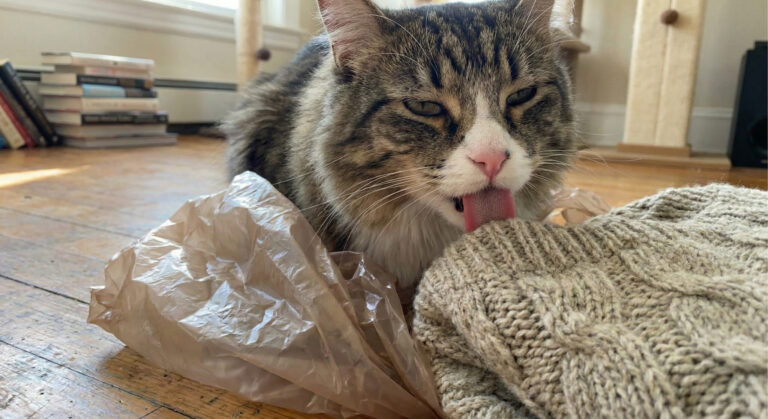
Cats lick plastic or fabrics primarily due to a condition called Pica (the urge to eat non-food items) or wool sucking. This behavior often stems from medical issues like dental

Cats lick plastic or fabrics primarily due to a condition called Pica (the urge to eat non-food items) or wool sucking. This behavior often stems from medical issues like dental
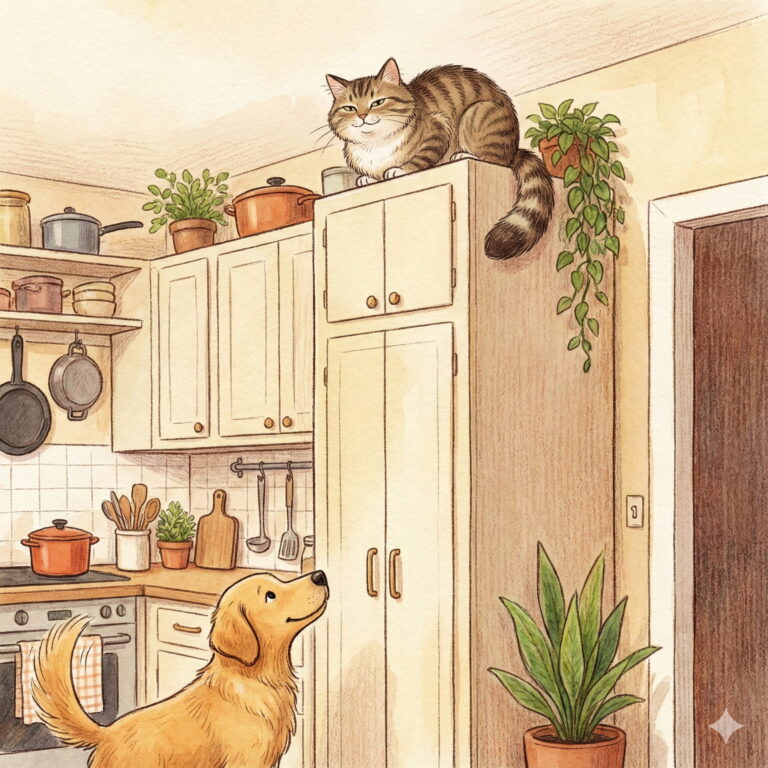
Cats prefer high places primarily due to their evolutionary instincts. Being high up gives them a strategic vantage point to spot prey and avoid larger predators. Additionally, vertical spaces offer
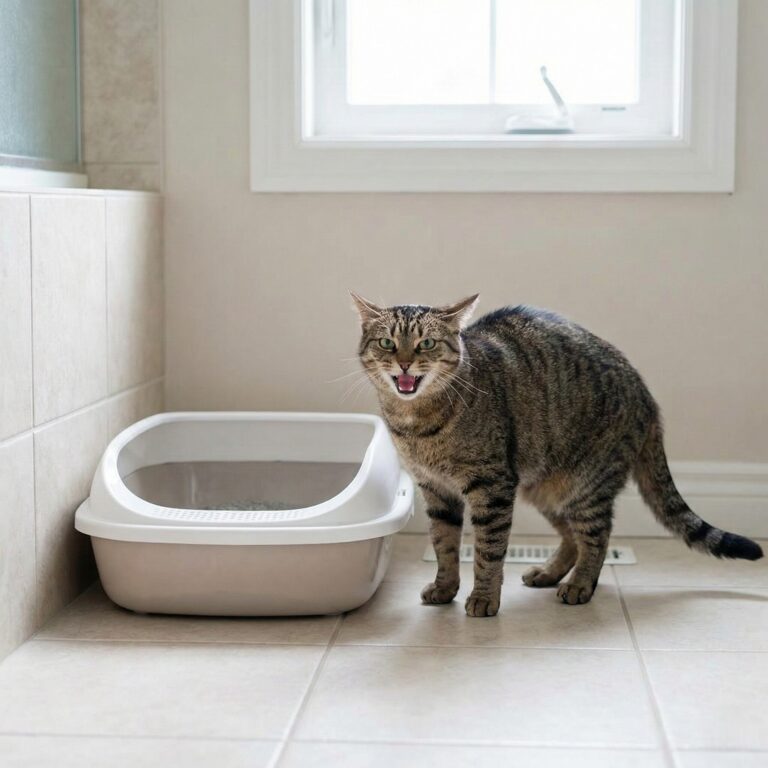
Cats vocalize before using the litter box primarily to communicate pain, stress, or dissatisfaction. The most common medical causes include urinary tract infections (UTIs), constipation, kidney stones, or arthritis, which
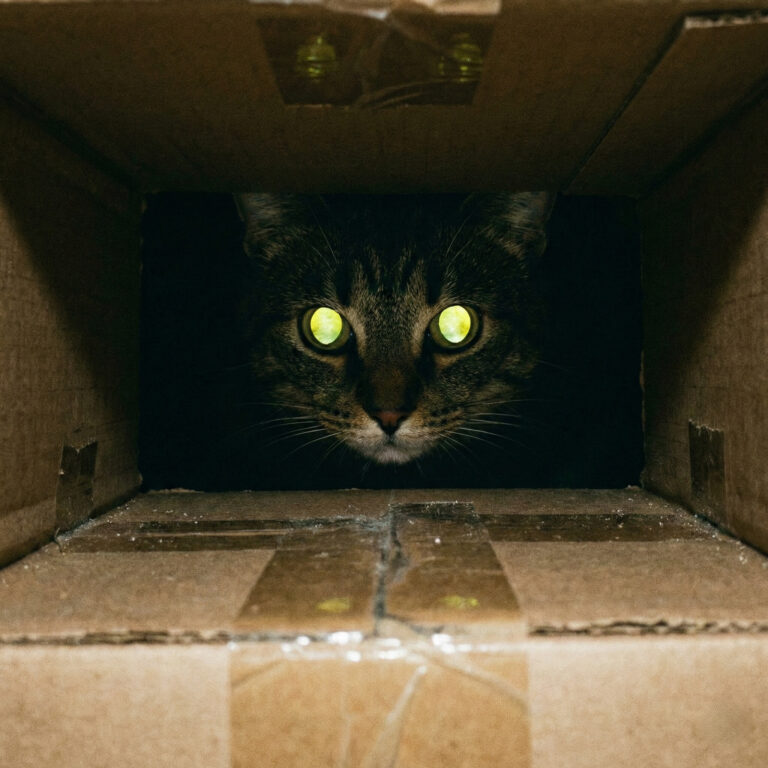
Cats hide in small, dark spaces primarily for safety, temperature regulation, and stress relief. In the wild, enclosed areas protect cats from larger predators and provide a secure vantage point
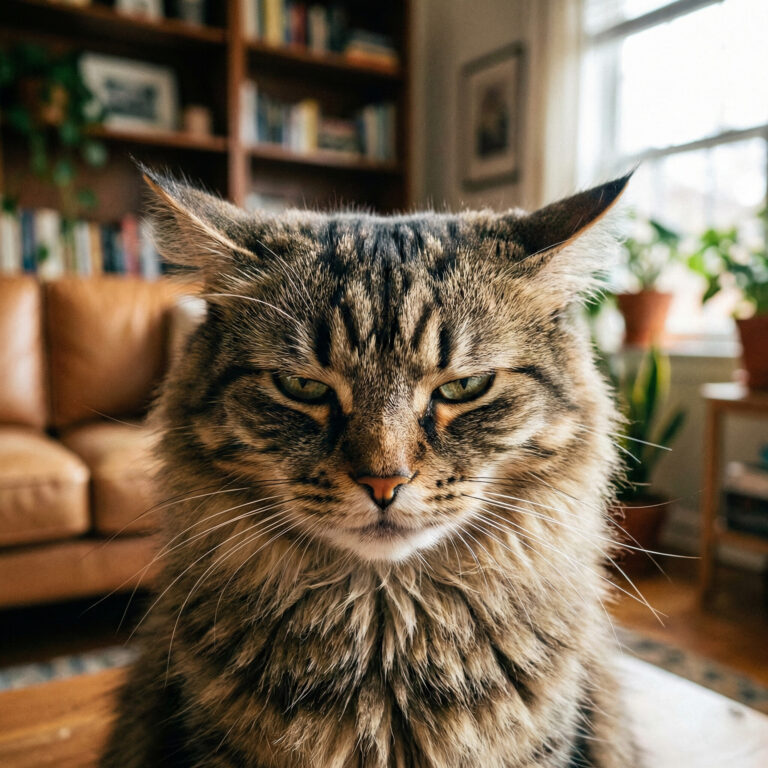
Cats bite during petting mainly due to overstimulation (petting aggression). This happens when repetitive stroking makes their skin sensitive or painful. Other causes include static electricity shocks, wanting to play,
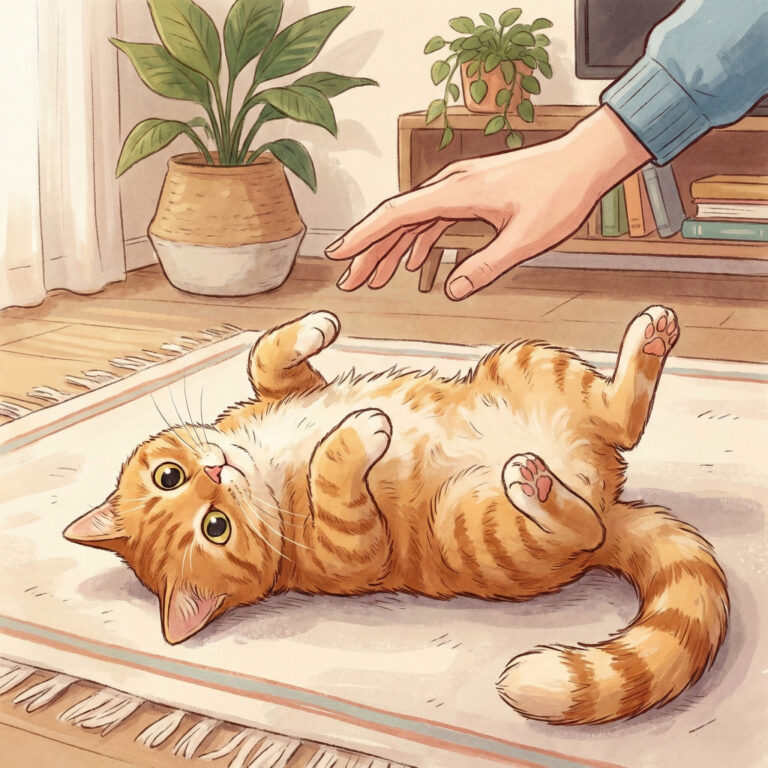
Cats roll on their backs primarily as a way to communicate safety and trust. By exposing their stomach, they are signaling that they feel completely relaxed in your presence. However,
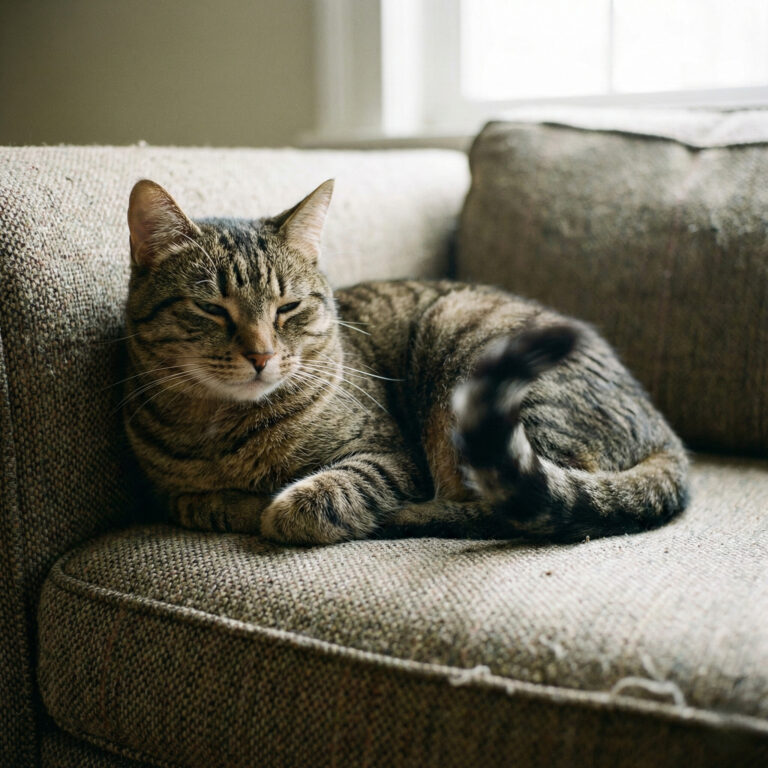
Cats flick their tails while lying down primarily to communicate their emotional state. A flicking or twitching tail often signals mild annoyance, overstimulation, or alertness, even if the cat appears
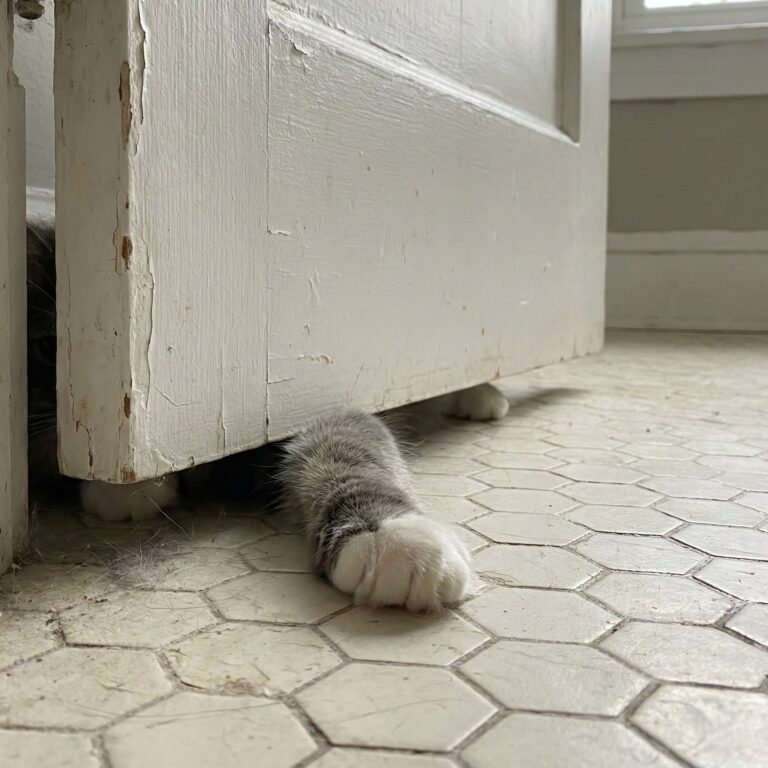
Cats hate closed doors primarily because they are territorial animals that need to patrol and control their environment. A closed door blocks their access to part of their territory, causing
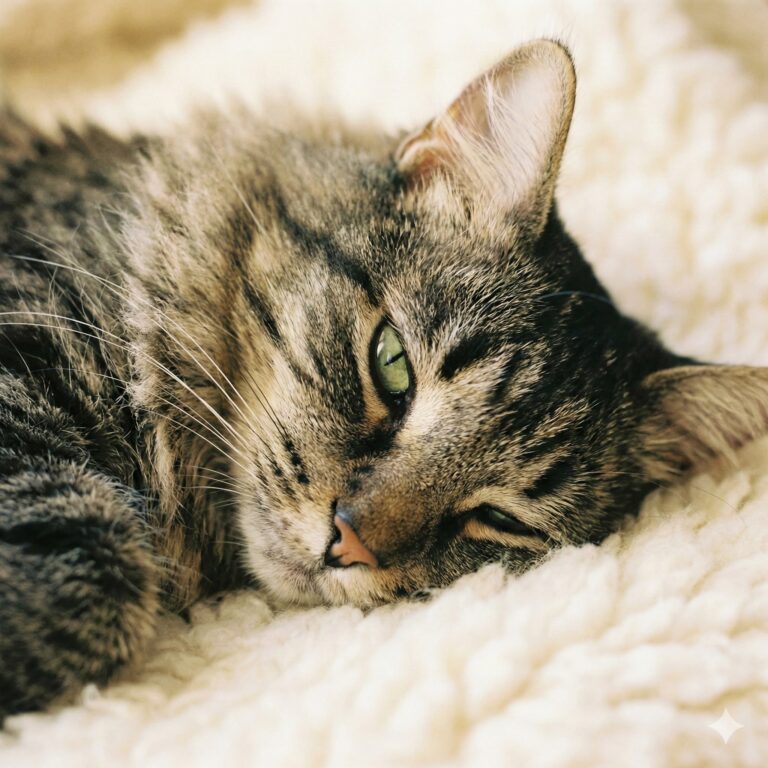
Cats sleep with their eyes half open primarily due to their evolutionary instincts as predators. This behavior allows them to stay alert to potential threats or prey even while resting.
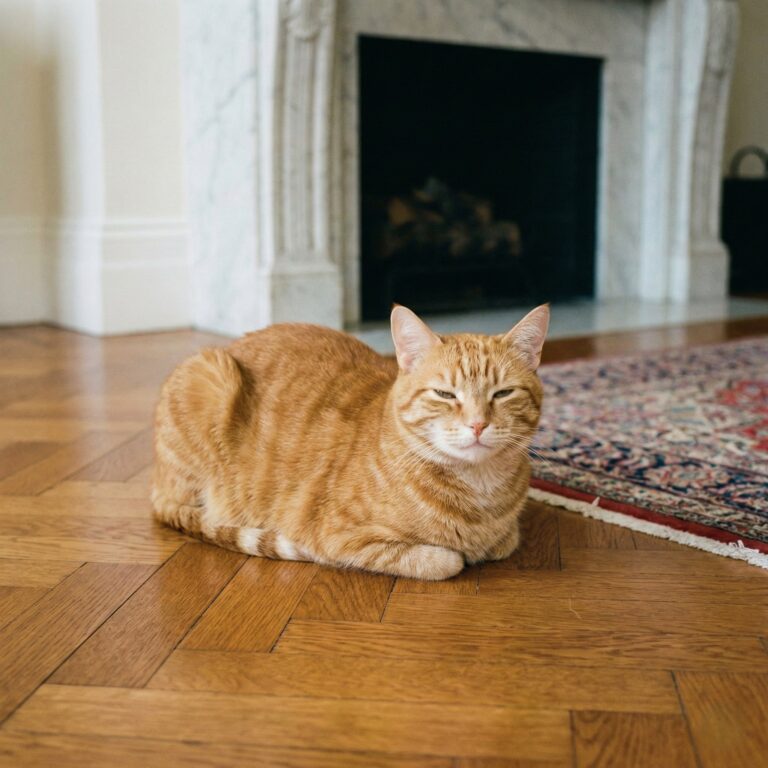
Cats sit in a “loaf” position, tucking their paws and tail underneath their bodies, primarily to conserve body heat and maintain a comfortable body temperature. This position also indicates that
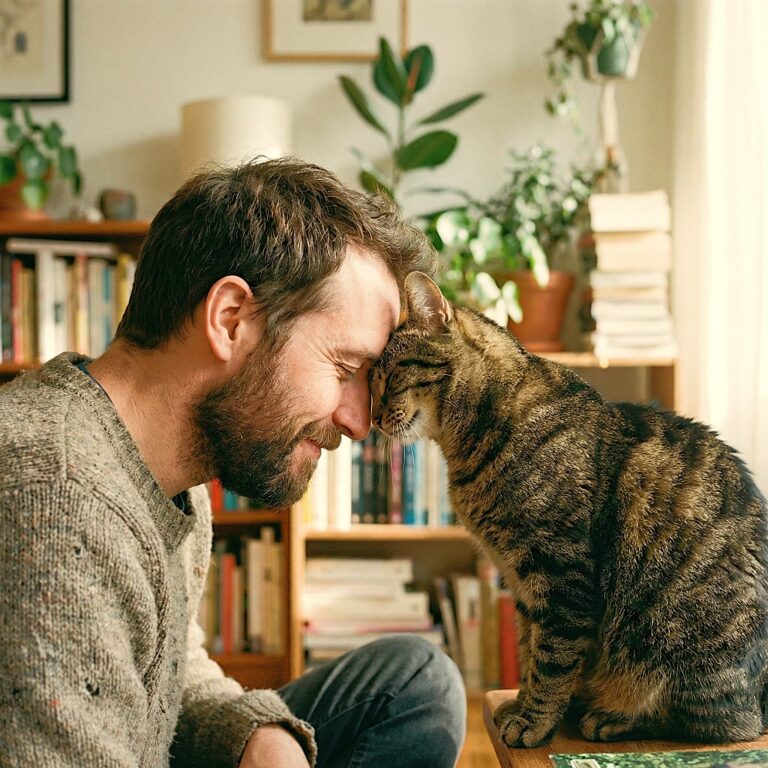
Cats headbutt people, a behavior scientifically known as bunting, primarily to mark them with scent glands located on their heads. This action deposits pheromones that mark you as safe, trusted,
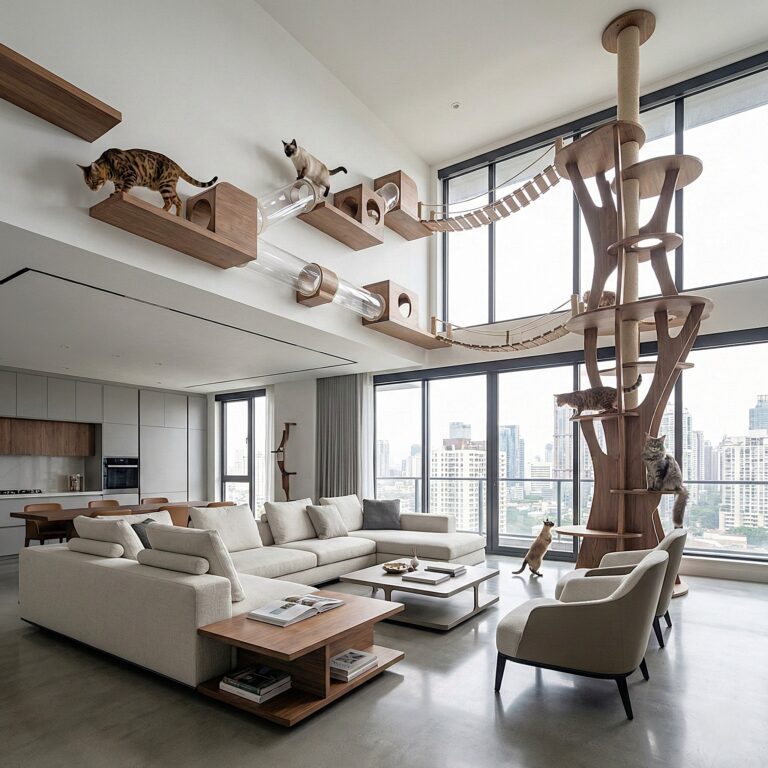
Vertical space is essential for cats because it satisfies their natural instinct to climb, observe their environment from a safe vantage point, and establish territory. Providing elevated areas like cat