
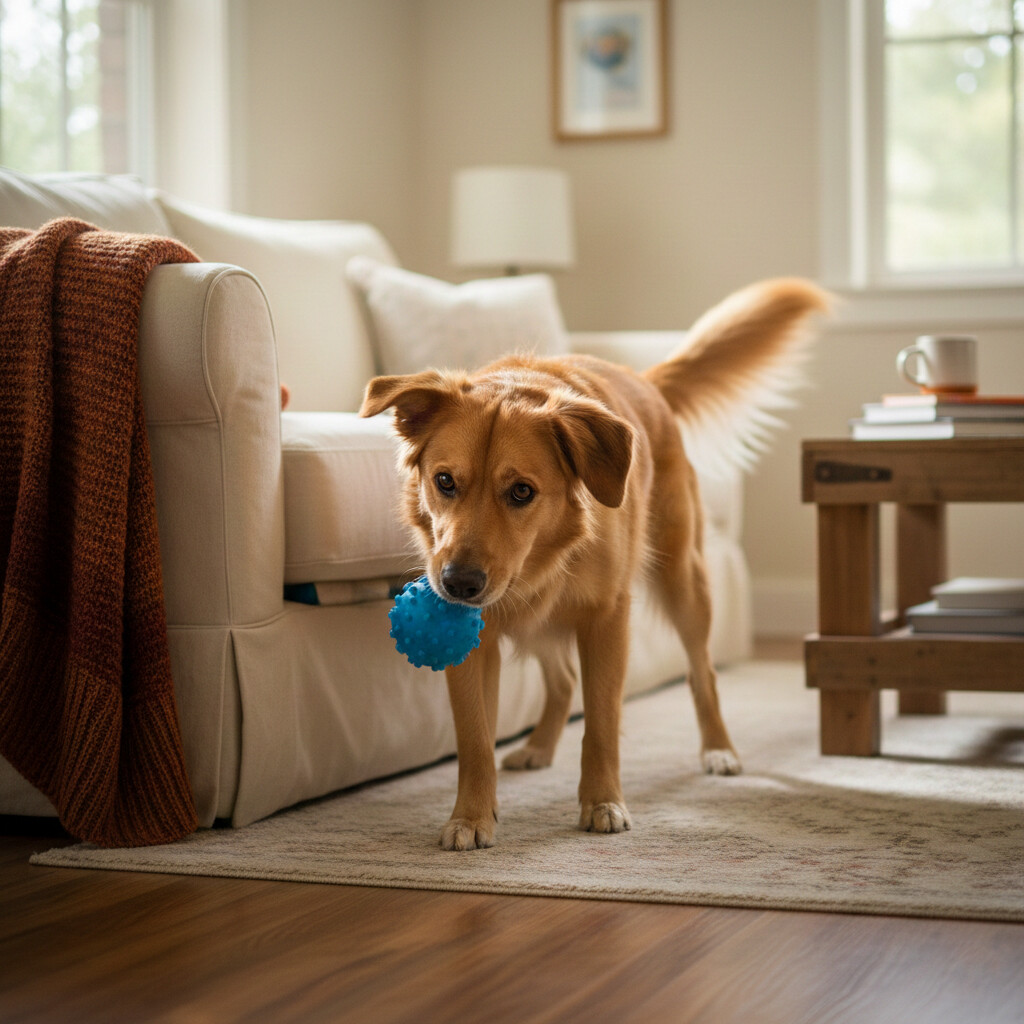
Dogs hide their toys primarily due to instinctual behaviors inherited from their wild ancestors. In the wild, wolves and wild dogs bury excess food to protect it from scavengers and save it for later, a behavior known as “caching.” Modern dogs retain this instinct and apply it to valued possessions like toys, treats, and bones. Other reasons include boredom, anxiety, a desire to play, or resource guarding (protecting their “treasure” from other pets or people).
Summary Table
| Reason | Description | What to Do |
| Instinct (Caching) | An ancient survival urge to save “resources” (toys/food) for later. | Generally harmless; allow it if not destructive. |
| Resource Guarding | Anxiety that someone will steal their possession. | Do not punish; trade for higher-value items. |
| Boredom/Attention | Hiding items to initiate a game or because they lack stimulation. | Increase playtime and mental enrichment. |
| Anxiety/Stress | Hiding things to soothe themselves or create a safe stash. | Identify stressors; consult a vet if severe. |
| Over-Excitement | The dog has too many toys and is “saving” some. | Rotate toys instead of leaving them all out. |
Why Do Dogs Hide Their Toys?
It is a classic scene: you buy your dog a brand-new squeaky toy, expecting them to play with it. Instead, they immediately run behind the sofa or dig furiously into the backyard to bury it. You might find toys under your pillow, inside laundry baskets, or deep in the garden dirt.
While this behavior can be confusing (and sometimes annoying) for dog owners, it makes perfect sense to your dog. This is not just a random quirk; it is a behavior deeply rooted in canine psychology and history.
Read Also: Why Do Dogs Yawn When Not Tired?
1. The Ancestral Instinct: Caching
The most common reason dogs hide toys is instinct. Your domesticated dog shares DNA with wolves and wild dogs. In the wild, food is not guaranteed every day. When a wild dog hunts a large meal, they often cannot eat it all at once. Leaving the leftovers out in the open would attract scavengers like birds, bears, or other rival packs.
To solve this, wild canines “cache” (bury) their food. The cool earth acts as a natural refrigerator, keeping the meat fresh longer, and the dirt hides the scent from thieves.
Even though you feed your dog on a schedule and they don’t need to worry about starvation, that survival instinct remains. They view their toys as high-value resources. By hiding a toy, they are essentially saving it for a “rainy day.”
2. Resource Guarding and Possessiveness
Sometimes, hiding a toy is about protection. If you live in a multi-pet household, your dog might hide their toys to ensure the other dogs (or cats) don’t get them. This is a mild form of resource guarding.
It isn’t always aggressive. It can simply be a strategic move. If a dog knows that their sibling loves to chew up tennis balls, they will hide their tennis ball to keep it safe.
However, be careful if this behavior escalates. If your dog growls or snaps when you go near their hiding spot, the behavior has moved from simple hiding to aggressive guarding.
- Signs of Resource Guarding:
- Stiff body posture when you approach the hidden item.
- “Whale eye” (showing the whites of their eyes).
- Low growling or showing teeth.
- Freezing in place.
3. Seeking Attention and Play
Dogs are incredibly smart and socially intelligent. They quickly learn what actions get a reaction from you. If your dog steals your shoe or hides a toy and you immediately chase them or laugh, they learn that Hiding = Attention.
In this scenario, hiding the toy is an invitation to play. They want you to find it, or they want you to chase them while they run to a new hiding spot. It becomes a game of hide-and-seek.
4. Boredom and Excess Energy
A bored dog is a mischievous dog. If your dog is not getting enough physical exercise or mental stimulation, they will create their own entertainment. Hiding toys gives them a “job” to do. The act of digging (even in blankets) and arranging their stash burns mental energy.
If you notice your dog is hiding toys constantly, ask yourself if they are getting enough walks and playtime.
- Ways to combat boredom:
- Puzzle feeders.
- Longer sniffing walks (decompression walks).
- Training sessions (learning new tricks).
5. Over-Stimulation (Too Many Toys)
It sounds strange, but you can give a dog too many toys. If there are twenty toys scattered on the floor, a dog might feel overwhelmed. They may hoard or hide specific favorites to “organize” their environment or ensure their absolute favorites don’t get lost in the clutter.
This is similar to a child who hoards their favorite candy. They are securing the best items because the abundance of other items makes them feel the need to prioritize.
6. Anxiety and Comfort
For some dogs, hoarding toys is a self-soothing behavior. If a dog is anxious due to loud noises (like thunderstorms), separation anxiety, or a new environment, they might gather their toys into a pile and hide them (or hide with them).
Surrounding themselves with familiar scents and objects provides a sense of security. You often see this in rescue dogs who have a history of resource scarcity. They hoard items because they are afraid they will be taken away.
Read Also: What Does It Mean When a Dog Whines?
Where Do Dogs Usually Hide Things?
The location of the “cache” depends on whether your dog is an indoor or outdoor hider.
Common Outdoor Hiding Spots
- Loose dirt in garden beds.
- Under bushes or low-hanging trees.
- Sandboxes.
- Piles of leaves.
Common Indoor Hiding Spots
- The Couch: Buried deep between the cushions or under the sofa itself.
- Laundry: Inside baskets of dirty clothes (because they smell like you).
- Beds: Under pillows, duvets, or mattresses.
- Closets: Dark corners where foot traffic is low.
- Their Crate: The ultimate safe zone.
Breeds Most Likely to Hide Toys
While any dog can hide toys, breeds that were originally bred for hunting small game or digging out burrows are the most notorious “hiders.”
- Terriers (Jack Russells, Yorkies, Dachshunds): Bred to dig into holes to flush out badgers, foxes, and rats. Digging and burying are in their blood.
- Hounds (Beagles, Basset Hounds): Driven by scent, they often “save” items that smell interesting for later investigation.
- Retrievers (Golden Retrievers, Labradors): While they usually fetch, they are also prone to carrying items around and stashing them, especially if they are possessive of their “prize.”
Should You Stop Your Dog From Hiding Toys?
In most cases, no. Hiding toys is a harmless, natural behavior. It provides mental enrichment and satisfies an instinctual urge. However, there are times when you should intervene.
When to Intervene:
- Destructive Digging: If they are ruining your garden or tearing up expensive carpets to hide a bone.
- Aggression: If they growl or bite when you go near the hiding spot.
- Hiding Hazardous Items: If they are hiding leftover food that will rot, or stealing dangerous household items (like batteries or medication) to hide.
Read Also: Why Do Dogs Sleep at Your Feet?
How to Manage the Behavior
If the hiding is becoming a nuisance (or you are tired of losing expensive toys), you can manage the habit without punishing the dog.
1. Rotate the Toys
Do not leave all toys out at once. Keep a basket of toys in a closet and only give your dog 2 or 3 at a time. Every week, swap them out.
- Benefit: The toys seem “new” and valuable, so the dog plays with them immediately rather than hiding them. It reduces the urge to hoard because there is no clutter.
2. Provide Dedicated Digging Spots
If your dog is an outdoor digger, sacrifice a small corner of the yard. Build a sandbox or designate a dirt patch specifically for them. Bury toys there yourself and encourage them to find them. If they dig elsewhere, redirect them to the “Dig Zone.”
- Benefit: Saves your flower beds while satisfying the urge.
3. Burn Off Energy
A tired dog is a good dog. Increase their physical exercise. If they are exhausted from a long run or a game of fetch, they have less energy to spend meticulously burying a rubber chicken under the rug.
4. Interactive Play
Use toys that require immediate interaction, like tug ropes or flirt poles. These toys are for playing with you, not for possessing. When the game is over, put the toy away. This builds a bond and prevents the toy from becoming a “thing to hide.”
5. Address Anxiety
If the hoarding seems linked to stress (e.g., the dog paces while hiding things or whines), consult a veterinarian or behaviorist. You may need to address the root cause of the anxiety rather than the hiding behavior itself.
Conclusion
When your dog hides their toy, they aren’t trying to lose it. They are trying to save it. Whether driven by the ancient spirit of their wolf ancestors, a need to guard their treasure from the cat, or simply boredom, this behavior is a fascinating glimpse into the canine mind.
Unless it leads to aggression or destroyed furniture, let them hide their treasures. It’s a small way for them to exercise control over their environment and indulge their natural instincts. Just remember to check under the couch cushions before you sit down!