
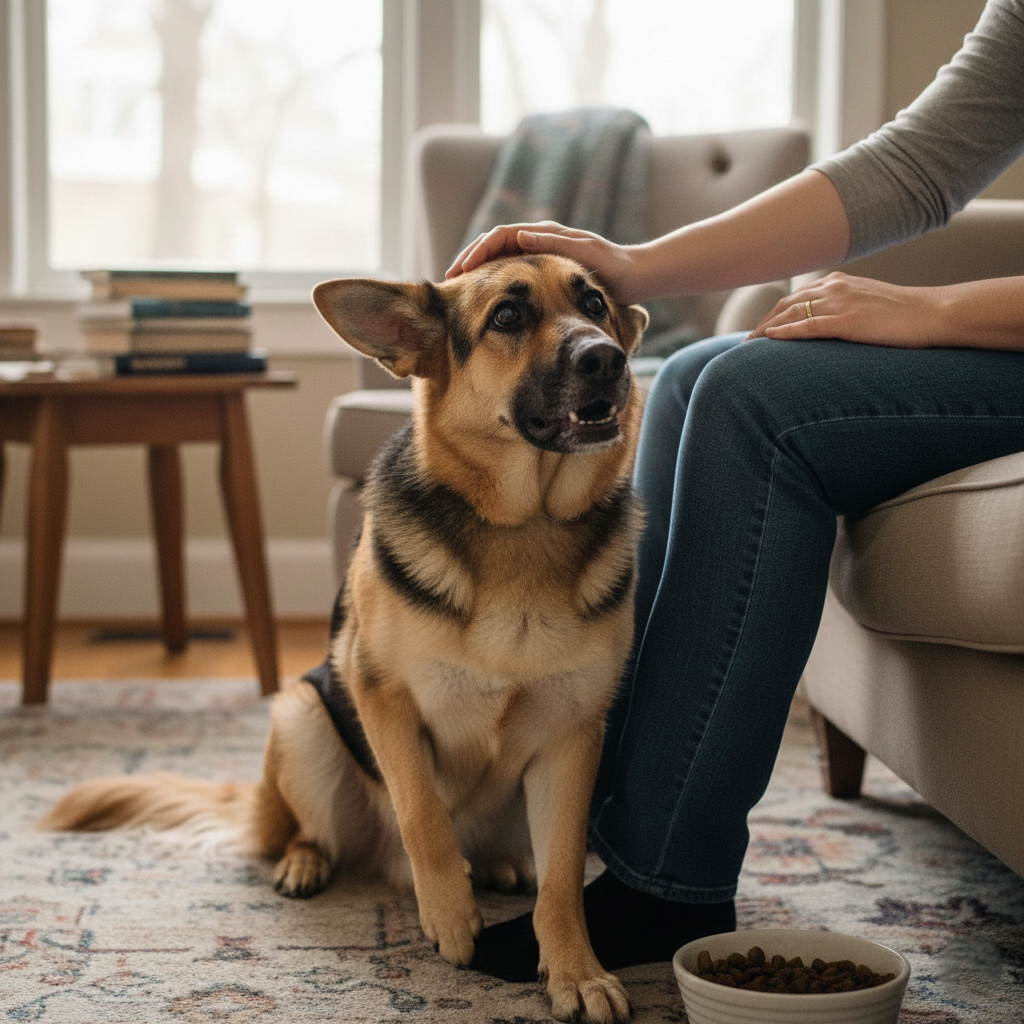
Dogs whine primarily as a form of communication to express their state of mind or physical needs. The most common reasons include seeking attention, asking for resources (like food or a potty break), expressing excitement, signaling anxiety or fear, showing submission, or indicating physical pain. Understanding the context and accompanying body language is key to interpreting what your dog is trying to tell you.
Summary Table
| Reason | Typical Context | What To Do |
| Needs | Standing by the door, staring at a bowl. | Take them outside or feed them on schedule. |
| Attention | Pawing at you, whining while you are busy. | Ignore the whining; reward when they are quiet. |
| Excitement | Whining when moving, lying down, or being touched. | Wait for calm behavior before greeting. |
| Anxiety | Pacing, panting, whining when you leave. | Desensitize to departure; consult a trainer. |
| Pain | Whining when moving, lying down, or touched. | See a veterinarian immediately. |
| Boredom | Sighing, whining while lying around. | Increase exercise and mental stimulation. |
| Submission | Ears back, tail tucked, low posture. | Build confidence; avoid scolding. |
Why Dogs Whine? Canine Communication
When we think of dog communication, we usually think of barking. However, whining is one of the first vocalizations a dog learns. As puppies, they whine to their mothers to get warmth and milk. As they grow into adult dogs, they retain this behavior to communicate with their human pack members.
Because dogs cannot speak, they rely on a combination of vocal sounds and body language. Whining is particularly effective because humans are biologically programmed to respond to high-pitched sounds (similar to a crying baby).
While it can be frustrating, it is important to remember that a whining dog is not trying to annoy you; they are trying to tell you something.
Read Also: Why Do Dogs Sleep at Your Feet?
1. Asking for Something (Physical Needs)
The most straightforward type of whining is the “request.” This is functional communication. Your dog has a physical need that they cannot fulfill themselves, and they are asking for your help.
Common Requests
- Potty Breaks: If your dog stands by the door and whines, they likely need to go to the bathroom. This is a good habit to encourage.
- Hunger or Thirst: If they whine while standing near their food bowl or where you keep the treats, they are telling you they are hungry.
- Lost Toys: A ball rolled under the couch, and they cannot reach it.
How to Handle It
If the request is reasonable (like a bathroom break), respond to it. However, be careful not to create a “demand barker” or whiner. If your dog whines for dinner an hour early, ignoring them prevents them from learning that whining makes food appear faster.
2. Seeking Attention
Dogs are social animals. They crave interaction with their owners. If you have been working at your computer for hours or watching TV, your dog may feel ignored. Attention-seeking whining is often accompanied by other behaviors like pawing at your leg, nudging your hand with their nose, or bringing you a toy.
The Reinforcement Trap
The problem with attention-seeking whining is that owners often accidentally reward it.
- The dog whines.
- You look at the dog and say, “Be quiet,” or you pet them to soothe them.
- The dog learns: “Whining makes my human look at me and touch me.”
Even negative attention (scolding) counts as attention to a bored dog.
3. Excitement and Greeting
Does your dog start making high-pitched sounds the moment they hear your key in the lock? This is excitement whining. It is usually accompanied by a wagging tail (often the whole body wags), jumping, and spinning.
This type of whining is involuntary. The dog is simply so overcome with the emotion of joy that it spills out as vocalization. You will often see this directed at new guests or friendly strangers on a walk. While it is cute that they are happy to see you, it can become excessive if not managed.
4. Anxiety and Stress
Anxiety is a major cause of whining and requires a different approach than attention-seeking behavior. A stressed dog is not “misbehaving”; they are suffering.
Separation Anxiety
If your dog whines only when you are preparing to leave the house or immediately after you leave, they likely have separation anxiety. This is often paired with destructive behavior, pacing, or house soiling.
Fear Triggers
Dogs may whine when they are afraid of specific things in their environment.
- Thunderstorms: The change in barometric pressure and loud noises.
- Fireworks: Sudden, loud explosions.
- Vet Visits: The smells and memories of the clinic.
- Strangers: Fear of people they do not know.
Signs of Stress Whining
Look for these body language cues:
- Panting heavily when it is not hot.
- Lip licking.
- Whale eye (showing the whites of their eyes).
- Pacing back and forth.
- Trembling.
Read Also: What Causes Sudden Fear in Dogs?
5. Pain and Physical Discomfort
This is the most critical category. A dog that is in pain may whine. This can be acute (sudden) pain or chronic (long-term) pain.
Acute Pain
If your dog suddenly whines while jumping off the couch or walking up the stairs, they may have injured a joint or muscle.
Chronic Pain
Older dogs with arthritis may whine softly when they are lying down or trying to get comfortable. They aren’t crying out in sharp pain, but rather groaning from a dull ache.
Systemic Illness
Sometimes the pain is internal. Upset stomachs, dental issues, or infections can cause a dog to feel miserable enough to vocalize. If a dog who is normally quiet starts whining without an obvious cause, you must rule out medical issues first.
6. Submission and Appeasement
In the wild, members of a pack use submission to avoid conflict. If a dog feels threatened by another dog or a human, they may whine to say, “I am not a threat, please don’t hurt me.”
You might see this if you scold your dog. If you use a harsh tone, the dog may lower their body, tuck their tail, roll onto their back, and whine. This is an appeasement signal. They are apologizing and trying to de-escalate your anger.
7. Boredom and Frustration
Intelligent breeds (like Border Collies, Shepherds, and Poodles) require mental stimulation. If they are left alone with nothing to do, they get bored. A bored whine is often a long, drawn-out sigh followed by a high-pitched sound. It is the dog equivalent of a child saying, “I’m bored.”
Frustration whining happens when a dog wants something they can see but cannot get. For example, seeing a squirrel through the window or seeing another dog on a leash that they are not allowed to greet (this is often called “barrier frustration”).
8. Age-Related Whining (Puppies and Seniors)
Age plays a huge role in why a dog vocalizes.
Puppies
Puppies whine instinctively. It is a survival mechanism. They whine when they are cold, hungry, or lonely. When you first bring a puppy home, they may whine at night because they are used to sleeping in a “puppy pile” with their littermates. This usually fades as they gain confidence and independence.
Senior Dogs (Cognitive Dysfunction)
As dogs age, they can develop Canine Cognitive Dysfunction (CCD), which is similar to dementia in humans. Senior dogs with CCD may become confused and disoriented.
They might wander the house at night, whining because they don’t know where they are, or they feel trapped in a corner. This often happens at night and disrupts the sleep cycle.
Read Also: Why Do Dogs Dig on Beds and Couches?
How to Stop Excessive Whining
Once you have identified the cause, you can choose the right solution. Do not use the same method for every type of whining. Ignoring a dog with anxiety will make it worse, but soothing a dog seeking attention will make that worse.
Step 1: The Veterinary Check
Before you try any training, ensure your dog is healthy. If the whining is new or sudden, visit your veterinarian to rule out arthritis, injury, or illness.
Step 2: Addressing Attention-Seeking
If you are sure the dog is healthy and has been fed and walked, and they are just whining for attention:
- The “Ignore” Technique: Turn your back. Do not look at the dog. Do not touch them. Do not speak to them.
- The Reward: The moment the dog stops whining and is quiet, turn around and praise them calmly.
- Consistency: Everyone in the house must follow this rule. If one person gives in, the behavior will persist.
Step 3: Managing Anxiety
- Desensitization: Gradually get your dog used to being alone. Start with 5 minutes, then 10, then 20.
- Safe Space: Create a crate or a specific room where the dog feels safe.
- Calming Aids: Thundershirts, pheromone diffusers, or calming treats can help take the edge off.
- Professional Help: For severe separation anxiety, consult a certified dog behaviorist.
Step 4: Curing Boredom
- Exercise: A tired dog is a quiet dog. Ensure they are getting physical exercise suitable for their breed.
- Mental Stimulation: Use puzzle toys, snuffle mats, and Kongs filled with peanut butter. Mental work tires a dog out faster than a walk.
- Training: Spend 15 minutes a day teaching new tricks. This engages their brain and strengthens your bond.
When Whining is a Red Flag
While most whining is behavioral, there are specific scenarios where it constitutes an emergency.
Go to the Vet Immediately If:
- The whining is accompanied by vomiting, diarrhea, or lethargy.
- The dog is straining to urinate or defecate while whining.
- The dog is panting heavily, pacing, and has a bloated stomach (signs of bloat/GDV).
- The dog yelps when touched on a specific body part.
- The whining is constant, and nothing soothes it.
Conclusion
Your dog’s whine is a window into their world. Whether they are telling you they love you, they need to go out, or they are feeling anxious, listening closely helps you understand their needs. By identifying the root cause, be it physical, emotional, or behavioral, you can respond appropriately. This deepens the bond between you and your pet, leading to a happier, quieter home.