
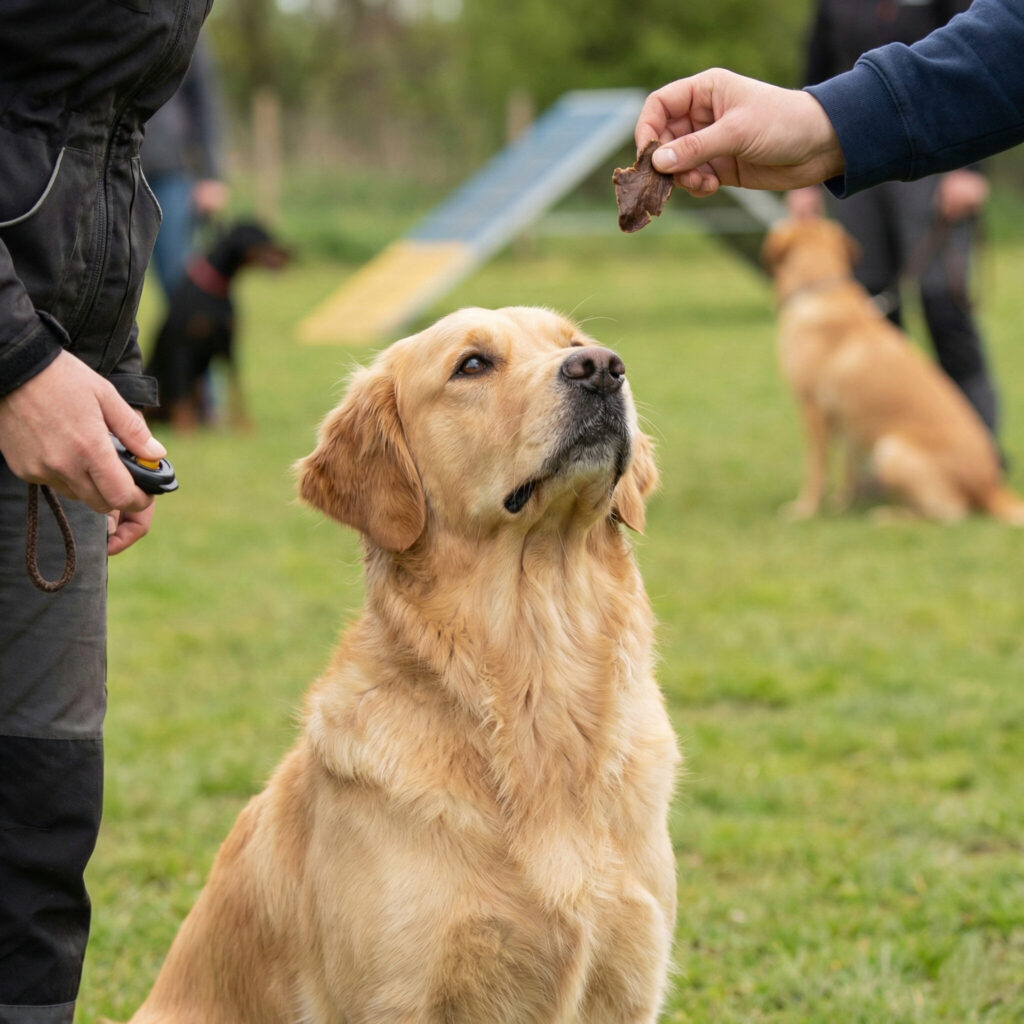
Treats affect dog training success by acting as a primary reinforcer, utilizing the principles of operant conditioning to increase the likelihood of desired behaviors being repeated. High-value food rewards create a strong positive association with learning, speed up the acquisition of new skills, and improve focus in distracting environments. However, success depends on proper timing, differentiating between bribery and reward, and eventually transitioning to a variable reinforcement schedule to ensure the dog listens without needing food visible at all times.
Summary Table
| Key Factor | Best Practice | Impact on Success |
| Value | Match treat value to the difficulty of the task. | High-value treats (meat/cheese) break through distractions; low-value (kibble) works for easy, known tricks. |
| Timing | Deliver within 1-2 seconds of the behavior. | Immediate delivery connects the action to the reward, preventing confusion. |
| Size | Pea-sized or smaller. | Keeps the dog focused on training rather than chewing; prevents overfeeding. |
| Schedule | Continuous initially, then variable (lottery style). | builds a strong foundation first, then creates a reliable habit that resists extinction. |
| Placement | Deliver to the mouth or specifically on the ground/mat. | Controls the dog’s position (e.g., feeding low keeps a dog from jumping up). |
The Power of Food in Dog Training
If you have ever wondered why your dog sits perfectly in the kitchen but ignores you at the park, the answer often lies in how you are using rewards. Treats are not just snacks; they are the currency of communication between you and your dog. When used correctly, food allows you to bridge the language barrier and tell your dog exactly what you want them to do.
Many new dog owners worry that using food will make their dog dependent on treats forever. This is a myth. When you understand the mechanics of motivation, treats become a temporary scaffolding used to build a solid structure of good behavior. Once the behavior is built, the scaffolding comes down.
This guide explores exactly how treats influence the dog’s brain, how to stop using them without losing obedience, and the common mistakes that turn rewards into bribes.
Read Also: Signs of Food Sensitivities in Dogs
Why Food Works: The Science of Motivation
To understand why treats are so effective, we have to look at how dogs view the world. Dogs are opportunists. They do what works for them. In animal behavior science, this is known as Positive Reinforcement.
Positive reinforcement means adding something the dog likes immediately after they do something you like. If the consequence of an action is pleasant, the dog will try to do that action again.
Food is considered a Primary Reinforcer. This means the dog does not need to be taught to like it.
Unlike a clicker or the phrase “good boy,” which the dog has to learn the meaning of, food is instinctively valuable. It is tied to survival. This makes it the fastest way to influence behavior because you don’t have to explain why the dog should want it.
The Dopamine Connection
When a dog anticipates a treat, their brain releases dopamine. This chemical is associated with the seeking system in the brain. It creates a feeling of anticipation and engagement.
Training with treats actually changes the dog’s emotional state, making them happier and more eager to work. This is why food-trained dogs often look perky and excited, while dogs trained with punishment may look slow or worried.
Choosing the Right Currency: Treat Hierarchy
Not all treats are created equal. Just as you might work harder for $100 than for $1, your dog will work harder for steak than for a piece of dry kibble. Understanding “Treat Value” is critical for success. You must adjust the payment based on the difficulty of the job.
Low-Value Treats
These are boring, everyday food items.
- Examples: Dry dog food (kibble), dry biscuits, carrot chunks, ice cubes.
- When to use: Use these inside the house for behaviors the dog already knows well, like “Sit” or “Down” in the living room.
Medium-Value Treats
These are distinct from their regular meals but not overly exciting.
- Examples: Commercial soft training treats, jerky strips, cheese-flavored biscuits.
- When to use: Use these for learning new tricks in a quiet environment or practicing known behaviors in the backyard.
High-Value Treats
These are the “jackpot” rewards. They are usually moist, smelly, and rare.
- Examples: Boiled chicken, string cheese, freeze-dried liver, hot dog pieces, leftover steak.
- When to use: These are mandatory for high-distraction environments (like the park or vet), recall training (coming when called), or working with reactive dogs who are scared or aggressive.
The “smell factor”
Dogs experience the world through their nose. If a treat smells strong, it grabs their attention faster. This is why freeze-dried liver is often more effective than a dry biscuit. If your dog is ignoring you, upgrade your treat to something smellier.
Read Also: Human Foods That Are Safe for Dogs (In Moderation)
The Mechanics: Timing and Delivery
The single biggest reason treat training fails is poor timing. Dogs live in the moment. They connect the reward to whatever they were doing the exact second they received it.
The 1-Second Rule
You have approximately 1 to 2 seconds to mark the behavior.
If you ask your dog to “Sit,” and they sit, but you spend 5 seconds digging in your pocket for a treat, the dog might stand up or sniff the ground before you feed them. You just rewarded the standing or sniffing, not the sitting.
Using a Marker
To fix the timing problem, successful trainers use a “marker.” A marker is a signal that tells the dog, “That exact thing you just did earned you a treat.”
- Clicker: A mechanical box that makes a clicking sound.
- Verbal Marker: A short, distinct word like “Yes!” or “Nice!”
The Sequence of Success:
- Cue: You say “Sit.”
- Behavior: Dog’s bottom hits the floor.
- Mark: You say “Yes!” the instant they hit the floor.
- Reward: You reach into your pocket and give the treat.
The marker buys you time. Once the dog hears “Yes!”, they know the payment is coming, so it doesn’t matter if it takes you a few seconds to get the food out.
Bribe vs. Reward: Knowing the Difference
Critics of food training often say, “My dog only listens when I have food in my hand.” This is a valid complaint, but it is not a fault of the method; it is a fault of the application. It happens when you bribe instead of reward.
What is a Bribe?
A bribe is presented before the behavior happens to convince the dog to do it.
- Scenario: You call your dog. They ignore you. You shake a bag of treats. They come running.
- The Lesson: The dog learns they don’t have to listen unless they see the payment first.
What is a Reward?
A reward is presented after the behavior is completed.
- Scenario: You call your dog. They come running. When they arrive, you produce a treat from your pocket (hidden until now) and give it to them.
- The Lesson: The dog learns that listening blindly leads to good things.
How to Fix the “Show Me the Money” Problem
To stop bribery, you must get the food out of your hand. Keep treats in a pouch behind your back or on a shelf. Ask for the behavior. Only reach for the treat after the marker word (“Yes!”).
If the dog refuses to work without seeing the food, you have likely rushed the training steps. Go back to an easier environment and use higher value rewards hidden in your pocket.
Read Also: Dogs & Food (Limited, Informational)
Size Matters: Why Smaller is Better
New trainers often give huge chunks of food. This is counterproductive for three reasons:
- Satiety: The dog gets full too fast and stops working.
- Distraction: It takes too long to chew. The dog forgets what they were doing while eating.
- Calories: It leads to obesity.
The Ideal Size
A training treat should be the size of a green pea or a little fingernail. For small dogs (Chihuahuas, Yorkies), it should be the size of a grain of rice. The dog just needs a taste, not a meal. They are working for the event of eating, not the volume of food.
Fading the Food: The Transition to Real Life
You do not need to carry cheese in your pocket for the rest of the dog’s life. Once a dog learns a behavior fluently, you must move from “Continuous Reinforcement” to “Variable Reinforcement.”
Continuous Reinforcement (The Learning Phase)
Every single correct repetition gets a treat. This is necessary when teaching a new skill. It builds confidence and clarity.
Variable Reinforcement (The Maintenance Phase)
Once the dog knows the command perfectly, you become a slot machine. Sometimes they get a treat, sometimes they get praise, sometimes they get a ball, and sometimes they get nothing but a “Good boy.”
Because the dog never knows which attempt will result in the jackpot, they try harder every time. This is the same psychological principle that keeps humans gambling.
The process of fading:
- Stage 1: Reward every sit.
- Stage 2: Reward every other sit.
- Stage 3: Reward every third or fourth sit.
- Stage 4: Reward only the fastest, straightest sits.
Eventually, the food is reserved for maintenance or extremely difficult situations, while everyday obedience is rewarded with life rewards (like opening the door to go for a walk).
Using “Life Rewards”
The ultimate goal is to use the environment as the treat. This is often called the “Premack Principle” or “Grandma’s Law” (you have to eat your veggies before you get dessert).
- Sit = I open the door for a walk.
- Wait = I put your food bowl down.
- Look at me = I unclip the leash so you can play. In these scenarios, the dog’s behavior unlocks the environment. The reward is the activity, not the food.
Read Also: Why Some Breeds Are More Vocal
Treat Delivery Techniques for Specific Behaviors
Where you place the treat determines what the dog does next. Strategic placement can fix common issues.
Delivery for Heel/Walking
Feed the dog right at your knee or hip. If you feed the dog while they are out in front of you, you are rewarding them for pulling. Delivering the treat at your leg seam keeps them in the “Heel” position.
Delivery for “Down” or “Place”
Place the treat directly on the floor or the dog’s bed. If you hand it to their mouth while you are standing up, they might pop up to reach it. Delivering it between their paws reinforces staying low and settled.
Delivery for Recall
When the dog comes to you, grab their collar gently as you feed them. This prevents the “dine and dash” where the dog grabs the snack and runs away again. It teaches them that being grabbed is a predictor of food.
Common Health Considerations
Obesity is a major issue in pets. When using treats for training, you must adjust their daily meal portions.
The 10% Rule
Treats should generally make up no more than 10% of your dog’s daily caloric intake. However, during intensive puppy training, this is impossible. Instead, measure out the dog’s daily kibble ration in the morning.
Put half of it in a treat pouch and use it for training throughout the day. The dog “earns” their breakfast and dinner. This utilizes their caloric needs for brain work.
Sensitive Stomachs
If your dog gets diarrhea from rich treats like hot dogs or cheese, stick to single-ingredient treats like freeze-dried chicken or boiled lean turkey. You can also bake their wet food into small, semi-hard triangles to make it portable.
What If My Dog Isn’t Food Motivated?
Some owners struggle because their dog spits out treats. This usually happens for one of three reasons:
- Stress: When a dog is fearful or anxious, their digestive system shuts down. If your dog won’t eat at the park, they might be too overwhelmed. Move further away from distractions until they feel safe enough to eat.
- Low Value: You are offering kibble when there are squirrels nearby. Upgrade the payment.
- Satiety: The dog just ate a huge breakfast. Training before meals creates a higher drive to work.
If a dog truly does not care about food (which is rare), you can use toys. A game of tug or throwing a ball can be the reward. This is common in working breeds like German Shepherds and Malinois. The principles remain the same: Mark the behavior (“Yes!”), Then initiate the play.
Conclusion
Treats are the most efficient tool we have for modern dog training. They allow us to capture the dog’s brain and shape behaviors without using force or fear.
By understanding that treats are a salary for a job well done, rather than a bribe to coerce action, you change the dynamic of your relationship.
Remember to keep your treats small, your timing precise, and your rewards varied. Start with high-frequency rewards to build the habit, then fade them out to variable rewards to maintain the reliability.
With consistency, your dog will learn that listening to you is the key to unlocking all the good things in life.