
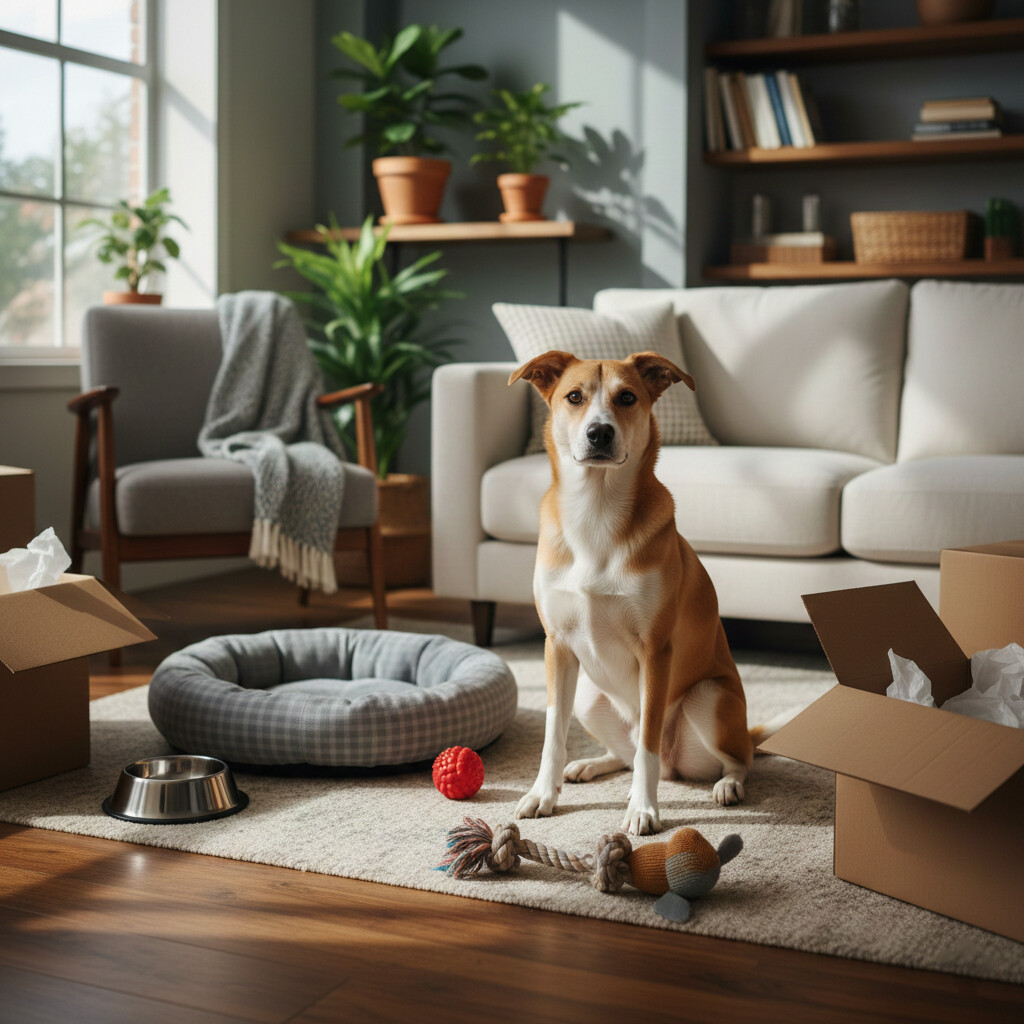
Most dogs adapt to a new home by following the 3-3-3 Rule: 3 days to decompress, 3 weeks to learn the routine, and 3 months to feel fully at home. During the first few days, a dog may hide, sleep, or refuse food due to high cortisol levels. By the three-week mark, they typically begin to settle into a schedule and bond with owners. After three months, their true personality emerges as they feel secure. Patience, a consistent routine, and a dedicated “safe space” are the most effective ways to help a rescue dog adjust.
Summary Table
| Phase | What to Expect | Dog’s Emotional State | Owner’s Focus |
| First 3 Days | Testing boundaries, starting to play, and learning walks | Overwhelmed, scared, “shutdown” mode | Decompression: Quiet space, limited guests, no heavy training. |
| First 3 Weeks | Secure, confident, “at home.” | Cautious, curious, settling in | Routine: Consistent feeding/walking times, basic commands. |
| First 3 Months | True personality shines, bond forms, full relaxation | Secure, confident, “at home” | Refining: Advanced training, social outings, deepening the bond. |
Tips for Acclimating a New Dog to Your Home
Bringing a new dog home is one of the most rewarding experiences you can have, but it can also be confusing. You might expect instant cuddles and tail wags, but instead, you find your new pup hiding under the sofa or pacing anxiously. This is completely normal.
Understanding canine psychology and the biological process of adjustment is key to a successful adoption. Dogs rely on routine and scent markers to feel safe. When they move to a new environment, everything they know disappears.
This guide explains exactly what happens during this transition and how you can support your new family member.
Read Also: Indoor vs Outdoor Dogs: Pros and Cons
The 3-3-3 Rule: The Gold Standard of Dog Adjustment
Animal behaviorists and shelter experts use the 3-3-3 Rule to describe the stages a rescue dog goes through. While every dog is unique, a traumatized senior dog may take longer than a confident puppy; this timeline sets realistic expectations for most adopters.
Phase 1: The First 3 Days (The Decompression Phase)
The first three days are the most critical. Your dog is not being “stubborn” or “distant”; they are in survival mode. Their cortisol levels (stress hormones) are spiked, which can suppress their appetite and social desire.
What you might see:
- Hiding in crates, corners, or under furniture.
- Refusal to eat or drink.
- Sleeping for long periods (exhaustion from stress).
- Potty accidents, even if they were previously house-trained.
- Wide eyes, tucked tail, or trembling.
What you should do:
- Create a Safe Zone: Set up a crate or a designated quiet room with their bed, water, and toys. Let them choose when to come out.
- Limit Interaction: Do not force cuddles. If they want space, give it to them. Avoid inviting friends and extended family over during this period.
- Keep it Quiet: Keep the TV volume low and avoid loud noises or sudden movements.
- Leash for Potty Breaks: Even in a fenced yard, keep them on a leash. A scared dog can easily jump a fence to try and find their way back to what it knows.
Phase 2: The First 3 Weeks (The Routine Phase)
Around the three-week mark, the initial shock wears off. Your dog is starting to realize you are their provider. They are learning when food comes, where the door is, and who lives in the house.
What you might see:
- Testing Boundaries: They might jump on the couch, chew a shoe, or bark at the mail carrier to see what is allowed.
- Personality Peeking Through: You might see the first play bow or tail wag when you come home.
- Separation Anxiety: As they bond with you, they may panic when you leave.
- Settling into a Schedule: They begin to anticipate walks and meals.
What you should do:
- Establish a Routine: Dogs thrive on predictability. Feed, walk, and sleep at the same times every day.
- Start Basic Training: Introduce simple commands like “sit” or “stay” using positive reinforcement (treats and praise). This builds communication and trust.
- Ignore Bad Behavior: Instead of scolding, redirect them. If they chew a shoe, swap it for a toy.
- Proof Your Home: Now that they are exploring, ensure trash cans are covered, and toxic foods are out of reach.
Phase 3: The First 3 Months (The Settlement Phase)
By three months, your dog likely feels like they have always lived with you. They know they are home. This is when you will see their true temperament, which might be different from what you saw in the shelter.
What you might see:
- True Confidence: They are comfortable with visitors and new environments.
- Deep Bond: They seek you out for comfort and affection.
- Reliability: House training is usually solid, and they understand household rules.
- New Quirks: Sometimes, comfortable dogs develop new behaviors, like becoming protective of their home or barking at passersby.
What you should do:
- Advanced Socialization: If they are ready, introduce them to new dog parks, hiking trails, or dog-friendly cafes.
- Mental Stimulation: Use puzzle toys and enrichment games to keep their confident brains busy.
- Maintain Structure: Even though they are settled, keeping the routine prevents regression in behavior.
Read Also: How Weather Affects Dog Behavior?
Signs Your Dog is Stressed vs. Relaxed
It is vital to read your dog’s body language to know if you are moving too fast.
Signs of Stress (Back Off)
- Whale Eye: You can see the whites of their eyes.
- Lip Licking: Frequent licking when no food is present.
- Panting: Heavy breathing when it is not hot or after exercise.
- Pacing: Inability to settle down in one spot.
- Hypervigilance: Constantly looking around, reacting to every small sound.
Signs of Relaxation (Keep Going)
- Loose Body: Their body wiggles when they move, rather than being stiff.
- Soft Eyes: Their gaze is relaxed, not staring intensely.
- Restful Sleep: They sleep deeply, sometimes on their side or back (exposing their belly shows trust).
- Engagement: They voluntarily approach you for attention.
Common Mistakes New Adopters Make
Even with the best intentions, owners can accidentally slow down the adaptation process. Avoid these common pitfalls:
- Overwhelming them too soon: Taking a terrified dog to a pet store or a party in the first week can cause a shutdown.
- Changing food abruptly: Sudden diet changes cause stomach upset. Mix their old food with new food gradually over a week.
- Giving too much freedom: allowing a new dog free rein of the whole house often leads to accidents and chewing. Use baby gates to limit their space initially.
- Punishing fear: Never scold a dog for growling or hiding. These are warnings that they are uncomfortable. Punishing them removes the warning, which can lead to a bite without warning next time.
Read Also: Why Some Dogs Love Water and Others Don’t?
Medical Considerations
While behavior is the main factor, physical health plays a huge role in adaptation.
- Cortisol Detox: It can take up to 72 hours for stress hormones to leave a dog’s system.
- Gut-Brain Axis: Stress causes digestive issues (diarrhea is common). Probiotics can help during the first week.
- Scent Marking: Dogs use pheromones to feel safe. Avoid washing their shelter blanket immediately; the familiar scent acts as a security blanket.
Conclusion
Adapting to a new home is a marathon, not a sprint. The “perfect dog” you want is in there, but they need time to feel safe enough to emerge. By respecting the 3-3-3 rule and listening to your dog’s body language, you are building a foundation of trust that will last a lifetime. If you are ever in doubt, consult a professional dog trainer or veterinary behaviorist for guidance.