
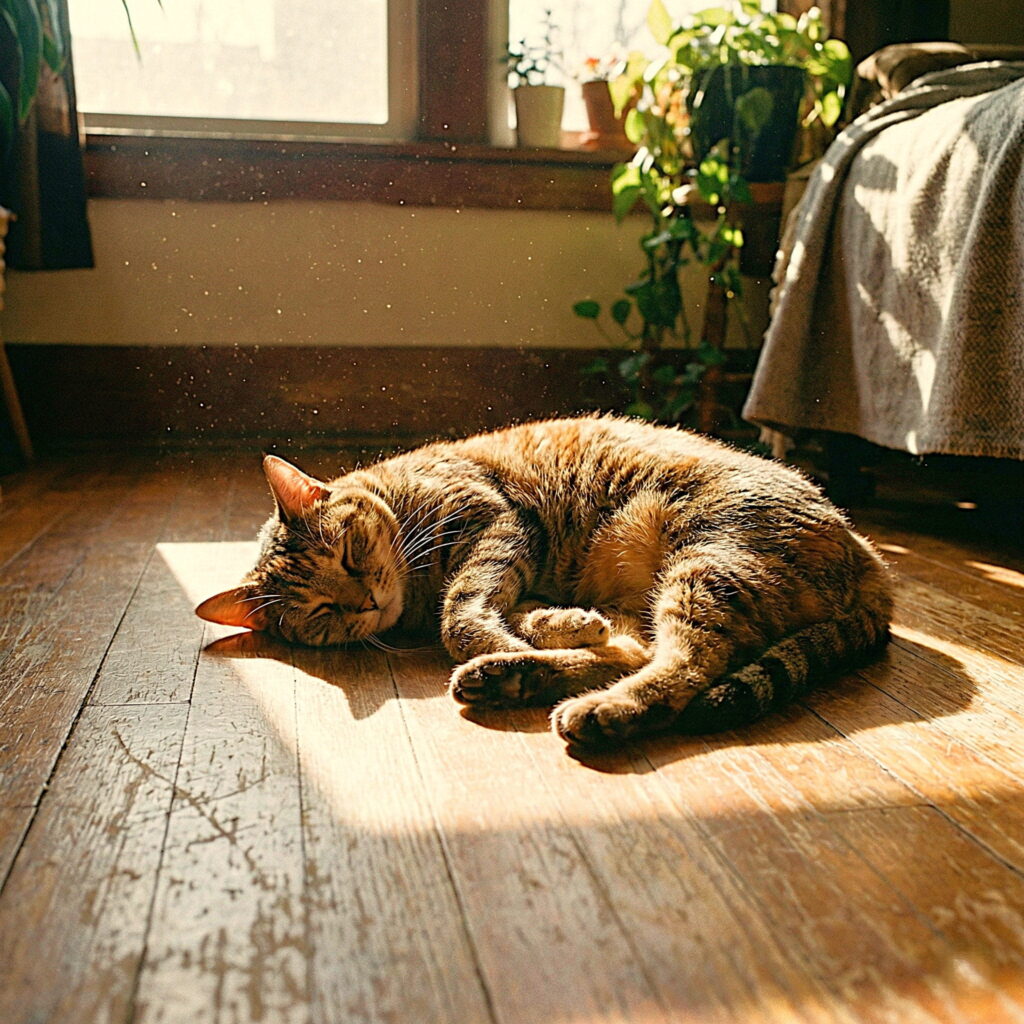
Cats choose their sleeping spots based on a combination of safety, temperature regulation, and territory. Their primary instinct is survival, leading them to select elevated areas for a clear vantage point or enclosed spaces for protection from predators. Additionally, cats seek warmth to maintain their body temperature and often prefer spots that smell like their owners or themselves to feel secure and bonded.
Summary Table: Key Sleeping Factors
| Factor | Why It Matters | Common Examples |
| Temperature | Cats have a higher core body temperature than humans and seek external heat sources to conserve energy. | Sunbeams, radiators, laptops, warm laundry. |
| Safety & Height | Instincts drive them to high ground to survey surroundings and avoid ambush. | Cat trees, top of fridges, bookshelves, loft beds. |
| Concealment | Enclosed spaces offer protection and a stress-free zone to recharge. | Cardboard boxes, closets, under beds, tunnels. |
| Scent & Bonding | Familiar scents provide comfort and mark territory. | Your pillow, dirty laundry piles, your chest or legs. |
| Texture | Physical comfort is essential for deep sleep. | Soft blankets, plush rugs, cardboard (for scratching/sleeping mix). |
How Cats Choose Their Favorite Sleeping Spots
If you share your home with a cat, you likely know the struggle of buying an expensive, plush bed only for them to sleep in the cardboard box it came in. While it might seem like they are just being stubborn, there is actually a complex set of biological and evolutionary rules guiding these decisions.
Cats spend anywhere from 12 to 16 hours a day sleeping. Because they are vulnerable for such a large portion of their lives, the location they choose is never random. It is a calculated decision based on survival instincts, comfort, and environmental control.
Understanding these factors can help you create a better environment for your pet and maybe even convince them to use that expensive bed you bought.
Read Also: Seasonal Changes That Affect Cat Behavior
1. The Quest for Warmth: Thermoregulation
The most common reason a cat chooses a specific spot is temperature. A cat’s normal body temperature is between 100.5°F and 102.5°F (38°C – 39.2°C), which is significantly higher than a human’s.
Maintaining this temperature requires energy. When a cat sleeps, their metabolism slows down, and their body temperature drops slightly. To compensate for this without burning extra calories, they seek out external heat sources.
Sunbathing
You will often find your cat moving throughout the day to follow a shifting patch of sunlight across the floor. This solar recharging allows them to sleep deeply without using their own metabolic energy to stay warm.
Electronics and Appliances
This explains the classic “cat on the laptop” phenomenon. It isn’t just that they want your attention; they are attracted to the heat your device generates. The same applies to the top of the refrigerator, internet routers, or near radiators.
2. Seeking Safety: The Vertical Advantage
In the wild, cats are mesopredators. This means they are hunters, but they are also hunted by larger animals (like coyotes or eagles). This dual status deeply influences their psychology. They need to see threats coming before the threat sees them.
Why High Spots Win
High places like the top of a bookshelf, a tall cat tree, or the top of your kitchen cabinets offer two major advantages:
- Vantage Point: They can survey their entire territory (your living room) without moving.
- Defense: It is much harder for a predator (or a toddler) to sneak up on them from below.
If your cat is anxious or shy, you will likely find them choosing the highest point in the room to sleep. It gives them a sense of control and dominance over their environment.
Read Also: Why Processed Foods Are Dangerous for Pets
3. The “Invisible” Cat: Enclosed Spaces
While some cats seek height, others seek invisibility. This is why boxes, paper bags, and the space under the bed are so popular.
The Security of 3 Walls
An enclosed space protects a cat’s blind spots. When they are in a box, they do not have to watch their back or sides; they only have to monitor the entrance. This significantly lowers their alert level, allowing them to enter a deeper, more restorative stage of sleep (REM sleep).
Stress Reduction
Studies have shown that shelter cats provided with hiding boxes have significantly lower stress levels than those without. If your cat retreats to a closet or under the bed, they are likely overstimulated and need a “time out” where they feel completely safe from disturbance.
Read Also: How to Stop Cat Sleeping on Bed?
3. Scent and Territory: Why They Sleep on You
One of the biggest compliments a cat can give is sleeping on you or your belongings. This behavior is rooted in social bonding and territorial marking.
The Power of Scent
Your bed, your pillow, and your pile of worn clothes smell strongly of you. To a cat, you are the biggest, safest member of their colony. Sleeping in your scent provides a sense of security.
Marking “Ownership”
Cats have scent glands on their cheeks and paws. When they knead your blanket or rub their face on your pillow before settling down, they are mingling their scent with yours. They are effectively labeling you and your bed as “safe territory” and part of their family group.
Group Scenting
In the wild, feral cats often sleep in piles. This is partly for warmth, but also to mix scents. A “colony scent” helps them recognize friends vs. foes. When your cat sleeps on your chest, they are engaging in this communal bonding ritual.
Read Also: Why Does My Cat Sleep Above My Head on My Pillow?
4. Texture Preferences: Soft vs. Hard
While warmth and safety are primary, tactile sensation plays a role. Most cats prefer soft, pliable surfaces that they can knead. Kneading (making biscuits) is a comfort behavior left over from kittenhood when they kneaded their mother’s belly to stimulate milk flow.
However, on hot days, you might find your cat lying on cool bathroom tiles, a porcelain sink, or a glass table. In these instances, the need to cool down overrides the desire for a soft surface. The conductivity of the tile pulls heat away from their body.
5. Changes in Sleeping Habits: When to Worry
Cats are creatures of habit. If your cat has slept on the end of your bed every night for five years and suddenly starts sleeping in the back of a dark closet or the litter box, take note.
Hiding due to Pain
Instinct tells a cat that a sick or injured animal is a target. If a cat is in pain (arthritis, dental issues, internal illness), they will often isolate themselves in a dark, quiet, low-to-the-ground spot to avoid drawing attention.
Seeking Cool Surfaces
If an elderly cat suddenly starts sleeping on cold floors instead of their warm bed, they might be experiencing joint inflammation or running a fever.
Seeking the Litter Box
Sleeping in the litter box is a major red flag. It usually indicates extreme stress, a urinary tract issue, or cognitive dysfunction (dementia) in older cats. If you see this, a vet visit is needed immediately.
Read Also: What Does It Mean When a Cat Slow Blinks?
How to Encourage Your Cat to Use Their Bed
If you want your cat to actually use the expensive bed you bought, you have to think like a cat. Do not just place the bed in a random corner.
Location is Key
Place the bed where the cat already likes to sleep. If they like the window, put the bed on the sill. If they like high spots, secure the bed on a shelf.
Scent the Bed
A new bed smells like a factory (chemicals and plastic). This is alien and unappealing to a cat. Put a t-shirt you have worn in the bed, or rub catnip on it to make it smell familiar and inviting.
Respect the Temperature
Ensure the bed is in a warm spot, away from drafts. Heated cat beds or self-warming mats (which reflect the cat’s body heat back at them) are often very successful because they address the thermoregulation instinct.
Conclusion
Your cat’s sleeping spot is never a random choice. It is a strategic decision balancing thermal comfort, physical safety, and social bonding. By observing where your cat chooses to rest, you can learn a great deal about their current state of mind and health.
Whether they are perched high on a shelf like a leopard or curled up in a box like a kitten, they are simply following the ancient code of their ancestors to stay safe and conserve energy.