Home Decor

Cats

How Do Cats Establish Territory?

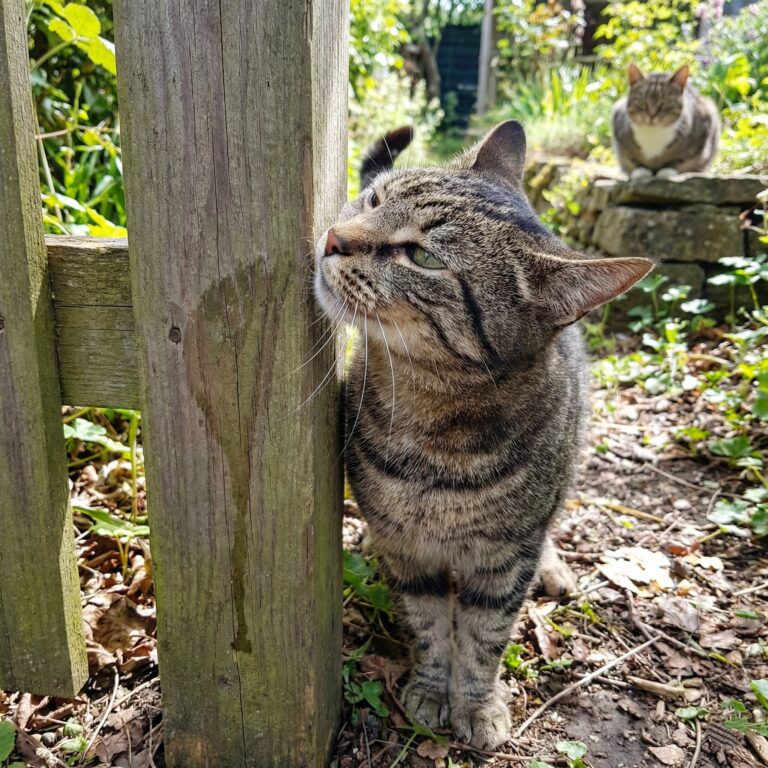
Cats establish indoor territory primarily through scent marking, visual signals, and routine. They release pheromones by rubbing their cheeks on objects (bunting) and scratching surfaces to deposit scent from their

Cats

Why Older Cats Meow More

Older cats often meow more due to age-related health issues or cognitive changes. The most common medical causes include hyperthyroidism (overactive thyroid), kidney disease (causing high blood pressure), and arthritis

Cats

How to Help a Senior Cat Stay Active

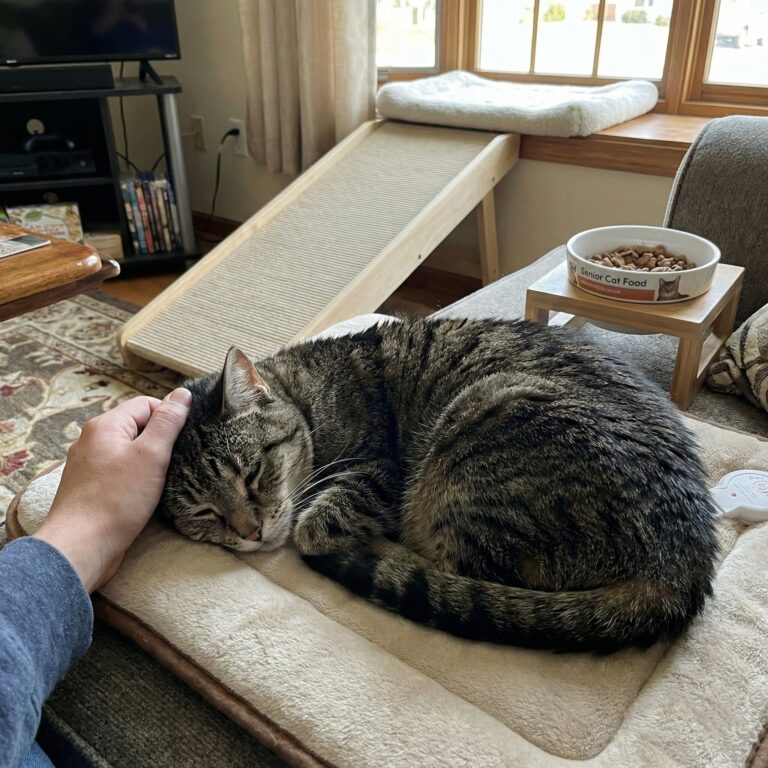
To help a senior cat stay active, focus on low-impact, frequent play sessions using wand toys or slow-moving laser pointers to accommodate stiffer joints. Modify their environment with ramps or

Cats

Signs of Cognitive Decline in Cats

Cognitive decline in cats, often called Feline Cognitive Dysfunction (FCD), is a condition similar to dementia in humans. The most common signs follow the DISHA acronym: Disorientation, Interaction changes, Sleep-wake

Pets

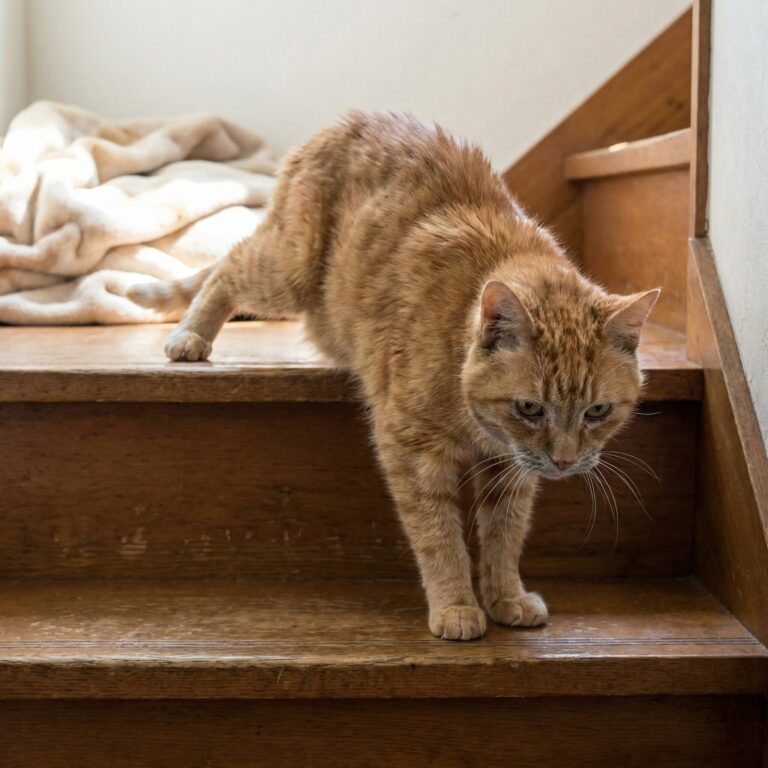
Common Mobility Issues in Older Cats

Mobility issues in older cats are most commonly caused by Osteoarthritis (Degenerative Joint Disease), affecting over 90% of cats aged 12 and older. Other frequent causes include obesity, which stresses

Pets

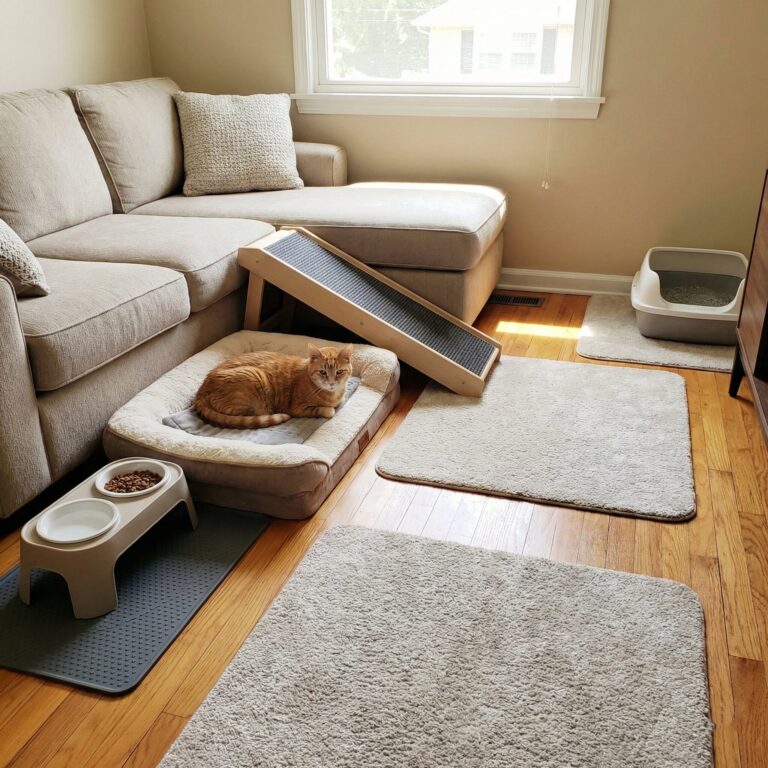
How to Make Your Home Senior-Cat Friendly

To make your home senior-cat-friendly, focus on accessibility and comfort. Switch to low-entry litter boxes and place them on every floor to prevent accidents. Use ramps or pet stairs to

Cats

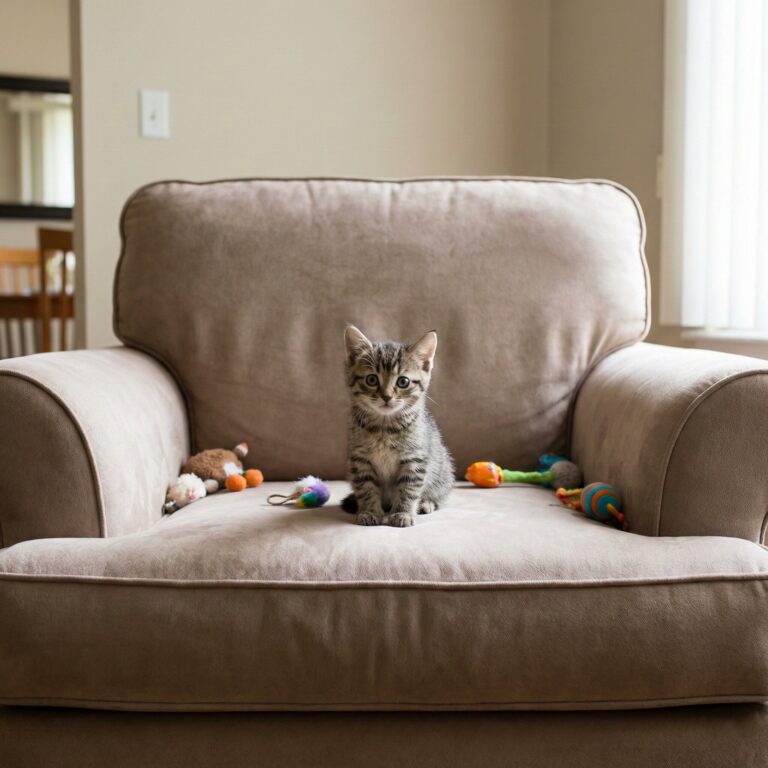
What Is Single Kitten Syndrome?

Single Kitten Syndrome (also informally known as “Tarzan Syndrome”) occurs when a kitten is raised alone without the company of other kittens or cats. Because they miss out on critical

Cats

Cost of Care: Cat vs Dog Comparison

Generally, cats are significantly cheaper to own than dogs. In 2025, the average annual cost of owning a dog ranges from $1,400 to $4,300, while a cat costs between $630

Dogs

Dog vs Cat Curiosity Compared

Dogs and cats express curiosity differently. Dogs explore boldly using their sense of smell and often look to humans for guidance. Cats explore cautiously using vision and hearing, preferring to

Cats

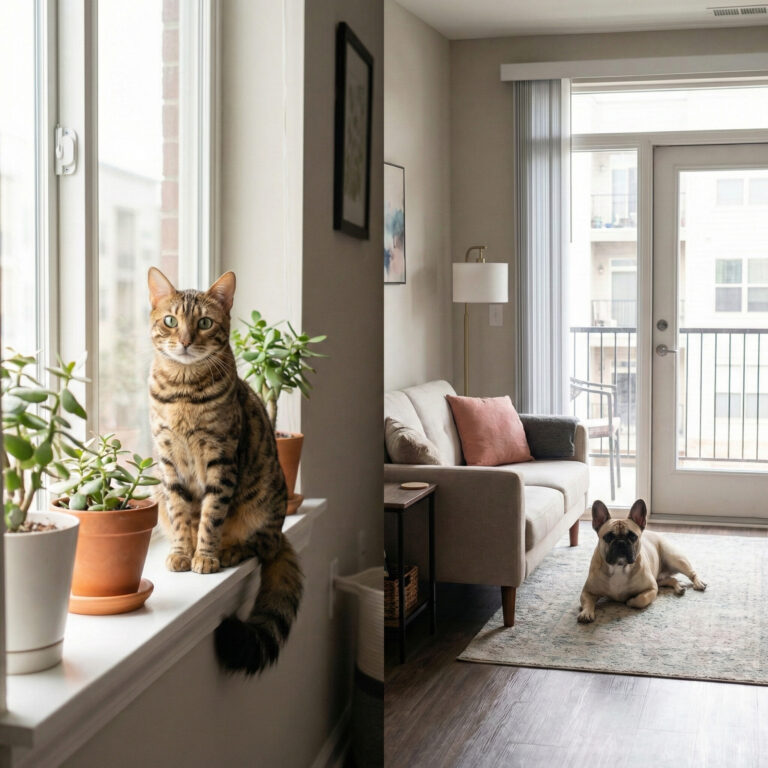
Cats vs Dogs: Which Is Better for Apartments?

For most apartment dwellers, cats are the better choice. They are quieter, require less space, and are content indoors, making them ideal for high-density living. However, small, low-energy dog breeds

Dogs

Time Commitment: Owning a Dog vs a Cat

Dogs generally require a significantly higher time commitment than cats, averaging 2 to 4 hours of active care daily. This includes walking, training, active play, and social interaction. Cats are

Dogs

Dog vs. Cat Communication Styles

Dogs and cats communicate differently due to their evolutionary history; dogs are pack animals that value social hierarchy and direct interaction, while cats are solitary hunters that prioritize subtle signals

Cats

Cats vs Dogs: Who Learns Faster?

Generally, dogs learn faster when it comes to obedience and following commands because they have been bred for thousands of years to cooperate with humans. They are motivated by social