
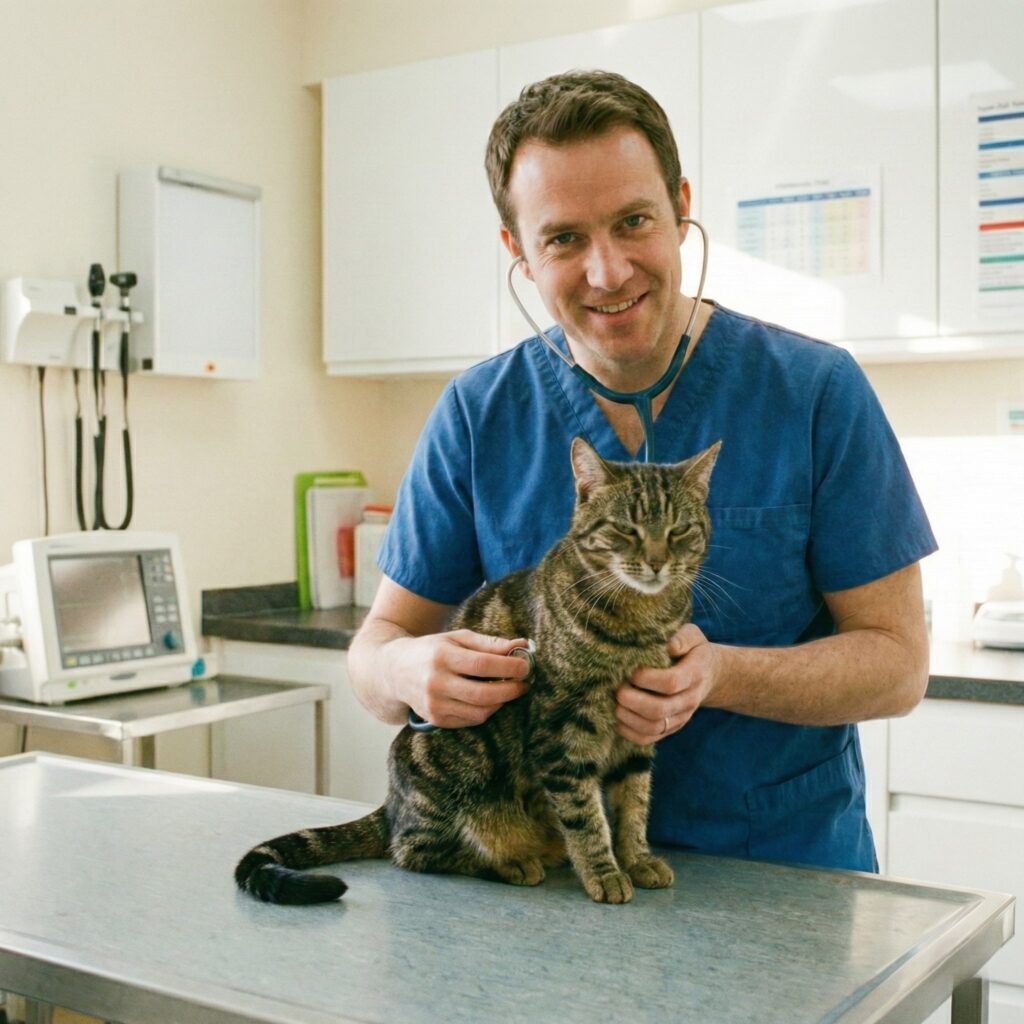
Regular veterinary visits are essential for indoor cats because they are masters at hiding pain and illness. Routine exams allow vets to detect silent killers like kidney disease, dental issues, and diabetes before they become critical. Additionally, indoor cats still require protection against parasites carried into the home on clothing and need monitoring for obesity, a common issue in sedentary pets.
Summary Table: Why Your Indoor Cat Needs Regular Vet Visits
| Health Concern | Why Indoor Cats Are at Risk | How the Vet Helps |
| Weight Management | Lack of exercise and boredom often lead to obesity and diabetes. | Calculates Body Condition Score (BCS) and creates diet plans. |
| Dental Disease | 70% of cats have gum disease by age 3, leading to organ damage. | Professional cleaning and checking for tooth resorption. |
| Hidden Illness | Cats evolved to hide pain; you may not see kidney or thyroid issues. | Blood work and urinalysis catch diseases early when they are treatable. |
| Parasites | Fleas, ticks, and heartworm mosquitoes can enter through screens or on shoes. | Prescribes monthly preventatives suited for indoor lifestyles. |
| Vaccinations | Viruses like Panleukopenia are highly contagious and can survive on surfaces. | Administers core vaccines (FVRCP) and Rabies (required by law). |
Why Regular Vet Visits Matter for Indoor Cats
Many cat owners believe that if their cat never steps a paw outside, they are safe from disease. This is a dangerous myth. While indoor cats are safe from cars and predators, they face a unique set of health challenges that require professional attention.
Cats are stoic animals. In the wild, showing weakness made them a target for predators. Today, that instinct remains. Your indoor cat will hide illness until they are physically unable to do so anymore. This makes the annual or bi-annual veterinary exam the most critical tool you have to ensure your companion lives a long, comfortable life.
Read Also: Understanding Hairballs: Causes & Prevention
The Myth of the “Safe” Indoor Environment
The most common reason owners skip vet visits is the belief that a closed door is a barrier against all illness. Unfortunately, your home is not a sterile bubble.
You enter and exit your home every day. Your shoes, clothes, and bags act as transport vehicles for viruses, bacteria, and parasite eggs.
If you have a dog that goes outside, they bring the outdoors in to your cat. Furthermore, windows with screens allow mosquitoes to enter, which carry heartworm disease, a fatal condition in cats with no cure.
Regular checkups are not just about fixing what is broken; they are about risk assessment. A veterinarian evaluates the specific environment of your home to determine what invisible threats might be putting your cat at risk.
Weight Management and the Obesity Epidemic
Obesity is the number one health threat facing indoor cats in the United States. Without the need to hunt or patrol territory, indoor cats often lead sedentary lives. This inactivity, combined with free-feeding (leaving food out all day), is a recipe for weight gain.
Why “Chonky” Isn’t Cute
Social media often glorifies overweight cats, but the medical reality is harsh. Excess fat secretes hormones that cause chronic inflammation. This puts your cat at high risk for:
- Diabetes Mellitus: Requires daily insulin injections.
- Osteoarthritis: Extra weight destroys joints, making movement painful.
- Hepatic Lipidosis (Fatty Liver Disease): A life-threatening condition that can occur if a fat cat stops eating for just a few days.
The Vet’s Role in Weight Control
You see your cat every day, so gradual weight gain is hard to notice. A vet provides an objective Body Condition Score (BCS). If your cat is overweight, the vet calculates the exact calorie count needed for weight loss.
They can prescribe prescription metabolic diets that keep the cat feeling full while burning fat, something that over-the-counter foods rarely achieve effectively.
Dental Health: The Silent Killer
Dental disease is the most overlooked aspect of feline health. By the age of three, the vast majority of cats have some form of periodontal disease.
Unlike humans, cats cannot complain about a toothache. They will continue to eat dry food even with a mouth full of rotting teeth because their survival instinct to eat is so strong.
The Dangers of Tartar and Gingivitis
When plaque hardens into tartar, it pushes under the gumline. This causes infection and separates the gum from the tooth. The bacteria involved in this process do not stay in the mouth. They enter the bloodstream and can damage the kidneys, liver, and heart valves.
Read Also: What Does It Mean When a Cat Slow Blinks?
Tooth Resorption
Cats are prone to a painful condition called tooth resorption, where the body begins to break down and absorb the tooth structure. It causes exposed nerves and excruciating pain. Visually, it might just look like a pink spot on the tooth. Only a veterinarian can identify this during an oral exam or with dental X-rays.
Early Detection of Common Feline Diseases
As cats age, their organs undergo wear and tear. Because cats hide symptoms, diseases often reach advanced stages before an owner notices something is wrong. Routine blood work and urinalysis are the window into your cat’s internal health.
Chronic Kidney Disease (CKD)
Kidney disease is a leading cause of death in older cats. The kidneys are responsible for filtering toxins from the blood. When they fail, toxins build up, making the cat feel nauseous and ill.
- The symptom gap: A cat often does not show signs of thirst or weight loss until 75% of kidney function is already lost.
- The vet advantage: Blood tests (measuring SDMA and Creatinine) can detect kidney stress months or years before physical symptoms appear. Early diet changes can slow the disease significantly.
Hyperthyroidism
This condition is caused by a benign tumor on the thyroid gland, which overproduces thyroid hormone. It acts like a gas pedal for the cat’s metabolism.
- Symptoms: Rapid weight loss despite a ravenous appetite, increased vocalization, and hyperactivity.
- Risk: If left untreated, the high metabolism overworks the heart, leading to heart failure and high blood pressure, which can cause blindness.
Feline Diabetes
Much like in humans, diabetes in cats prevents them from regulating blood sugar. Symptoms include excessive thirst and urination. A simple urine and blood test at the vet can diagnose this quickly.
Read Also: How Long Can a Cat Go Without Urinating?
Parasite Prevention Is Not Just for Outdoor Pets
There is a misconception that fleas and ticks are only a problem for animals that walk in the grass. This is false.
Fleas
Fleas are hitchhikers. They can jump onto your pants leg or ride in on a dog. Once inside, they find your cat. A single female flea can lay 50 eggs a day. Before you know it, your carpets and furniture are infested.
- Flea Allergy Dermatitis: Many cats are allergic to flea saliva. One bite can cause weeks of itching, scabs, and hair loss.
- Tapeworms: Cats ingest fleas while grooming. Fleas carry tapeworm larvae. If you see small, rice-like segments around your cat’s rear, they likely have tapeworms caused by fleas.
Heartworm Disease
Mosquitoes get into houses easily. If a mosquito carrying heartworm larvae bites your cat, the worms migrate to the lungs and heart.
- The Danger: Cats are not the natural host for heartworm, so the worms often die causing massive inflammation. This can result in HARD (Heartworm Associated Respiratory Disease).
- Sudden Death: Sadly, the first and only sign of heartworm in cats can be sudden death. There is no treatment for heartworm in cats, only prevention.
Vaccinations: Core vs. Non-Core
Even if your cat lives in a penthouse apartment, they need vaccinations. However, the vaccination protocol for an indoor cat differs from that of a barn cat.
The “Core” Vaccines
These are vaccines every cat should have because the diseases are widespread and deadly.
- Rabies: In many states and counties, Rabies vaccination is required by law, regardless of indoor status. Bats frequently enter homes through chimneys or open windows. If a bat bites your unvaccinated cat, the legal and health consequences are severe.
- FVRCP (The Distemper Shot): This combination vaccine protects against Feline Viral Rhinotracheitis (Herpesvirus), Calicivirus, and Panleukopenia. Panleukopenia (Feline Parvo) is a highly contagious, deadly virus that can survive in the environment for a year. You can track this virus into your home on your shoes.
Tailoring the Plan
Your vet will likely skip the Feline Leukemia (FeLV) vaccine for a strictly indoor adult cat who lives alone, as this requires direct contact with infected cats. This tailored approach reduces the load on your cat’s immune system while keeping them safe from realistic threats.
Senior Cat Care
Cats are considered seniors around age 7 and geriatric around age 11. As they age, their needs change drastically.
Arthritis Management
Arthritis is rampant in older cats. 90% of cats over age 12 have evidence of arthritis on X-rays. However, they don’t limp. They simply stop jumping up on high places or hesitate before using the litter box.
Owners often mistake this for “slowing down.” A vet can prescribe safe pain management (like Solensia) that can restore your cat’s mobility and quality of life.
Read Also: Why Do Cats Hide When They’re Sick
Blood Pressure Checks
High blood pressure (hypertension) is common in older cats, usually secondary to kidney or thyroid issues. It is a “silent killer” that can cause retinal detachment, leaving the cat suddenly blind. Routine checks prevent this tragedy.
Behavioral Health and Stress
Veterinarians are not just for physical ailments; they are animal behaviorists. Mental health is a major component of an indoor cat’s well-being.
Litter Box Issues
Urinating outside the box is the number one behavioral reason cats are surrendered to shelters. Often, owners think the cat is acting out of spite.
- Medical Causes: A vet will first rule out crystals, bacterial infections, or bladder stones.
- Behavioral Causes: If the issue is stress (Idiopathic Cystitis), the vet can help you identify triggers like inter-cat aggression, poor litter box placement, or lack of resources.
Enrichment
Indoor cats can suffer from boredom. A vet can recommend environmental enrichment strategies, like food puzzles, vertical climbing spaces, and pheromone diffusers, to keep your cat mentally stimulated and happy.
Conclusion
Skipping the vet because your cat “looks fine” is a gamble with their health. By the time an indoor cat shows clinical signs of illness, the disease is often advanced and more expensive to treat.
Regular exams are an investment. They save money in the long run by preventing emergencies, and more importantly, they save your cat unnecessary suffering. Your indoor cat relies on you to be their advocate. Scheduling that annual appointment is the best way to say “I love you” to your feline friend.