
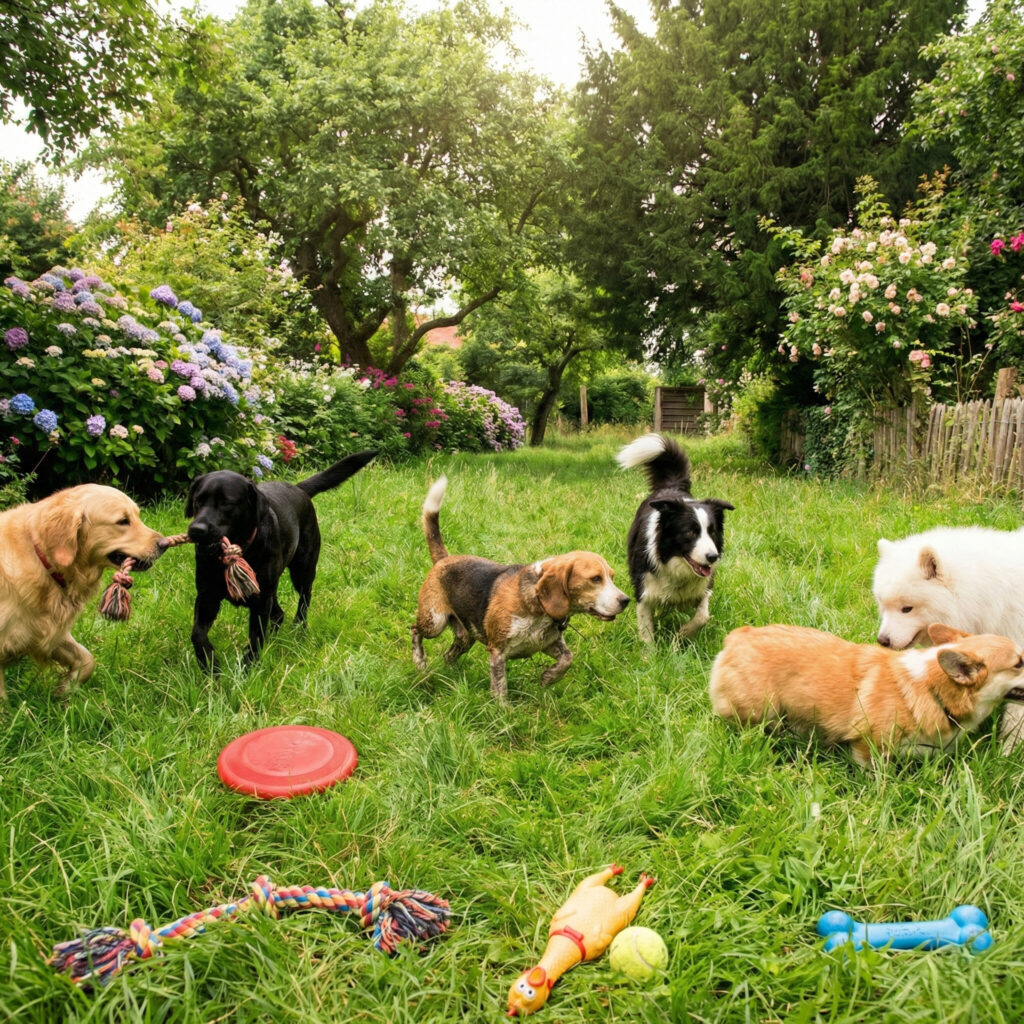
Regular exercise helps dogs maintain a healthy weight, strengthens their heart and muscles, and improves digestion. Beyond physical health, it reduces anxiety and destructive behavior by providing essential mental stimulation. Daily activity also strengthens the bond between you and your pet, ensuring a longer, happier life.
Summary Table
| Benefit Category | Key Advantages |
| Physical Health | Prevents obesity, improves cardiovascular health, strengthens joints and muscles. |
| Mental Wellbeing | Reduces anxiety, prevents boredom, decreases destructive behaviors (chewing, digging). |
| Socialization | Improves interaction with other dogs and people, builds confidence. |
| Owner Connection | Strengthens the trust and bond between dog and owner. |
| Digestion | Aids in regular bowel movements and prevents constipation. |
Why Regular Exercise Is Crucial for Dogs
Most dog owners know that walking their dog is important, yet many underestimate just how vital consistent physical activity is for a canine’s overall well-being. It is not just about letting them do their business outside; it is a fundamental requirement for their physical survival and mental stability.
Without it, dogs can suffer from serious health complications and develop severe behavioral issues that make life difficult for both the pet and the owner.
Read Also: How to Spot Pain in Dogs That Don’t Cry?
This guide details exactly why exercise is non-negotiable for your furry friend, how it impacts their biology, and how to tailor activities to their specific needs.
The Physical Health Benefits of Exercise
Just like humans, dogs need to move to keep their bodies functioning correctly. A sedentary lifestyle is one of the leading causes of premature death in pets.
Combatting Canine Obesity
Obesity is an epidemic in the pet world. An overweight dog faces a much higher risk of diabetes, heart disease, and respiratory issues. Excess weight puts unnecessary strain on their internal organs.
Regular cardio activity burns calories and keeps their metabolism active.
- Calorie Burn: running and playing fetch burns off excess food intake.
- Metabolic Health: Active muscles regulate blood sugar levels better than inactive ones.
Joint and Muscle Strength
It might seem contradictory, but movement is often the best medicine for joints. Strong muscles support the skeletal system. When a dog exercises, they build the muscle mass needed to protect their hips, knees, and spine.
- Arthritis Prevention: Keeping joints moving keeps them lubricated.
- Core Strength: A strong core protects the dog’s back, especially in breeds prone to spinal issues like Dachshunds.
Digestive Health
Movement aids digestion. A dog that lies around all day is more likely to suffer from constipation and irregular bowel movements. Physical activity stimulates the muscles in the digestive tract, helping food move through the system efficiently.
Read Also: What Causes Separation Anxiety in Dogs?
Mental Stimulation and Behavioral Health
A tired dog is a good dog. This is a common saying among dog trainers for a reason. Many behavioral problems that owners face are actually symptoms of pent-up energy and boredom.
Reducing Anxiety and Stress
Exercise releases endorphins in your dog’s brain. These are natural chemicals that make them feel happy and relaxed. If your dog suffers from separation anxiety or general nervousness, a long run or vigorous play session can act as a natural stress reliever.
Eliminating Destructive Behavior
When a dog has too much energy and nowhere to direct it, they will find their own entertainment. Unfortunately, this often includes:
- Chewing furniture or shoes.
- Excessive barking.
- Digging holes in the backyard.
- Aggressive play biting.
By providing a structured outlet for this energy, you remove the urge for them to destroy your home. They will be too tired and content to chew on your baseboards.
Improving Sleep Patterns
If your dog paces at night or wakes you up early, they might not be tired enough. Intense activity during the day helps regulate their circadian rhythm, leading to deeper, more restorative sleep for them (and you).
Read Also: Signs Your Dog Is Stressed
Socialization and Bonding
Exercise often happens outside the home, which provides critical opportunities for socialization.
Building Confidence
Exposure to the world is vital. When you walk your dog, they encounter new smells, sights, noises, and surfaces. This exposure desensitizes them to distractions and builds confidence. A confident dog is less likely to be fear-aggressive or skittish.
Interaction with Others
Dog parks and group walks allow your pet to learn dog-to-dog communication. They learn social cues, boundaries, and how to play appropriately. This is essential for preventing aggression toward other animals.
Strengthening the Owner-Dog Bond
Playing fetch, going for a run, or training requires interaction. You are working together. This shared time builds trust. Your dog looks to you for direction and fun, reinforcing your role as their leader and provider of good things.
Exercise Needs by Age and Breed
Not all dogs need the same amount of exercise. Treating a Bulldog like a Border Collie can be dangerous. You must tailor the activity to the dog.
Puppies
Puppies have bursts of high energy followed by sudden naps. Their bones are still growing, so forced, repetitive exercise (like long runs on pavement) can be harmful.
- Focus: Short, frequent play sessions.
- Activity: Free play in the yard, short walks, and socialization games.
- Caution: Avoid high-impact jumping until growth plates close.
Adult Dogs
This is the prime time for activity. Most healthy adult dogs need at least 30 to 60 minutes of exercise daily.
- High Energy Breeds (Huskies, Shepherds, Collies): Need 1-2 hours of vigorous activity. They often require a “job” to do, like agility training or hiking.
- Low Energy Breeds (Bulldogs, Basset Hounds): 30 minutes of walking is often sufficient.
Senior Dogs
Older dogs still need to move to keep their joints from stiffening, but the intensity must drop.
- Focus: Low-impact, consistent movement.
- Activity: Swimming (excellent for arthritis) and slow sniff-walks.
- Caution: Watch for signs of fatigue or pain.
Read Also: Why Do Dogs Circle Before Lying Down?
Types of Beneficial Exercise
Mixing up activities keeps your dog interested and engages different muscle groups.
Daily Walks
The staple of dog ownership. It provides a baseline of cardio and mental stimulation through sniffing (often called “sniffaris”).
Hiking and Trail Running
Great for high-energy breeds. The uneven terrain strengthens stabilizer muscles and improves balance.
Swimming
One of the best exercises available. It provides high resistance for muscle building with zero impact on the joints. This is ideal for obese dogs or those with arthritis.
Fetch and Frisbee
Sprinting exercises like fetch are great for interval training. They get the heart rate up quickly and tire a dog out faster than a steady walk.
Agility Training
This combines physical exertion with intense mental focus. Navigating tunnels, jumps, and weave poles creates a sharp mind and a fit body.
Read Also: How Aging Affects Dogs
Signs Your Dog Needs More Exercise
How do you know if you aren’t doing enough? Your dog will usually tell you through their body language and behavior.
- Weight Gain: You cannot feel their ribs easily.
- Hyperactivity: Zoomies inside the house constantly.
- Attention Seeking: Pawing at you, whining, or barking for no apparent reason.
- Stiffness: Trouble getting up after a nap (ironically, lack of movement makes stiffness worse).
- Rough Play: Nipping or jumping on people excessively.
Safety Considerations
While exercise is crucial, it must be done safely.
Temperature Awareness
Dogs do not sweat like humans; they pant. In hot weather, heatstroke is a genuine risk.
- Avoid: Mid-day heat. Walk early morning or late evening.
- Test: Place your hand on the pavement. If it is too hot for your hand for 5 seconds, it is too hot for their paws.
Hydration
Always carry water on long walks or hikes. Dehydration can happen quickly, especially during vigorous play.
Knowing When to Stop
Some dogs, especially working breeds, will run until they collapse. It is your job to regulate them. If you see excessive panting, lagging behind, or limping, stop immediately.
Conclusion
Regular exercise is the single most effective preventative medicine you can give your dog. It manages their weight, protects their joints, calms their mind, and strengthens your relationship.
By understanding your specific dog’s needs based on their breed, age, and health status, you can create a routine that ensures they live a long, happy, and healthy life. Do not view the daily walk as a chore; view it as an investment in your best friend’s future.