
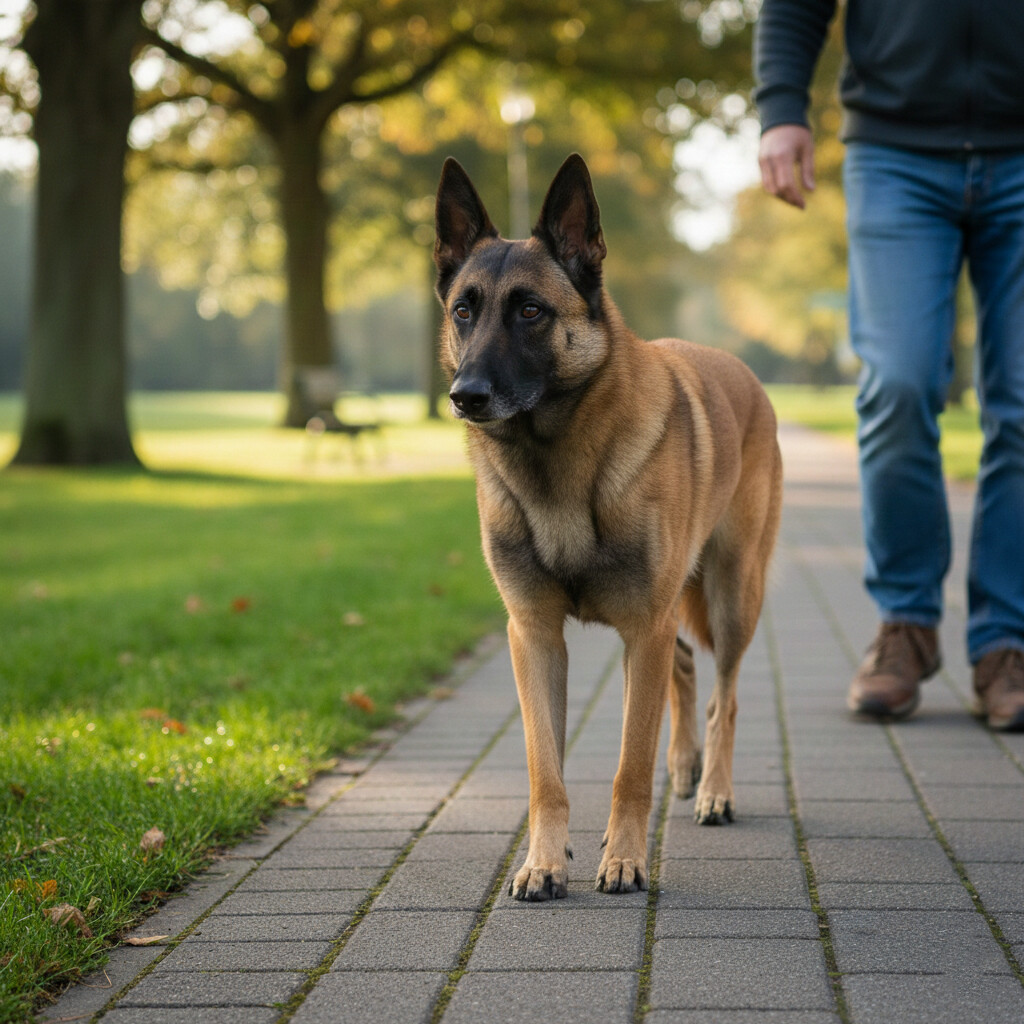
Dogs limp due to a wide variety of causes ranging from minor issues like a thorn in the paw or a muscle strain to serious conditions like arthritis, ligament tears (CCL), fractures, or bone cancer. You should worry and seek immediate veterinary care if the limp is non-weight-bearing, accompanied by extreme pain, bleeding, or dragging of the limb. For mild limping without other symptoms, strict rest for 24 hours is often the first step before consulting a vet.
Summary Table: Common Causes of Limping in Dogs
| Cause | Type of Onset | Urgency Level | Common Symptoms |
| Paw Injury | Sudden | Low to Medium | Licking paw, visible cut, thorn, or burn on pads. |
| Sprain/Strain | Sudden | Medium | Limping after exercise, mild swelling, tenderness. |
| Arthritis | Gradual | Low (Manageable) | Firm swelling, history of a slight limp becoming severe. |
| CCL Tear | Sudden | High | Holding leg up, sitting with leg out, swelling inside knee. |
| Fracture | Sudden | Emergency | Non-weight bearing, visible deformity, extreme distress. |
| Lyme Disease | Sudden/Shifting | Medium | Fever, lethargy, “walking on eggshells,” shifting limp. |
| Osteosarcoma | Gradual to Sudden | High | Firm swelling, history of slight limp becoming severe. |
Why Dogs Limp and When to Worry
Seeing your dog limp is stressful. Our canine companions cannot tell us exactly where it hurts or how bad the pain is. In veterinary terms, limping is called “lameness.” It is not a disease itself but a symptom of an underlying problem.
The limp happens because your dog is trying to reduce the amount of weight they put on a painful area. By altering their gait, they minimize pressure on the injury. To figure out why your dog is limping, you first need to categorize the limp.
- Sudden Onset: The dog was fine one minute and limping the next. This usually indicates trauma or injury.
- Gradual Onset: The limp started slowly and has gotten worse over weeks or months. This usually points to chronic disease or degeneration.
Read Also: How to Check Your Dog’s Vital Signs at Home
Check the Paws (The Most Common Culprit)
Before you panic about surgery or serious diseases, look at your dog’s paws. The paws are the tires of the dog’s body; they take the most abuse. A large percentage of sudden limping is caused by something simple stuck in the foot.
How to Inspect a Paw?
- Gently lift the limping leg.
- Spread the toes apart and look between them.
- Check the main paw pad and the toe pads for cuts or scrapes.
- Look for foreign objects like burrs, thorns, glass, or ticks.
- Feel for heat or swelling.
- Check the toenails. A torn or ingrown nail is incredibly painful.
If you find a thorn or a small cut, you can often treat this at home with simple cleaning and rest. However, deep cuts or embedded glass require a vet visit to prevent infection.
Common Causes of Sudden (Acute) Limping
If your dog goes out to play fetch and comes back hopping on three legs, you are dealing with an acute injury.
Soft Tissue Injuries (Sprains and Strains)
Just like humans, dogs can pull a muscle or sprain a ligament. This often happens after vigorous exercise, slipping on ice, or jumping out of a car awkwardly. The dog may whine when it happens, but might still try to walk on the leg. These usually resolve with rest and anti-inflammatory medication prescribed by a vet.
Cranial Cruciate Ligament (CCL) Tears
This is one of the most common orthopedic injuries in dogs. It is the canine equivalent of an ACL tear in humans. The CCL stabilizes the knee (stifle joint). When it tears, the shin bone slides forward relative to the thigh bone, causing instability and pain.
Signs of a CCL injury:
- Sudden refusal to put weight on a back leg.
- Sitting with the injured leg stuck out to the side.
- Swelling on the inside of the knee.
- A clicking sound when walking (sometimes).
Trauma and Fractures
Car accidents, falls from heights, or getting stepped on can cause broken bones. A fracture is usually obvious. The dog will not put the leg down at all. The leg may dangle at an unnatural angle, and there will be significant swelling. This is a medical emergency.
Common Causes of Gradual (Chronic) Limping
If your dog seems stiff in the mornings or has developed a hitch in their step over several weeks, the cause is likely chronic.
Osteoarthritis
Key signs of Arthritis:
- Morning Stiffness: The dog moves slowly when waking up but “warms out of it” after moving around.
- Reluctance to Jump: They stop jumping on the couch or into the car.
- Behavioral Changes: Irritability or sleeping more than usual.
- Licking Joints: You may notice saliva stains over the wrist or knee joints.
Hip Dysplasia
This is a genetic condition where the hip joint doesn’t fit together perfectly. Instead of gliding smoothly, the ball and socket grind against each other.
While often associated with large breeds like German Shepherds and Labradors, it can affect any dog. Symptoms can start while the dog is still a puppy or develop later in life as arthritis sets in.
Bone Cancer (Osteosarcoma)
This is a scary diagnosis, but it is a reality for large-breed dogs. Osteosarcoma is an aggressive bone tumor. It often forms near the knee or the shoulder.
The limp starts mild but becomes severe very quickly. You might feel a firm, hard swelling on the bone just above the wrist or knee. If you find a hard lump on the bone, see a vet immediately.
Tick-Borne Diseases
Lyme disease, transmitted by ticks, can cause joint inflammation. A classic sign of Lyme disease is a “shifting leg lameness.” The dog may limp on the front right leg one day, seem fine the next, and then limp on the back left leg later. This is accompanied by fever and lethargy.
Read Also: Understanding Dog Vaccinations
When to Worry: The Emergency Checklist
Not every limp requires a midnight trip to the emergency clinic. However, knowing the difference between “wait and see” and “go now” is vital.
Go to the Vet Immediately (Emergency) If:
- Non-Weight Bearing: The dog is holding the leg up entirely and refuses to touch it to the ground.
- Extreme Distress: The dog is crying, whining, trembling, or hiding.
- Visible Trauma: There is heavy bleeding, a bone sticking out, or the limb is bent at the wrong angle.
- Dragging the Leg: If the dog is dragging a foot (scuffing the knuckles), this could indicate a neurological issue like a slipped disc or spinal stroke.
- Hot Swollen Limb: If the leg feels very hot to the touch and is swollen, it could be a severe infection or abscess.
Make an Appointment (Within 24 Hours) If:
- The limp has lasted more than 24 hours.
- There is a known history of arthritis that seems to be getting worse.
- The dog is eating and drinking but is less active.
- There is a small cut or broken nail that you cannot treat at home.
Wait and Rest (Home Care) If:
- The limp is mild (the dog is still using the leg).
- The dog is acting normal otherwise (eating, playing, not crying).
- You can find no visible injury on the paw or leg.
- Note: “Wait and Rest” means strict confinement. No walks, no jumping, potty breaks on a leash only.
What to Expect at the Vet
When you bring a limping dog to the veterinarian, the process follows a logical structure to pinpoint the injury.
1. Gait Analysis
The vet will watch your dog walk and trot. They are looking for head bobs (the head goes UP when the painful leg hits the ground) and hip hikes to identify which leg is hurting.
2. Orthopedic Exam
The vet will manipulate every joint in the leg, from the toes to the spine. They are checking for:
- Range of motion (how far the joint bends).
- Crepitus (a crunchy feeling inside the joint).
- Pain response (does the dog pull away?).
- Instability (the “drawer sign” test for CCL tears).
3. Diagnostic Imaging
If the physical exam isn’t conclusive, or if a fracture/tumor is suspected, X-rays (radiographs) are the next step. X-rays show bones well, but are not great for soft tissue. If a tendon or ligament issue is suspected, the vet might recommend an Ultrasound or MRI.
4. Blood Work
If the vet suspects Lyme disease or an infection, they will draw blood to check for antibodies or elevated white blood cell counts.
Read Also: How Weather Changes Affect Dog Health?
Treatment Options: How to Fix the Limp
The treatment depends entirely on the diagnosis.
For Soft Tissue Injuries
- Rest: Strictly limiting movement is the most important factor.
- NSAIDs: Non-Steroidal Anti-Inflammatory Drugs (like Carprofen or Meloxicam) reduce pain and swelling. Warning: Never give human painkillers like Tylenol or Ibuprofen to dogs; they can be toxic.
For Arthritis
- Weight Management: Keeping your dog slim is the best treatment for joint pain.
- Supplements: Glucosamine and Chondroitin help support cartilage health.
- Pain Management: Long-term use of dog-safe pain meds.
- Physical Therapy: Hydrotherapy (water treadmill) builds muscle without straining joints.
For CCL Tears
- Surgery: For most dogs, especially larger ones, surgery (like TPLO or TTA) is required to stabilize the knee.
- Conservative Management: Small dogs under 15 lbs may recover with rest and a knee brace, but surgery is usually preferred.
For Fractures
- Splinting/Casting: For simple breaks.
- Surgery: Pins, plates, and screws are often needed for complex fractures.
Prevention: Keeping Your Dog Sound
While you can’t prevent every accident, you can lower the risks of lameness significantly.
1. Weight Control
Obesity is a massive contributor to limping. Extra weight puts immense strain on joints and ligaments, increasing the risk of CCL tears and speeding up arthritis. If you can’t feel your dog’s ribs easily, they may need a diet.
2. Paw Care
Keep toenails trimmed short. Long nails change the angle of the foot, stressing the joints. In winter, use paw wax to protect against ice and salt. In summer, avoid hot pavement to prevent burns.
3. Consistent Exercise
“Weekend Warriors”, dogs that sleep all week and run hard on Saturday, are prone to injury. Daily, moderate exercise builds strong muscles that protect the joints.
Conclusion
Limping is your dog’s way of asking for help. While it is frightening to see your best friend in pain, remaining calm and assessing the situation is the best way to help them. Always start by checking the paws. If the limp is severe or persists despite rest, professional veterinary help is essential. Early diagnosis often leads to a faster, cheaper, and less painful recovery.