
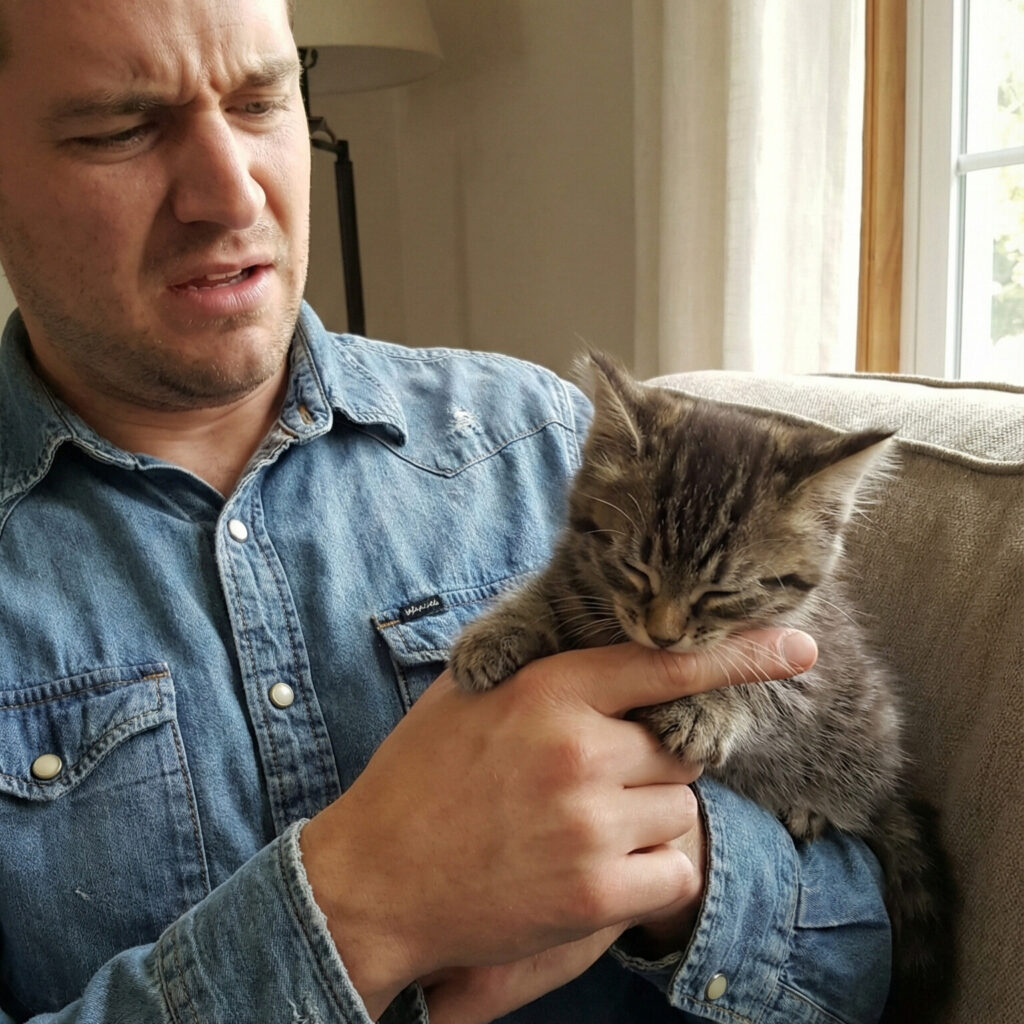
Kittens bite primarily due to teething discomfort, predatory play instincts, and a lack of bite inhibition. Between 2 weeks and 7 months, kittens explore the world with their mouths and practice hunting skills. To stop this behavior, avoid rough play with hands, use toys for redirection, ensure they have a playmate (to prevent Single Kitten Syndrome), and consistently use a high-pitched “ouch” to signal pain, followed by ignoring the kitten to teach boundaries.
Summary Table
| Key Factor | Details |
| Primary Causes | Teething, Predatory Play, Overstimulation, Fear, Boredom |
| Teething Age | Starts around 3 weeks; permanent teeth appear at 3-6 months |
| Best Solutions | Redirection to toys, “Ouch” method, Interactive play sessions |
| What to Avoid | Using hands as toys, Physical punishment, Yelling |
| Training Goal | Teach “Bite Inhibition” (control jaw pressure) |
| When to Worry | Biting accompanied by hissing, growling, or breaking skin deep |
The Reality of Raising a Predator
Owning a kitten is an exciting journey filled with purrs and playful antics, but it often comes with a painful downside: sharp needle-like teeth sinking into your fingers and toes. If you are struggling with a biting kitten, you are not alone. It is one of the most common behavioral complaints among new cat owners. To solve this, we must first understand that your kitten is not trying to hurt you. They are a tiny predator driven by biology to hunt, capture, and “kill.”
In the wild, these instincts ensure survival. In your living room, they result in scratched ankles. By understanding the root causes of this behavior, ranging from dental development to social learning, you can effectively train your kitten to interact gently.
This guide covers the biological reasons behind the biting and provides actionable, force-free training methods to stop it.
Read Also: Common Kitten Behavior Problems and Solutions
Why Kittens Bite: The Biological Drivers
To stop the biting, you must identify the specific trigger. Biting is rarely random; it is a communication tool or a developmental necessity.
1. The Teething Phase
Just like human babies, kittens go through a painful teething process.
- Deciduous Teeth: Baby teeth emerge around 2 to 4 weeks of age.
- Permanent Teeth: Adult teeth begin pushing through around 3.5 to 4 months.
- The Sensation: The pressure of new teeth erupting causes sore, itchy gums. Chewing provides relief.
- The Sign: You might notice your kitten drooling slightly, eating less, or obsessively chewing on cardboard, cords, or your fingers.
2. Predatory Play Instincts
Cats are obligate carnivores and ambush predators. Their play is almost exclusively a rehearsal for hunting.
- Stalking: Hiding behind furniture and pouncing on passing feet.
- Capture: Grabbing your hand with front paws and biting.
- Bunny Kicking: Holding onto your arm while kicking with back legs (a maneuver designed to disembowel prey).
- The Mistake: When you wiggle your fingers to play, you mimic the movement of injured prey, triggering their “kill bite” instinct.
3. Lack of Bite Inhibition
Bite inhibition is the ability to control the force of a bite. Kittens learn this naturally from their mother and littermates.
- The Lesson: If a kitten bites a sibling too hard during wrestling, the sibling yelps and stops playing.
- The Result: The biter learns that hard bites = end of fun.
- The Problem: Kittens separated from their litter too early (before 8-10 weeks) or raised alone often miss this critical lesson. They do not realize their teeth hurt human skin, which is much thinner than fur-covered cat skin.
4. Overstimulation (Petting Aggression)
This occurs when a cat goes from enjoying affection to biting your hand in seconds.
- The Threshold: Every cat has a tolerance limit for touch. Repetitive stroking can create static electricity or over-sensitize the nerve endings in their skin.
- The Reaction: The bite is a reflex to make the sensation stop.
- Warning Signs: Watch for a twitching tail, flattened ears, dilated pupils, or skin rippling on their back before the bite happens.
Developmental Stages of Biting
Understanding your kitten’s age helps predict their behavior.
Neonatal to Weaning (0 – 8 Weeks)
Biting is purely exploratory. They mouth objects to understand texture and taste. Social play with littermates begins, establishing the foundation of bite inhibition.
The Socialization Period (2 – 7 Weeks)
This is the critical window where kittens learn to accept handling. If they are not handled gently by humans during this time, they may bite out of fear later in life.
Juvenile Phase (3 – 6 Months)
This is the peak “rowdy” phase. Teething is in full force, and energy levels skyrocket. This is when “play aggression” is most intense. They are testing boundaries and their physical capabilities.
Adolescence (6 – 18 Months)
Hormonal changes (if unaltered) and a desire for social ranking can increase assertiveness. Biting here might be more territorial or demand-based if boundaries were not set earlier.
Single Kitten Syndrome
“Single Kitten Syndrome” is a recognized phenomenon in behavioral science. A kitten raised without a feline companion often develops behavioral issues, including excessive biting and scratching.
- The Reason: Humans cannot replicate the rough-and-tumble play of another cat. We cannot bite them back to teach them limits.
- The Outcome: The kitten becomes bored and under-stimulated, turning their human into a giant chew toy.
- The Fix: Adopting two kittens (littermates) is often easier than one. They wear each other out and teach each other bite restraint, saving your hands in the process.
How to Stop Kitten Biting: Step-by-Step Solutions
You cannot suppress the instinct to bite, but you can redirect it. Use these positive reinforcement techniques.
1. The “Ouch” and Ignore Method
This replicates the feedback they would get from a littermate.
- Step 1: The moment teeth touch your skin, make a high-pitched “Ouch!” or “Eek!” sound. Do not scream aggressively; just make a sharp noise to startle them.
- Step 2: Go completely limp. Do not pull your hand away quickly, as this mimics prey trying to escape and triggers the chase instinct.
- Step 3: Stand up and walk away. Ignore the kitten for 30 to 60 seconds.
- Step 4: Return and offer a toy. If they bite the toy, praise them.
- Consistency is Key: Everyone in the household must use the exact same sound and reaction.
2. Master the Art of Redirection
Never let your kitten associate hands with play.
- The Rule: Hands are for petting and holding, never for wrestling.
- The Action: Keep toys in every room. If your kitten looks like they are about to pounce (dilated eyes, butt wiggle), immediately toss a toy in the opposite direction.
- Toy Types:
- Wand Toys: These keep your hands far away from the claws and allow the kitten to jump and chase.
- Kicker Toys: Large, soft toys they can bunny-kick and wrestle with.
- Chew Toys: Rubber or mesh toys specifically designed for teething relief.
3. Interactive Play Schedules
A tired kitten is a good kitten. Pent-up energy often manifests as aggression.
- Frequency: Aim for three to four 15-minute play sessions per day.
- Timing: Play before meals. This mimics the natural “Hunt-Catch-Kill-Eat-Groom-Sleep” cycle of a wild cat.
- Technique: Move the toy like prey. Make it hide behind boxes, scurry away, and freeze. Allow the kitten to catch the “prey” occasionally to prevent frustration.
4. Addressing Overstimulation
If your kitten bites while being petted, you must change your approach.
- Observe Body Language: Stop petting before they bite. Look for the tail flick.
- Limit Touch: Focus petting on “safe zones” like the cheeks and chin. Avoid the belly and base of the tail, which can be over-stimulating.
- Keep it Short: Pet for a few seconds, then stop. Let the kitten ask for more.
Read Also: What Does It Mean When a Cat Growls?
Environmental Enrichment
Boredom is a massive contributor to destructive biting. If a kitten has nothing to do, they will create their own fun (usually at your expense).
Vertical Space
Cats need to climb. Install cat trees, window perches, or shelves. Being high up allows them to survey their territory and feel secure, reducing anxiety-induced biting.
Puzzle Feeders
Stop feeding your kitten from a bowl. Use puzzle toys or slow feeders. This forces them to use their brain and paws to “hunt” for their kibble, burning off mental energy that would otherwise be directed at your ankles.
Solo Play Toys
Rotate their toys. If a toy is on the floor for weeks, it is “dead” prey and boring. Put toys away and bring out different ones every few days to keep them novel and exciting.
What NOT To Do
Common discipline methods often make the problem worse because cats do not understand punishment the way dogs or humans might.
- No Rough Play: Never use your bare hands to wrestle. It teaches the kitten that human skin is a durable toy.
- No Physical Punishment: Hitting, tapping the nose, or pinning the kitten down induces fear. A fearful cat will bite more to defend itself.
- No Yelling: Loud angry voices can cause anxiety. The kitten will not learn “no”; they will just learn that you are scary and unpredictable.
- Avoid Squirt Bottles: This is an outdated method. It teaches the cat to fear the bottle (and you), but it doesn’t teach them what appropriate behavior is. They will likely just wait until you don’t have the bottle to bite again.
When to Seek Professional Help
While most kitten biting is normal play or teething, some behaviors indicate a deeper issue.
Signs of True Aggression
- Growling or hissing while biting.
- Ears pinned strictly backward (not just sideways).
- Biting that breaks skin deeply and unprovoked.
- Stiff body posture with hackles raised (fur standing up).
If you see these signs, consult a veterinarian to rule out pain or illness. If medical issues are cleared, a certified animal behaviorist can help address fear-based aggression or resource guarding.
Frequently Asked Questions
How long does the biting phase last?
The most intense biting usually happens during teething (3 to 6 months). With consistent training, most kittens grow out of frequent biting by their first birthday.
Why does my kitten bite my nose?
This is often an attempt at social grooming or affection (“love bites”), or simply curiosity about the texture of your face. Gently redirect them to a toy.
Can I give my kitten ice cubes for teething?
Yes. An ice cube can soothe inflamed gums. You can also freeze a wet washcloth (infused with a little low-sodium chicken broth) for them to chew on.
Does neutering help with biting?
Neutering reduces hormone-driven aggression and roaming instincts, which can calm a kitten down, but it is not a cure-all for play biting. Training is still required.
Conclusion
Stopping a kitten from biting requires patience, consistency, and a good supply of toys. Remember that this is a developmental phase. By providing appropriate outlets for their predatory energy (toys), soothing their teething gums, and teaching bite inhibition through the “ouch” method, you will guide your kitten into becoming a gentle, well-mannered adult cat.
Take the time to “listen” to what your kitten’s teeth are telling you. Are they bored? Are they teething? Or are they just trying to say they have had enough petting? Answer that question, and you will solve the biting problem.