
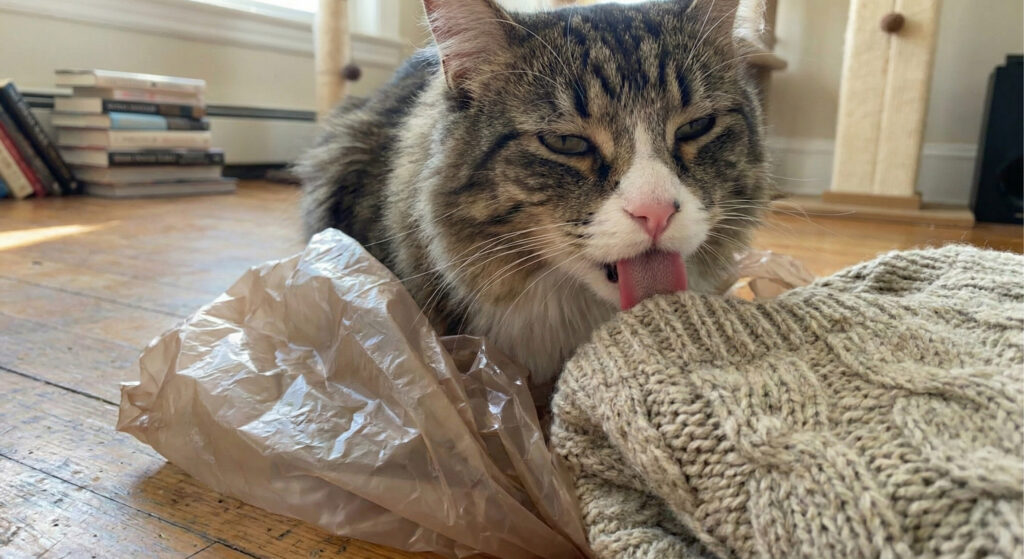
Cats lick plastic or fabrics primarily due to a condition called Pica (the urge to eat non-food items) or wool sucking. This behavior often stems from medical issues like dental pain, nausea, or nutritional deficiencies. Alternatively, it can be a behavioral response to stress, boredom, anxiety, or premature weaning. In some cases, cats are simply attracted to the texture, sound, or animal byproducts (like gelatin) found in plastic materials.
Summary Table
| Category | Potential Causes | Recommended Solutions |
| Medical | Dental disease, GI issues, Hyperthyroidism, Anemia | Full veterinary exam, blood work, dental cleaning |
| Dietary | Lack of fiber, nutritional deficiency | Switch to high-quality food, add cat grass |
| Behavioral | Stress, Anxiety, Boredom, OCD | Feliway diffusers, more playtime, routine stability |
| Developmental | Weaned too early (common in Siamese/Birman) | Provide safe “suckling” blankets, comfort |
| Sensory | Attraction to texture, crinkle sound, smell | remove items, offer alternatives like silvervine |
Why Do Cats Lick Plastic or Fabrics?
It is a sound every cat owner knows and dreads. You are trying to sleep, or perhaps watching a movie, and suddenly you hear the rhythmic crinkle-crinkle-slurp of your cat licking a plastic grocery bag. Or maybe you come home to find your favorite wool sweater damp and chewed on.
While this behavior can seem funny or just slightly annoying, it is actually a specific phenomenon in feline behavior. When a cat licks or eats non-food items, it is often referred to as Pica. When they target soft fabrics specifically, it is often called wool sucking.
Understanding why your cat does this is crucial. It isn’t just a quirky habit; it can be a sign of underlying health problems or significant emotional distress. Furthermore, it poses a serious safety risk if your cat swallows foreign materials.
Read Also: Why Do Cats Prefer High Places?
This guide will explore the medical, psychological, and sensory reasons behind this behavior and how you can stop it.
1. The Medical Causes: When to Call the Vet
Before you assume your cat is just being weird, you must rule out medical issues. Cats are masters at hiding pain. Licking odd surfaces is frequently a self-soothing mechanism to cope with physical discomfort.
Gastrointestinal Issues
If a cat feels nauseous or has an upset stomach, they may lick cool, smooth surfaces like plastic to soothe themselves. This is similar to how a human might want a cold compress when they feel sick. Conditions that cause this include:
- Inflammatory Bowel Disease (IBD)
- Intestinal parasites (worms)
- Food allergies or sensitivities
- Pancreatitis
Dental Disease
Mouth pain is a leading cause of odd oral behaviors. If a cat has a loose tooth, resorptive lesions (where the tooth breaks down), or gum disease (gingivitis), they might lick or chew on plastic or fabric to massage their gums. The texture of plastic bags or the softness of fleece can provide temporary relief from the sharp pain of a toothache.
Nutritional Deficiencies and Anemia
Decades ago, experts believed pica was caused by a lack of specific nutrients in the diet. While modern commercial cat foods are generally balanced, malabsorption issues can still lead to deficiencies.
- Anemia: Cats with anemia (low red blood count) are often observed licking concrete, clay litter, or plastic.
- Fiber deficiency: Some cats crave more roughage in their diet and try to find it in artificial materials.
Hyperthyroidism
This is common in older cats. An overactive thyroid speeds up the metabolism, making the cat ravenously hungry. They may start eating or licking anything in sight, including plastic wrappers, in a desperate attempt to satiate a hunger that food cannot fix.
2. The Behavioral and Psychological Causes
If your vet gives your cat a clean bill of health, the issue is likely in their head. Cats are emotional creatures that thrive on routine. When that routine is disrupted, or if their environment is lacking, they develop coping mechanisms.
Stress and Anxiety
Licking is a self-soothing behavior. It releases endorphins in a cat’s brain. If your cat is stressed, they may lick plastic or suck on fabrics to calm themselves down. Common stressors include:
- New pets or people in the home.
- Moving to a new house.
- Loud noises (construction, thunderstorms).
- Conflict with other cats in the household.
- Changes in your schedule (you being away more often).
Boredom and Lack of Enrichment
Indoor cats are prone to boredom. In the wild, a cat spends hours hunting, stalking, and exploring. In a house with a full food bowl and nothing to do, they create their own entertainment.
- The Sound: The crinkling sound of plastic mimics the sound of prey (like a mouse moving through dry leaves). This triggers their prey drive.
- The Texture: The mouthfeel of plastic or wool provides sensory stimulation that a bored cat craves.
Compulsive Disorders
Just like humans can suffer from Obsessive-Compulsive Disorder (OCD), cats can suffer from compulsive behaviors. This is often seen in high-energy or highly intelligent breeds like Siamese, Burmese, and Abyssinians. If the behavior is constant and difficult to interrupt, it may have crossed the line from a “habit” to a “compulsion.”
“Wool Sucking” and Early Weaning
This specific behavior is usually targeted at soft fabrics like blankets, sweaters, or carpets. It involves the cat kneading with their paws while sucking on the fabric.
- Premature Weaning: Kittens taken away from their mothers too early (before 8 weeks) often retain the nursing instinct into adulthood. They use fabric as a surrogate for their mother.
- Breed Predisposition: Oriental breeds (Siamese, Birman) are genetically predisposed to wool sucking, even if they were weaned at the correct time.
Read Also: Why Do Cats Hate Closed Doors?
2. Why Plastic Specifically?
You might wonder, “Why not the sofa or the wall? Why always the plastic bags?” There are scientific reasons why plastic is so appealing to felines.
Animal Byproducts
Many types of plastic, particularly “biodegradable” bags or grocery bags, contain slip agents made from animal fat (tallow) or fish oils. These agents prevent the bags from sticking together during manufacturing.
- Stearic Acid: A saturated fatty acid derived from animal fat often used in plastics.
- Gelatin: Sometimes used in the production of photos or shiny wrappers. Your cat’s incredible sense of smell can detect these faint traces of animal fat, making the bag smell like food.
Cornstarch
Some eco-friendly bags are made using cornstarch. Cats, while obligate carnivores, are sometimes attracted to the smell and taste of corn-based products.
Temperature and Texture
Plastic is smooth and generally stays cool. If a cat’s mouth is hot or inflamed, the cool plastic feels good against the tongue. The texture is also unique, it is resistant but yields to the tongue, which some cats find satisfying.
3. The Dangers of Licking and Chewing
While it might look harmless, this behavior carries significant risks. It is vital to address it before it leads to a medical emergency.
Intestinal Blockage (Linear Foreign Body)
If your cat swallows a piece of plastic or a strand of wool yarn, it can cause a blockage in the intestines. This is life-threatening and usually requires expensive emergency surgery.
Linear objects (like strings from a frayed blanket) are especially dangerous as they can “saw” through the intestine as the gut tries to move them along.
Choking Hazards
Small pieces of plastic handles or buttons on clothing can be bitten off and lodged in the cat’s throat.
Chemical Toxins
Plastics are not food-safe. They contain chemicals, dyes, and phthalates that are not meant to be ingested. Over time, these can be toxic to your cat’s system.
Suffocation
If a cat crawls inside a plastic bag to lick the inside and gets tangled, there is a real risk of suffocation.
Read Also: Why Do Cats Headbutt People?
How to Stop Your Cat from Licking Plastic and Fabric
Stopping this behavior requires a two-pronged approach: managing the environment to prevent access, and addressing the root cause (medical or behavioral).
Step 1: Manage the Environment (Immediate Action)
You must remove the temptation while you work on the deeper issue.
- Hide the bags: Store all grocery bags in a closed cabinet or a dispenser that is out of reach.
- Cover the laundry: Put dirty laundry in a hamper with a lid immediately. Do not leave wool sweaters lying on the bed.
- Use deterrents: If your cat licks large items you cannot hide (like a sofa), use a bitter apple spray or citrus spray (cats hate citrus) on the area to discourage them.
Step 2: Dietary Adjustments
Sometimes, simply changing what goes into your cat’s bowl can stop the craving for what shouldn’t.
- Increase Fiber: Ask your vet about adding psyllium husk or canned pumpkin to your cat’s diet to help them feel fuller.
- Change Texture: If your cat eats only dry kibble, try introducing wet food. If they eat only wet food, try dental kibble. The change in mouthfeel might satisfy their oral fixation.
- Cat Grass: Grow a pot of wheatgrass or oat grass. This gives your cat a safe, natural outlet for their urge to graze and chew on greens.
Step 3: Environmental Enrichment
If the cause is boredom, you need to make their world more exciting.
- Puzzle Feeders: Make them work for their food. This engages their hunting brain and reduces boredom.
- Vertical Space: Add cat trees or shelves. Being high up reduces stress and gives them a view of their territory.
- Interactive Play: Laser pointers are okay, but wand toys are better because the cat gets to “catch” the prey. Aim for two 15-minute sessions a day.
- Chew Toys: Provide safe alternatives for chewing, such as silvervine sticks, catnip toys, or durable rubber chew toys designed for cats.
Step 4: Reduce Stress
If anxiety is the driver, you need to calm the home environment.
- Pheromones: Use Feliway diffusers in the rooms where the cat spends the most time. These release calming synthetic pheromones.
- Routine: Try to keep feeding times and play times consistent.
- Safe Zones: Ensure the cat has a hiding spot where they are never disturbed by kids or other pets.
When to See a Behaviorist
If you have ruled out medical issues, improved their diet, enriched their home, and hidden the plastic, but the cat is still obsessively licking or chewing, you may need professional help.
A certified veterinary behaviorist can prescribe anti-anxiety medication (like fluoxetine/Prozac for cats) to help break the cycle of compulsive behavior. This is usually a last resort but can be incredibly effective for cats with severe anxiety or OCD.
Conclusion
A cat licking plastic or wool is communicating a need. Whether that need is “I have a toothache,” “I am bored out of my mind,” or “This bag tastes like fish oil,” it is up to you as the owner to decode the message.
Start with a veterinary visit to clear any health scares. Once the body is treated, treat the mind. By removing the dangerous items and replacing them with safe, fun, and tasty alternatives, you can protect your cat’s health and restore peace and quiet to your home.