
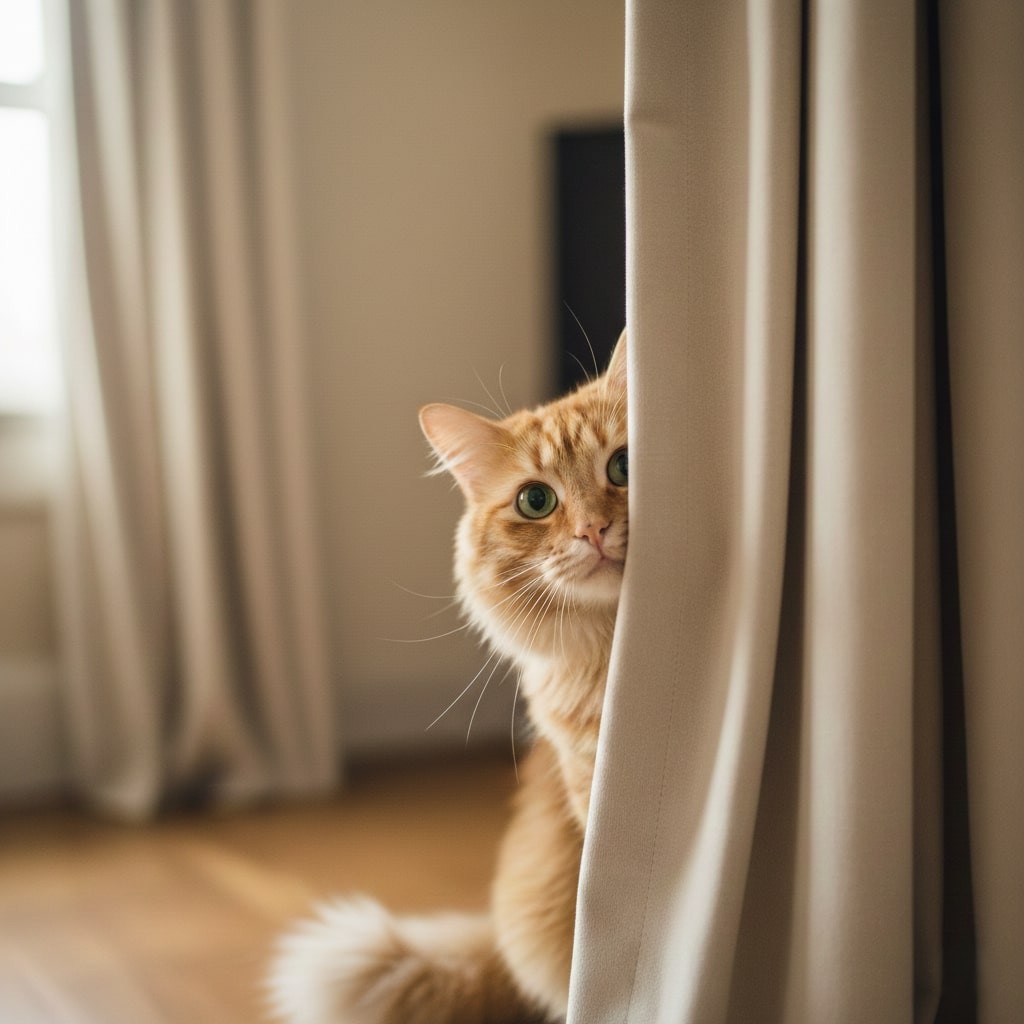
Cats hide when they are sick primarily due to their evolutionary survival instincts. In the wild, a sick or injured animal is weak and vulnerable to predators. To protect themselves, cats instinctively isolate and stay quiet to avoid drawing attention. This behavior helps them conserve energy for healing and prevents them from appearing weak to potential threats, a trait that persists even in safe, indoor house cats.
Summary Table: Feline Hiding Behavior
| Category | Key Details |
| Primary Reason | Evolutionary instinct to avoid predators while vulnerable. |
| Biological Goal | To conserve energy and mask pain (the “Poker Face”). |
| Common Spots | Under beds, inside closets, behind furniture, basements. |
| Red Flags | Refusal to eat/drink, litter box accidents, lethargy, rapid breathing. |
| When to see a Vet | If hiding lasts more than 24 hours or is accompanied by severe symptoms. |
| What NOT to do | Do not drag them out forcefully or shout; keep the environment quiet. |
Why Do Cats Hide When They’re Sick? A Complete Guide
If your usually social cat has suddenly vanished under the bed or tucked themselves into the back of a dark closet, it is natural to feel worried. Cats are creatures of habit. When that habit changes, it is often the first clue that something is wrong.
While humans often seek comfort from others when they don’t feel well, cats do the exact opposite. This comprehensive guide explores the biological, evolutionary, and behavioral reasons behind this “disappearing act,” how to spot the difference between a nap and an illness, and exactly when you need to call your veterinarian.
Read Also: Why Do Cats Bring You “Gifts”?
1. The Evolutionary Survival Instinct
To understand why your cat hides, you have to look at their history. Domestic cats (Felis catus) are descendants of wild hunters. In the animal kingdom, cats occupy a unique position: they are both predators (they hunt mice and birds) and prey (they can be hunted by coyotes, owls, or larger cats).
This dual role dictates their behavior. In the wild, showing weakness is dangerous. If a cat limps, cries out in pain, or moves slowly, they become an easy target for a larger predator. Therefore, hiding is not an emotional reaction; it is a survival mechanism.
2. The “Poker Face” of the Animal World
Veterinarians often refer to cats as having a “poker face.” They are masters at masking pain. By the time a cat actually looks sick to a human observer, they have likely been feeling unwell for quite some time.
Hiding serves two main survival functions:
- Protection: It removes them from the line of sight of potential enemies.
- Energy Conservation: Illness requires a massive amount of metabolic energy to fight. By finding a dark, quiet, and temperature-controlled spot, the cat can devote 100% of its energy to the immune system rather than staying alert to their surroundings.
3. It’s Not Just Sickness: Differentiating Stress from Illness
Before assuming your cat is physically ill, it is important to rule out environmental stress. Cats are highly sensitive to changes in their territory. Sometimes, they hide because they are anxious, not because they are sick.
Common Stress Triggers Include:
- Loud Noises: Thunderstorms, fireworks, or construction work.
- New Additions: A new baby, a new pet, or even houseguests.
- Routine Changes: Changing feeding times or moving furniture.
- Scents: Strong chemicals, perfumes, or the scent of a strange animal on your clothes.
How to tell the difference:
If the cat comes out for food and uses the litter box normally but runs back to hide immediately after, it might be fear. If the cat refuses food entirely and won’t move even for treats, it is likely physical illness.
Where Do Sick Cats Usually Hide?
When a cat feels vulnerable, they look for spots that offer protection on three sides. They want to ensure nothing can sneak up behind them.
Common Hiding Locations:
- Under the Bed: The classic spot. It is dark, smells like their owner, and is hard for humans to reach.
- Closets: Buried in laundry baskets or behind hung clothes.
- Behind Appliances: The warmth of a dryer or refrigerator can be soothing to a sick cat who cannot regulate their body temperature.
- High Perches: Top shelves or cat trees where they can survey the room without being reached.
- Basements or Garages: Cool, dark, and quiet areas away from household traffic.
Read Also: What Does It Mean When a Cat Slow Blinks?
Signs That Accompany Hiding (The Red Flags)
Since hiding alone can sometimes just mean your cat wants a nap, you must look for accompanying symptoms. These are the “Red Flags” that indicate a medical emergency rather than a mood swing.
1. Changes in Appetite and Thirst
This is the most critical indicator.
- Anorexia: If your cat has not eaten for 24 hours, this is dangerous. Cats can develop a liver condition called hepatic lipidosis (fatty liver disease) if they stop eating for even a short period.
- Dehydration: If they are ignoring the water bowl, or conversely, drinking excessive amounts of water (a sign of kidney issues or diabetes).
2. Litter Box Issues
If your cat is hiding, check the litter box.
- No clumped urine: Indicates they aren’t drinking or have a blockage (especially in male cats).
- Diarrhea or Blood: Clear signs of internal distress.
- Going outside the box: Pain (like arthritis) might make entering the box difficult, or they associate the box with the pain of urination.
3. Physical Appearance
- The Coat: A sick cat stops grooming. If their fur looks greasy, matted, or spiky, they are unwell.
- The Eyes: Look for the “third eyelid” (a membrane in the inner corner of the eye). If this is visible, the cat is fighting an illness.
- Posture: A cat in pain often sits in a “hunched” position, with paws tucked tight and head low, often facing a wall.
4. Behavioral Changes
- Aggression: A normally sweet cat may hiss or scratch if you try to touch a painful area.
- Vocalization: Some cats go silent, but others may yowl or howl, particularly seniors with confusion or high blood pressure.
Read Also: Why is My Cat Licking the Carpet?
Specific Conditions That Cause Hiding
While almost any illness can cause hiding, certain conditions are notorious for making cats retreat.
- Kidney Disease: Common in older cats. It causes nausea and general malaise, leading them to seek cool, dark places.
- Dental Pain: Tooth resorption or gum disease is agonizing. Cats with mouth pain often hide because they cannot eat and feel vulnerable.
- Urinary Tract Infections (UTI): Painful urination often causes cats to hide to escape the discomfort they associate with the litter box.
- Viral Infections: Upper respiratory infections (cat flu) cause fever and lethargy, similar to how a human feels with the flu.
The Myth: “Do Cats Go Away to Die?”
There is a long-standing myth that cats possess a spiritual knowledge of their own death and will leave their home or hide to die in peace.
The Reality:
Cats do not wander off to die; they wander off because they are dying. As their organs shut down or pain becomes unmanageable, their instinct to hide from predators goes into overdrive. They seek the safest, quietest place possible. Sadly, if they are too weak to return, they may pass away in that hiding spot. It is not a conscious choice to leave their owners; it is a biological imperative to stay safe while vulnerable.
How to Help a Hiding Cat (Home Care)
If you find your cat hiding, your immediate reaction might be to pull them out and cuddle them. However, this can increase their stress levels and make them feel more vulnerable.
Follow these steps for home care:
- Do Not Force Them Out: Unless you are immediately taking them to the vet, let them stay in their safe spot. Dragging them out destroys their sense of security.
- Bring Resources to Them: Place food, water, and a low-entry litter box near their hiding spot so they don’t have to walk far.
- Check for Dehydration: Gently pinch the skin between their shoulder blades. If it snaps back quickly, they are hydrated. If it stays “tented” or goes down slowly, they are dehydrated and need a vet.
- Monitor Temperature: Feel their ears. Very hot ears can indicate fever; very cold ears can indicate shock or poor circulation.
- Keep it Quiet: Turn off loud TVs, keep dogs away, and instruct children to leave the cat alone.
Read Also: Why Does My Cat Keep Sniffing Me?
When to Call the Vet
You do not want to rush to the ER for a simple mood swing, but waiting too long can be fatal. Use this timeline as a general guide.
Seek Immediate Emergency Care If:
- The cat is a male and is straining to urinate but producing nothing (this is a blocked urethra and is fatal within hours).
- The cat is panting (open-mouth breathing).
- There is uncontrolled bleeding or obvious broken bones.
- The cat is having seizures.
- The cat is unresponsive (won’t wake up or react to noise).
Call Your Vet Within 24 Hours If:
- The cat has not eaten for a full day.
- There is vomiting or diarrhea lasting more than a day.
- The hiding behavior is accompanied by sneezing, coughing, or eye discharge.
- The cat is drinking significantly more water than usual.
Special Rule for Kittens and Seniors:
Kittens and elderly cats have lower reserves. If a kitten or a senior cat hides and refuses one or two meals, do not wait 24 hours. Call the vet the same day.
Tips for Getting a Hiding Cat into a Carrier
One of the biggest barriers to veterinary care is the struggle of getting a scared, sick cat into a carrier.
- Top-Loading Carriers: These are much easier for sick cats. You can lower the cat in gently rather than trying to shove them through a small front door.
- The “Burrito” Method: Gently wrap the cat in a thick towel (leaving the head out) to secure their paws. This prevents scratching and makes them feel swaddled and secure while you place them in the carrier.
- Pheromones: Spray the carrier and bedding with a synthetic pheromone like Feliway 15 minutes before travel. This mimics the “happy cat” scent and helps lower their heart rate.
- Placement: Once in the car, place the carrier on the floor behind the front seat, not on the seat itself. This reduces motion sickness and makes them feel more secure.
Conclusion
A cat hiding when sick is not rejecting your love; they are following an ancient script written in their DNA to keep themselves safe. As a cat owner, your job is to be the detective. Notice the deviation in their routine, check for the physical signs of illness, and provide a quiet environment.
While cats are experts at hiding their pain, they rely on you to see through the disguise. If the hiding persists or symptoms worsen, the safety of a veterinary clinic is the only hiding spot that will truly help them recover.