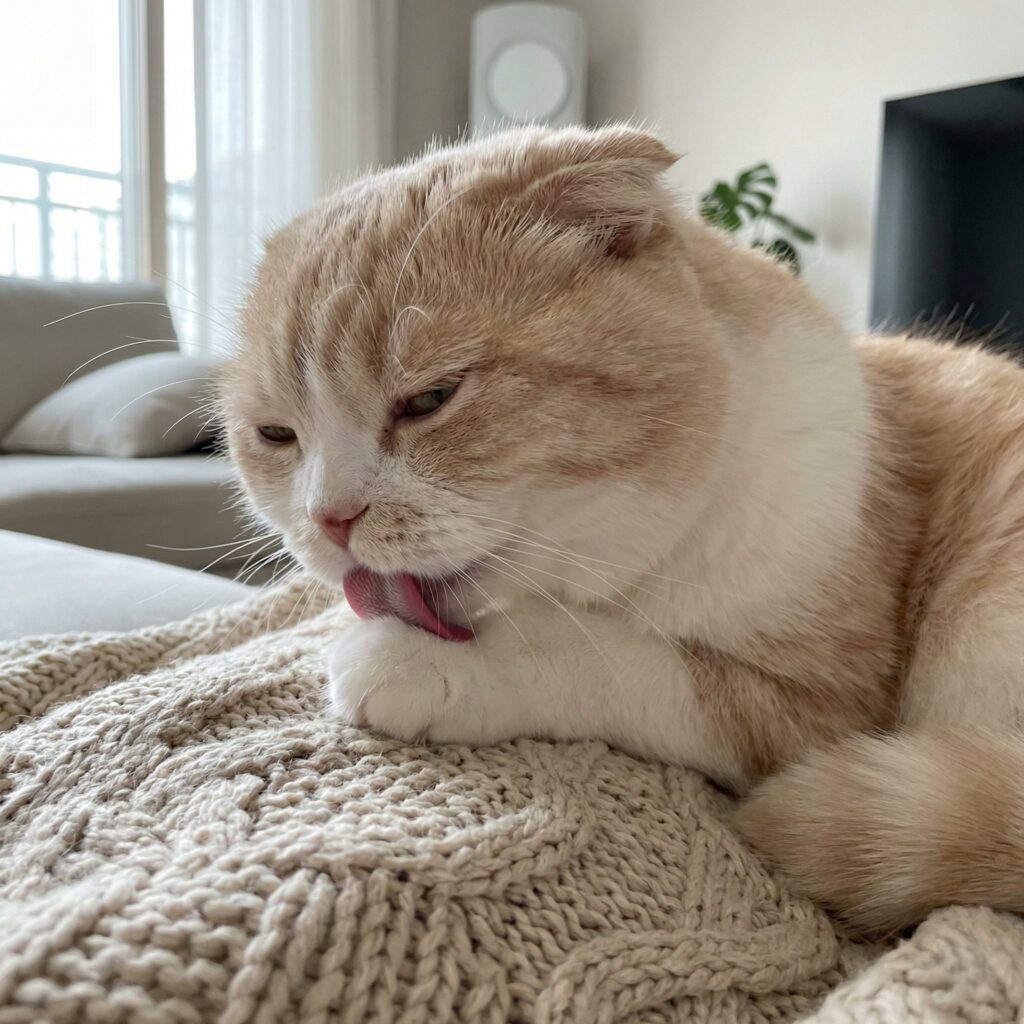
Cats groom themselves primarily to maintain hygiene, regulate body temperature, and remove scents that could attract predators. This behavior also serves as a self-soothing mechanism to reduce stress and helps distribute natural skin oils to keep their coat healthy and water-resistant. While most grooming is normal, excessive licking can indicate underlying medical issues or anxiety.
Summary Table: Why Cats Groom
| Function | Description | Primary Benefit |
| Hygiene | Removing dirt, debris, and parasites. | Cleanliness and health. |
| Cooling | Evaporating saliva on fur. | Regulates body temperature. |
| Protection | Removing food or waste scents. | Hides from predators. |
| Circulation | Stimulating the skin. | Improves blood flow. |
| Bonding | Licking other cats (Allogrooming). | Social connection. |
| Comfort | Repetitive licking. | Reduces stress/anxiety. |
Why Cats Groom So Much: 5 Reasons
If you own a cat, you know they spend a massive portion of their waking life cleaning themselves. Studies suggest that adult cats can spend up to 50% of their awake time grooming. While it looks like simple vanity, this behavior is actually a complex survival tool deeply rooted in their biology.
The act of grooming serves multiple purposes, ranging from temperature control to psychological comfort. Understanding these reasons helps you distinguish between a healthy, happy cat and one that might be suffering from stress or skin issues.
Read Also: How much hair does a cat shed in a day?
The Anatomy of the Groom: The Cat Tongue
To understand why cats groom, you first have to understand the tool they use: the tongue. A cat’s tongue is a marvel of evolutionary engineering. It is not smooth like a human tongue. Instead, it is covered in tiny, backward-facing barbs called papillae.
These papillae are made of keratin, the same material as human fingernails. This makes the tongue feel like rough sandpaper.
How Papillae Work
- The Comb Effect: The hooks act like a natural comb, reaching down through the topcoat to the undercoat to untangle knots.
- Debris Removal: They scoop up dirt, loose fur, and even fleas.
- Saliva Transfer: The papillae are hollow at the tip, allowing them to wick saliva from the mouth and deposit it deep into the fur.
Without this specialized tongue, a cat would not be able to groom effectively. It turns a simple lick into a deep-cleaning session.
1. Survival Instinct and Predator Avoidance
Domestic cats are descendants of wild hunters. In the wild, a cat is a predator, but it is also prey to larger animals (like coyotes or owls). This duality drives many of their instincts, including grooming.
Removing the Scent
After a cat eats, it immediately washes its face and paws. In the wild, the smell of raw meat or blood on a cat’s fur would attract larger predators. By scrubbing away these scents, the cat becomes “invisible” to the noses of its enemies.
Waste Management
Cats also groom their paws after using the litter box. This prevents them from tracking the scent of waste around their territory, which could alert predators to their presence. It is a stealth tactic that keeps them safe.
2. Temperature Regulation
Humans sweat to cool down. Dogs pant. Cats do neither effectively. They have sweat glands only on their paw pads, which is not enough to cool their entire body on a hot day.
The Cooling Mechanism
Grooming is the cat’s primary way of handling heat.
- The cat licks its fur, depositing saliva.
- As the saliva evaporates, it draws heat away from the skin.
- This process can lower a cat’s body temperature by several degrees.
According to research, the evaporation of saliva during grooming is responsible for up to a third of a cat’s cooling process. If you see your cat grooming more frequently during summer, they are likely just trying to beat the heat.
Read Also: Signs of Anxiety in Cats and How to Manage It
3. Coat Maintenance and Waterproofing
A healthy coat is vital for a cat’s survival. It protects them from the elements and helps regulate their temperature in both winter and summer.
Sebum Distribution
Cats have sebaceous glands at the base of each hair follicle. These glands produce an oily substance called sebum. When a cat grooms, the papillae on their tongue spread this oil evenly across the coat.
- Water Resistance: The oil creates a barrier that helps repel water.
- Shine: It gives the coat a healthy, glossy sheen.
- Vitamin D: Some studies suggest that sunlight creates Vitamin D on the cat’s fur, which they then ingest while grooming, though this is a secondary benefit.
4. Social Bonding (Allogrooming)
Grooming is not always a solo activity. If you have multiple cats, you have likely seen them licking each other, usually around the head and neck. This is called allogrooming.
Why Cats Groom Each Other
- Trust: It is a sign of affection and trust between two animals.
- Scent Exchange: It helps create a “group scent,” marking them as part of the same family or colony.
- Hard-to-Reach Spots: Cats cannot lick their own heads, ears, or necks effectively. They rely on their friends or siblings to clean these areas for them.
Interestingly, allogrooming also establishes hierarchy. Often, the higher-ranking cat will groom the lower-ranking cat to assert dominance in a gentle way.
5. Stress Relief and Displacement Behavior
Have you ever seen your cat fall off a chair, land awkwardly, and immediately start grooming itself? This is known as displacement behavior.
When a cat feels embarrassed, conflicted, or anxious, grooming serves as a reset button. The repetitive motion of licking releases endorphins in the brain. These are “feel-good” chemicals that naturally soothe the cat.
Common Triggers for Stress Grooming:
- Loud noises (thunder, construction).
- New pets or people in the house.
- Changes in routine.
- Accidental falls or mishaps.
In this context, grooming is a self-medicating behavior to lower their heart rate and calm their nerves.
6. The Mother-Kitten Connection
Grooming begins at birth. A mother cat (queen) licks her kittens the moment they are born. This is crucial for several reasons:
- Breathing: The rough tongue stimulates the kitten to take its first breath.
- Cleaning: It removes the birth membranes.
- Digestion: Kittens cannot urinate or defecate on their own for the first few weeks. The mother must lick their rear end to stimulate elimination.
This early experience teaches kittens that grooming equals safety and comfort. They usually begin grooming themselves and their littermates by the time they are a few weeks old.
Read Also: Why Does My Cat Meow While Pooping?
When Grooming Becomes a Problem
While grooming is normal, too much of it is dangerous. This is called over-grooming or psychogenic alopecia. If a cat licks too much, the rough barbs on their tongue can strip away fur and damage the skin, leading to bald patches, sores, and infection.
Signs of Over-Grooming
- Bald patches: Usually found on the belly, inner thighs, or distinct stripes along the forelegs.
- Redness: The skin looks irritated or inflamed.
- Stubble: The fur looks broken or chewed off rather than naturally shed.
- Frequent Hairballs: If your cat is swallowing too much hair, they will vomit hairballs more often.
Common Causes of Over-Grooming in Cats
If you suspect your cat is grooming excessively, you need to identify the root cause. It is usually divided into two categories: Medical and Behavioral.
1. Medical Causes (The Itch)
Before assuming your cat is stressed, rule out physical problems. Pain or itching is the most common reason for excessive licking.
- Parasites: Fleas are the number one suspect. Even if you don’t see fleas, a cat with a flea allergy can have a severe reaction to a single bite. Mites and ticks are also culprits.
- Allergies: Cats can be allergic to food ingredients (like chicken or fish) or environmental triggers (pollen, dust, laundry detergent).
- Pain: If a cat has arthritis in a joint, they may lick the skin over that joint to soothe the pain. Similarly, a cat with a urinary tract infection (UTI) may excessively lick their genital area.
2. Behavioral Causes (The Stress)
If the vet rules out physical issues, the cause is likely psychological. This is similar to nail-biting in humans.
- Boredom: An under-stimulated indoor cat may groom simply because there is nothing else to do.
- Anxiety: Separation anxiety, moving to a new house, or conflict with another cat can trigger obsessive grooming.
Read Also: Why Does My Cat Meow When I Pick Her Up?
How You Can Help Your Cat Stop Over-Grooming
If you want to support your cat’s grooming habits and prevent issues, there are several steps you can take.
1. Regular Brushing
Even though cats groom themselves, they need your help. Long-haired breeds (like Persians or Maine Coons) cannot keep up with their fur maintenance alone.
- Prevents Mats: Matting is painful and pulls on the skin.
- Reduces Hairballs: By removing loose fur with a brush, you prevent the cat from swallowing it.
- Bonding: Brushing can mimic the social bonding of allogrooming.
2. Check for Parasites
Keep your cat on a year-round flea preventative, even if they are indoors. Fleas can hitch a ride into your home on your clothes or other pets.
3. Enrichment
If your cat is over-grooming due to boredom, increase their playtime.
- Use wand toys for interactive play.
- Provide puzzle feeders to engage their brain.
- Install a window perch so they can watch “Cat TV” (birds and squirrels).
4. Visit the Vet
If you notice bald spots or broken skin, do not wait. A vet can perform skin scrapings to check for mites or fungal infections like ringworm and prescribe medication to stop the itch.
Conclusion
A cat’s grooming habit is a window into their health and history. It is a survival skill passed down from their wild ancestors, a way to stay cool, a method to keep their coat waterproof, and a tool for social bonding.
While it is easy to take this behavior for granted, paying attention to how and where your cat grooms can tell you a lot about their well-being. A cat with a sleek, clean coat is usually a healthy cat. However, if that grooming turns into obsession, it is your job to step in and find the cause. By understanding the “why” behind the lick, you can ensure your feline friend stays comfortable, happy, and beautiful.
Next Step for You
Check your cat’s grooming patterns today. Take a moment to look at their belly and inner thighs. If you see thinning hair or broken stubble, schedule a vet visit to rule out allergies or fleas before it becomes a habit.