
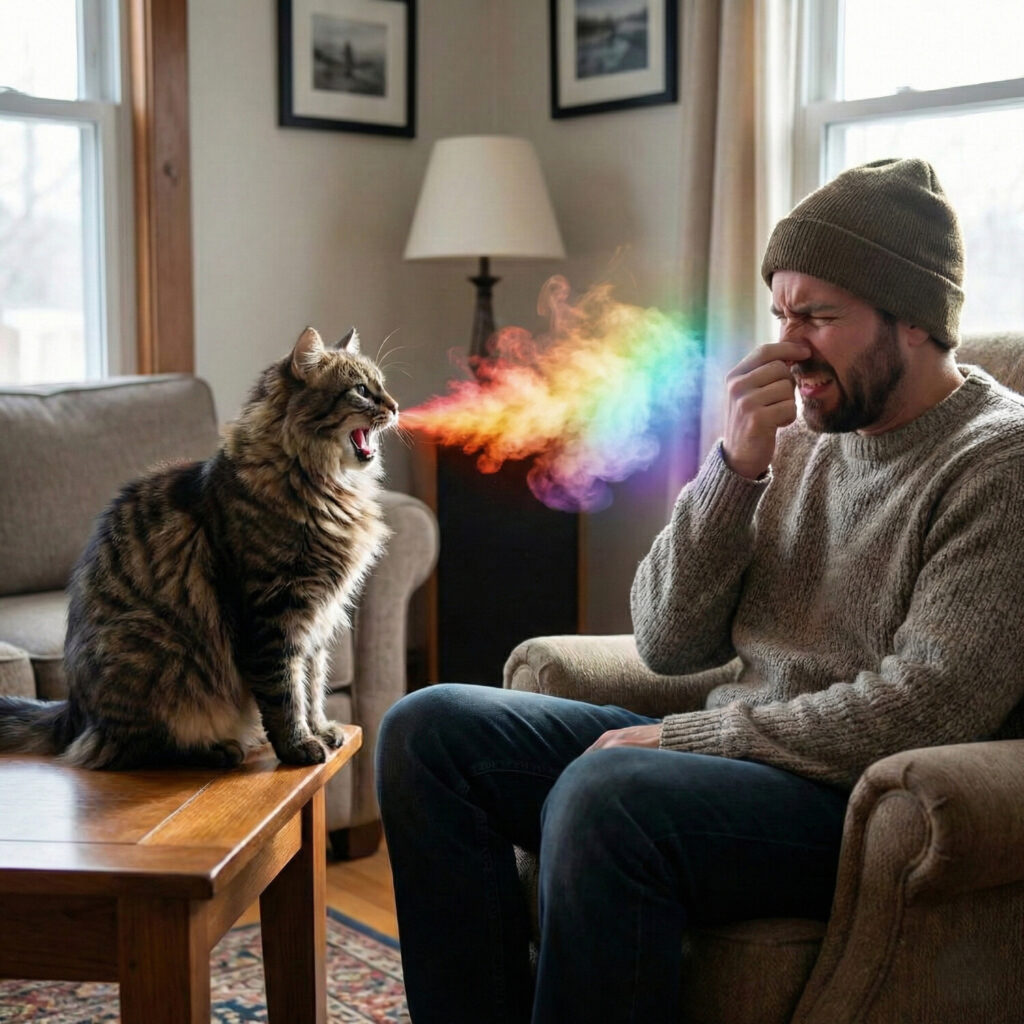
Bad breath in cats, also known as halitosis, is most commonly caused by dental issues like periodontal disease, plaque buildup, and gingivitis. However, persistent foul breath can also be a warning sign of serious internal health problems such as kidney disease, liver failure, or diabetes. While a mild fishy smell might be diet-related, a strong and offensive odor always warrants a veterinary exam to rule out infection or systemic illness.
Summary Table: Causes and Symptoms of Bad Breath in Cats
| Potential Cause | Distinctive Smell or Sign | Urgency Level |
| Periodontal Disease | Rotten, sulfur-like smell; red gums | High (needs dental cleaning) |
| Kidney Disease | Ammonia or urine-like smell | Critical (see vet immediately) |
| Liver Disease | Musty, foul odor; yellow gums/eyes | Critical (see vet immediately) |
| Diabetes | Sweet, fruity, or nail polish remover smell | High (requires management) |
| Stomatitis | Extremely foul odor; drooling; pain | High (very painful condition) |
| Dietary Habits | Fishy smell; smell of food recently eaten | Low (manageable at home) |
| Oral Tumors | Rotten meat smell; visible lumps | Critical (needs biopsy) |
What Causes Bad Breath in Cats? Halitosis in Cats
Many cat owners joke about “kitty breath” and assume it is just a normal part of owning a pet. While a cat’s breath will never smell like mint, it should not be offensive or strong enough to fill a room.
A truly foul odor coming from your cat’s mouth is a medical entity known as halitosis. It is almost always an indicator that something is wrong physiologically.
The source of the smell usually falls into one of two categories. It originates either in the mouth itself due to dental hygiene issues or typically stems from an internal organ malfunction that releases toxins into the bloodstream.
Understanding the difference is vital for the long-term health and longevity of your pet.
Read Also: How Often Should Cats Be Vaccinated?
The Most Common Cause: Dental Disease
By far the most frequent reason for bad breath in cats is dental disease. Veterinary studies suggest that the vast majority of cats have some form of dental disease by the time they reach three years of age. Cats do not brush their own teeth, so bacteria naturally build up over time.
Plaque and Tartar Buildup
The process begins with plaque. This is a sticky film of bacteria that forms on the teeth after eating. If this plaque is not removed, it interacts with minerals in the cat’s saliva and hardens into tartar or calculus.
Tartar is a hard, brown substance that clings to the teeth and irritates the gums. The bacteria living within this tartar produce foul-smelling sulfur compounds which result in that “rotten” breath smell.
Gingivitis
When tartar pushes against the gum line, it causes inflammation known as gingivitis. You can identify this by looking at your cat’s gums. Healthy gums are baby pink.
If the gums appear red, swollen, or bleed easily when touched, your cat has gingivitis. This condition contributes heavily to bad breath because the inflamed tissue is infected.
Periodontal Disease
If gingivitis is left untreated, it progresses to periodontal disease. This implies the infection has spread deeper into the tooth support structures.
The gums recede and pockets form between the teeth and gums where food and bacteria get trapped. This leads to tooth decay, bone loss, and loose teeth.
The smell associated with advanced periodontal disease is often described as decaying tissue because that is exactly what is happening inside the mouth.
Read Also: Common Dental Problems in Cats
Systemic Diseases Causing Bad Breath
Sometimes the mouth looks relatively clean but the breath is still terrible. In these cases, the smell is a symptom of a systemic disease affecting a major organ. The type of smell can often give your veterinarian a clue about which organ is struggling.
Kidney Disease
The kidneys act as a filtration system for the body. They remove waste products from the blood and eliminate them through urine. When the kidneys begin to fail, they lose the ability to filter out urea and other toxins. These waste products build up in the bloodstream in a condition called uremia.
The excess urea eventually breaks down into ammonia. This can cause the cat’s breath to smell distinctly like urine or ammonia. If you notice this specific smell, it is a medical emergency. Kidney disease is common in older cats but can be managed if caught early.
Liver Disease
The liver is another crucial organ for filtering toxins and aiding digestion. When the liver is not functioning correctly, toxins accumulate in the body. This can result in a breath smell that is described as “musty” or extremely foul.
Alongside the bad breath, liver disease often presents with other symptoms. You might notice the whites of the cat’s eyes turning yellow, known as jaundice.
The ears and gums may also take on a yellowish tint. Other signs include a swollen abdomen, lethargy, and a lack of appetite.
Feline Diabetes
Diabetes is becoming more common in cats, especially those that are overweight. When a cat has diabetes, their body cannot properly process glucose (sugar) for energy.
Instead, the body begins breaking down fat stores for fuel. This process produces ketones as a byproduct.
When ketone levels rise in the blood, the cat’s breath may take on a strange, sweet, or fruity odor. Some owners compare the smell to nail polish remover or pear drops.
While a sweet smell might seem less offensive than a rotten one, it indicates a dangerous metabolic state that requires insulin therapy and dietary changes.
Read Also: Signs of Dehydration in Cats
Other Oral Health Conditions
Beyond standard plaque and internal diseases, there are specific oral conditions that cause significant pain and odor.
Feline Stomatitis
Stomatitis is a severe, chronic inflammation of the mouth tissues. It is often an overreaction of the immune system to dental plaque. In cats with stomatitis, the entire mouth can become bright red and ulcerated.
This condition is incredibly painful. The breath smells terrible due to the extensive infection and inflammation. Cats with stomatitis often drool excessively, have trouble eating, and may run away from their food bowl because they are hungry but afraid of the pain.
Oral Tumors
As cats age, they become more susceptible to growths in the mouth. Squamous cell carcinoma is the most common type of oral cancer in cats. These tumors can grow rapidly and often become infected or necrotic (dead tissue). The smell of dying tissue is distinct and very offensive.
If a tumor is present, you might see a visible lump on the gums or under the tongue. The cat may also chew on only one side of the mouth or drop food while eating.
Abscesses and Tooth Resorption
Cats are prone to a condition called Tooth Resorption, where the tooth structure breaks down and is absorbed by the body. This creates holes in the teeth that expose the nerve. It is painful and creates spaces for bacteria to hide.
Similarly, a tooth root abscess can form pockets of pus under the gum line. These pockets can rupture and release foul-smelling fluid into the mouth. An abscess often causes swelling on the face, usually under the eye or on the cheek.
Dietary Causes and Non-Medical Issues
Not every case of bad breath is a life-threatening emergency. Sometimes the cause is simply what went into the cat’s mouth.
Smelly Food
Cat food, particularly wet food containing fish ingredients like salmon or tuna, has a strong odor. If your cat has recently eaten a bowl of fish-based pâté, their breath will smell fishy for a while. This is normal and temporary. Dry kibble tends to cause less immediate odor than wet food, but wet food is often better for hydration and kidney health.
Coprophagia and Pica
While less common in cats than in dogs, some cats may eat non-food items (pica) or even feces (coprophagia). If a cat eats something foul, their breath will smell accordingly. This behavior can sometimes point to a nutritional deficiency or a behavioral issue.
Foreign Objects
Cats are curious creatures. Sometimes a piece of string, a bone fragment, or a piece of a toy can get wedged between their teeth or stuck to the roof of their mouth. This trapped object collects food particles and bacteria, eventually rotting and causing a smell. If your cat is pawing at their mouth frantically, check for a foreign object.
Symptoms That Accompany Bad Breath
To help your veterinarian diagnose the problem, observe your cat for other signs of illness. Bad breath rarely happens in isolation when a disease is present.
Watch for these red flags:
- Changes in Appetite: Is the cat refusing to eat, or are they hungry but dropping food?
- Weight Loss: Rapid weight loss often accompanies kidney disease, diabetes, and oral cancer.
- Behavioral Changes: Is the cat hiding more often? Are they aggressive when you touch their head?
- Grooming Habits: A cat with a painful mouth will stop grooming. Their coat may become matted, greasy, or unkempt.
- Drooling: Excessive salivation, especially if the saliva is blood-tinged, suggests oral pain or nausea.
- Vomiting and Diarrhea: These digestive issues often occur alongside liver or kidney problems.
- Increased Thirst: Drinking huge amounts of water is a classic sign of both diabetes and kidney failure.
Read Also: Why Do Cats Avoid Eye Contact?
How to Treat and Prevent Bad Breath
Treating bad breath starts with identifying the root cause. Once a veterinarian has examined the cat, they will recommend a course of action.
Professional Veterinary Cleaning
If the cause is dental disease, a professional cleaning is necessary. This is done under general anesthesia. The vet will scrape away the tartar, polish the teeth, and take X-rays to check the roots. Loose or rotten teeth will be extracted. Owners are often surprised at how much happier and more energetic their cat becomes once the painful teeth are removed.
Home Dental Care
Prevention is the best medicine. You can reduce the risk of dental disease by maintaining your cat’s oral hygiene at home.
- Tooth Brushing: This is the gold standard. Use a toothbrush designed for cats and toothpaste specifically for pets. Never use human toothpaste as it contains ingredients like xylitol or fluoride that are toxic to cats. Start slowly, letting the cat lick the paste, then gradually introducing the brush.
- Dental Treats: There are treats approved by the Veterinary Oral Health Council (VOHC) that are designed to scrub tartar off teeth as the cat chews.
- Water Additives: You can buy enzymatic liquids to add to your cat’s water bowl. These help reduce the bacterial load in the mouth.
Managing Systemic Diseases
If the bad breath is caused by an internal organ issue, the treatment will focus on that disease.
- Kidney Disease: Managed with prescription diets, fluid therapy, and medications to bind toxins.
- Diabetes: Managed with insulin injections and a high-protein, low-carbohydrate diet.
- Liver Disease: Treatment depends on the cause but may include antibiotics, liver support supplements, and dietary changes.
Dietary Adjustments
If the smell is purely food-related, try switching protein sources. Chicken or turkey-based foods often smell less pungent than fish-based ones. Ensure your cat has access to fresh water at all times to help wash away food residue.
When to See a Veterinarian
You should schedule an appointment if your cat’s bad breath lasts more than 24 hours or is accompanied by any behavioral changes. Do not wait for the annual checkup. Cats are masters at hiding pain. By the time they stop eating or show visible signs of distress, the condition is often advanced.
Early detection of conditions like kidney disease or stomatitis can significantly extend your cat’s life and improve their comfort. A simple oral exam and blood work panel can provide the answers you need.
Frequently Asked Questions
Can plastic bowls cause bad breath?
Yes, plastic bowls can harbor bacteria. Plastic is porous and develops tiny scratches over time where bacteria hide. These bacteria can cause feline acne and contribute to oral infections. Switch to stainless steel, ceramic, or glass bowls and wash them daily.
Is bad breath in kittens normal?
Kittens may have slightly odd breath when they are teething (around 3 to 6 months old). As baby teeth fall out and adult teeth come in, mild gum inflammation can occur. However, a very strong, foul odor is not normal in kittens and should be checked.
Does dry food clean teeth better than wet food?
There is a myth that dry food cleans teeth. Most cats swallow kibble whole or shatter it instantly, providing little abrasive action. Only specific prescription “dental diets” are formulated to scrub the tooth surface effectively. Standard dry food offers minimal dental benefits over wet food.
Conclusion
Bad breath in cats is a common complaint, but it is rarely a trivial matter. It serves as a window into your cat’s overall health. Whether it is a rotting tooth that needs extraction or a kidney issue that needs management, that unpleasant smell is your cat’s way of telling you they need help.
By paying attention to oral hygiene and reacting quickly to changes in breath odor, you can save your cat from unnecessary pain and catch life-threatening conditions before it is too late. Keep their teeth clean, their bowls fresh, and their vet visits regular to ensure their breath and their health stay in top condition.