
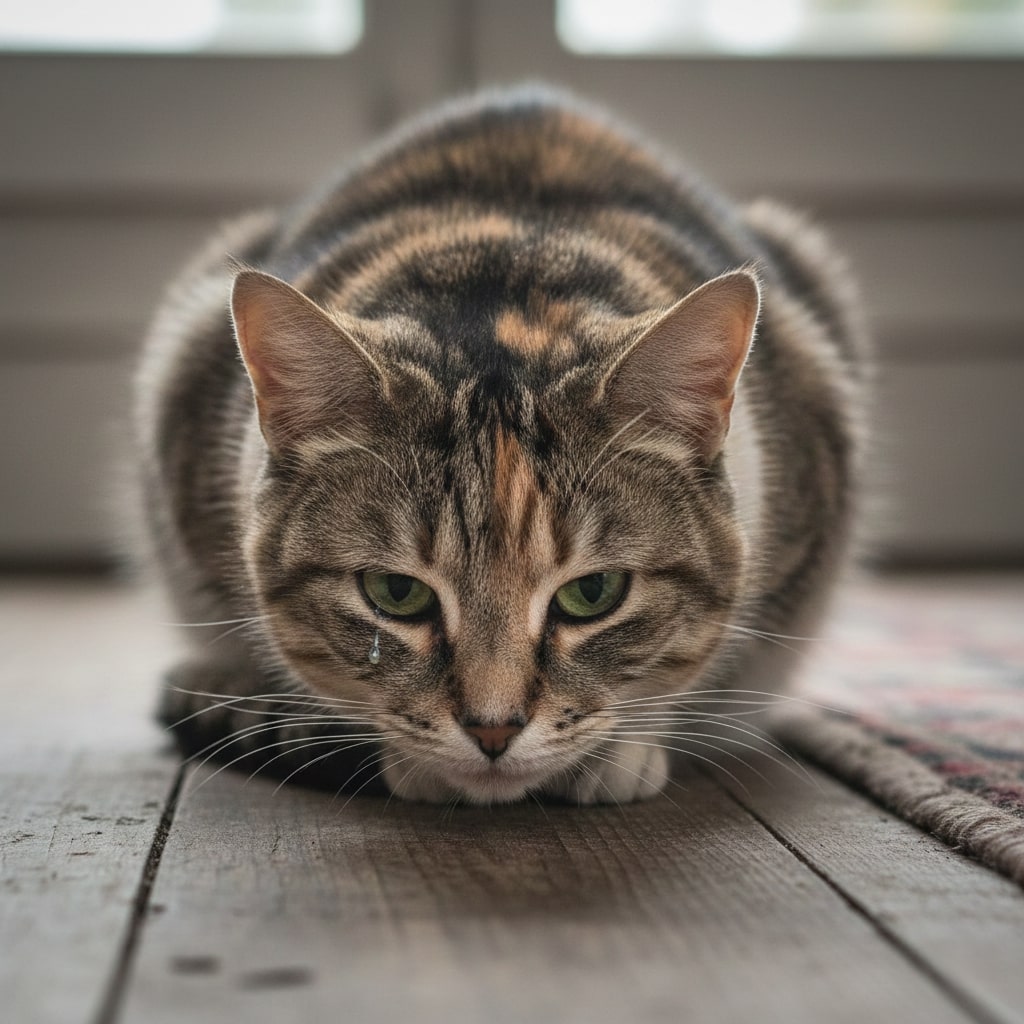
A stressed cat often exhibits sudden behavioral changes such as urinating outside the litter box (inappropriate elimination), excessive grooming leading to bald patches, and increased aggression or irritability. Physical signs include dilated pupils, digestive issues like vomiting or diarrhea, and noticeable changes in appetite. If your cat is hiding more often, vocalizing excessively (yowling or growling), or showing signs of lethargy, they may be suffering from acute or chronic stress.
Summary Table: Common Stress Indicators in Cats
| Category | Primary Signs | What to Look For |
| Behavioral | Hiding, Aggression, Litter Box Avoidance | Withdrawing to dark spots, hissing at owners, peeing on soft surfaces. |
| Physical | Over-grooming, Appetite Shifts, Vomiting | Bald belly/legs, refusing food, diarrhea, dilated pupils. |
| Vocal | Excessive Meowing, Yowling, Growling | Low-pitched growls, loud crying at night, sudden hissing. |
| Medical | Urinary Issues, Cystitis, Lethargy | Straining to pee, blood in urine, sleeping more than usual. |
Common Signs Your Cat Is Stressed: A Complete Guide
Cats are masters of disguise. In the wild, showing weakness makes a predator vulnerable, so domestic cats have retained the instinct to mask pain and distress. This stoicism makes it incredibly difficult for even the most devoted pet parents to realize when their feline friend is struggling.
Understanding the subtle and overt signs of feline stress is crucial for maintaining your pet’s physical health and emotional well-being. Stress in cats is not just a mood swing; it is a physiological response involving cortisol (the stress hormone) that can lead to serious medical conditions like Feline Idiopathic Cystitis (FIC) if left untreated.
This guide covers the physical, behavioral, and vocal indicators of stress, helping you decode your cat’s language and restore peace to your home.
Read Also: Why Do Cats Meow More at Night?
Understanding Feline Stress: Acute vs. Chronic
Before diving into specific symptoms, it is helpful to distinguish between the two types of stress your cat might experience.
- Acute Stress: This is a short-term reaction to a specific threat, like a loud thunderstorm, a vet visit, or a stranger entering the home. The cat usually recovers once the trigger is removed.
- Chronic Stress: This is long-term and more damaging. It occurs when a cat feels constantly threatened or anxious due to ongoing issues like bullying from another pet, a chaotic household, or lack of resources. Chronic stress suppresses the immune system and requires intervention.
Behavioral Signs of Stress in Cats
Behavioral changes are often the first red flags. If your cat is acting “out of character,” pay close attention.
1. Litter Box Aversion and Inappropriate Elimination
One of the most distressing signs for owners is when a cat stops using the litter box. This is rarely done out of “spite.” Instead, it is a major distress signal.
- Location: A stressed cat might urinate on your bed, laundry, or sofa. These areas smell strongly of you (their owner), which can provide a sense of security to an anxious cat.
- Marking vs. Eliminating: Stress can cause a cat to spray urine vertically on walls (marking territory) to establish boundaries, especially if they feel their territory is threatened by outdoor cats or new pets.
- Pain Association: If a cat has stress-induced bladder inflammation (FIC), urination becomes painful. They may associate the litter box with pain and avoid it entirely.
2. Excessive Hiding and Social Withdrawal
While cats enjoy their alone time, a sudden increase in hiding is a classic sign of anxiety.
- Safe Zones: You might find your cat retreating to the back of a closet, under a bed, or high up on cabinets for hours or days.
- Avoidance: A stressed cat may refuse to interact with family members they previously loved. If your “lap cat” suddenly isolates themselves in another room, they are likely feeling overwhelmed.
- Freezing: Instead of running, some cats simply freeze in place, crouching low with a tense body posture when they feel threatened.
Read Also: Why Do Cats Prefer Certain People?
3. Aggression and Irritability
Stress puts a cat on high alert, triggering the “fight or flight” response. If they feel they cannot escape (flight), they may resort to fighting.
- Redirected Aggression: A cat usually gentle may lash out at you or another pet. This often happens if they see a trigger (like a stray cat outside) but cannot reach it, so they redirect their frustration toward the nearest living thing.
- Tolerance Threshold: You may notice your cat has a shorter fuse. They might growl when touched or swat if you approach them while they are resting.
- Inter-cat Conflict: Tension between cats in a multi-cat household is a major stressor. Watch for “staring contests” or one cat blocking another from food bowls or litter boxes.
4. Destructive Behavior
Anxiety needs an outlet. If a cat cannot express their natural behaviors (like hunting or climbing), they may turn to destruction.
- Scratching: Intense scratching on door frames, furniture, or carpets can be a way to mark territory visually and scent-wise to feel more secure.
- Chewing: Some cats develop Pica (eating non-food items) or chew on cords and fabrics as a self-soothing mechanism.
Physical Signs of Stress
When the body releases stress hormones like cortisol and adrenaline, it affects various organ systems. These physical symptoms often require veterinary attention to rule out underlying illness.
1. Over-Grooming (Psychogenic Alopecia)
Cats groom to clean themselves, but they also groom to self-soothe. The rhythmic action releases endorphins.
- Bald Patches: A stressed cat may lick their belly, inner thighs, or front legs until the fur is worn away and the skin is raw. This condition is known as psychogenic alopecia.
- Barbering: You might see broken hairs or stubble where the cat has bitten or chewed off the fur.
- Restlessness: Grooming that seems frantic or interrupts other activities (like eating or sleeping) is a sign of anxiety.
Read Also: Why Does My Cat Hate Me But Love Everyone Else?
2. Changes in Appetite
Just like humans, cats can be “stress eaters” or lose their appetite entirely.
- Anorexia: Refusing to eat is dangerous for cats and can lead to Hepatic Lipidosis (fatty liver disease) within just a few days. If your cat stops eating, this is a medical emergency.
- Overeating: Bored or anxious cats may beg for food constantly or gorge themselves, leading to obesity, which in turn causes more physical stress.
3. Digestive Issues
The gut-brain axis is strong in felines. Emotional distress often manifests as gastrointestinal upset.
- Vomiting and Diarrhea: Acute stress (like a car ride) can cause immediate vomiting. Chronic stress can lead to ongoing soft stools or intermittent vomiting.
- Constipation: A cat that is afraid to use the litter box may hold it in, leading to painful constipation.
4. Body Language Cues
You can read a cat’s emotional state by looking at their posture and face.
- Dilated Pupils: If your cat’s eyes look like large black saucers even in bright light, they are likely frightened or highly aroused.
- Flattened Ears: Ears pinned back against the head signal fear or aggression.
- Tail Position: A tail tucked between the legs or wrapping tight around the body indicates insecurity. A “puffed up” tail indicates severe fear or defensiveness.
- Trembling: Visible shaking or shivering can occur in situations of extreme fear, such as at the vet’s office.
Vocal Signs of Stress
Cats are generally quiet animals, communicating mostly through scent and body language. However, stress can make them very vocal.
1. Excessive Meowing
If your cat wanders around the house howling or meowing loudly, especially at night, they are expressing distress.
- Yowling: This deep, mournful sound often indicates confusion (common in older cats with cognitive dysfunction) or territorial anxiety.
- Crying: Short, repetitive meows can signal that the cat is looking for reassurance or is frustrated by a lack of resources (like food or access to a room).
2. Hissing and Growling
These are defensive vocalizations. A cat hisses to say “stay away” because they feel vulnerable.
- Involuntary Vocalization: Sometimes a cat is so stressed they may growl low in their throat without even opening their mouth.
Read Also: Why Does My Cat Slap Me?
Common Causes and Triggers
To help your cat, you must identify the “entity” or root cause of their anxiety. Common stressors include:
- Environmental Changes: Moving to a new house, remodeling, or even rearranging furniture can disrupt a cat’s sense of territory.
- Social Changes: The arrival of a new baby, a new partner, or a new pet can severely threaten a cat’s status in the home. Conversely, the loss of a companion animal or family member can cause grief and stress.
- Resource Scarcity: In multi-cat homes, a lack of litter boxes, food bowls, or vertical space (cat trees) forces cats to compete, creating chronic tension.
- Lack of Stimulation: Boredom is a form of stress. Indoor cats without “environmental enrichment” (toys, windows, scratching posts) can become frustrated.
- Medical Pain: Arthritis, dental disease, or urinary tract infections cause pain that manifests as stress behaviors.
Medical Risks of Long-Term Stress
Ignoring stress is dangerous. Chronic exposure to cortisol can wreak havoc on a cat’s body.
- Feline Idiopathic Cystitis (FIC): This is the most common stress-related illness. Stress affects the nerves triggering the bladder lining, causing inflammation, pain, and bloody urine. It mimics a bacterial infection but is sterile and driven by stress.
- Weakened Immune System: Chronic stress lowers immunity, making cats more susceptible to upper respiratory infections and reactivating dormant viruses like Feline Herpesvirus.
- Skin Conditions: Beyond over-grooming, stress can trigger flare-ups of skin allergies and acne.
How to Help a Stressed Cat
Once you have identified the signs, you can take actionable steps to reduce your cat’s anxiety.
1. Rule Out Medical Issues
Always visit the vet first. You cannot “train away” a behavior if it is caused by a urinary blockage or a toothache. A full blood panel and urinalysis are essential.
2. Optimize the Environment
- Vertical Territory: Cats feel safe when they are high up. Install cat shelves or tall cat trees so they can survey their domain without fear.
- Safe Spaces: Ensure your cat has a “hidey-hole” where they are never disturbed, not by kids, dogs, or the vacuum cleaner.
- Resource Rule: The golden rule for litter boxes is “one per cat, plus one extra.” Spread them out in different locations so one cat cannot guard them all.
Read Also: Why Does My Cat Keep Sniffing Me?
3. Use Calming Pheromones
Synthetic pheromones are chemical signals that mimic the “happy markers” cats leave when they rub their cheeks on things.
- Diffusers: Plug-in diffusers (like Feliway) can release calming pheromones into the room, helping to lower general anxiety levels.
- Sprays: Use pheromone sprays on travel carriers or bedding to reduce spot-specific stress.
4. Establish a Routine
Cats are creatures of habit. They crave predictability.
- Feeding: Feed at the same times every day.
- Playtime: Engage in 15 minutes of interactive play (using a wand toy) every evening. This burns off nervous energy and mimics the “hunt-catch-kill-eat-groom-sleep” cycle, naturally relaxing them.
5. Dietary Supplements
Consult your vet about supplements containing L-theanine or alpha-casozepine (a milk protein). These natural compounds can help promote relaxation without sedating the cat.
Conclusion
Recognizing that your cat is stressed is the first step toward healing. A cat urinating on the rug or hiding under the bed is not being “bad”, they are communicating that they are struggling to cope. By observing the physical and behavioral signs outlined above, you can identify the triggers in your home and make the necessary changes.
Whether it involves adding more vertical space, using pheromone therapy, or simply sticking to a strict routine, your efforts will significantly improve your cat’s quality of life. Remember, a stress-free cat is a healthy cat.
What should I do next?
If you recognize any of these signs in your cat, schedule a veterinary appointment today to rule out physical pain or illness. Once your cat has a clean bill of health, start a “stress log” to track when the behaviors occur and identify the specific triggers in your home.