
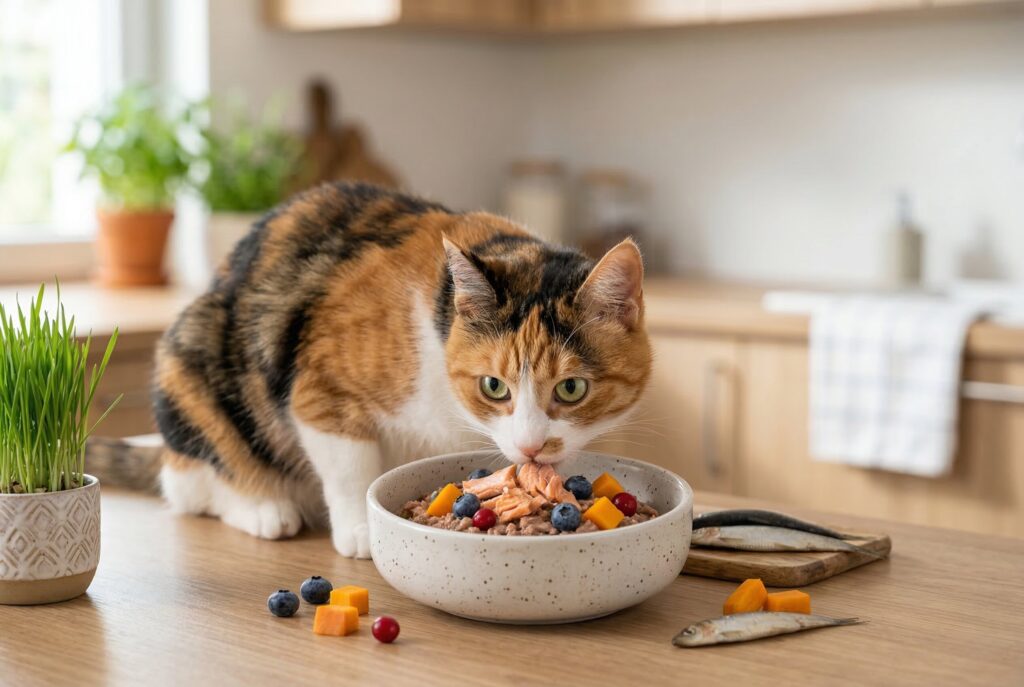
When you think of superfoods, you probably imagine green smoothies, kale salads, and acai bowls. But did you know that the superfood concept also applies to your feline friend? While cats have very different nutritional needs than humans, certain nutrient-dense foods can provide massive health benefits when added to their regular diet.
Cats are obligate carnivores, meaning their bodies are built to thrive primarily on animal protein. However, incorporating specific feline-friendly superfoods can boost their immune system, improve digestion, enhance coat health, and add valuable moisture to their diet.
In this comprehensive guide, we will explore 15+ superfoods for cats, the exact health benefits they offer, and how you can safely introduce them to your pet’s bowl.
Understanding Feline Nutrition and Superfoods
Before diving into the list, it is crucial to understand how cat digestion works. Because cats are obligate carnivores, they lack certain liver enzymes needed to process large amounts of plant matter. A cat’s core diet must always consist of high-quality, animal-based proteins that provide essential amino acids like taurine.
Superfoods should never replace your cat’s main meals. Instead, view them as nutritional boosters, toppers, or high-value treats. Veterinary nutritionists generally recommend the “10% Rule,” which states that treats and food additions should never make up more than 10% of your cat’s total daily caloric intake.
By strategically choosing superfoods, you can provide targeted benefits such as antioxidants for cellular health, omega-3 fatty acids for joint mobility, and soluble fiber for gastrointestinal support.
1. Pureed Pumpkin: The Digestive Miracle
Pumpkin is arguably the most popular and effective superfood in the feline world. It is highly regarded by veterinarians and pet owners alike for its ability to regulate a cat’s digestive system.
Benefits of Pumpkin for Cats
- Regulates Bowel Movements: Pumpkin is rich in soluble fiber. Soluble fiber absorbs excess water in the digestive tract, which helps firm up loose stools and combat diarrhea. Conversely, the moisture and fiber bulk can also stimulate bowel movements to relieve constipation.
- Aids in Hairball Control: The fiber content in pumpkin helps move hair through the digestive tract smoothly, reducing the frequency and severity of hairballs.
- Weight Management: Pumpkin is low in calories but highly filling. Mixing a small amount into your cat’s food can help them feel full without adding excess fat to their diet.
How to Serve It
Always use 100% pure pureed pumpkin. Never use pumpkin pie filling, which contains toxic spices like nutmeg and dangerous amounts of sugar. Offer your cat one to two teaspoons mixed into their wet food.
2. Wild-Caught Salmon: The Ultimate Omega-3 Source
Salmon is a powerhouse of nutrition and a favorite flavor for most felines. It is packed with high-quality animal protein and crucial fatty acids that support whole-body health.
Benefits of Salmon for Cats
- Skin and Coat Health: Salmon is exceptionally high in Omega-3 fatty acids, specifically EPA and DHA. These fats reduce skin inflammation, alleviate itchiness, and promote a glossy, soft coat.
- Joint Support: The anti-inflammatory properties of Omega-3s make salmon an excellent superfood for senior cats suffering from arthritis or joint stiffness.
- Cognitive Function: DHA is vital for brain health. It supports cognitive function in aging cats and aids in the brain development of growing kittens.
How to Serve It
Always cook salmon thoroughly without any oils, butter, garlic, or onions. Raw salmon can contain harmful bacteria and parasites. Flake a small piece of plain, cooked salmon over their regular meal as a tasty topper.
3. Blueberries: The Antioxidant Powerhouse
Blueberries are a fantastic, bite-sized superfood. They are widely considered one of the most antioxidant-rich foods on the planet, and those benefits translate perfectly to your cat.
Benefits of Blueberries for Cats
- Fights Free Radicals: Blueberries contain high levels of anthocyanins, which are potent antioxidants. These compounds fight oxidative stress and cellular damage, potentially lowering the risk of cancer and other chronic diseases.
- Supports Urinary Health: Like cranberries, blueberries contain compounds that prevent bacteria from adhering to the walls of the bladder and urinary tract.
- Vitamin Rich: They provide an excellent source of Vitamin C and Vitamin K, supporting immune function and proper blood clotting.
How to Serve It
Wash the blueberries thoroughly. You can serve them raw, mashed, or frozen. Many cats enjoy batting a frozen blueberry around the floor before eating it. Two to three blueberries make a perfect portion.
4. Cooked Eggs: The Perfect Protein
Eggs are often referred to as the gold standard of protein because they contain a perfectly balanced profile of essential amino acids. For an obligate carnivore, this makes eggs a highly bioavailable superfood.
Benefits of Eggs for Cats
- Muscle Maintenance: The high-quality protein in eggs helps build and repair muscle tissue, keeping your cat strong and agile.
- Rich in Taurine: Eggs are a natural source of taurine, an amino acid that cats cannot synthesize on their own. Taurine is critical for heart health and vision.
- Biotin for Fur: Egg yolks are rich in biotin (Vitamin B7), which helps process proteins and fats, resulting in healthier skin and a shinier coat.
How to Serve It
Never feed your cat raw eggs due to the risk of Salmonella and E. coli. Additionally, raw egg whites contain avidin, an enzyme that blocks the absorption of biotin. Serve eggs hard-boiled or scrambled without any salt, butter, or milk. A small slice of hard-boiled egg is plenty.
5. Bone Broth: The Hydration and Joint Booster
Cats are notoriously bad at drinking enough water. In the wild, they get most of their hydration directly from their prey. Bone broth is an incredible superfood for adding essential moisture and nutrients to your cat’s diet.
Benefits of Bone Broth for Cats
- Encourages Hydration: The rich, meaty smell of bone broth tempts even the pickiest cats to drink, protecting their kidneys and urinary tract from dehydration-related issues.
- Joint and Mobility Support: As bones simmer, they release collagen, glucosamine, and chondroitin. These compounds are the building blocks of healthy cartilage and provide excellent support for aging joints.
- Liver Detoxification: Bone broth contains glycine, an amino acid that helps the liver filter out toxins from the body.
How to Serve It
You must use pet-safe bone broth. Store-bought human broths almost always contain toxic onions and garlic, along with high sodium levels. You can make it at home by simmering plain chicken or beef bones in water for 12 to 24 hours, or purchase a commercial cat-specific bone broth to pour over their dry food.
6. Sardines: The Nutrient-Dense Fish
Sardines are tiny fish that pack a massive nutritional punch. Because they are low on the food chain, they do not accumulate heavy metals like mercury in the way that larger fish like tuna do.
Benefits of Sardines for Cats
- Calcium and Phosphorus: When served whole (with the soft bones intact), sardines provide an excellent, highly digestible source of calcium and phosphorus for bone strength.
- Cardiovascular Health: The concentrated Omega-3 fatty acids in sardines help lower blood pressure and prevent cardiac arrhythmias.
- Vitamin B12: Sardines are rich in Vitamin B12, which supports a healthy nervous system and helps prevent anemia.
How to Serve It
Purchase canned sardines packed in plain spring water with no added salt. Avoid sardines packed in oil, mustard, or tomato sauce. A quarter of a small sardine per week is a generous and healthy treat.
7. Cranberries: The Urinary Tract Protector
Feline Lower Urinary Tract Disease (FLUTD) is a common and painful issue for many cats. Cranberries are widely recognized for their ability to support a healthy urinary system.
Benefits of Cranberries for Cats
- Prevents UTIs: Cranberries contain proanthocyanidins (PACs). These compounds create a slippery surface on the bladder wall, preventing E. coli and other bacteria from attaching and causing an infection.
- Urine pH Balance: The natural acidity of cranberries can help balance the pH of a cat’s urine, reducing the likelihood of crystal formation (struvite crystals).
- Immune Support: High in Vitamin C and antioxidants, cranberries help strengthen the immune system against various pathogens.
How to Serve It
Cranberries are extremely tart, so most cats will not eat them raw. You can look for unsweetened cranberry powder specifically formulated for pets, or buy cat food and treats that already include cranberries in the ingredient list.
8. Plain Kefir or Yogurt: The Gut Health Guardian
A healthy gut microbiome is essential for your cat’s overall well-being. Fermented dairy products like plain yogurt and kefir are loaded with beneficial bacteria.
Benefits of Kefir and Yogurt for Cats
- Probiotic Power: These foods contain live active cultures that replenish good bacteria in the gut. This is especially helpful if your cat has recently been on a round of antibiotics.
- Improves Digestion: A balanced gut flora reduces instances of gas, bloating, and diarrhea, ensuring your cat absorbs maximum nutrients from their food.
- Lower Lactose Content: While most adult cats are lactose intolerant, the fermentation process in yogurt and kefir breaks down much of the lactose, making it easier to digest than regular milk.
How to Serve It
Only feed plain, unsweetened yogurt or kefir. Ensure there are no artificial sweeteners, especially Xylitol, which is highly toxic to pets. Offer a half-teaspoon to see how your cat’s stomach reacts before making it a regular treat.
9. Lean Chicken Breast: The Ultimate Energy Source
Chicken is a staple in most commercial cat foods, but offering fresh, unseasoned chicken breast as a supplementary superfood provides clean, unprocessed nutrition.
Benefits of Chicken Breast for Cats
- Lean Muscle Development: Chicken breast is almost pure protein with very little fat, making it ideal for maintaining lean muscle mass without promoting weight gain.
- Rich in B Vitamins: Chicken provides Vitamin B6 and Niacin, which are crucial for energy metabolism and brain function.
- High Palatability: Freshly cooked chicken has a high moisture content and an aroma that can encourage sick or elderly cats with a decreased appetite to start eating again.
How to Serve It
Boil or bake a plain chicken breast until fully cooked. Shred it into tiny, bite-sized pieces. Never give your cat cooked chicken bones, as they can splinter and puncture the digestive tract.
10. Cat Grass (Wheatgrass): The Indoor Forager’s Fix
If your cat spends time outdoors, you have probably seen them nibbling on grass. Cat grass, usually a mixture of wheatgrass, oat, barley, or rye seeds, is a safe and beneficial indoor alternative.
Benefits of Cat Grass
- Provides Folic Acid: The juices in cat grass contain folic acid (Vitamin B9), an essential vitamin that aids in the production of hemoglobin, the protein that moves oxygen through the blood.
- Natural Laxative: The physical structure of the grass provides roughage that helps move hairballs through the digestive tract.
- Encourages Safe Chewing: Providing cat grass deters your cat from chewing on potentially toxic household houseplants like lilies or pothos.
How to Serve It
You can buy cat grass kits at most pet stores. Grow it in a heavy, shallow pot so your cat can not tip it over, and leave it in an accessible spot for them to graze on naturally.
11. Sea Kelp: The Thyroid Supporter
Sea kelp is a type of brown seaweed that grows in nutrient-rich ocean waters. It absorbs a massive array of trace minerals, making it a highly concentrated nutritional supplement.
Benefits of Sea Kelp for Cats
- Regulates Thyroid Function: Kelp is one of the richest natural sources of iodine. Iodine is critical for healthy thyroid function, which controls your cat’s metabolism and energy levels.
- Dental Health: Some studies suggest that specific enzymes in certain types of seaweed (like Ascophyllum nodosum) help reduce plaque and tartar buildup on cats’ teeth by altering the composition of their saliva.
- Dense Trace Minerals: Kelp provides over 60 trace minerals, including iron, zinc, and magnesium, which support glandular health and tissue repair.
How to Serve It
Because kelp is so concentrated, precision is key. Too much iodine can cause hyperthyroidism. The safest way to provide kelp is through a high-quality, commercially prepared pet supplement, following the exact dosage instructions on the label.
12. Green Beans: The Weight Loss Wonder
Feline obesity is a growing epidemic that leads to diabetes, joint pain, and a decreased lifespan. Green beans are an excellent tool for managing your cat’s weight without leaving them feeling hungry.
Benefits of Green Beans for Cats
- High Volume, Low Calorie: Green beans are mostly water and fiber. They add significant physical volume to a meal, triggering the stretch receptors in your cat’s stomach to signal fullness, all for almost zero calories.
- Rich in Iron and Vitamins: They provide a healthy dose of iron, calcium, and Vitamin A, supporting vision and bone health.
- Crispy Texture: Some cats enjoy the crunch of a raw or slightly steamed green bean, which can serve as a healthy alternative to high-calorie commercial treats.
How to Serve It
You can offer fresh, steamed, or canned green beans. If using canned, you must ensure there is no added sodium or preservatives. Chop them into small, manageable pieces and mix them into your cat’s wet food.
13. Carrots: The Vision Enhancer
Carrots are widely known for their eye-health benefits in humans, and those same nutritional properties apply to our feline companions.
Benefits of Carrots for Cats
- Beta-Carotene: Carrots are loaded with beta-carotene, a precursor to Vitamin A. While cats are not as efficient as humans at converting beta-carotene to Vitamin A, it still provides antioxidant benefits that protect the cells of the eyes from age-related degradation.
- Dietary Fiber: The fiber in carrots aids in healthy digestion and stool consistency.
- Potassium: Carrots provide potassium, a vital mineral for healthy nerve function and muscle contraction.
How to Serve It
Raw carrots are a choking hazard and are very difficult for a cat to digest. Always boil or steam carrots until they are soft and easily mashable. Do not use any salt or seasonings.
14. Zucchini: The Hydrating Squash
Zucchini is a versatile, mild-tasting squash that blends easily into a cat’s diet. Because it lacks a strong flavor, even fussy eaters often accept it when mixed with their favorite meat.
Benefits of Zucchini for Cats
- Exceptional Hydration: Zucchini is composed of about 95% water. Adding it to a meal significantly boosts your cat’s water intake, protecting their kidney function.
- Magnesium and Manganese: These essential minerals found in zucchini support bone health, metabolism, and the reduction of inflammation.
- Low Glycemic Index: Zucchini does not cause a spike in blood sugar, making it a safe superfood for diabetic cats.
How to Serve It
Wash the zucchini, slice it, and steam it until it is tender. Mash it up and blend a spoonful into your cat’s daily portion of wet food.
15. Spinach: The Nutrient-Dense Leafy Green
Spinach is famous for being a nutritional powerhouse. While it offers incredible benefits, it comes with a specific warning for certain cats.
Benefits of Spinach for Cats
- Packed with Iron: Iron is vital for the creation of red blood cells, which transport oxygen throughout the body, keeping your cat energized.
- Vitamins A, C, and K: This combination of vitamins supports everything from immune defense to bone mineralization and vision health.
- Glycogen Replenishment: The nutrients in spinach help repair cellular damage and replenish energy stores after periods of high activity.
A Crucial Warning on Spinach
Spinach contains high levels of calcium oxalates. If your cat has a history of kidney issues or calcium oxalate bladder stones, you should completely avoid spinach. For healthy cats, it is safe in moderation.
How to Serve It
Steam a few fresh spinach leaves until wilted, chop them very finely, and offer a tiny amount as a food topper.
16. Chia Seeds: The Tiny Fiber Powerhouse
Chia seeds have gained massive popularity in human health circles, and they are increasingly being recognized as a superfood for pets due to their dense nutritional profile.
Benefits of Chia Seeds for Cats
- Incredible Hydration Retainers: Chia seeds can absorb up to 10 times their weight in water. When pre-soaked, they create a hydrating gel that helps keep moisture in your cat’s digestive tract.
- Plant-Based Omega-3s: While marine sources like salmon are better for cats, the alpha-linolenic acid (ALA) in chia seeds still offers secondary anti-inflammatory benefits.
- Sustained Energy: The slow-digesting fiber and healthy fats provide a steady release of energy.
How to Serve It
Never feed your cat dry chia seeds, as they can absorb moisture in the throat and cause a choking hazard or blockage. Soak a tiny pinch of chia seeds in water for 15 minutes until they form a gel, then mix that gel into their wet food.
17. Dandelion Greens: The Liver and Kidney Tonic
Dandelion is often dismissed as a pesky weed, but herbalists and holistic veterinarians recognize dandelion greens as a powerful natural medicine and superfood.
Benefits of Dandelion Greens for Cats
- Liver Support: Dandelion greens act as a natural cholagogue, meaning they stimulate the production of bile. This helps the liver process toxins and aids in the digestion of dietary fats.
- Gentle Diuretic: The leaves act as a mild, natural diuretic, helping flush out the kidneys and urinary tract without depleting the body of essential potassium (since dandelion is naturally rich in potassium).
- Digestive Aid: The bitter properties of dandelion greens stimulate digestive juices, helping cats break down their protein-heavy diets more efficiently.
How to Serve It
Ensure you harvest dandelion greens from an area completely free of pesticides, herbicides, and chemical fertilizers. Wash them thoroughly, finely mince a small leaf, and sprinkle a tiny pinch over your cat’s food.
Rules for Safely Feeding Superfoods to Your Cat
Introducing new foods to your cat’s diet requires patience and precision. A cat’s digestive system is delicate, and sudden changes can cause gastrointestinal distress. Follow these rules to ensure your feline friend gets all the benefits without the tummy ache.
Rule 1: Introduce One Food at a Time
Never introduce multiple superfoods at once. Start with one item, such as a teaspoon of pumpkin. Wait a few days to monitor your cat’s reaction. Look for signs of an upset stomach, changes in stool consistency, or allergic reactions like itching. If they tolerate it well, you can make it a regular addition.
Rule 2: Stick to the 10% Limit
As mentioned earlier, cats require a complete and balanced diet formulated specifically for their species. Any additions to their primary diet—including superfoods, treats, and broths—should never exceed 10% of their daily caloric intake. Overfeeding superfoods can throw off the carefully balanced calcium-to-phosphorus ratio in their commercial cat food.
Rule 3: No Spices, Oils, or Seasonings
Human palates love salt, garlic, butter, and onions, but these ingredients are dangerous for cats. Garlic and onions, in particular, destroy a cat’s red blood cells and lead to severe anemia. Whenever preparing a superfood like chicken, salmon, or green beans, it must be completely plain.
Rule 4: Proper Preparation Matters
Cats have short digestive tracts that process raw plant matter poorly. Hard vegetables like carrots and squash must be cooked and mashed to break down the cellular walls, making the nutrients bioavailable to your cat.
Rule 5: Consult Your Veterinarian
Every cat is unique. A superfood that is great for a healthy cat might be dangerous for a cat with underlying medical conditions. For example, kelp is great for healthy cats but dangerous for hyperthyroid cats. Spinach is packed with iron but dangerous for cats prone to urinary crystals. Always consult your vet before altering your cat’s diet.
Conclusion
Elevating your cat’s diet doesn’t have to be complicated. By introducing these 15+ superfoods into their routine, you can provide natural sources of hydration, immune-boosting antioxidants, and joint-protecting fatty acids.
From the digestive magic of pureed pumpkin to the joint support of wild-caught salmon and bone broth, nature provides plenty of ways to help your feline friend thrive. Remember to keep portions small, prepare the food safely, and always prioritize high-quality animal proteins as the foundation of their meals.
Would you like me to help you create a customized weekly meal-topper plan using some of these superfoods based on your cat’s specific age and weight?