
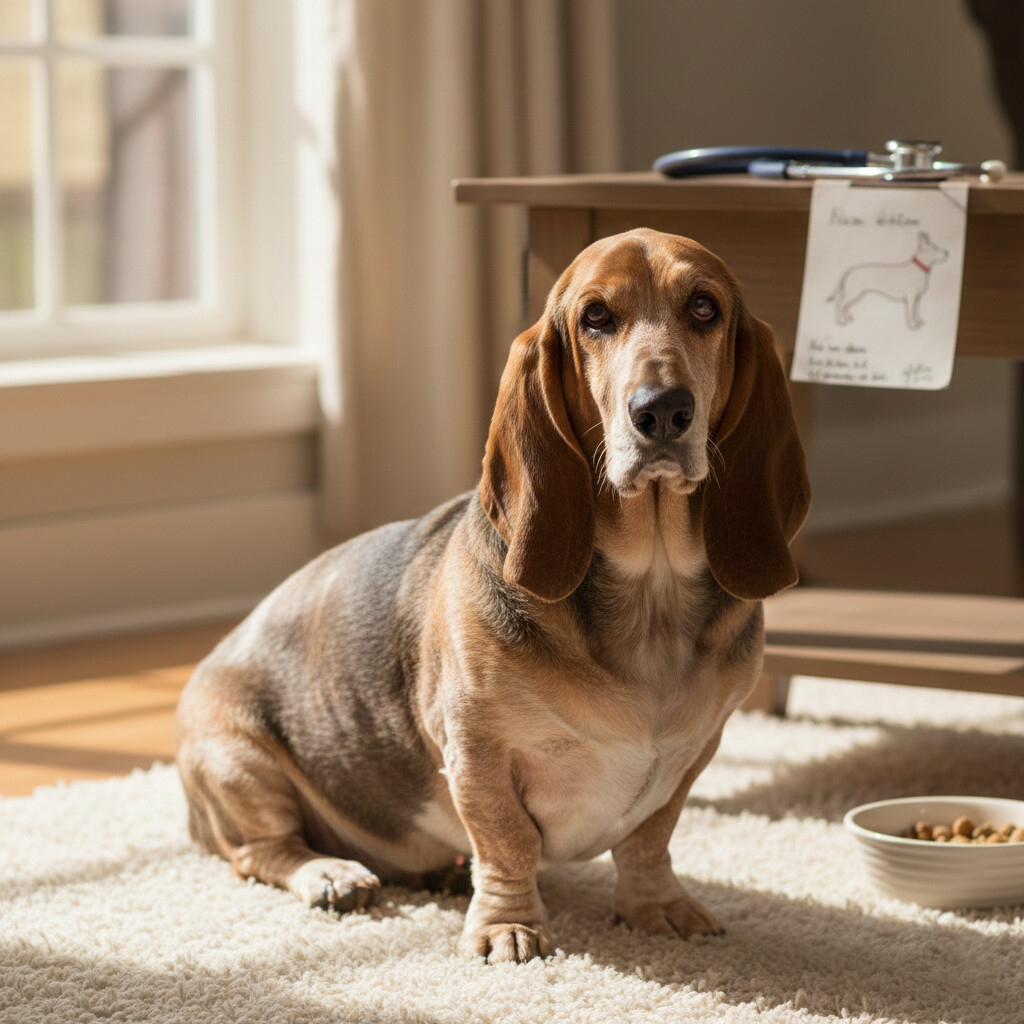
Signs of hormonal imbalance in dogs typically include unexplained hair loss (alopecia), significant changes in weight (gain or loss) without diet changes, excessive thirst and urination (polyuria/polydipsia), and noticeable shifts in energy levels or behavior. Common visible indicators also include skin darkening, a “pot-bellied” appearance, and chronic skin infections. If your dog exhibits these symptoms, immediate veterinary testing is required to rule out conditions like Hypothyroidism, Cushing’s Disease, or Diabetes.
Summary Table
| Condition | Primary Hormone Issue | Key Symptoms |
| Hypothyroidism | Low Thyroid Hormone | Weight gain, lethargy, hair loss, cold intolerance |
| Cushing’s Disease | High Cortisol | Pot-belly, increased thirst/urination, panting, thin skin |
| Addison’s Disease | Low Cortisol | Vomiting, diarrhea, shaking, weakness, weight loss |
| Diabetes Mellitus | Low/Ineffective Insulin | Excessive thirst, weight loss despite hunger, sweet breath |
| Alopecia X | Sex Hormone Imbalance | Symmetrical hair loss on trunk, black skin pigment |
Signs of Hormonal Imbalance in Dogs
Hormones are the chemical messengers that tell your dog’s body how to function. They control metabolism, growth, heart rate, skin health, and stress responses. When these chemical messengers are disrupted, either producing too much or too little, it creates a hormonal imbalance.
In dogs, these imbalances are often symptoms of underlying endocrine disorders. Because the signs can be subtle and develop slowly over time, many owners mistake them for normal aging. However, catching these signs early is crucial. Untreated hormonal issues can lead to severe organ damage and a shortened lifespan.
This guide details exactly what to look for, covering skin issues, behavioral shifts, and physical changes that indicate your dog needs a veterinarian.
Read Also: How to Prevent Joint Problems in Dogs
1. Skin and Coat Changes
The skin is often the first place hormonal imbalances show up. Because hormones regulate hair growth cycles and oil production, an internal problem frequently manifests externally.
Symmetrical Hair Loss (Alopecia)
One of the distinct signs of endocrine disorders is “bilateral symmetrical alopecia.” This means hair loss occurs on both sides of the body in the same pattern.
- Hypothyroidism: Often causes hair thinning on the flanks and tail (leading to a “rat tail” appearance). The hair that remains is often dry, brittle, and dull.
- Cushing’s Disease: Hair loss is usually on the trunk of the body, sparing the head and legs. The coat may simply fall out in clumps or fail to grow back after shaving.
- Alopecia X: Common in breeds like Pomeranians and Chow Chows, this condition causes progressive hair loss on the trunk and darkening of the skin, often called “Black Skin Disease.”
Changes in Skin Pigment and Texture
Hormones don’t just affect hair; they affect the skin underneath.
- Hyperpigmentation: The skin may turn dark or black, especially in hairless areas. This is a classic sign of chronic hormonal issues.
- Thinning Skin: In dogs with Cushing’s disease (hyperadrenocorticism), the skin becomes fragile and paper-thin. You might notice that your dog bruises easily or that simple scratches take a long time to heal.
- Calcinosis Cutis: This is a specific condition where calcium deposits form firm, gritty plaques on the skin. It is frequently associated with high cortisol levels.
Recurrent Infections
If your dog suffers from chronic ear infections, paw licking, or bacterial skin pyoderma that keeps coming back despite antibiotics, an underlying hormonal imbalance might be suppressing their immune system.
2. Weight Fluctuations Without Diet Changes
Your dog’s metabolism is heavily dictated by their thyroid and adrenal glands. When these are out of sync, your dog’s weight will change regardless of how much they eat or exercise.
Unexplained Weight Gain
This is the hallmark sign of Hypothyroidism. The thyroid gland dictates the metabolic rate. When it is underactive, the metabolism slows to a crawl.
- You are feeding the same amount of food.
- Your dog is getting the same amount of exercise.
- Yet, the dog continues to gain weight or cannot lose weight even on a diet.
Unexplained Weight Loss
Conversely, weight loss despite a ravenous appetite is a red flag for Diabetes Mellitus.
- In diabetes, the body cannot use glucose (sugar) for energy because it lacks insulin.
- The body begins breaking down fat and muscle for fuel instead.
- Your dog eats constantly but looks gaunt and loses muscle mass, particularly along the back and spine.
Addison’s Disease (hypoadrenocorticism) can also cause weight loss, but this is usually accompanied by a lack of appetite (anorexia) rather than increased hunger.
Read Also: Why Dogs Limp and When to Worry?
3. Excessive Thirst and Urination (PU/PD)
Veterinarians refer to this combination as Polyuria (excessive urination) and Polydipsia (excessive thirst). It is one of the most reliable indicators of endocrine disease.
Determining What Is “Excessive”
It can be hard to tell if a dog is drinking too much, but look for these behaviors:
- The water bowl is empty much faster than usual.
- The dog is drinking from toilets, puddles, or plant saucers.
- Your house-trained dog is suddenly having accidents inside.
- The dog needs to go outside in the middle of the night.
Conditions Linked to PU/PD
- Cushing’s Disease: High cortisol levels interfere with the hormone that helps the kidneys concentrate urine. The dog pees out large volumes of dilute urine and drinks water to compensate.
- Diabetes: High blood sugar spills over into the urine, pulling water with it. This causes massive dehydration, driving the dog to drink excessively.
- Hypercalcemia: High calcium levels, sometimes caused by parathyroid gland tumors, can also trigger extreme thirst.
If you notice these signs, do not restrict water. Restricting water for a dog with these conditions can lead to a medical crisis. Instead, schedule a vet appointment immediately.
4. Changes in Energy and Behavior
Hormones influence neurotransmitters and brain function. When levels are off, your dog’s personality and energy levels will shift.
Lethargy and Mental Dullness
A dog with Hypothyroidism often acts “tragic.”
- They may seem sad or depressed.
- They lose interest in walks or playing fetch.
- They sleep significantly more than they used to.
- They may exhibit “mental dullness,” where they stare at walls or seem confused.
Restlessness and Panting
On the opposite end of the spectrum, dogs with Cushing’s Disease often seem wired but tired.
- Excessive Panting: Panting when it is not hot, and the dog has not exercised,d is a classic symptom of high cortisol.
- Anxiety: The dog may pace at night, seem unable to get comfortable, or exhibit new anxieties.
Aggression or Irritability
While less common, rapid shifts in hormones can make a dog irritable. Pain or discomfort associated with these conditions can also lower a dog’s patience threshold, leading to snapping or grumpiness.
Read Also: How to Check Your Dog’s Vital Signs at Home
5. Body Shape Changes
Sometimes you can see the hormonal imbalance just by looking at the dog’s silhouette.
The Pot-Bellied Look
A distended abdomen is a primary symptom of Cushing’s Disease.
- High cortisol weakens the abdominal muscles.
- Simultaneously, the liver enlarges due to excess sugar and fat storage.
- The result is a pot-bellied appearance, where the dog looks fat in the stomach but has skinny legs due to muscle wasting.
Muscle Atrophy
Hormonal imbalances often cause the body to catabolize (break down) muscle for energy. You might notice your dog’s legs look thinner, the spine feels bony, or the temporal muscles on the head shrink, giving the skull a more prominent look.
6. Reproductive Abnormalities
In intact (non-neutered/non-spayed) dogs, sex hormones play a massive role. However, even in fixed dogs, adrenal issues can mimic sex hormones.
Signs in Female Dogs
- Irregular Heat Cycles: Missing a heat cycle, or having one that lasts too long (persistent estrus).
- Mammary Changes: Enlargement of the teats or milk production in a dog that is not pregnant (false pregnancy).
Signs in Male Dogs
- Feminization Syndrome: Caused by testicular tumors (like Sertoli cell tumors) that produce estrogen.
- Atrophy: Shrinking of the testicles (one or both).
- Gynecomastia: Enlarged mammary glands/nipples in a male dog.
- Squatting to Urinate: Male dogs that previously lifted their leg may begin squatting due to hormonal shifts affecting behavior or prostate size.
7. Gastrointestinal Upset
While vomiting and diarrhea can be caused by almost anything (from parasites to bad food), a specific pattern points to hormonal issues like Addison’s Disease.
The “Waxing and Waning” Sickness
Addison’s is known as “The Great Pretender” because its symptoms come and go.
- The dog may have a day of vomiting and diarrhea, then feel fine for a week.
- Stressful events (boarding, grooming, visitors) often trigger these episodes.
- Over time, these episodes become more frequent and severe, potentially leading to an Addisonian Crisis, which is life-threatening shock.
Read Also: Understanding Dog Vaccinations
Specific Breeds at Risk
Genetics plays a significant role in hormonal health. Knowing if your dog is a predisposed breed can help you stay vigilant.
- Golden Retrievers & Dobermans: Highly predisposed to Hypothyroidism.
- Poodles, Dachshunds, & Terriers: Prone to Cushing’s Disease.
- Standard Poodles & Portuguese Water Dogs: Higher risk for Addison’s Disease.
- Samoyeds & Keeshonds: Prone to Diabetes.
- Pomeranians: Prone to Alopecia X.
Diagnosis: What to Expect at the Vet
You cannot diagnose a hormonal imbalance at home. It requires blood work and imaging. When you take your dog to the vet for these symptoms, here is the typical process.
The Baseline Panel
Your vet will start with a Complete Blood Count (CBC) and Biochemistry Profile.
- Liver Enzymes: Often elevated in Cushing’s.
- Cholesterol: Often high in Hypothyroid dogs.
- Electrolytes: Sodium and Potassium levels are critical for diagnosing Addison’s.
- Glucose: High levels indicate Diabetes.
Specialized Endocrine Testing
If the baseline hints at an issue, specific tests are ordered:
- T4 and TSH: The gold standard for thyroid testing.
- ACTH Stimulation Test: Used to diagnose both Cushing’s and Addison’s by testing how the adrenal glands respond to stimulation.
- Low-Dose Dexamethasone Suppression Test: A sensitive test specifically for Cushing’s disease.
Imaging
- Ultrasound: Essential for looking at the size of the adrenal glands. Enlarged glands suggest Cushing’s; small, shriveled glands suggest Addison’s. It also checks for tumors on the pancreas or liver.
Treatment Options
The good news is that most hormonal imbalances are manageable, though rarely curable. They usually require lifelong medication.
- Hypothyroidism: Treated with a simple, inexpensive daily pill (Levothyroxine). The prognosis is excellent, and dogs usually return to normal within months.
- Diabetes: Requires daily insulin injections and strict diet control. Consistency is key.
- Cushing’s Disease: Treated with medication (like Vetoryl) that inhibits cortisol production. It requires frequent monitoring to get the dosage right.
- Addison’s Disease: Treated with monthly injections (Percorten or Zycortal) and daily steroids. Once stabilized, these dogs live normal, happy lives.
Conclusion
Hormonal imbalances in dogs are deceptive. They creep up slowly, changing your dog’s coat, weight, and personality in ways that are easy to dismiss as “just getting old.” However, these are medical conditions that affect every organ in your dog’s body.
The key to a long, healthy life for your pet is observation. If your dog is drinking more, losing hair symmetrically, or gaining weight without extra food, do not wait. A simple blood test can reveal the truth. With proper management, a dog with a hormonal imbalance can typically live a full, active, and happy life.