
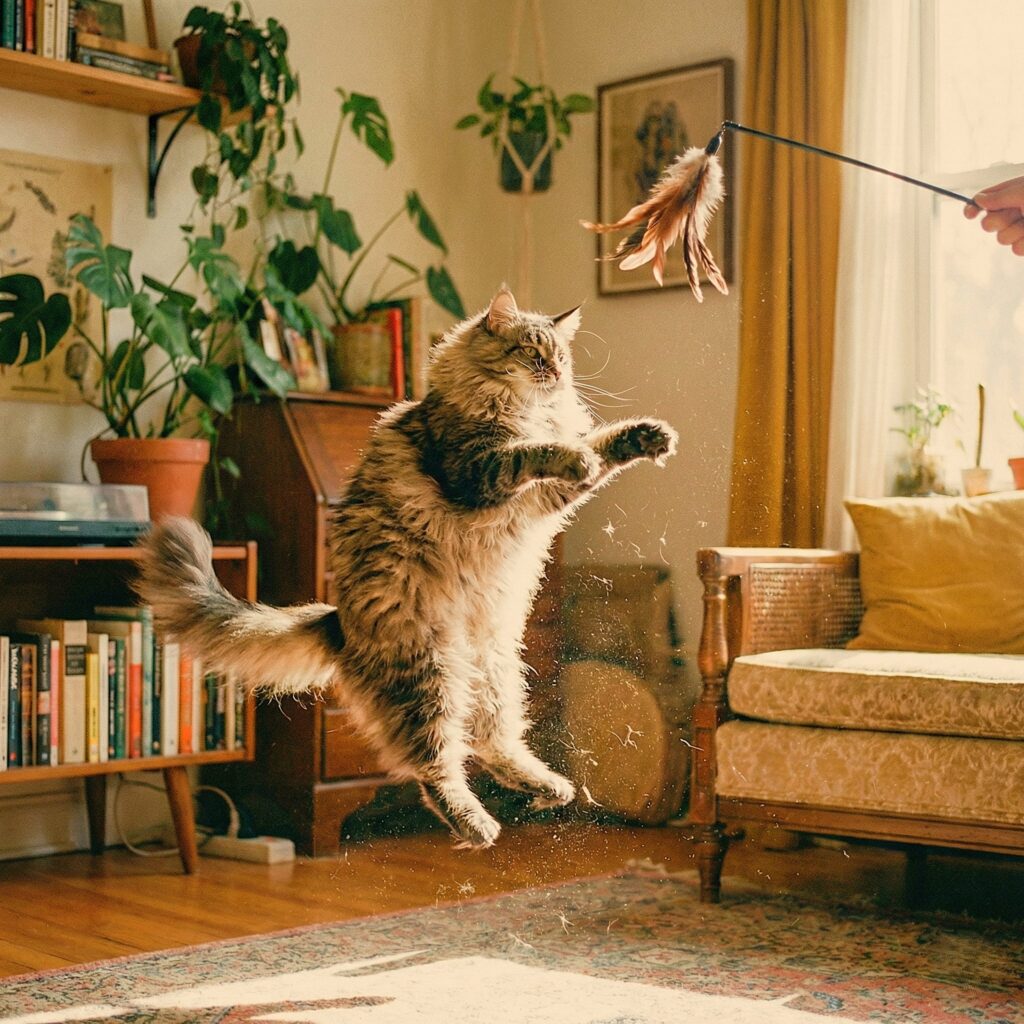
Seasonal changes affect cat behavior primarily due to fluctuations in daylight hours (photoperiod) and temperature. These environmental shifts trigger biological responses such as increased shedding in spring, reduced appetite and lethargy in summer, weight gain (hyperphagia) in autumn, and seeking warmth or increased sleep in winter. Even indoor cats retain these ancestral instincts.
Summary Table: Seasonal Behavior in Cats
| Season | Primary Behavior Change | Physical Change | Action for Owners |
| Spring | High energy, roaming, vocalizing | Shedding winter coat | Increase playtime; brush daily. |
| Summer | Lethargy, seeking cool spots | Appetite decreases (~15%) | Ensure hydration; provide cool zones. |
| Autumn | Increased appetite (Hyperphagia) | Coat thickening | Monitor portion sizes; rotate toys. |
| Winter | Sleeping more, seeking heat | Dry skin, stiff joints | Provide warm bedding; humidify air. |
Why Seasons Affect Your Cat: Complete Guide
Cats are masters of energy conservation and survival. Their biology is finely tuned to the environment, specifically the length of the day and the ambient temperature.
This sensitivity is largely due to photoperiodism. The amount of natural light a cat sees signals their brain to adjust hormone levels, metabolism, and hair growth.
While outdoor cats show these changes most drastically, indoor cats are not immune. Artificial lighting dampens the effect, but their ancient biological clock still ticks in rhythm with the sun.
Read Also: How to Help a Shy or Timid Cat Gain Confidence
1. Spring: The Season of High Energy
As days lengthen and temperatures rise, your cat’s metabolism and energy levels kick into high gear. Spring is often called “kitten season” because the longer days trigger reproductive cycles in unsterilized cats.
The “Zoomies” and Activity Spikes
You might notice your cat waking up earlier or having intense bursts of energy, often called the “zoomies.” This is a natural response to the stimulating return of prey animals (birds, rodents) and the instinctual urge to hunt after a dormant winter.
- Wandering: Outdoor cats will roam further to mark territory.
- Aggression: Pent-up energy can sometimes manifest as play aggression.
The Great Shed
Spring is the peak time for shedding. As the weather warms, cats lose their heavy winter undercoat. This isn’t just a few hairs; it is a full coat blowout.
- Hairballs: Increased grooming of loose fur leads to more hairballs.
- Grooming needs: Daily brushing is essential during these months to prevent matting and impaction.
2. Summer: The Season of Lethargy
When summer hits, cats go into energy-saving mode. Evolution has taught them that hunting in peak heat is dangerous, so they adapt by slowing down significantly.
Decreased Appetite
Studies have shown that cats eat approximately 15% less in the summer compared to winter. This is a common worry for owners, but it is usually normal. Since they are less active and don’t need to burn calories to keep warm, their caloric needs drop.
Seeking Cool Surfaces
You will find your cat “loafing” on tile floors, in bathtubs, or in the darkest corners of a closet. This is thermoregulation in action. Cats have limited ability to sweat (only through their paw pads), so conductive cooling against cold surfaces is their main defense against heatstroke.
Heat Safety Checks
- Hydration: Cats have a low thirst drive. In summer, you must encourage drinking by using fountains or adding water to wet food.
- Sunburn: White or light-colored cats can get sunburned on their ears and nose.
Read Also: Why Does My Cat Lick Metal?
3. Autumn: The Season of Preparation
Autumn triggers a biological alarm: Winter is coming. As daylight fades, your cat’s body begins to prepare for scarcity and cold, even if they have a full bowl of kibble every day.
Hyperphagia (Bulking Up)
You may notice your cat begging for food more often. This is called hyperphagia. In the wild, autumn is the last chance to build fat reserves before prey becomes scarce. Your cat might gain a small amount of weight during this time.
Nesting Behaviors
As the temperature drops, cats stop seeking cool tiles and start seeking vertical warmth. They may spend more time on top of refrigerators, cat trees, or in laundry baskets. They are looking for insulated, safe “nests” to conserve body heat.
Coat Thickening
The shedding slows down compared to spring, but the coat changes texture. The summer coat is replaced by a denser, plush winter undercoat.
4. Winter: The Season of Conservation
Winter is the season of rest. Activity levels hit their lowest point, and the focus shifts entirely to warmth and maintenance.
Increased Sleep
It is not your imagination; cats do sleep more in the winter. In the wild, conserving energy is vital when temperatures are freezing. Your cat might sleep up to 16-20 hours a day during these months.
Joint Pain and Stiffness
Cold weather can aggravate arthritis in older cats. You might notice your senior cat is less willing to jump on high counters or has trouble using the litter box if it has high sides.
Seeking Heat Sources
Cats become “heat missiles” in winter. Common behaviors include:
- Sleeping on electronics (laptops, routers).
- Burrowing under blankets.
- Sitting dangerously close to space heaters (monitor this closely to prevent burns).
Mental Health and Boredom
With windows closed and no birds to watch, indoor cats can suffer from a lack of stimulation. While not exactly “Seasonal Affective Disorder” (SAD) as humans know it, cats can become bored or depressed due to the lack of enrichment.
- Solution: Introduce puzzle feeders and rotate toys to keep their minds sharp.
Read Also: How much hair does a cat shed in a day?
Checklist for Cat Owners
To ensure your cat thrives in every season, keep this checklist handy:
- Monitor Water Intake: Critical in Summer (dehydration) and Winter (dry air).
- Adjust Diet: Slightly reduce calories in Summer; slightly increase in Winter if the cat is active.
- Grooming Routine: Heavy brushing in Spring; maintenance brushing year-round.
- Environmental Enrichment: Rotate toys in Winter to prevent boredom.
- Senior Care: Add a heating pad (on low) for older cats during cold months to soothe joints.
Frequently Asked Questions
Do indoor cats shed seasonally?
Yes, but it is less defined. Indoor cats live in climate-controlled environments with artificial light, which can confuse their biological clocks. This often results in a steady, year-round shed rather than two massive “blowouts,” though you will still see peaks in spring and fall.
Why is my cat aggressive in the spring?
Spring aggression is usually redirected energy. The sights, smells, and sounds of nature waking up can overstimulate a cat. If they cannot hunt the bird outside the window, they might “hunt” your ankles instead.
Should I feed my cat more in the winter?
Only if they are having trouble maintaining weight or spending time outdoors. For a strictly indoor cat who sleeps all day, increasing food in winter can actually lead to obesity. Monitor their body condition score rather than just filling the bowl.