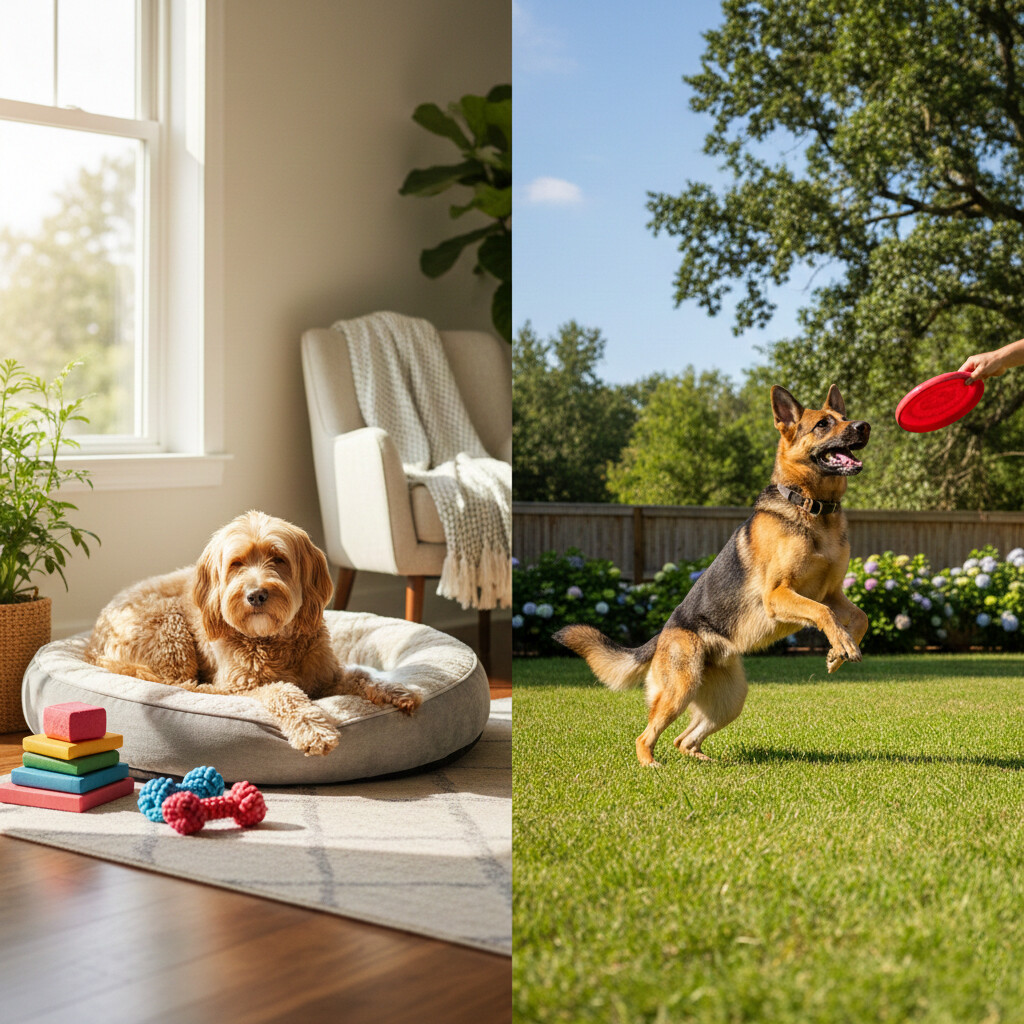
The consensus among veterinarians and animal behaviorists is that dogs generally thrive best as indoor pets with regular outdoor access. Dogs are social pack animals that require daily interaction with their “pack” (you). While some working breeds are physically capable of living outdoors if provided with an insulated shelter and rigorous safety measures, indoor dogs statistically live longer, healthier lives with fewer behavioral issues. The ideal setup often combines indoor living for socialization and safety with supervised outdoor time for exercise and enrichment.
Summary Table
| Feature | Indoor Dogs | Outdoor Dogs |
| Lifespan | Generally longer (protected from accidents/predators) | Statistically shorter due to environmental hazards |
| Health Risks | Obesity, lack of exercise | Parasites (ticks/fleas), heatstroke, frostbite, injury |
| Socialization | Low risk of isolation distress and aggression | Low; risk of isolation distress and aggression |
| Behavior | Prone to separation anxiety if ignored | Prone to nuisance barking, digging, and escaping |
| Maintenance | Higher cleaning needs (shedding/accidents inside) | Higher infrastructure needs (fencing/insulated housing) |
| Security | Low risk of theft | Higher risk of theft or escape |
Indoor vs Outdoor Dogs: Pros and Cons
Deciding where your new canine companion will spend their days is one of the first and most critical decisions you will make as a pet parent. This choice impacts not just your home’s cleanliness, but your dog’s physical health, mental well-being, and lifespan.
Historically, dogs were often kept outside to guard property or livestock. However, as the human-animal bond has evolved, the “fur baby” phenomenon has moved the majority of dogs into the living room and even onto the bed. Yet, some owners still believe a dog is happier with constant access to fresh air and nature.
This guide breaks down the reality of both lifestyles, stripping away the myths to help you make an informed choice based on facts, safety, and breed requirements.
Read Also: How Weather Affects Dog Behavior?
Indoor Dogs: Life on the Couch
Keeping a dog primarily indoors means they share your living space, sleeping, eating, and relaxing within the climate-controlled safety of your home.
The Pros of Indoor Living
- Maximum Safety: The most significant benefit is protection. Indoor dogs are shielded from cars, aggressive stray animals, poisonous plants, and malicious strangers. They are also safe from extreme weather events like heatwaves or blizzards.
- Health Monitoring: When a dog lives with you, you notice small changes immediately. A slight limp, a skipped meal, or a change in stool consistency is spotted instantly, leading to faster veterinary intervention.
- Stronger Bonding: Dogs are social creatures that co-evolved with humans. Living in close quarters fosters a deep emotional connection. You become their pack, and they become attuned to your routine and emotions.
- Parasite Control: While not immune, indoor dogs have significantly lower exposure to fleas, ticks, heartworm-carrying mosquitoes, and intestinal worms compared to dogs constantly exposed to soil and grass.
- Better Behavior Control: It is easier to train a dog that you are constantly supervising. You can correct bad habits like chewing or jumping immediately, rather than discovering a destroyed garden hours later.
The Cons of Indoor Living
- The Mess Factor: Dog hair on the sofa, muddy paw prints on the rug, and the occasional potty accident are realities of indoor dogs. You will likely spend more time vacuuming and cleaning.
- Sedentary Lifestyle Risks: Indoor dogs are prone to obesity. Without the constant stimulation of the outdoors, they may sleep all day. You must be proactive about scheduling walks and play sessions.
- Lack of Enrichment: A bored indoor dog can become destructive. If you work long hours, an indoor dog may develop separation anxiety, leading to chewed baseboards or incessant howling.
Outdoor Dogs: The Call of the Wild
An “outdoor dog” spends the majority of their day and night outside, usually in a fenced yard, kennel run, or on a farm property.
The Pros of Outdoor Living
- Constant Stimulation: The outdoors is a sensory buffet for dogs. The smells of wildlife, the sound of wind, and the visual movement of leaves provide mental engagement that a quiet living room cannot match.
- Space to Burn Energy: For high-energy working breeds, a yard allows them to sprint, patrol, and stretch their legs whenever they choose. This can prevent the “zoomies” that often knock over indoor furniture.
- Cleaner Home: Your furniture remains fur-free, and you do not have to worry about muddy paws ruining the carpet or house-training accidents on your hardwood floors.
- Property Protection: Many owners keep outdoor dogs specifically for security. A dog patrolling the perimeter is a strong visual deterrent to potential intruders.
The Cons of Outdoor Living
- Weather Hazards: This is the biggest risk. Dogs are susceptible to heatstroke in summer and hypothermia in winter. An insulated dog house is often not enough in extreme temperatures. “Backyard dogs” frequently suffer from dehydration or frozen water bowls.
- Social Isolation: Dogs are not solitary animals. An isolated dog is an unhappy dog. Relegating a dog to the backyard often leads to “barrier frustration,” resulting in non-stop barking, digging under fences, or aggression toward anyone walking by.
- Escaping and Theft: Outdoor dogs are escape artists. They can jump fences, dig tunnels, or slip collars. Once out, they risk being hit by traffic. Sadly, high-value breeds left outdoors are also prime targets for pet theft.
- Missed Health Signs: Because you aren’t watching them 24/7, you might miss early warning signs of illness. You might not notice a tumor, a skin infection, or weight loss until the condition is advanced.
- Nuisance Behavior: Boredom is the enemy of the outdoor dog. Without a job to do, they will create their own fun, which usually involves destroying your landscaping, digging craters, or barking at squirrels for hours, potentially causing legal issues with neighbors.
Read Also: Why Some Dogs Love Water and Others Don’t?
What the Experts Say
Veterinary organizations like the AVMA (American Veterinary Medical Association) and the AKC (American Kennel Club) generally advise against keeping dogs strictly outdoors as solitary pets.
The consensus is that while a dog can physically survive outdoors, they rarely thrive emotionally without significant human interaction. If a dog must live outdoors, experts state that:
- Shelter is non-negotiable: It must be windproof, waterproof, and insulated.
- Interaction is mandatory: The owner must spend at least 1-2 hours daily actively playing with or training the dog in the yard.
- Climate matters: Short-haired breeds (like Boxers) and brachycephalic breeds (like Pugs) should never be outdoor dogs due to their inability to regulate body temperature effectively.
Breed Suitability Guide
Not all dogs are created equal. Genetics play a massive role in where a dog will be happiest.
Best Breeds for Indoor Living
These dogs often have lower energy needs or coats that are ill-suited for rough weather.
- French Bulldog / Pug: Their flat faces make breathing difficult in hot or cold air. They need climate control.
- Greyhound: Despite being fast, they have very thin skin and body fat. They are sensitive to cold and are notoriously lazy “couch potatoes” at home.
- Cavalier King Charles Spaniel: Bred purely for companionship, they suffer severe anxiety if separated from their humans.
- Chihuahua / Yorkie: Their small size makes them vulnerable to predators (hawks, coyotes) and cold temperatures.
Breeds That Can Adapt to Outdoor Living
These dogs have double coats and working heritages, but they still require social interaction.
- Great Pyrenees: Bred to guard livestock in the mountains, they have thick, weather-resistant coats and an independent nature.
- Siberian Husky / Alaskan Malamute: Built for sub-zero temperatures. However, they are high-flight risks and need secure containment. Note: They cannot handle high heat.
- Australian Cattle Dog: Tough working dogs that thrive on having a job and space to run.
- German Shepherd: Versatile and hardy, though they bond closely with handlers and prefer to be near them.
The Hybrid Solution: The Best of Both Worlds
You do not have to choose one extreme. The healthiest and most popular approach is the Hybrid Model.
In this setup, the dog lives indoors, sleeping inside and spending evenings with the family, but has access to a secure yard via a doggy door or frequent supervised outings.
Why this works
- Social Fulfillment: The dog gets their “pack time” with you in the evenings and mornings.
- Physical Outlet: They get to patrol the yard, sunbathe, and sniff around during the day.
- Safety Net: They sleep inside, safe from nocturnal predators and temperature drops.
Enrichment for the Hybrid Dog
To make this work, the outdoor time must be high-quality. A flat grass yard is boring. Add “enrichment” to your yard:
- Sandbox: A designated digging spot to save your flowerbeds.
- Agility Equipment: A simple tunnel or jump to keep them active.
- Splash Pool: A shallow plastic pool for hot days.
Read Also: How to Choose the Right Dog for Your Lifestyle?
Essential Safety Checklist for Outdoor Access
If your dog spends significant time outside, even if they sleep indoors, you must “dog-proof” the environment.
1. Fencing Integrity
A physical fence is superior to an invisible electric fence. Electric fences do not stop other animals/people from entering your yard to harm your dog. Ensure the fence is high enough to prevent jumping and buried deep enough to prevent digging.
2. Microchipping and ID
Collars can fall off. A microchip is the only permanent form of identification. If your outdoor dog chases a squirrel and gets lost, a registered microchip is their ticket home.
3. Toxic Plant Removal
Common backyard plants like Azaleas, Sago Palms, and Oleander are deadly toxic to dogs. Audit your garden and remove these hazards.
4. Fresh Water Access
Hydration is critical. Use a tip-proof bowl or an automatic waterer. In winter, ensure the water does not freeze. In summer, place the water in the shade to keep it cool.
Making Your Decision
When making the final call, ask yourself these three honest questions:
1. What is my climate?
If you live in Arizona (extreme heat) or Minnesota (extreme cold), keeping a dog outdoors is dangerous and difficult. Indoor living is the humane choice in extreme climates.
2. How much time do I have?
If you work 10 hours a day and come home tired, will you really go outside to play with the yard dog? If the answer is no, the dog will be neglected. An indoor dog can hang out with you while you cook or watch TV, getting socialization without extra effort.
3. Why do I want a dog?
If you want a companion, they should be indoors. If you want a security alarm, a camera system is cheaper and more reliable. If you want a livestock guardian, an outdoor working dog is appropriate.
Conclusion
The modern view of dog ownership leans heavily toward indoor living with outdoor activity. This balance ensures your dog is safe, healthy, and emotionally satisfied while still getting to be a dog.
We must remember that to a dog, you are their entire world. Relegating them to a lonely life in the backyard denies them the one thing they want most: your companionship. Whether they are a tiny Chihuahua or a giant Mastiff, their favorite place to be is usually right by your side.