
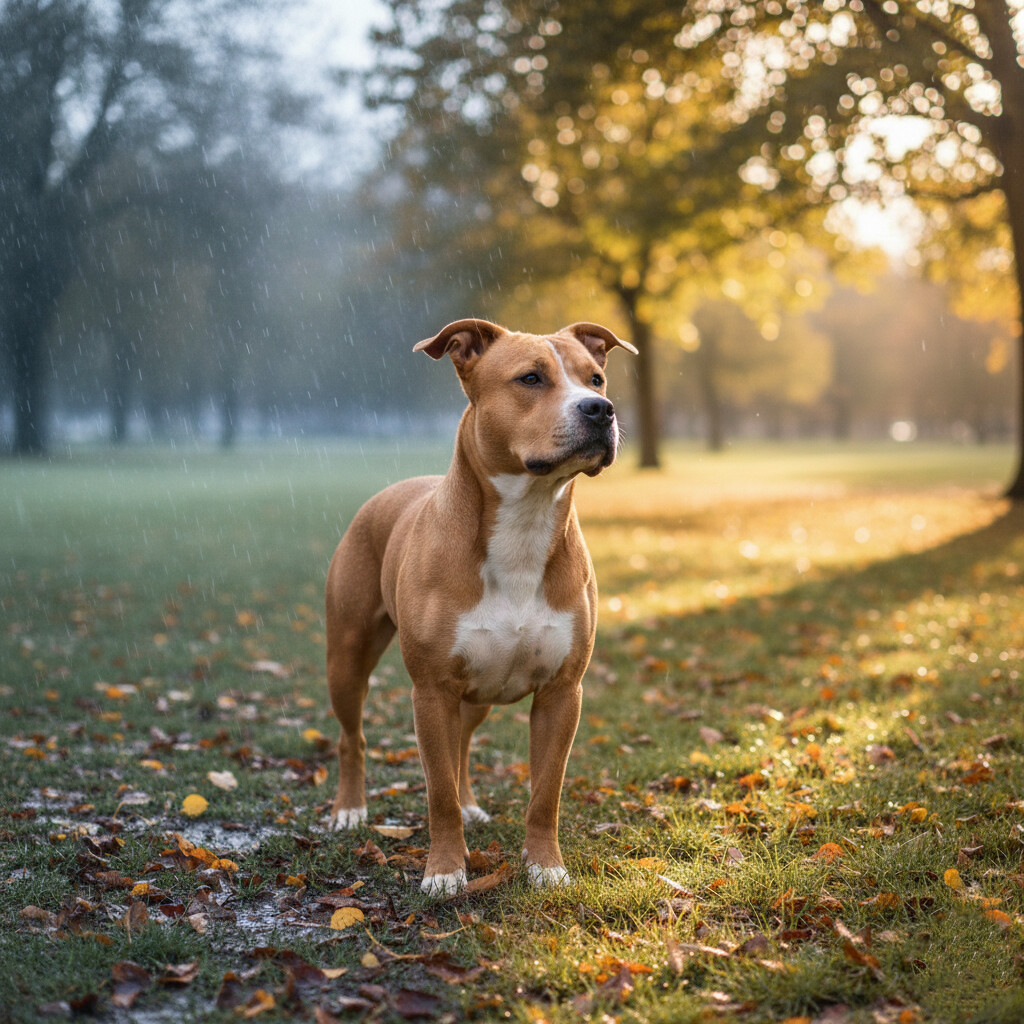
Weather changes directly impact dog health by straining their immune system, joints, and regulatory mechanisms. Barometric pressure drops can worsen arthritis pain and trigger storm anxiety, while temperature fluctuations increase the risk of respiratory infections, heatstroke, or hypothermia. Seasonal shifts also spike environmental allergens, causing skin and coat issues like dermatitis.
Summary Table: Weather Impacts on Dog Health
| Weather Condition | Health Impact | Common Symptoms | Actionable Tip |
| Cold & Damp | Arthritis flare-ups | Limping, stiffness, slow to stand | Use heated orthopedic beds. |
| High Heat/Humidity | Heatstroke & Dehydration | Excessive panting, drooling, lethargy | hydration & cooling mats. |
| Pressure Drop | Anxiety & Joint Pain | Pacing, hiding, whining | Thundershirt or calming treats. |
| High Pollen (Spring) | Seasonal Allergies | Itchy paws, ear infections, sneezing | Wipe paws after every walk. |
| Dry Winter Air | Skin Irritation | Dandruff, scratching, brittle coat | Add fish oil to their diet. |
How Do Weather Changes Affect Dog Health?
We often check the weather forecast to decide what to wear, but we rarely stop to think about how those same shifts impact our dogs. While dogs are resilient animals, their bodies are sensitive to atmospheric changes. From the achy joints caused by a sudden storm front to the skin flare-ups that arrive with spring pollen, weather plays a massive role in your pet’s daily well-being.
Understanding these biological responses is not just about keeping your dog comfortable; it is about preventing serious medical emergencies.
This guide breaks down exactly how different weather patterns physically and mentally affect your dog and what you can do to manage it.
Read Also: Common Skin Problems in Dogs
1. The Impact of Barometric Pressure on Joints
One of the most scientifically supported ways weather affects dogs is through their joints. You might notice your older dog moving more slowly when a storm is approaching. This is not a myth; it is biology.
Why Pressure Drops Cause Pain
Barometric pressure is the weight of the air pressing down on us. When a storm system moves in, this pressure drops.
In dogs with osteoarthritis or chronic joint injuries, the fluids and gases inside the joint capsule expand slightly because there is less atmospheric pressure holding them back. This expansion puts pressure on already inflamed nerves and tissue, causing increased pain and stiffness.
Signs of Weather-Related Joint Pain
- Difficulty Standing: Hesitation before getting up from a nap.
- Lagging Behind: Walking slower than usual during walks.
- Licking Joints: Obsessively licking a specific knee or hip.
- Irritability: Snapping when touched near the hips or back.
Managing Joint Pain During Weather Shifts
If you see the forecast predicting rain or a cold front, start your management routine early. Keep your dog warm, as heat helps relax stiff muscles and improves circulation.
An orthopedic bed is essential for keeping them off cold floorboards. Consult your veterinarian about increasing joint supplements (like Glucosamine and Chondroitin) or using anti-inflammatory medication (NSAIDs) preemptively during these weather windows.
2. Temperature Fluctuations and Immune Health
Sudden swings in temperature, like those “false spring” days followed by a freeze, can wreak havoc on a dog’s immune system.
Just like humans, dogs are more susceptible to illness when their bodies are working overtime to regulate their internal temperature.
The Respiratory Risk
When the air gets cold and dry, the mucous membranes in your dog’s nose and throat can dry out. These membranes are the first line of defense against viruses and bacteria. When they are dry and cracked, pathogens like Kennel Cough (Bordetella) or canine influenza can enter the system more easily.
Conversely, high humidity can trap pollutants and allergens near the ground, making breathing difficult for dogs with asthma or collapsing trachea.
Regulating Body Temperature
Dogs do not sweat like humans; they pant to release heat. If the weather warms up suddenly in early spring, your dog’s body may not have acclimated yet.
They might still have their thick winter undercoat, putting them at high risk for heat exhaustion even in temperatures that seem mild (like 70°F or 21°C).
Warning Signs of Temperature Stress:
- Dry, hacking cough
- Nasal discharge (green or yellow indicates infection)
- Lethargy or refusal to eat
- Excessive panting in mild weather
Read Also: How to Tell If Your Dog Is Dehydrated
3. Seasonal Allergies and Skin Conditions
Weather changes signal plants to release pollen or mold spores to multiply. For dogs with environmental allergies (atopy), specific weather patterns are direct triggers for severe skin irritation.
Spring and Summer: The Pollen Explosion
As soon as the weather warms, tree and grass pollens saturate the air. Dogs absorb these allergens through their skin and paws, not just by inhaling them. This leads to an immune response where the skin becomes inflamed and itchy.
- Paws: Look for rusty-red staining on the fur between toes (caused by saliva from licking).
- Ears: waxy discharge and head shaking are common signs of allergic ear infections.
Autumn and Winter: Mold and Dry Air
Wet autumn leaves are a breeding ground for mold. If your dog loves jumping in leaf piles, they are being exposed to high concentrations of mold spores.
In winter, the issue shifts to low humidity. Artificial indoor heating sucks moisture out of the air, leading to dry, flaky skin (dandruff) and brittle coats.
Combatting Weather-Related Skin Issues
- Wipe Paws: Use fragrance-free wipes or a damp towel to clean your dog’s paws after every walk to remove pollen and mold.
- Humidifiers: Run a humidifier in the room where your dog sleeps during winter.
- Omega Fatty Acids: Add fish oil to their food to strengthen the skin barrier against allergens.
4. The Hidden Dangers of Heat and Humidity
Many owners underestimate how quickly a dog can overheat. It is not just about the number on the thermometer; humidity is the silent killer.
The Humidity Factor
When humidity is high, moisture does not evaporate from your dog’s tongue effectively. Since panting relies on evaporation to cool the blood, high humidity renders their primary cooling mechanism useless. A dog can suffer from heatstroke at 80°F (26°C) if the humidity is high, whereas they might be safe at 90°F (32°C) in dry heat.
Brachycephalic Breeds
Dogs with flat faces (Pugs, Bulldogs, Boxers) are functionally handicapped when it comes to weather changes. Their shortened airways make it incredibly difficult to move enough air to cool down. For these breeds, even a moderate shift to warmer weather requires strict activity restriction.
Critical Signs of Heatstroke:
- Bright red or purple gums
- Thick, ropey saliva
- Dizziness or stumbling
- Vomiting
5. Cold Weather Risks: Hypothermia and Frostbite
On the other end of the spectrum, extreme cold poses immediate threats, especially to small breeds, senior dogs, and those with short coats.
Frostbite Vulnerability
When a dog gets cold, their body constricts blood vessels in the extremities to keep the core organs warm. This leaves the ears, tail, and paws vulnerable to freezing. Frostbite is not always immediately visible; the tissue may turn pale or gray and then become black and necrotic days later.
The Danger of Salt and Ice Melt
Winter weather brings ice, and with it, chemical de-icers. These chemicals can cause chemical burns on your dog’s paw pads. Furthermore, if your dog licks their paws to clean them, they can ingest toxic salts that cause kidney damage.
Winter Protection Strategy:
- Booties: The best protection against ice shards and chemicals.
- Paw Balm: Creates a wax barrier against cold and salt.
- Coats: Essential for single-coated breeds (like Greyhounds or Pitbulls) to maintain core temperature.
Read Also: How Often Should Dogs Visit the Vet?
6. Storm Anxiety and Atmospheric Static
Weather affects mental health as much as physical health. Thunderstorm phobia is a genuine panic disorder in dogs, and it often starts long before the first clap of thunder.
Sensing the Change
Dogs are sensitive to the drop in barometric pressure that precedes a storm. Some experts also believe that dogs can feel the buildup of static electricity in their fur before a storm, which can feel like uncomfortable tingling or shocks.
Behavioral Indicators
If your dog starts pacing, panting, or trying to hide in a bathtub (which acts as an electrical ground) hours before it rains, they are reacting to the weather.
Managing Storm Stress
- Safe Space: Create a windowless “bunker” with white noise to block out thunder.
- Anti-Static Jackets: Some anxiety wraps come with anti-static linings that may help reduce the physical discomfort of static charge.
- Desensitization: Play storm sounds at a low volume while giving treats to create positive associations.
Actionable Tips for Every Season
To keep your dog healthy year-round, you need to be proactive rather than reactive.
1. Monitor the “Feels Like” Temperature
Always check the “RealFeel” or heat index. If it is too hot or cold for you to stand outside comfortably for 10 minutes, it is unsafe for your dog.
2. Adjust Diet and Hydration
- Summer: Encourage more water intake. You can add water to their kibble or use pet fountains.
- Winter: You may need to slightly increase calories for active dogs, as shivering and keeping warm burn more energy.
3. Grooming for the Weather
Never shave a double-coated dog (like a Husky or Golden Retriever) in the summer. Their coat insulates them from heat just as it does from cold. Shaving them exposes them to sunburn and heatstroke. Instead, focus on deshedding to remove the loose undercoat so air can circulate near the skin.
4. Update Parasite Prevention
Weather changes influence flea and tick populations. A mild winter often means a severe tick season in the spring. Do not stop flea and tick prevention just because it is cold; ticks can survive near freezing temperatures and become active on slightly warmer days.
When to See a Veterinarian
While most weather-related changes can be managed at home, certain symptoms require professional help. If you notice persistent coughing, sudden limping that does not improve with warmth, or any signs of heat stress, contact your vet immediately.
The weather is a constant force in your dog’s life. By recognizing how pressure, temperature, and humidity dictate their health, you can make the small adjustments necessary to ensure they stay happy, active, and safe, come rain or shine.