
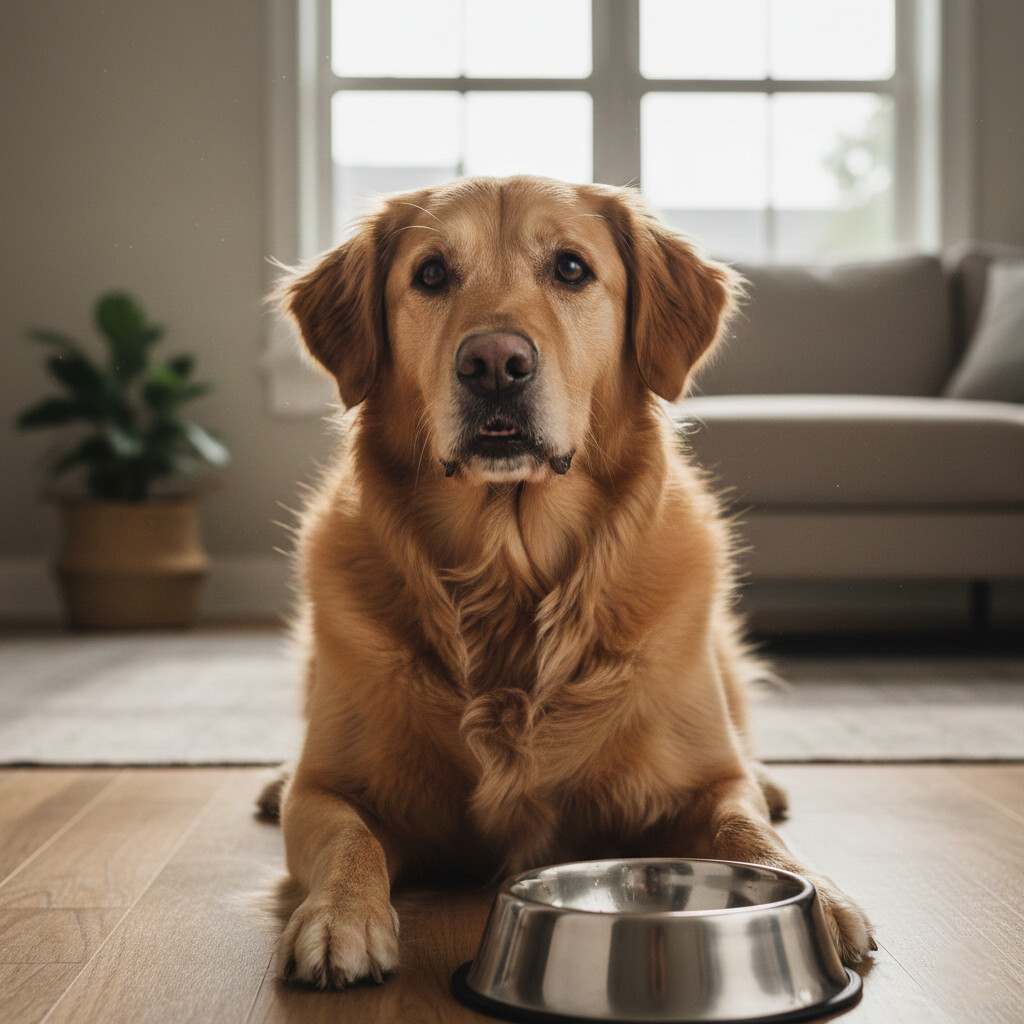
To quickly check if your dog is dehydrated, perform the “skin tent” test: gently lift the loose skin on the back of their neck. If it snaps back instantly, they are hydrated; if it stays lifted or moves back slowly, they are likely dehydrated. Other key signs include dry or sticky gums, thick saliva, sunken eyes, lethargy, and loss of appetite. If you suspect severe dehydration, contact your veterinarian immediately.
Summary Table
| Feature | Healthy Dog | Dehydrated Dog |
| Skin Elasticity | Snaps back immediately | Returns slowly or stays up |
| Gums | Wet, slick, pink | Dry, sticky, tacky |
| Capillary Refill | Color returns in < 2 seconds | Takes > 2 seconds |
| Eyes | Bright, shiny | Sunken, dull, dry |
| Nose | Moist (usually) | Very dry, cracked |
| Energy Level | Normal, active | Lethargic, weak |
| Appetite | Normal eating habits | Loss of appetite, vomiting |
How to Tell If Your Dog Is Dehydrated
Water is just as important for dogs as it is for humans. It affects almost every important bodily function your pet has. Water helps regulate body temperature, cushions internal organs, lubricates joints, and aids in digestion. When a dog loses more fluid than they take in, their body begins to shut down essential processes to save water for the vital organs.
This state is called dehydration. It is not just about being thirsty. It is a serious medical condition that causes a loss of electrolytes like chloride, sodium, and potassium. These minerals are essential for muscle function and heart health. If left untreated, severe dehydration can lead to kidney failure, loss of consciousness, and even death.
As a responsible dog owner, learning to spot the early warning signs is crucial. Dogs cannot tell us when they feel faint or thirsty. By the time a dog looks obviously sick, they may already be in danger.
This guide will walk you through exactly how to check your dog for dehydration and what steps you need to take to get them healthy again.
Read Also: How Often Should Dogs Visit the Vet?
1. The Skin Tent Test: The Easiest Way to Check
The most reliable way to check for dehydration at home is by testing skin elasticity. This is often called the “skin tent” or “skin turgor” test. In a healthy dog, the skin is elastic and hydrated. It should snap back into place immediately after being pulled. When a dog is dehydrated, the skin loses this elasticity.
How to perform the test:
- Locate the spot: Find the loose skin over your dog’s shoulder blades or at the back of the neck. Do not use the skin on the head or near the tail, as it is less elastic naturally.
- Pinch and lift: Gently grasp the skin between your thumb and forefinger. Lift it up roughly two to three inches from the body. It should look like a small tent.
- Release: Let go of the skin and watch closely.
- Observe the reaction:
- Hydrated: The skin snaps back into place instantly. You should barely see it move back down because it is so fast.
- Dehydrated: The skin returns to its original position slowly. It might look like it is sliding back into place like thick dough.
- Severely Dehydrated: The skin remains in the lifted “tent” position even after you let go. This is a critical emergency.
Note: This test can be tricky with older dogs or certain breeds with very loose skin (like Bloodhounds or Shar Peis) or very tight skin. For these dogs, you should rely more on gum texture and energy levels.
2. Check the Gums and Saliva
If the skin test is inconclusive, checking your dog’s mouth is the next best step. The mucous membranes in the mouth are excellent indicators of overall hydration.
Texture and Moisture
Run your finger gently along your dog’s gums.
- Normal: The gums should feel wet, slippery, and slimy, similar to the inside of your own cheek.
- Warning Sign: If the gums feel sticky, dry, or tacky (like glue is drying on them), your dog is likely dehydrated.
- Saliva: Look at their drool or saliva. In a dehydrated dog, saliva often becomes thick, ropey, or foamy rather than fluid and clear.
Capillary Refill Time (CRT)
This is a standard test veterinarians use to check blood flow and hydration.
- Lift your dog’s lip to expose the gum line.
- Press your finger firmly against a pink area of the gum. The gum should turn white or pale where you pressed.
- Remove your finger and count how many seconds it takes for the pink color to return.
- Healthy: The color returns in less than 2 seconds.
- Dehydrated: It takes 2 to 3 seconds or longer for the pink color to return. This indicates poor circulation due to low blood volume.
3. Inspect the Eyes and Nose
A dog’s face can tell you a lot about their fluid levels. When the body is low on water, it pulls fluid away from non-essential areas, leading to visible changes in the eyes and nose.
The Eyes
- Sunken Appearance: As the fat pads behind the eyes lose moisture, the eyes can appear to sink back into the eye sockets. This gives the dog a weary, hollowed-out look.
- Dryness: The eyes may look dull rather than shiny. You might notice the “third eyelid” (haw) becoming visible or protruding.
The Nose
While a dry nose doesn’t always mean a dog is sick (it can happen during sleep), a nose that is extremely dry, cracked, or peeling is a red flag when combined with other symptoms like lethargy.
Read Also: How Stress Affects a Dog’s Health
4. Monitor Energy Levels and Behavior
Dehydration affects the brain and muscles, leading to distinct behavioral changes. You know your dog’s personality best. If they are acting differently, pay attention.
- Lethargy: This is the most common sign. A dehydrated dog will not want to play. They may sleep more than usual, move slowly, or show no interest in going for a walk.
- Loss of Appetite: Dehydrated dogs often refuse to eat. Even high-value treats might be ignored.
- Panting: Excessive panting is a sign of overheating, which causes rapid water loss. If your dog is panting heavily while resting in a cool room, check their hydration immediately.
- Vomiting and Diarrhea: These are both causes and symptoms of dehydration. If your dog is losing fluids through vomiting, they will become dehydrated very quickly, which makes them feel worse, creating a dangerous cycle.
Common Causes of Dehydration in Dogs
Understanding why your dog is dehydrated is essential for preventing it in the future. It is rarely just because they didn’t drink enough water; usually, there is an underlying reason.
Heatstroke and Overheating
Dogs do not sweat like humans. They release heat primarily through panting and slightly through their paw pads. On hot summer days, they lose water rapidly through panting. If this water isn’t replaced, they can suffer from heatstroke.
Illness
Any illness that causes vomiting or diarrhea causes the body to lose fluid much faster than it can be absorbed. Kidney disease, diabetes, and cancer can also cause increased urination, which drains the body of fluids.
Refusal to Drink
Sometimes a dog will stop drinking because of mouth pain, a toothache, or simply because the water in their bowl is dirty or stale. Stress from moving to a new home or boarding can also cause a dog to go on a “drinking strike.”
Dietary Changes
If you switch your dog from wet canned food (which has high water content) to dry kibble, their water intake needs to increase significantly. If they don’t adjust their drinking habits, mild dehydration can occur.
High-Risk Groups
Some dogs are more prone to dehydration than others. If your dog falls into one of these categories, you need to be extra vigilant.
- Puppies: Their bodies are small, and they have less reserve bodily fluids. Vomiting or diarrhea in a puppy is an emergency.
- Senior Dogs: Older dogs often have underlying health issues like kidney disease that compromise hydration. They may also have arthritis pain that makes walking to the water bowl difficult.
- Toy Breeds: Small dogs like Chihuahuas and Yorkies are similar to puppies; they can dehydrate very rapidly due to their small size.
- Nursing Mothers: Mother dogs need massive amounts of water to produce milk. If they don’t get it, they will deplete their own body’s supply.
- Brachycephalic Breeds: Dogs with flat faces (Pugs, Bulldogs, Boxers) pant less efficiently, making them more susceptible to overheating and dehydration.
What to Do If Your Dog Is Dehydrated
If you have performed the checks above and confirmed your dog is dehydrated, you need to act based on the severity.
Mild Dehydration (Home Care)
If your dog is alert, acting mostly normal, and the symptoms are mild (slightly tacky gums):
- Offer Water Slowly: Do not let them gulp a huge bowl of water, as this can cause vomiting. Give them small amounts (a few tablespoons) every 10 to 15 minutes.
- Ice Chips: If they won’t drink, try offering ice chips to lick. This hydrates them slowly.
- Electrolytes: You can ask your vet about electrolyte solutions made specifically for dogs. Do not use human sports drinks like Gatorade without vet approval, as the sugar and sodium levels are often too high.
- Wet Food: Mix water into their food or offer wet canned food to increase fluid intake.
Severe Dehydration (Emergency)
If your dog has sunken eyes, skin that stays tented, or is collapsing/unconscious:
- Go to the Vet Immediately: This is life-threatening. Home remedies will not work fast enough.
- IV Fluids: The vet will likely administer intravenous (IV) fluids or subcutaneous fluids (fluids injected under the skin) to replace lost water and minerals rapidly.
- Treat the Cause: The vet will run blood tests to determine if kidney failure, diabetes, or an infection is causing the dehydration.
Read Also: Signs Your Dog Is Overstimulated
Prevention: Keeping Your Dog Safe
The best cure for dehydration is prevention. By making small changes to your routine, you can ensure your dog stays happy and hydrated.
Always Provide Fresh Water
Ensure your dog has access to clean water 24/7. Wash the bowl daily to prevent bacterial growth, which can make the water taste bad. If you have a large house, place water bowls in multiple rooms so your dog never has to go far for a drink.
Monitor During Exercise
If you are hiking or playing fetch, bring a portable water bottle and a collapsible bowl. Offer water every 15 to 20 minutes, even if they don’t seem thirsty. Avoid intense exercise during the hottest parts of the day (usually 10 AM to 4 PM).
Flavor the Water
If your dog is a reluctant drinker, try adding a splash of low-sodium chicken broth or bone broth to their water bowl to make it more appealing. You can also invest in a pet water fountain; the running water sound often encourages dogs to drink more.
Check for Illness
Keep up with regular vet checkups. Catching conditions like diabetes or kidney disease early allows you to manage them before they cause chronic dehydration.
Conclusion
Dehydration is a scary condition, but it is highly treatable if caught early. By regularly checking your dog’s skin elasticity, gum moisture, and energy levels, you can stay ahead of the problem.
Remember, you are your dog’s best advocate. If you ever feel uncertain about their hydration status, it is always safer to visit the vet than to wait and see. Keep their bowls full, keep them cool, and keep an eye on those gums to ensure your furry friend stays healthy and active for years to come.