
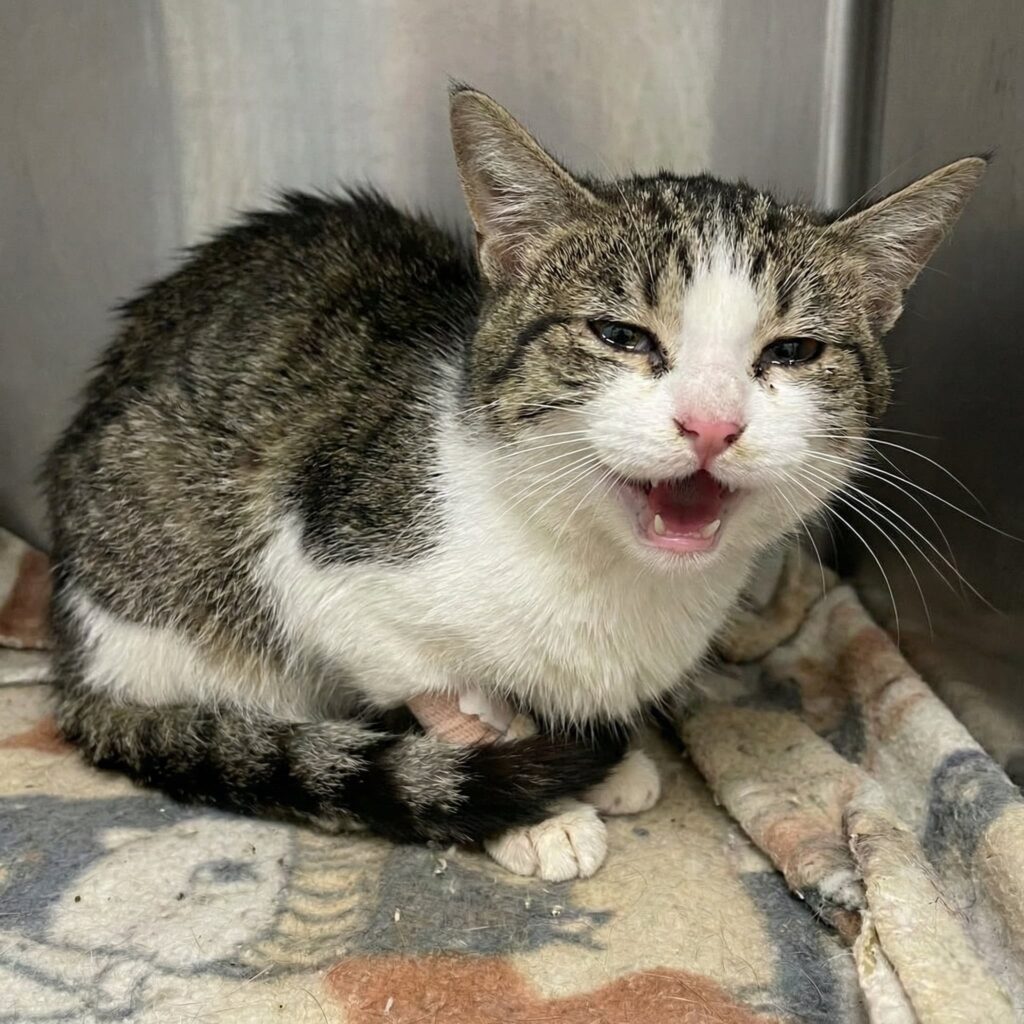
To determine if your cat is in pain, look for deviations from their normal routine. The most reliable indicators are behavioral changes rather than vocalizations. Common signs include hiding more than usual, a sudden loss of appetite, hesitation to jump on furniture, litter box accidents, and unprovoked aggression. Physically, look for a hunched posture, squinted eyes, flattened ears, or over-grooming a specific spot. If your cat is purring while injured or withdrawn, this is often a self-soothing mechanism, not a sign of happiness.
Summary Table: Key Pain Indicators in Cats
| Category | Common Signs | Urgency Level |
| Behavior | Hiding, aggression, antisocial behavior, restlessness | High |
| Mobility | Limping, hesitation to jump, stiffness, walking slowly | Medium to High |
| Litter Box | Urinating outside the box, straining, crying while voiding | Critical (Emergency) |
| Daily Habits | Loss of appetite, dropping food, drinking excessive water | High |
| Grooming | Matted fur (lack of grooming) or bald spots (over-grooming) | Medium |
| Posture | Hunched back, head lowered, squinted eyes, ears back | High |
| Vocals | Hissing when touched, growling, loud yowling, “pain purr” | High |
How to Tell If Your Cat Is in Pain: Detailed Breakdown
Before diving into the specific symptoms, it is vital to understand feline evolution. In the wild, cats are both predators and prey. A cat that shows weakness becomes a target for larger predators.
Because of this, domestic cats are masters at masking their discomfort. By the time a cat displays obvious physical symptoms, they have likely been in pain for a long time or the pain is severe. As a responsible owner, you must act as a detective, noticing subtle shifts in their daily patterns rather than waiting for a cry for help.
Read Also: Why Do Cats Hide When They’re Sick
1. Behavioral Changes: The First Red Flag
The most common way a cat communicates pain is by changing who they are. If your typically friendly cat suddenly wants to be left alone, do not assume they are just being moody.
Hiding and Withdrawal
A cat in pain will instinctively try to protect itself by finding a safe, dark, and quiet place. If your cat usually greets you at the door but is now spending all day under the bed, inside a closet, or behind the sofa, this is a major warning sign. They are trying to avoid interaction that might cause them physical discomfort.
Unprovoked Aggression
Pain lowers a cat’s tolerance for touch. If you reach out to pet your cat and they hiss, swat, or bite—especially if they are usually affectionate—they are likely protecting a painful area. This is common in cats suffering from arthritis or back pain. They anticipate that your touch will hurt, so they strike first to keep you away.
Changes in Energy Levels
Pain can manifest as lethargy (sleeping more than usual) or restlessness (inability to get comfortable). If your cat is pacing, getting up and down repeatedly, or seemingly unable to settle into a deep sleep, they may be dealing with acute internal pain or discomfort.
Read Also: Why Regular Vet Visits Matter for Indoor Cats
2. Mobility and Movement Issues
Changes in how a cat moves are often attributed to “old age,” but age itself is not a disease. Slowing down is almost always a symptom of osteoarthritis or joint pain.
Hesitation to Jump
Watch how your cat interacts with vertical spaces.
- Do they use a chair to get onto the table instead of jumping directly?
- Do they hesitate, look up, and then decide not to jump?
- Do they pull themselves up with their front claws rather than powering up with their back legs?
These are classic signs of hip or spine pain.
Stiffness and Limping
Limping is an obvious sign of injury, but stiffness is more subtle. Watch your cat immediately after they wake up. If they walk with a stilted gait or seem “creaky” for the first few steps before warming up, they are likely experiencing joint inflammation.
Stair Avoidance
If your cat used to follow you upstairs but now stays on the ground floor, they are avoiding the pain associated with climbing or descending steps. Descending is often harder on the shoulders, while climbing is harder on the hips.
3. Litter Box Habits
Issues with the litter box are often mistaken for behavioral problems or spite. In reality, inappropriate elimination is one of the strongest indicators of medical distress.
Missing the Box
If a cat has joint pain, the high sides of a litter box can be difficult to step over. They may try to use the box but fail to get all the way in, or they may urinate right next to it because the act of entering is too painful.
Straining and Crying
If your cat enters the box frequently but produces nothing, or if they cry out while trying to urinate, this is a medical emergency. This can indicate a urinary tract infection (UTI) or a life-threatening urethral blockage, especially in male cats.
Negative Association
If urinating hurts (due to crystals or infection), the cat associates the pain with the box itself. They will then try to urinate on soft surfaces like laundry, beds, or rugs, hoping that a different surface won’t cause the same pain.
Read Also: Signs of Anxiety in Cats and How to Manage It
3. Eating and Drinking Habits
A cat’s relationship with food can tell you a lot about their dental health and internal well-being.
The “Messy Eater”
If your cat approaches the food bowl hungrily but then drops food from their mouth, tilts their head to the side while chewing, or swallows kibble whole without chewing, they likely have dental disease. Tooth resorption (FORLs), gingivitis, or a broken tooth can cause excruciating sharp pain.
Loss of Appetite
Refusing to eat is a generic sign of illness that can indicate anything from nausea to kidney pain. In cats, going without food for even 24 to 48 hours can lead to hepatic lipidosis (fatty liver disease), which is fatal. Appetite changes always require a vet visit.
Excessive Thirst
While not “pain” in the traditional sense, drinking excessive amounts of water is a sign of kidney disease or diabetes, both of which cause significant malaise and discomfort.
4. Grooming: Too Much or Too Little
Cats are fastidious groomers. A change in coat condition is a visible record of their physical state.
The Ungroomed Cat
If your cat’s fur becomes greasy, matted, or unkempt, it means they are not grooming. This is usually because they are too stiff to turn their body to reach their back or tail. Mats along the spine and near the tail base are distinct markers of spinal arthritis or obesity-related pain.
Read Also: Why Cats Groom So Much
Over-Grooming (Psychogenic Alopecia)
Conversely, a cat may obsessively lick a specific area. If you notice a bald patch on their belly or leg, they may be trying to soothe localized pain in that area (like a bladder infection or a sore joint) through the release of endorphins caused by licking.
5. The Feline Grimace Scale: Reading the Face
Veterinarians use a tool called the Feline Grimace Scale to assess pain levels based on facial expressions. You can learn to spot these subtle cues at home.
Ear Position
- No Pain: Ears face forward and are upright.
- Pain: Ears are flattened outward or rotated back. The farther apart and flatter they are, the higher the pain level.
Orbital Tightening (The Eyes)
- No Pain: Eyes are open and round.
- Pain: Eyes are squinted or half-closed. It looks like the cat is wincing.
Muzzle Tension
- No Pain: The muzzle (mouth area) is round and relaxed.
- Pain: The muzzle looks flattened and tense. The shape changes from a round curve to a more elliptical shape.
Whisker Position
- No Pain: Whiskers hang loose and curved.
- Pain: Whiskers are stiff and pulled forward (away from the face) or bunched together.
Head Position
- No Pain: Head is above the shoulder line.
- Pain: Head is lowered below the shoulder line, often chin tucked.
Read Also: What Are The Signs Of A Stressed Cat?
6. Vocalization: Don’t Be Fooled by the Purr
While cats do hiss, growl, or yowl when in severe distress, the absence of noise does not mean the absence of pain.
The Purr Trap
One of the biggest myths is that a purring cat is a happy cat. Cats purr at a frequency that promotes tissue healing and bone density. They often purr when they are frightened, injured, or even dying, as a way to self-soothe. If your cat is hiding, not eating, but purring, they are likely in significant distress.
Nighttime Yowling
In older cats, loud vocalization at night can be a sign of cognitive dysfunction (dementia), but it is also linked to chronic pain that prevents them from sleeping. If they cannot get comfortable, they may cry out in frustration.
When to See a Veterinarian
You know your cat better than anyone else. If you have a “gut feeling” that something is off, trust it.
Emergency Visit (Immediate):
- Straining to urinate (especially males).
- Open-mouth breathing or panting.
- Severe trauma (fall, car accident, animal bite).
- Sudden paralysis of the back legs (saddle thrombus).
- Ingestion of toxins (lilies, antifreeze).
Urgent Visit (Within 24 Hours):
- Not eating for 24 hours.
- Persistent vomiting or diarrhea.
- Visible wounds or abscesses.
- Sudden behavioral aggression.
Routine Check (Within a Week):
- Gradual weight loss.
- Matting of fur.
- Slow changes in mobility or jumping.
- Bad breath or messy eating.
Conclusion
Identifying pain in cats requires observation and empathy. Because they are wired to hide their vulnerability, the signs are rarely as obvious as a limp or a cry. By monitoring their litter box habits, grooming, mobility, and facial expressions, you can catch health issues early.
If you suspect your cat is hurting, never give them human pain medication like Tylenol or Ibuprofen, as these are toxic and fatal to felines. Record videos of the strange behaviors to show your vet, and make an appointment immediately. Your vigilance is their best defense against suffering.