
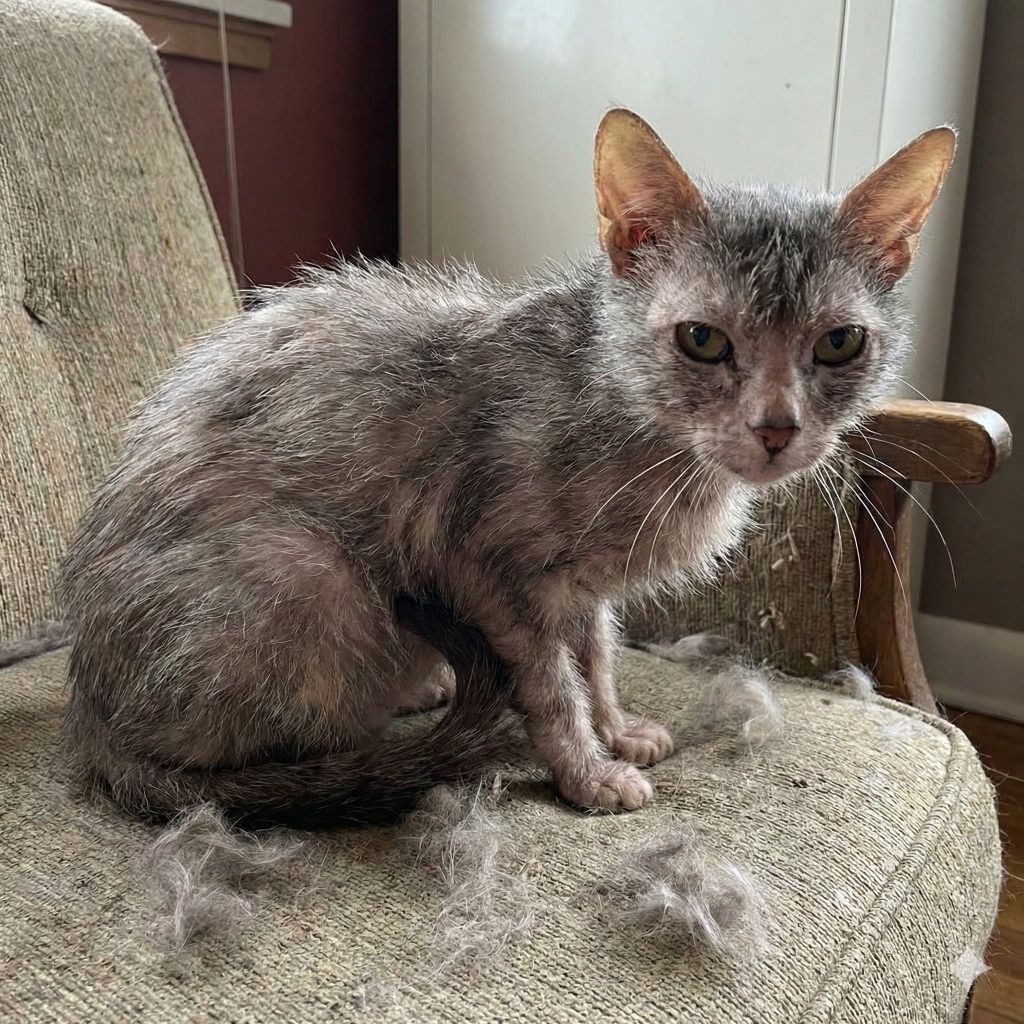
To reduce shedding in cats, brush them daily using a deshedding tool or slicker brush to remove loose fur before it falls. Improve their diet by adding Omega-3 and Omega-6 fatty acids and increasing hydration with wet food. minimizing stress and keeping up with veterinary checkups to rule out parasites or skin conditions also significantly lowers excess shedding.
Summary Table: Best Ways to Control Cat Shedding
| Method | Key Action | Benefit | Frequency |
| Brushing | Use a slicker brush or deshedding tool. | Removes loose hair physically. | Daily or 3-4 times/week. |
| Diet | Add Omega-3 & Omega-6 oils. | Strengthens hair follicles. | Daily with meals. |
| Hydration | Switch to wet food or use fountains. | Prevents dry skin and breakage. | Daily. |
| Stress Control | Provide safe spaces and routine. | Reduces “stress shedding.” | Ongoing. |
| Vet Visits | Check for parasites or thyroid issues. | Treats medical causes of hair loss. | Annually or as needed. |
How to Reduce Shedding in Cats: Understanding Cats Shedding
Shedding is a natural process for cats. It allows them to remove dead hair and replenish their coat. Outdoor cats shed based on sunlight and seasons, typically shedding heavily in spring and autumn.
Indoor cats, however, live in artificial light and consistent temperatures, which can cause them to shed steadily all year round. While you cannot stop shedding completely, you can manage it effectively to keep your home clean and your cat healthy.
Read Also: Why Is My Cat Losing Hair Around His Eyes?
1. Establish a Regular Brushing Routine
The most effective way to stop fur from covering your furniture is to catch it before it falls out. Brushing is the first line of defense. It captures dead hair and distributes natural skin oils across the coat.
Choosing the Right Tools
Not all brushes work for every cat. You need to match the tool to your cat’s fur type.
- Slicker Brush: Best for most cats. It has fine wire bristles that lift dirt and loose hair.
- Deshedding Tool: Best for heavy shedders or double-coated cats. It reaches deep into the undercoat to remove loose fur without cutting the skin.
- Grooming Glove: Best for cats who hate brushes. It feels like petting but traps hair in the rubber nodes.
- Bristle Brush: Best for short-haired cats. It smooths the coat and removes surface dust.
How Often to Brush
- Long-haired cats: Daily. Their fur tangles easily and traps shedding, leading to mats.
- Short-haired cats: 2 to 3 times a week.
- Shedding season (Spring/Fall): Daily for all cats.
2. Improve Diet and Nutrition
A poor diet is a leading cause of excessive shedding. If a cat is not getting enough nutrients, their hair follicles become weak, and the fur falls out easily.
Omega Fatty Acids
Omega-3 and Omega-6 fatty acids are essential for skin and coat health. Most generic dry foods do not contain enough of these healthy fats.
- Sources: Fish oil supplements, salmon oil, or flaxseed oil.
- Benefit: These oils reduce skin inflammation and nourish the root of the hair, making the coat stronger and shinier.
Hydration is Key
Dehydration leads to dry, flaky skin. Dry skin cannot hold onto hair as well as healthy, hydrated skin.
- Switch to Wet Food: Wet food contains about 75-80% water, whereas dry kibble only has about 10%.
- Use a Water Fountain: Cats prefer running water. A fountain encourages them to drink more, which keeps their skin hydrated from the inside out.
Read Also: How Do Cats Communicate With Humans?
3. Manage Stress and Anxiety
Cats are sensitive creatures. When they are stressed, their bodies react physiologically. One of the most common reactions is “stress shedding.” You might notice this when you take your cat to the vet; they suddenly lose handfuls of fur.
Common Stressors
- Moving to a new home.
- New pets or babies.
- Loud noises or construction.
- Changes in your daily routine.
How to Reduce Stress
- Safe Zones: Ensure your cat has a quiet place to retreat to, like a cat tree or a box.
- Pheromones: Use synthetic pheromone diffusers (like Feliway) to create a calming environment.
- Play Therapy: Engage in 15 minutes of interactive play daily to burn off nervous energy.
4. Rule Out Medical Issues
Sometimes, shedding is a symptom of an underlying health problem. If you notice bald patches, redness, or if the grooming routine doesn’t help, you need to see a veterinarian.
Potential Medical Causes
- Parasites: Fleas, ticks, and mites cause itching. The scratching leads to hair loss.
- Allergies: Food allergies or environmental allergies (pollen, dust) cause skin inflammation and shedding.
- Ringworm: A fungal infection that causes circular patches of hair loss.
- Hyperthyroidism: Common in older cats, this hormonal imbalance can cause poor coat quality and matting.
- Obesity: Overweight cats cannot groom themselves properly, leading to matted fur and unhealthy skin, which increases shedding.
5. Bathing (Proceed with Caution)
Most cats do not need baths, but an occasional bath can help remove a massive amount of loose hair at once.
- Frequency: No more than once a month. Over-bathing strips natural oils and makes dry skin worse.
- Shampoo: Always use a cat-specific shampoo. Human shampoo has the wrong pH balance and will damage their skin.
- Deshedding Shampoos: Look for products labeled “deshedding” or “oatmeal” to soothe the skin and loosen dead hair.
If your cat is terrified of water, do not force a bath. The stress will cause more shedding than the bath removes. Use waterless foam shampoos or grooming wipes instead.
Read Also: Do Cats Understand Human Emotions?
6. Control the Environment
The air in your home affects your cat’s skin.
- Humidifiers: In winter, indoor heating makes the air very dry. This dries out your cat’s skin and increases static electricity and shedding. Running a humidifier adds moisture back into the air.
- Clean Bedding: Wash your cat’s bedding regularly. This removes the build-up of hair, dust mites, and flea eggs that could irritate their skin.
7. Vacuuming and Home Maintenance
While this step doesn’t stop the shedding from the source, it manages the result.
- Robotic Vacuums: Running a robot vacuum daily keeps the floor hair-free and prevents it from being kicked up into the air.
- Lint Rollers: Keep these handy for quick cleanups on furniture.
- Furniture Covers: Use washable blankets on your cat’s favorite sleeping spots. It is easier to wash a blanket than to deep clean a sofa.
Summary Checklist for Owners
To successfully reduce shedding, follow this simple checklist:
- Daily: Check water levels and refresh.
- Every other day: Brush for 5-10 minutes.
- Weekly: Wash food bowls and check coat for fleas/ticks.
- Monthly: Apply flea prevention and weigh your cat.
- Annually: Visit the vet for a full health screen.
By combining regular grooming with good nutrition and a stress-free environment, you can significantly reduce the amount of loose fur in your home and keep your cat’s coat healthy and shiny.