
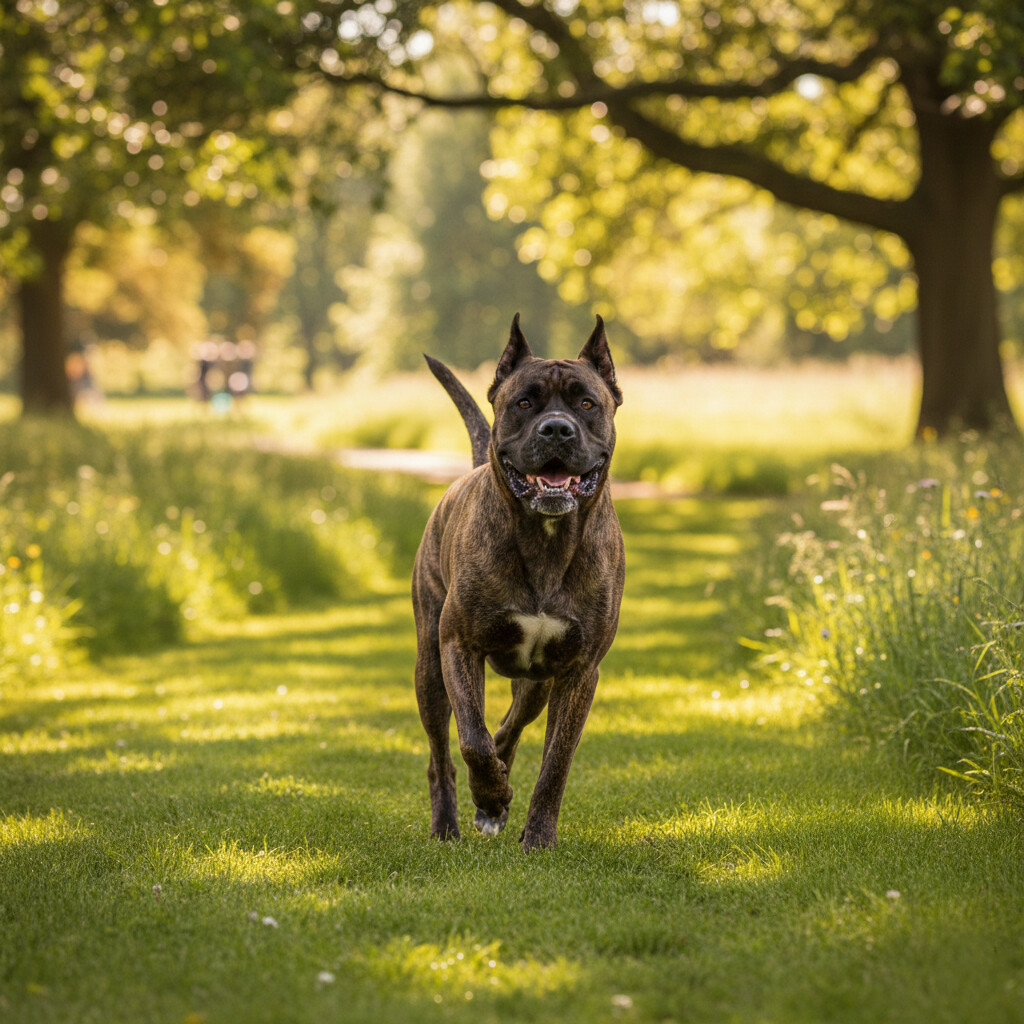
To prevent joint problems in dogs, the most effective strategy is maintaining a healthy weight to reduce stress on the body. You should also provide a balanced diet rich in Omega-3 fatty acids, ensure regular low-impact exercise (like swimming or walking), use orthopedic bedding, and minimize high-impact activities like jumping on hard surfaces. Early veterinary screening and starting joint supplements like glucosamine and chondroitin before symptoms appear can also significantly protect long-term joint health.
Summary Table
| Strategy | Key Action | Why It Matters |
| Weight Management | Keep dog lean (ribs palpable). | Reduces mechanical load and inflammation on joints. |
| Diet & Nutrition | High-quality food with Omega-3s. | Supports cartilage repair and reduces inflammation. |
| Exercise | Consistent, low-impact activity. | Builds muscle to support joints without wear and tear. |
| Home Environment | Use rugs, ramps, and orthopedic beds. | Prevents slips and reduces impact from jumping. |
| Supplements | Glucosamine, Chondroitin, Fish Oil. | Provides building blocks for cartilage and fluid. |
| Vet Care | Regular orthopedic exams. | Catches early signs of dysplasia or arthritis. |
How to Prevent Joint Problems in Dogs
Joint issues are one of the most common health complaints for dogs, especially as they age. While many people think arthritis is inevitable, there is a lot you can do to delay it or even prevent it entirely. By focusing on weight, nutrition, environment, and smart exercise, you can keep your dog mobile and pain-free for years.
This guide covers everything you need to know to protect your dog’s joints, from puppyhood through their senior years.
Read also: Why Dogs Limp and When to Worry?
Why Joint Health Matters
Joints are the hinges that allow your dog to move. When they are healthy, the ends of the bones are covered in smooth cartilage and lubricated by joint fluid. This allows for frictionless movement.
When joint problems occur, this cartilage wears down. This leads to inflammation, pain, and stiffness. The most common issues include:
- Osteoarthritis: The gradual wear and tear of the joint.
- Hip Dysplasia: A genetic malformation where the ball and socket of the hip don’t fit together perfectly.
- Elbow Dysplasia: Similar to hip dysplasia, but affects the front legs.
- Luxating Patella: A kneecap that pops out of place.
Preventing these issues is much easier and cheaper than treating them.
1. Maintain a Healthy Weight
The single most important factor in joint health is weight management. Excess fat does two things that hurt joints. First, it adds physical weight.
Gravity puts immense pressure on the hips, knees, and ankles with every step. Second, body fat is not just inactive tissue; it produces hormones that cause inflammation throughout the body, including in the joints.
How to assess your dog’s weight
- The Rib Test: You should be able to feel your dog’s ribs easily with your fingers without pressing hard. You should not be able to see them clearly from a distance.
- The Waist Test: When looking at your dog from above, they should have an hourglass figure with a distinct waist behind the ribs.
- The Tuck Test: When looking from the side, the abdomen should tuck up towards the hind legs, not hang low.
Tips for Weight Loss
- Measure Food: Do not guess. Use a measuring cup or a kitchen scale to weigh food.
- Limit Treats: Treats should make up no more than 10% of a dog’s daily calories. Use fresh vegetables like green beans or carrots as low-calorie alternatives.
- Switch Food: If your dog is overweight, switch to a weight-management formula that makes them feel full with fewer calories.
2. Nutrition and Diet
What you feed your dog provides the building blocks for their bones and cartilage. A high-quality diet is essential.
Puppy Nutrition
Joint health starts when your dog is a puppy. This is especially true for large and giant breeds like Great Danes, Labradors, and German Shepherds.
- Avoid Rapid Growth: If a puppy grows too fast, their bones may grow faster than their muscles and tendons can support. This leads to orthopedic disease.
- Use Large Breed Formulas: Large breed puppy food is formulated with lower calcium and phosphorus levels to control growth rates. Never switch a large breed puppy to adult food too early or keep them on regular puppy food, which is often too calorie-dense.
Adult Nutrition
Look for foods that contain anti-inflammatory ingredients.
- Omega-3 Fatty Acids: Found in fish oil (salmon, sardines, krill), these are powerful anti-inflammatories. They help reduce the stiffness associated with arthritis.
- Real Meat Protein: Muscles support joints. High-quality protein helps maintain lean muscle mass.
Read Also: How to Check Your Dog’s Vital Signs at Home
3. Smart Exercise Routines
Exercise is a double-edged sword. Too little exercise leads to weight gain and weak muscles. Too much high-impact exercise can damage cartilage. The goal is consistent, moderate activity.
The Weekend Warrior Mistake
Many owners walk their dogs for 10 minutes on weekdays and then go for a 5-mile hike on Saturday. This is dangerous. It puts sudden stress on unconditioned joints. Consistency is key. A 30-minute walk every day is better than one long hike a week.
Best Low-Impact Exercises
- Leash Walking: Controlled walking on grass or dirt is better than concrete.
- Swimming: This is the gold standard. The water supports the dog’s weight, allowing them to move their limbs through a full range of motion without any impact.
- Nose Work: Mental games that encourage moving around slowly to find scents.
High-Impact Activities to Limit
- Frisbee/Fetch: Constant jumping, twisting, and landing hard on the back legs can tear the CCL (the dog version of an ACL).
- Jogging on Asphalt: Running on hard surfaces creates repetitive shock waves through the joints.
- Stairs: For breeds with long backs (like Dachshunds) or hip issues, frequent stairs are damaging.
4. Joint Supplements
You do not need to wait for your dog to limp before using supplements. Many vets recommend starting them early, especially for predisposed breeds.
Key Ingredients to Look For
- Glucosamine Hydrochloride: Helps repair cartilage.
- Chondroitin Sulfate: Prevents enzymes from damaging cartilage blocks.
- MSM (Methylsulfonylmethane): A natural compound that reduces pain and inflammation.
- Green Lipped Mussel: A potent source of Omega-3s and other joint-protecting nutrients.
- Hyaluronic Acid: Helps thicken the joint fluid, providing better lubrication.
When to Start
For large breeds, starting around 12 to 18 months of age is often recommended. For smaller breeds, you can often wait until they enter their senior years (around age 7), unless they have an injury. Always consult your veterinarian before starting a new supplement.
Read Also: Understanding Dog Vaccinations
5. Modify Your Home Environment
Your home environment plays a massive role in daily joint wear and tear. Small slips and slides on hardwood floors might look harmless, but they cause micro-injuries to the soft tissue around the joints.
Flooring
Hardwood, tile, and laminate floors are slippery. Dogs rely on their toenails for traction, but nails cannot grip these hard surfaces.
- Action Step: Place area rugs or yoga mats in high-traffic areas, specifically where your dog turns corners or gets up from a nap.
- Toe Grips: There are rubber rings available that slide onto a dog’s nails to provide traction on slick floors.
Furniture and Cars
Jumping down is much harder on joints than jumping up. The impact of landing places several times the dog’s body weight on their front shoulders.
- Use Ramps: Install ramps for getting into and out of cars (SUVs specifically).
- Pet Stairs: Place small stairs next to the couch or bed if your dog is allowed on furniture.
Bedding
A thin blanket on a hard floor does not provide support.
- Orthopedic Beds: Look for “memory foam” beds. The foam should be thick enough that when the dog lies down, they do not sink all the way to the floor. The bed should conform to their body and support the spine.
6. Nail Care
This is the most overlooked aspect of joint health. When a dog’s nails are too long, they hit the floor. This pushes the toe bones up and back, changing the angle of the foot.
Over time, this unnatural angle travels up the leg, affecting the alignment of the ankle, knee, and hip. It effectively forces your dog to walk back on its hind legs, which ruins their posture and causes chronic pain.
- The Rule of Thumb: You should not hear clicking when your dog walks on the floor. If you hear clicking, the nails are too long.
- Maintenance: Trim or use a Dremel tool on nails every 2 to 3 weeks.
7. Genetic Screening and Breed Awareness
Some dogs are born with bad joints. Knowing your dog’s genetic risks allows you to be proactive.
High-Risk Breeds:
- Labrador Retrievers & Golden Retrievers: Prone to hip and elbow dysplasia.
- German Shepherds: Prone to hip dysplasia and spinal issues.
- Dachshunds & Corgis: Prone to Intervertebral Disc Disease (IVDD) due to their long backs.
- Rottweilers & Saint Bernards: Prone to general osteoarthritis due to size.
What You Can Do:
If you buy from a breeder, ask for OFA (Orthopedic Foundation for Animals) or PennHIP scores. These are certification tests done on the parents to prove their hips and elbows are healthy. A reputable breeder will always provide these.
If you adopt a mixed breed, you can do a DNA test to see what breeds are in its lineage, which helps you predict potential issues.
Read Also: How Weather Changes Affect Dog Health?
8. Early Veterinary Intervention
Don’t wait for a limp. Dogs are stoic; they hide pain well. By the time a dog is yelping or refusing to walk, the joint damage is usually severe.
Subtle Signs of Joint Pain
- Hesitation before jumping into the car.
- Taking longer to get up from a nap.
- Reluctance to go up stairs.
- Licking a specific joint (like a wrist or knee) repeatedly.
- Behavioral changes, like grumpiness or sleeping more.
The Annual Exam
Ask your vet to perform a specific orthopedic check during your annual exam. They will extend and flex the limbs to check for “range of motion” and listen for any grinding sounds (crepitus).
Early Treatments
If your vet catches issues early, they can offer treatments that slow progression, such as:
- Adequan Injections: An injectable medication that helps repair cartilage and joint fluid.
- Physical Therapy: Underwater treadmills and balance ball exercises to strengthen stabilizing muscles.
- Laser Therapy: Uses light energy to reduce inflammation and pain in specific areas.
Conclusion
Preventing joint problems is a lifetime commitment that starts the day you bring your dog home. You cannot change your dog’s genetics, but you can control their environment, their diet, and their weight.
Focus on keeping them lean. Invest in a good orthopedic bed. Keep their nails short. Be consistent with moderate exercise. These simple, daily choices compound over time, resulting in a dog that can run, play, and enjoy life well into their senior years.