
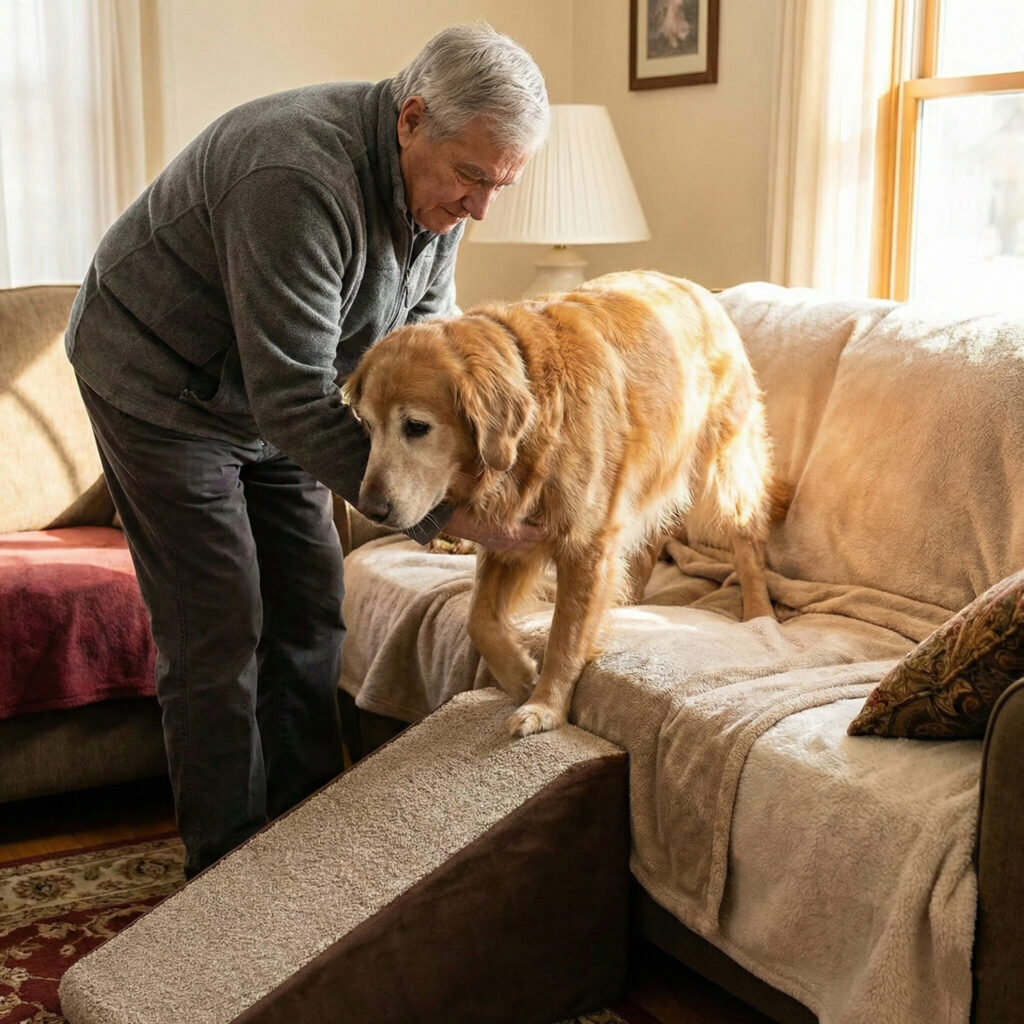
Caring for a senior dog requires adjusting their lifestyle to accommodate aging joints, slower metabolism, and cognitive changes. Key steps include switching to a senior-specific diet, scheduling veterinary check-ups every six months, installing orthopedic bedding, using non-slip mats on hard floors, maintaining gentle daily exercise, and keeping them mentally stimulated to fight cognitive decline.
Summary Table
| Care Category | Key Action Items | Frequency/Goal |
| Veterinary Care | Full wellness exam, blood work, dental check. | Every 6 months. |
| Nutrition | Senior formula food, weight management, hydration. | Daily monitoring. |
| Supplements | Glucosamine/Chondroitin, Omega-3 fatty acids. | Daily (consult vet). |
| Home Setup | Brushing, dental chews, and professional cleaning. | Permanent setup. |
| Exercise | Low-impact walks, swimming, scent games. | Daily, shorter duration. |
| Dental Hygiene | Brushing, dental chews, professional cleaning. | Daily brushing is ideal. |
| Mental Health | Puzzle toys, training new tricks, social time. | Daily stimulation. |
How to Care for Senior Dogs at Home
Watching your dog grow older is a privilege, but it comes with a new set of responsibilities. As dogs age, their biological needs shift. The high-energy play of puppyhood is replaced by a need for comfort, routine, and preventative health care. By making strategic changes to your home environment and your daily routine, you can ensure your dog’s golden years are happy, pain-free, and dignified.
This guide covers everything you need to know about senior dog care, from nutrition and mobility to mental health and home safety.
Read Also: Signs Your Dog Is Becoming a Senior
Identifying When Your Dog is “Senior”
“Senior” isn’t a specific age; it depends on the size and breed of your dog. Generally, dogs enter their senior years in the last 25% of their predicted lifespan.
- Small breeds: Considered senior around 10-12 years old.
- Medium breeds: Considered senior, around 8-10 years old.
- Large/Giant breeds: Can be considered senior as early as 5-7 years old.
You might notice physical signs like a graying muzzle, cloudy eyes (nuclear sclerosis), or a tendency to sleep more. Recognizing these signs early allows you to start preventative care before serious issues arise.
Veterinary Care: The Six-Month Rule
The most critical step in senior dog care is increasing the frequency of veterinary visits. Because dogs age faster than humans, a once-a-year checkup is no longer sufficient.
Why Every Six Months?
A lot can happen in six months of a dog’s life. Regular screening helps detect “silent” killers like kidney disease, heart murmurs, or diabetes before your dog shows obvious symptoms.
What to Ask For:
- Geriatric Blood Panel: This checks liver and kidney function, red and white blood cell counts, and blood sugar levels.
- Urinalysis: Detects urinary tract infections and early kidney issues.
- Blood Pressure Check: Hypertension is common in older dogs and can damage the eyes, kidneys, and heart.
- Lump and Bump Map: Have your vet chart any skin growths. You should also check your dog weekly at home.
Nutrition and Weight Management
Obesity is the single biggest threat to a senior dog’s health. Extra weight puts immense pressure on aging joints and worsens conditions like arthritis.
Adjusting Calories
As metabolism slows and activity levels drop, your dog needs fewer calories. Continuing to feed the same amount you fed them at age three will lead to weight gain. Switch to a high-quality senior dog food. These formulas are typically:
- Lower in calories to prevent obesity.
- Higher in fiber for digestive health.
- Enriched with antioxidants to support the immune system.
Hydration is Key
Older dogs are more prone to dehydration, especially if they have kidney issues. Ensure they have access to fresh water in multiple locations.
- Tip: If your dog has neck pain, elevate their food and water bowls so they don’t have to stoop down to drink.
Supplements for Mobility
Consult your veterinarian about adding supplements to their diet.
- Glucosamine and Chondroitin: Essential for joint health and cartilage repair.
- Omega-3 Fatty Acids (Fish Oil): Potent anti-inflammatory properties that help with arthritis and skin health.
Home Modifications for Mobility and Safety
Your home environment can become a challenge for a dog with stiff joints, failing vision, or reduced balance. Simple modifications can prevent injuries and reduce anxiety.
Flooring Solutions
Hardwood, tile, and laminate floors are “kryptonite” for senior dogs. They provide no traction, causing dogs to slip, splay their legs, and strain their muscles.
- The Fix: Use yoga mats, interlocking foam tiles, or non-slip area rugs to create pathways throughout your house. Focus on high-traffic areas and spots where the dog eats or sleeps.
Bedding Matters
An old blanket on the floor is not enough. Senior dogs need orthopedic support to prevent pressure sores and soothe aching joints.
- Look for: Memory foam beds that are at least 4 inches thick.
- Location: Place beds in draft-free areas. Consider a heated dog bed or a safe heating pad (specifically designed for pets) during colder months to keep joints loose.
Ramps and Stairs
Jumping out of a car or off a high bed causes a significant impact on the spine and knees.
- Use Ramps: Train your dog to use a ramp for getting into vehicles or onto furniture.
- Block Stairs: If your dog is unsteady, use baby gates to block access to staircases to prevent catastrophic falls.
Exercise: “Motion is Lotion”
Exercise remains vital, but the intensity must change. The goal is to keep muscles strong to support the joints, without causing inflammation.
Low-Impact Activities
- Sniff Walks: Instead of walking for distance or speed, let your dog sniff. Sniffing provides immense mental stimulation and keeps them moving at a gentle pace.
- Swimming: The gold standard for senior exercise. It builds muscle with zero impact on the joints.
- Short and Frequent: Switch from one long 45-minute walk to three short 15-minute walks spread throughout the day. This reduces stiffness.
Knowing When to Stop
Watch for signs of fatigue. If your dog lags behind, sits down frequently, or limps after the walk, you have done too much. The “weekend warrior” approach (long hikes only on weekends) is dangerous for seniors; consistency is better.
Dental Health
Dental disease is not just about bad breath. Bacteria from infected gums can enter the bloodstream and damage the heart valves, liver, and kidneys.
Daily Care
- Brushing: Use a soft-bristled toothbrush and dog-specific toothpaste.
- Alternatives: If your dog hates brushing, look for VOHC-accepted (Veterinary Oral Health Council) dental chews or water additives.
- Professional Cleaning: Do not fear anesthesia simply because of age. If the vet clears your dog’s blood work, a professional cleaning to remove painful, rotten teeth can drastically improve their quality of life.
Cognitive Dysfunction and Mental Health
Just like humans get Alzheimer’s, dogs can develop Canine Cognitive Dysfunction (CCD), often called “doggie dementia.” Keeping the brain active is the best defense.
Signs of Cognitive Decline (DISHAA)
- Disorientation: Getting stuck in corners, staring at walls.
- Interactions: Changes in how they interact with you (clingy or distant).
- Sleep-Wake Cycle: Sleeping all day, pacing or barking at night.
- House Soiling: Forgetting house training.
- Activity: Aimless pacing or lack of interest.
- Anxiety: New fears or phobias.
Enrichment Games
- Food Puzzles: Use Kongs or snuffle mats to feed them meals. This forces them to solve problems to eat.
- New Tricks: Old dogs can learn new tricks. Teach low-physicality tricks like “touch” or “speak” to build confidence and neural pathways.
Managing Anxiety
Seniors often lose their hearing and vision, making the world a scary place.
- Touch Signals: If your dog is going deaf, teach hand signals.
- Scent Cues: If your dog is going blind, use essential oils (safe ones like lavender) to mark obstacles or doorways.
- Routine: Stick to a strict schedule. Predictability reduces anxiety for confused dogs.
Grooming and Hygiene
Older dogs often struggle to groom themselves due to arthritis. They need your help to stay clean and comfortable.
Nail Care
Long nails change the angle of the foot, causing pain in the toes and changing the dog’s posture. Because seniors walk less, their nails don’t wear down naturally. Trim them frequently or use a Dremel tool.
Skin and Coat
Seniors often develop benign lumps (lipomas), skin tags, and dry skin.
- Brushing: Brushing distributes natural oils and stimulates blood flow. It also serves as a massage.
- Incontinence: If your dog leaks urine, hygiene is critical to prevent urine scald (burns on the skin). Use doggie diapers if necessary and keep the area clean and dry.
Pain Management: The Silent Sufferer
Dogs are experts at hiding pain. By the time a dog whines, the pain is usually severe. You must look for subtle signs of chronic pain.
Subtle Signs of Pain
- Panting when not hot.
- Reluctance to go up stairs.
- Licking a specific joint repeatedly.
- Restlessness or inability to get comfortable.
- Trembling in the back legs.
Medical Management
Do not try to treat pain with human medication (Tylenol/Ibuprofen are toxic to dogs). Work with your vet to find a pain management plan. This might include:
- NSAIDs (Non-steroidal anti-inflammatories).
- Gabapentin (for nerve pain).
- Librela (a monthly injection for osteoarthritis pain).
- Alternative therapies like acupuncture or laser therapy.
Quality of Life Assessment
The hardest part of caring for a senior dog is knowing when their quality of life is declining. It is helpful to use a scale, such as the HHHHHMM Scale, to objectively monitor them:
- Hurt: Is pain successfully managed?
- Hunger: Is the dog eating?
- Hydration: Is the dog drinking?
- Hygiene: Can they stay clean?
- Happiness: Do they express joy/interest?
- Mobility: Can they get up without help?
- More Good Days than Bad: The ultimate measure.
Conclusion
Caring for a senior dog requires patience, observation, and a lot of love. It is a shift from being a “playmate” to being a “nurse and guardian.” By managing their diet, modifying your home, staying on top of veterinary care, and keeping them engaged, you can give your dog a comfortable and joyful final chapter.
They have spent their whole lives waiting for you to come home; now is your chance to make their home the safest, best place it can be.