Bringing a new canine companion into your home is one of the most exciting times in life. Whether you are adopting a brand-new puppy or welcoming an adult rescue dog, the joy is undeniable. However, along with the excitement comes a significant amount of responsibility.
Being a responsible dog owner means more than just providing food and shelter. It means ensuring your pet is safe, comfortable, stimulated, and healthy. To do this effectively, you need the right tools for the job. The market is flooded with countless pet products, making it overwhelming to know what is truly necessary and what is just clever marketing.
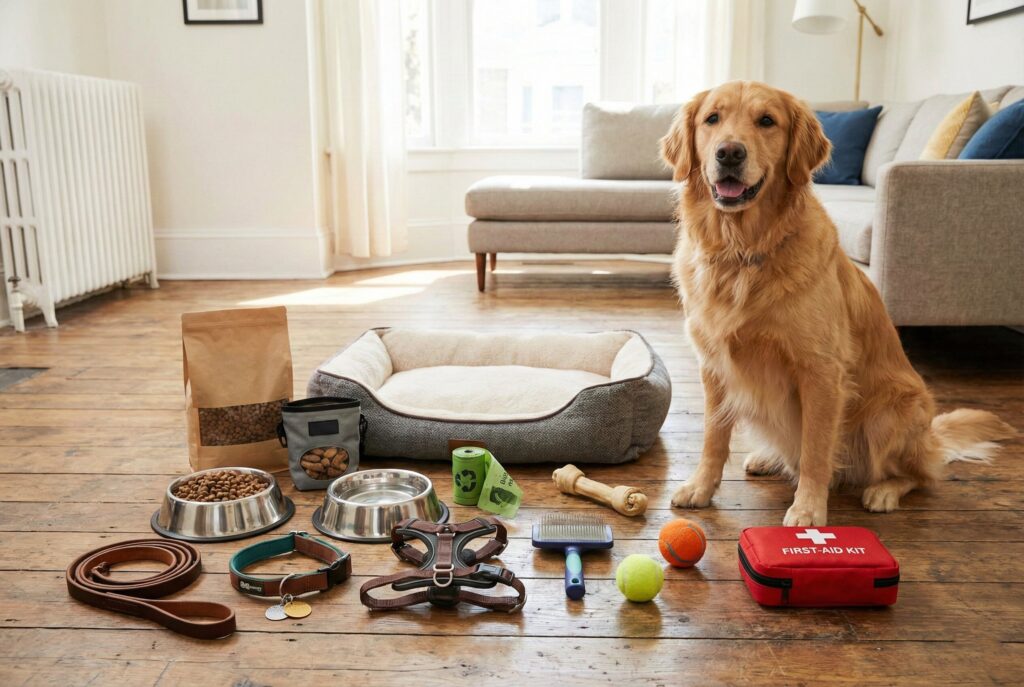
This guide focuses on the absolute basics, the non-negotiable items that form the foundation of good dog care. We have compiled a detailed list of the 12 essential dog accessories that every owner needs. Investing in these high-quality items right from the start will make life easier for you and much happier for your four-legged friend.
Let’s look at the gear you need to set your dog up for success.
1. A High-Quality, Properly Fitted Collar
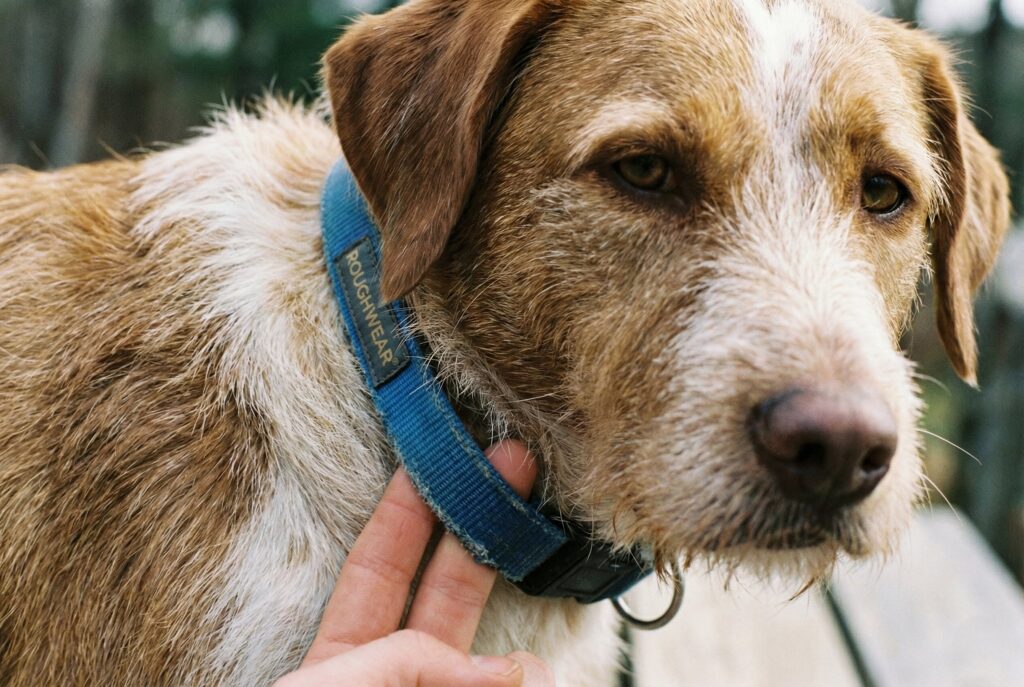
A collar is often the very first accessory a dog owner buys. It serves two primary functions: holding identification tags and providing a connection point for a leash. While it might seem simple, choosing the right collar is vital for your dog’s safety and comfort.
Why It Is Essential
If your dog ever escapes your yard or slips away during a walk, a collar with up-to-date ID tags is their best ticket home. It is a 24/7 safety device.
Key Features to Look For
- Durability: Look for materials like nylon webbing or high-grade leather. The stitching should be reinforced.
- Secure Buckle: Avoid cheap plastic clips that might snap under pressure. Metal buckles or high-quality quick-release clasps are best.
- Correct Fit: This is crucial. You should be able to comfortably fit two fingers between the collar and your dog’s neck. If it is too loose, they can slip out; too tight, and it could restrict breathing or cause skin irritation.
Types of Collars
- Flat Collar: The standard everyday collar, suitable for most dogs.
- Martingale Collar: Useful for dogs with heads narrower than their necks (like Greyhounds) or dogs who easily back out of standard collars. It tightens slightly when pulled, but doesn’t choke like a slip chain.
- Waterproof Collar: Made from materials like coated webbing (often called BioThane), these are excellent for dogs who love swimming or rolling in mud because they don’t hold odors and are easy to wipe clean.
2. A Reliable, Everyday Leash
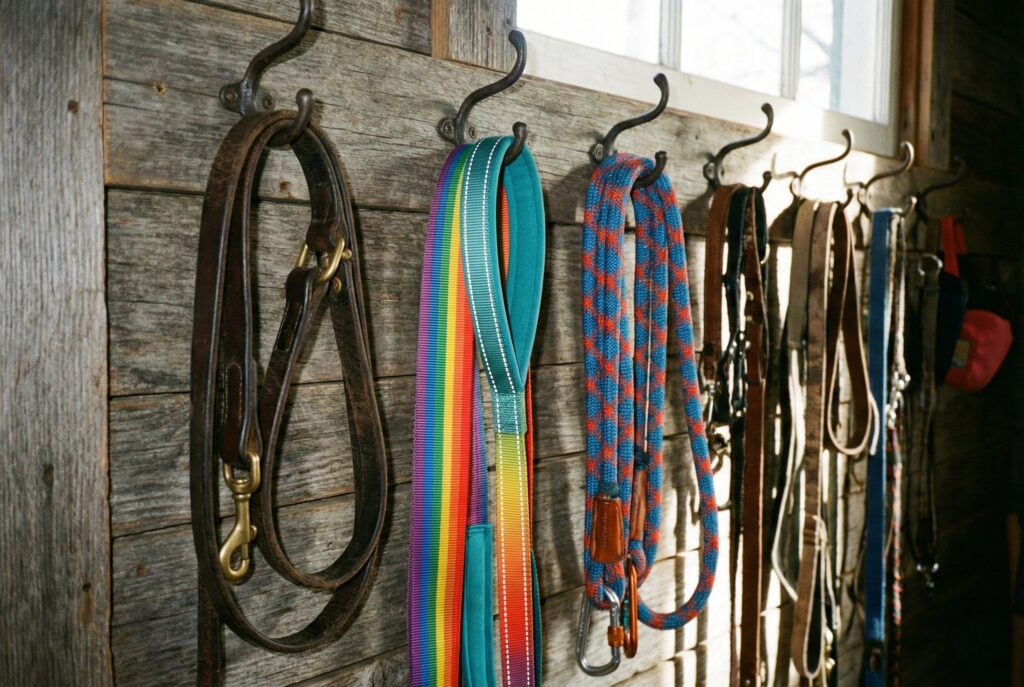
Your leash is your direct line of communication and control when you are outside your home. A good leash keeps your dog safe from traffic, other animals, and getting lost, while also protecting the public.
Why It Is Essential
In most populated areas, leash laws are mandatory. Beyond legalities, a leash is a vital training tool that teaches your dog how to navigate the world calmly by your side.
Key Features to Look For
- Length: A standard 6-foot leash is ideal for most walking and training scenarios. It provides enough room for the dog to sniff but keeps them close enough for control.
- Material: Leather is durable and soft on the hands, but requires maintenance. Nylon is strong, inexpensive, and comes in many colors. Climbing rope leashes are incredibly strong and have a slight give that absorbs shock.
- Comfortable Handle: If you walk your dog frequently, a padded handle prevents the leash from digging into your skin if your dog pulls.
A Note on Retractable Leashes
Retractable leashes are very popular but often discouraged by trainers for everyday use. They teach a dog that pulling extends the lead, which is the opposite of polite walking behavior. They can also be dangerous; the thin cord can cause burns or cuts if grabbed, and the locking mechanisms can fail. It is better to stick to a fixed-length leash for regular walks.
3. A Comfortable Walking Harness
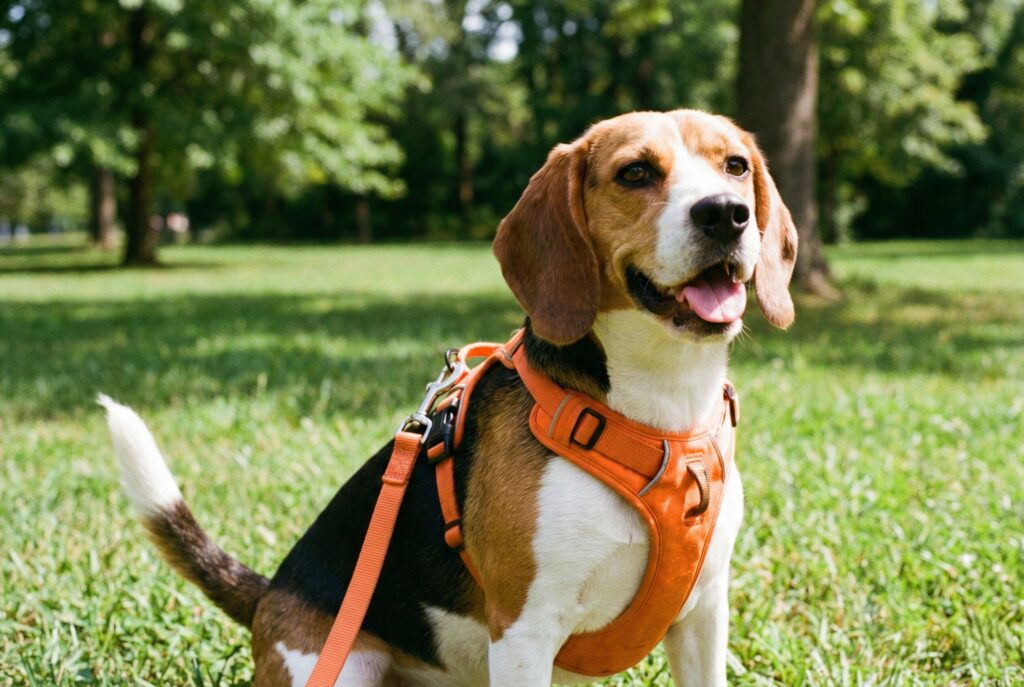
While a collar is essential for ID, many experts now recommend using a harness for primary attachment during walks.
Why It Is Essential
When a dog pulls on a leash attached to a collar, all that pressure goes directly to their throat, trachea, and neck vertebrae. Over time, this can cause coughing, tracheal collapse (especially in small breeds), and thyroid issues. A harness distributes the pressure across the stronger chest and shoulder areas, making walks safer and more comfortable.
Types of Harnesses
- Back-Clip Harness: The leash attaches to a ring on the dog’s back. This is easy to put on and comfortable for dogs that do not pull significantly.
- Front-Clip Harness: The leash attaches to a ring on the dog’s chest. If the dog pulls forward, the leash gently redirects their body back toward you. This is an excellent tool for teaching loose-leash walking without causing pain.
- Dual-Clip Harness: These offer rings on both the front and back, giving you versatile training options.
4. Durable Identification Tags
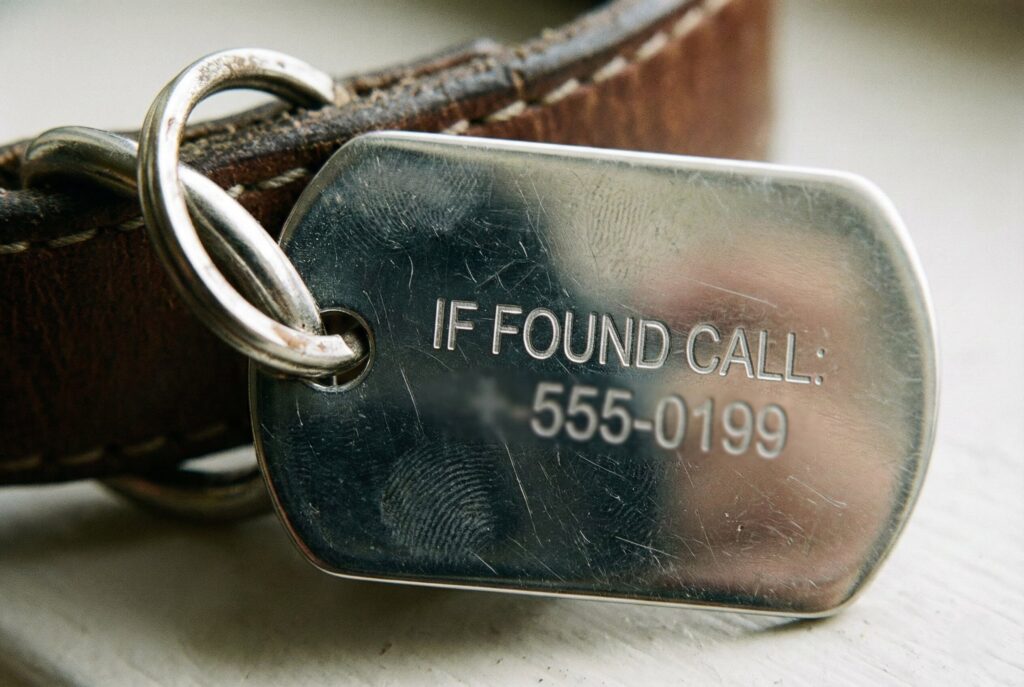
ID tags are the simplest, cheapest, and most effective insurance policy for your pet. Even if your dog is microchipped (which they should be), a visible tag provides immediate information to anyone who finds them, avoiding a trip to a vet or shelter to scan a chip.
Why It Is Essential
Accidents happen. Gates get left open, or dogs get spooked by loud noises. An ID tag speaks for your dog when they cannot speak for themselves.
What to Include on the Tag
You do not need to put your dog’s name on the tag. The most critical information is how to reach you.
- Your primary phone number (make sure your voicemail is set up).
- A secondary phone number (a partner, friend, or relative).
- Your city and state (optional, but helpful).
Material Matters
Choose stainless steel or brass tags. Aluminum tags wear down quickly, and the engraving can become unreadable within a year. Ensure the engraving is deep so it lasts. You can also purchase “jingle-free” tags that slide directly onto the collar webbing if the noise bothers you.
5. Separate Food and Water Bowls
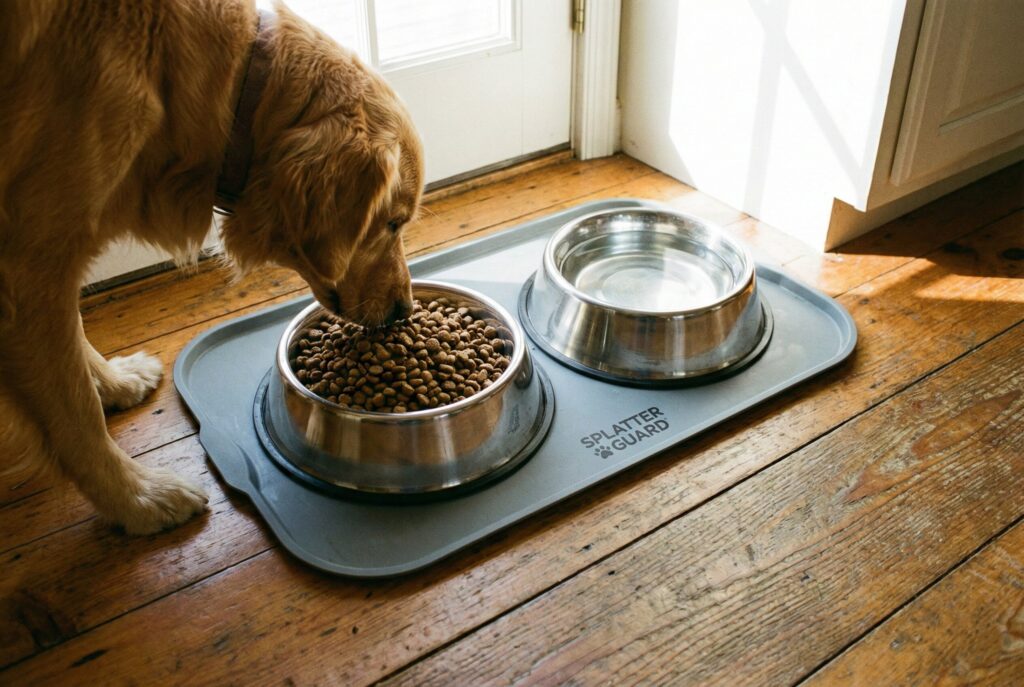
Your dog needs dedicated vessels for eating and drinking. While it might be tempting to grab an old plastic bowl from the kitchen, investing in proper pet-specific bowls is better for hygiene and health.
Why It Is Essential
Dogs need access to fresh water at all times and a clean space for their daily meals. Using designated bowls helps you monitor their intake and maintain cleanliness.
Best Materials
- Stainless Steel: This is the gold standard. It is durable, dishwasher safe, rust-resistant, and does not harbor bacteria.
- Ceramic: These are heavy, which prevents dogs from pushing them around the floor. However, they can crack or chip, and these fissures can trap bacteria. Ensure they are made with lead-free glaze.
- Avoid Plastic: Plastic bowls get easily scratched by dog teeth. These deep scratches become breeding grounds for bacteria that you cannot clean out, leading to canine acne on their chin or digestive issues. Some dogs may also chew and ingest plastic pieces.
If you have a large breed dog or a senior dog with arthritis, consider an elevated feeder to reduce strain on their neck and joints during meals.
6. A Supportive Dog Bed
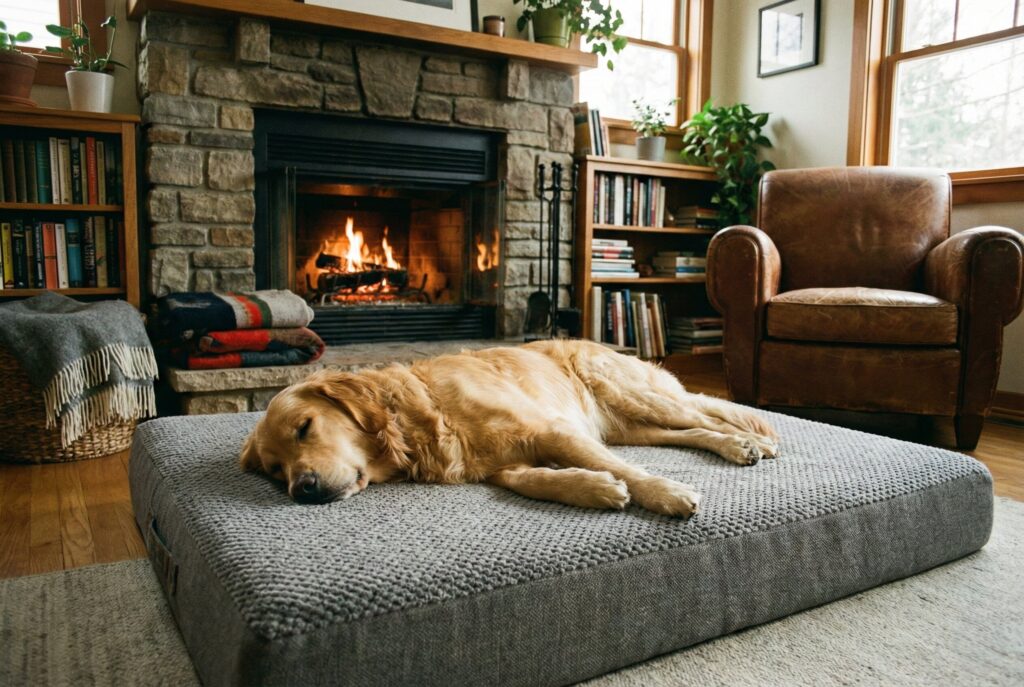
Dogs sleep a lot, often 12 to 14 hours a day, and even more for puppies and seniors. They need a space that is entirely theirs where they can rest comfortably and feel secure.
Why It Is Essential
A good bed provides insulation from cold or hard floors. More importantly, it cushions their joints. As dogs age, sleeping on hard surfaces can exacerbate arthritis and hip dysplasia. A dedicated bed also helps keep dog hair and dirt off your own furniture.
Choosing the Right Bed
- Size: The dog should be able to stretch out fully without hanging off the edge.
- Style: Watch how your dog sleeps. Do they curl up into a ball? A “donut” or bolster bed with raised sides will make them feel secure. Do they sprawl out flat? A large rectangular pillow or mattress-style bed is better.
- Material: Look for memory foam for orthopedic support, especially for larger breeds. Ensure the cover is removable and machine washable because accidents and muddy paws are inevitable.
7. Waste Management Supplies (Poop Bags and Dispenser)
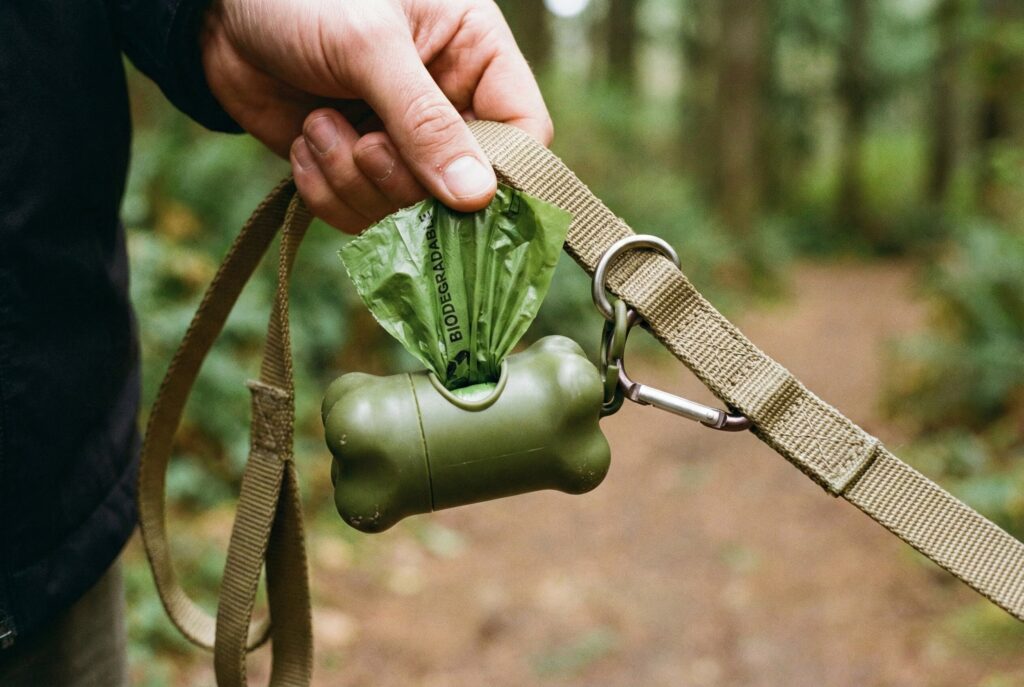
Picking up after your dog is the less glamorous side of ownership, but it is a fundamental responsibility. Leaving waste behind is unsanitary, bad for the environment, and rude to your neighbors.
Why It Is Essential
Dog waste carries bacteria and parasites like E. coli, Giardia, and roundworms that can transmit diseases to humans and other animals. Rain washes this waste into waterways, contaminating local water sources.
What You Need
- High-Quality Bags: Do not skimp here. Cheap bags rip easily, leading to very unpleasant experiences. Look for bags that are thick, leak-proof, and large enough to handle your dog’s output.
- Eco-Friendly Options: Many brands offer biodegradable or compostable bags, which are better choices for the planet than standard plastic.
- A Leash Dispenser: Fumbling in your pockets for a bag while your dog is waiting is frustrating. A small dispenser that clips directly onto your leash ensures you always have bags handy when duty calls.
8. A Basic Grooming Kit
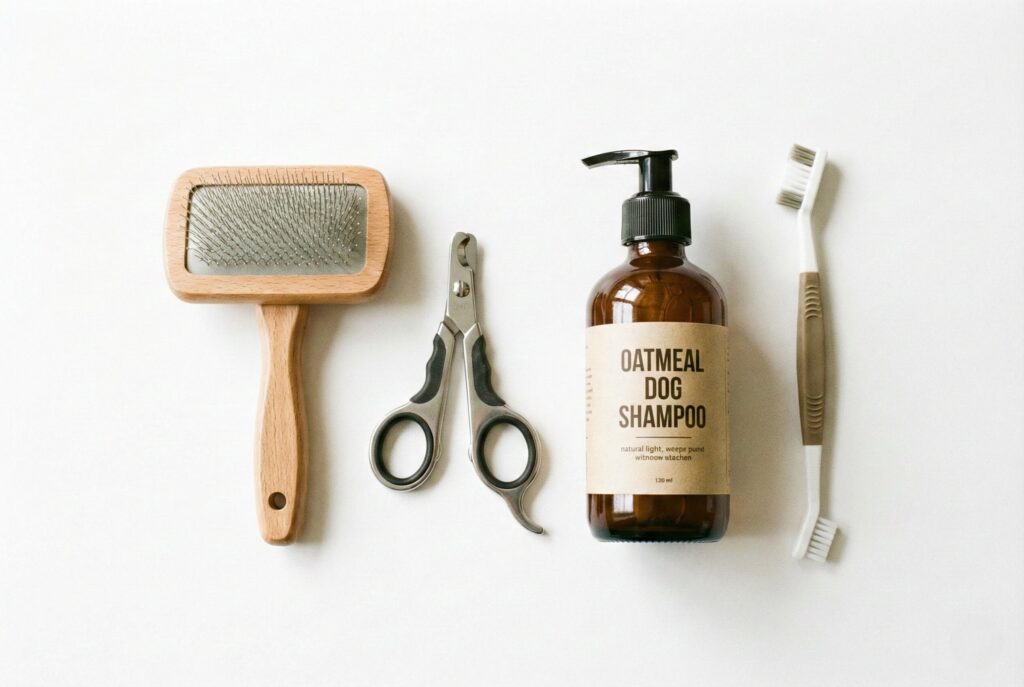
Grooming is not just about making your dog look good; it is a vital part of their health care. Regular grooming allows you to check for lumps, bumps, fleas, ticks, or skin irritations.
Why It Is Essential
Neglecting grooming can lead to painful matting of fur, overgrown nails that impact walking, and dental disease.
Essential Tools
- Brush or Comb: The type depends on your dog’s coat. Short-haired dogs might only need a rubber curry brush to remove shedding hair. Long-haired or double-coated dogs need tools like a slicker brush or an undercoat rake to prevent mats.
- Nail Clippers or Grinder: Long nails can split, cause pain, and even change the way a dog walks, leading to joint problems. Learn to trim them yourself or have a professional do it regularly.
- Dog-Specific Shampoo: Never use human shampoo on a dog. Their skin has a different pH balance, and human products will dry them out and cause itching. Oatmeal-based dog shampoos are gentle for most skin types.
- Dog Toothbrush and Paste: Dental disease is the most common health issue in adult dogs. Brushing their teeth a few times a week can save you thousands in veterinary dental bills later.
9. Engaging Toys
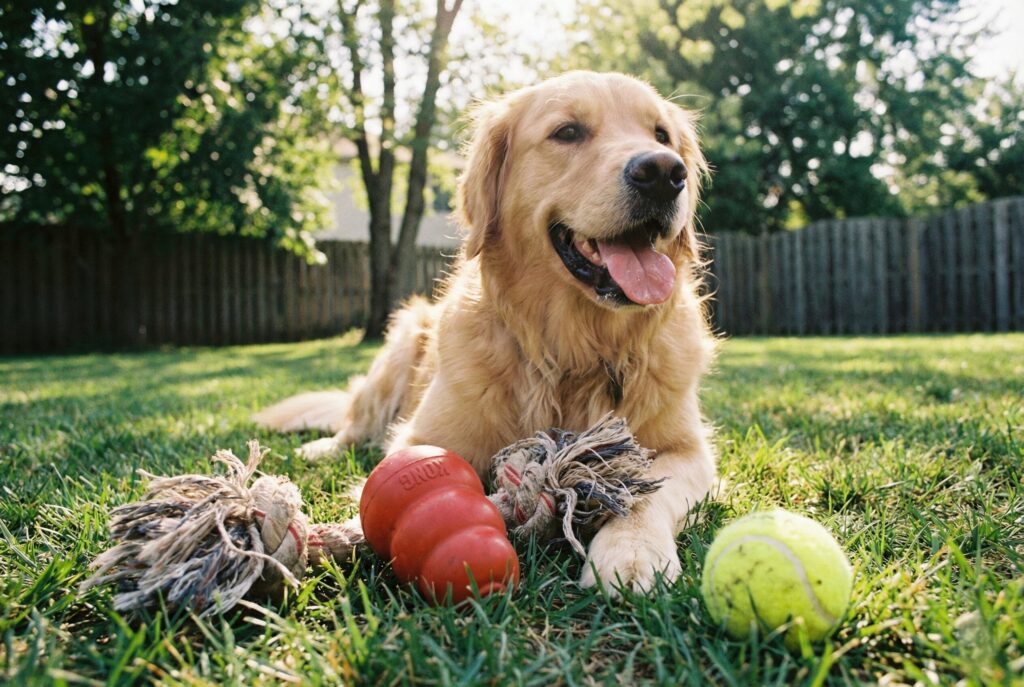
Toys are not merely luxuries for dogs; they are necessary tools for mental and physical stimulation. A bored dog is a destructive dog. Without a proper outlet for their energy, they will create their own fun, usually by chewing your shoes or digging up the garden.
Why It Is Essential
Toys help prevent behavioral issues caused by boredom and anxiety. They provide exercise, satisfying natural instincts to chase, chew, and forage.
Categories of Toys to Own
- Chew Toys: Essential for dental health and satisfying the innate need to gnaw. Look for durable rubber toys (like KONGs) or nylon bones. Avoid cooked real bones, which can splinter and cause internal damage.
- Active Toys: Balls, frisbees, and tug ropes for interactive play with you. This builds a bond and burns off physical energy.
- Mental Stimulation/Puzzle Toys: These require the dog to solve a problem to get a treat. They are fantastic for tiring out a smart dog’s brain, which is often more tiring than a physical walk.
10. A Canine First Aid Kit
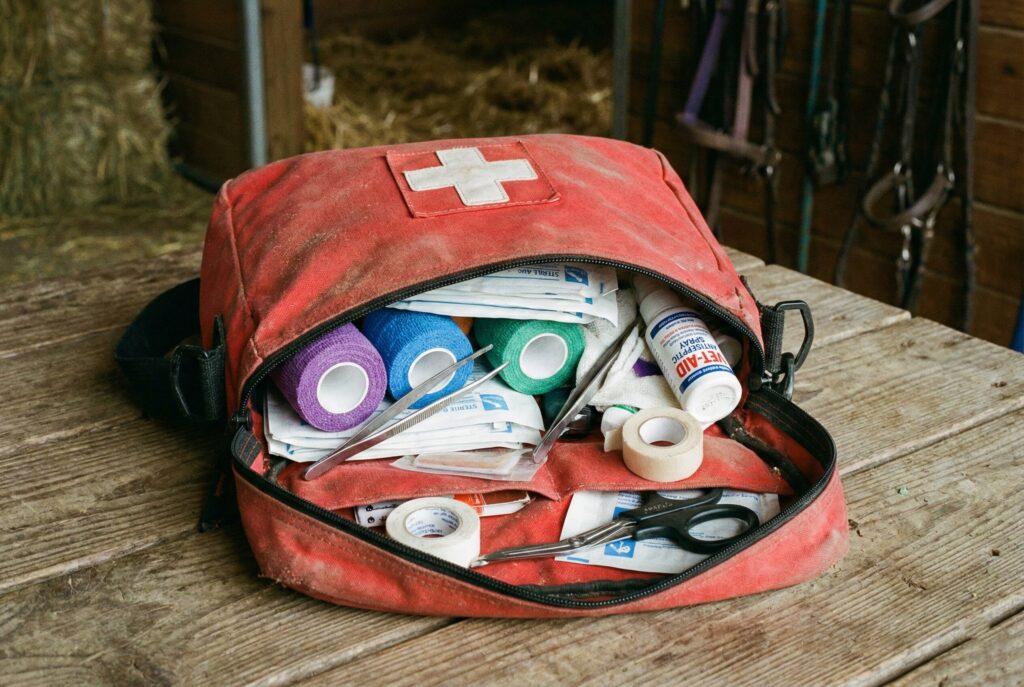
Just like humans, dogs can have accidents at home or on the trail. Having a dedicated first aid kit for your pet allows you to handle minor issues immediately or stabilize your dog while transporting them to the vet for serious emergencies.
Why It Is Essential
When a dog cuts their paw on glass or gets a thorn in their side, you need supplies instantly. Using human supplies isn’t always safe or effective for canine anatomy.
What to Include
You can buy pre-made kits, but you can also assemble your own. Essentials include:
- Self-clinging bandages (Vet wrap) that won’t stick to fur.
- Sterile gauze pads for cleaning wounds.
- Antiseptic wipes or spray (pet-safe).
- Blunt-nosed scissors for cutting bandages or trimming hair around a wound.
- Tweezers for removing ticks or thorns.
- A digital rectal thermometer (know your dog’s normal temperature range).
- Your vet’s phone number and the nearest emergency vet number are written clearly inside the kit.
11. A Travel Safety Restraint for the Car
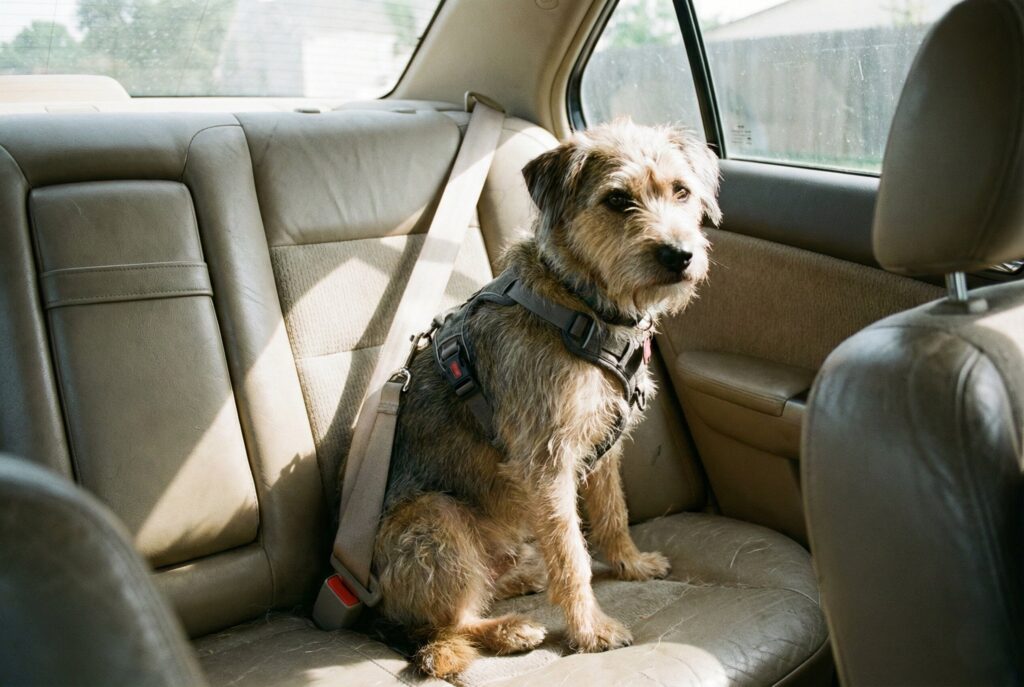
Many people love taking their dogs for rides, but an unrestrained dog in a car is a significant hazard.
Why It Is Essential
In the event of a sudden stop or a car accident, an unrestrained dog becomes a projectile. They can seriously injure themselves, the driver, or passengers. Furthermore, a loose dog can distract the driver, causing an accident in the first place. If an accident occurs, a frightened, loose dog may flee the scene into traffic.
Types of Restraints
- Seatbelt Harness: This is a sturdy harness with an attachment point that buckles directly into the car’s seatbelt receiver or loops around the seatbelt strap. Never attach a seatbelt tether to a neck collar, as this could snap their neck in a crash.
- Car Barrier: Metal or mesh grids that keep the dog confined to the cargo area of an SUV or station wagon.
- Travel Crate: Perhaps the safest option, a secure crate anchored in the back of the vehicle offers the best protection during a collision.
12. Appropriate Weather Protection
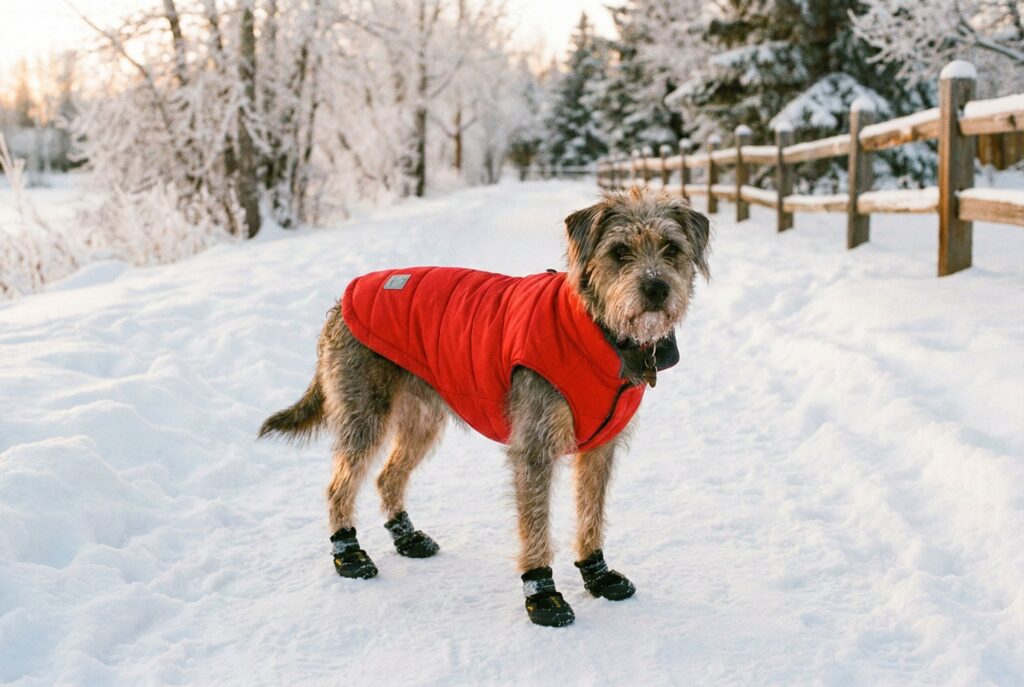
Depending on where you live and what breed of dog you own, weather protection may be an absolute essential.
Why It Is Essential: Not all dogs are built for all climates. A Siberian Husky loves the snow, but a short-haired Greyhound or a small Chihuahua will quickly become hypothermic in freezing temperatures. Conversely, hot pavement in summer can severely burn paw pads.
Gear to Consider
- Coats and Sweaters: Essential for small dogs, senior dogs, dogs with low body fat, and thin-coated breeds during cold months. Look for water-resistant materials if you live in a rainy climate.
- Booties: These serve two purposes. In winter, they protect paws from ice, snow, and toxic de-icing salts. In summer, they protect paws from blistering hot asphalt. They also provide traction for senior dogs on slippery indoor floors.
Conclusion
Navigating the world of pet products can be confusing, but by focusing on these 12 essentials, you are building a solid foundation for your dog’s life.
Don’t feel pressured to buy the most expensive version of everything immediately. Focus on quality where it counts most, safety items like collars, harnesses, and car restraints, and build the rest of your collection over time.
Having the right accessories makes the daily routine of walking, feeding, and caring for your dog smoother and more enjoyable. It allows you to focus less on managing problems and more on building a strong, loving bond with your canine companion.