
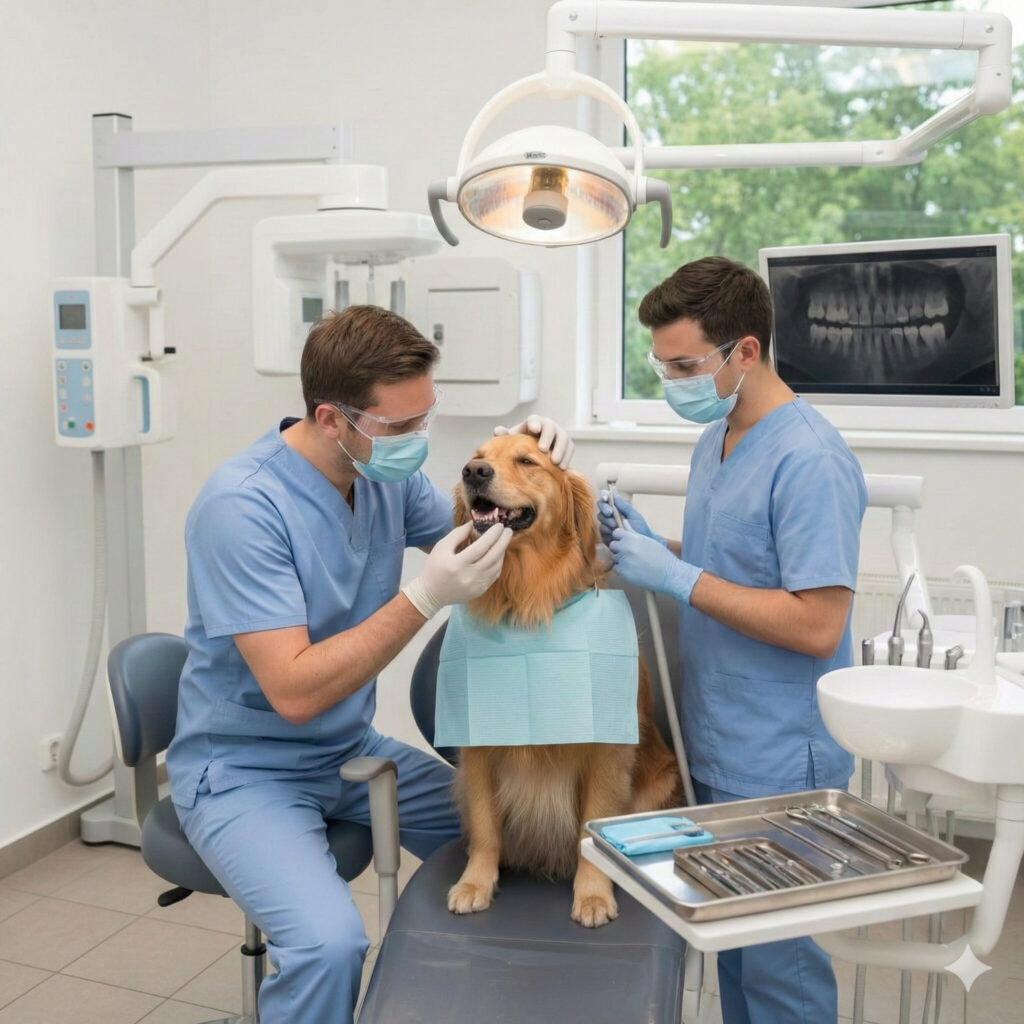
Dental health for dogs is crucial because oral hygiene directly impacts a dog’s overall physical well-being. Neglecting a dog’s teeth can lead to periodontal disease, a painful condition where bacteria from the mouth enter the bloodstream and damage vital organs like the heart, liver, and kidneys. Beyond systemic health, poor dental care causes tooth loss, severe pain, difficulty eating, and behavioral changes. Regular brushing, veterinary checkups, and professional cleanings are essential to prevent suffering and extend a dog’s lifespan.
Summary Table: Why Dental Health Matters for Dogs
| Aspect | Key Information |
| Primary Risk | Periodontal Disease (affects gums and bone support). |
| Systemic Dangers | Bacteria can travel to the heart, liver, and kidneys. |
| Common Signs | Bad breath (halitosis), yellow/brown tartar, bleeding gums. |
| Prevention | Daily brushing, dental chews, water additives. |
| Professional Care | Annual veterinary exams and cleanings under anesthesia. |
| Dietary Impact | Dry kibble helps slightly, but is not a substitute for brushing. |
| Golden Rule | Prevention is cheaper and safer than treatment. |
Dental Health for Dogs: Why It Matters
Most dog owners know the routine: food, water, walks, and belly rubs. However, one critical aspect of care is often overlooked until it becomes a serious problem. That aspect is dental health.
Many people assume that “dog breath” is just a normal part of owning a pet. The reality is that foul odor is often the first sign of dental disease. According to veterinary studies, nearly 80% of dogs have some form of dental disease by age three. This is not just a cosmetic issue. It is a health crisis that causes chronic pain and shortens lives.
Read Also: Why Regular Exercise Is Crucial for Dogs?
This guide explains exactly why dental health is vital for your dog, how dental disease progresses, and the simple steps you can take to prevent it.
The Hidden Danger: Understanding Periodontal Disease
The most common condition affecting dogs is periodontal disease. This is an infection of the tissues that hold the teeth in place. It is a progressive disease, meaning it starts small and gets worse over time if untreated.
Understanding the process helps you stop it. Here is how it happens:
- Plaque Formation: After your dog eats, bacteria mix with saliva and food particles to form a sticky, colorless film called plaque. This happens every single day.
- Tartar Buildup: If plaque is not brushed away within 24 to 48 hours, it hardens into minerals. This hard substance is called tartar (or calculus). You cannot brush tartar off; a veterinarian must scrape it off.
- Gingivitis: Tartar irritates the gum line. The gums become red, swollen, and may bleed easily. This stage is called gingivitis. The good news is that gingivitis is reversible with proper care.
- Periodontitis: If gingivitis is ignored, the gums pull away from the teeth, creating pockets where bacteria hide. The infection spreads to the bone. This leads to tooth loss and chronic pain. This stage is irreversible.
The “Iceberg Effect”
Veterinarians often talk about the “iceberg effect” regarding dog teeth. When you look at your dog’s mouth, you only see the crown of the tooth (the part above the gum).
However, 60% of the tooth structure is below the gum line. This is where the real damage happens. You might see a white tooth, but the root could be rotting due to infection hidden deep in the gum. This is why visual inspections at home are not enough and why X-rays are necessary.
Read Also: Why Do Dogs Follow Their Owners Everywhere?
How Bad Teeth Affect the Whole Body
The biggest misconception about dog dental health is that it stays in the mouth. This is false. The mouth is the gateway to the rest of the body.
When a dog has periodontal disease, the gums are inflamed and bleeding. This creates an open door for oral bacteria to enter the bloodstream. Once in the blood, these bacteria travel to vital organs.
1. Heart Disease
Bacterial endocarditis is a serious risk. This occurs when bacteria from the mouth attach to the valves of the heart. Over time, this causes permanent damage and can lead to heart failure.
2. Liver and Kidney Damage
The liver and kidneys act as filters for the body. When the blood is full of bacteria from a dirty mouth, these organs become overworked and inflamed.
Chronic exposure to oral bacteria is a leading contributor to kidney failure and liver disease in older dogs.
3. Jaw Fractures
In small breed dogs (like Chihuahuas or Yorkies), the roots of the teeth are very large compared to the thin jawbone.
A severe infection can eat away at the bone, making the jaw so weak that it breaks from simple activities like jumping off a couch or chewing a toy.
Signs Your Dog Has Dental Problems
Dogs are masters at hiding pain. In the wild, showing weakness made an animal a target, so modern dogs instinctively mask their discomfort. They will often continue eating even when they have a mouth full of rotting teeth.
You must be proactive in looking for signs. Do not wait for your dog to stop eating.
Physical Signs
- Bad Breath (Halitosis): A strong, offensive odor is not normal.
- Discolored Teeth: Yellow or brown buildup near the gum line.
- Red or Swollen Gums: Healthy gums should be bubblegum pink (unless pigmented black naturally).
- Bleeding: Blood on chew toys or in the water bowl.
- Drooling: Excessive drooling, especially if it is a new behavior.
- Lumps: Swellings under the eye or on the jaw.
Behavioral Signs
- Chewing Habits: Chewing on only one side of the mouth.
- Messy Eating: Dropping food often while eating.
- Head Shyness: Pulling away when you try to pet their head or touch their muzzle.
- Sneezing: believe it or not, an infected upper tooth can cause a sinus infection and chronic sneezing.
Read Also: Signs Your Dog Is Stressed (And How to Help)?
Preventing Dental Disease at Home
The best way to manage dental costs and health risks is prevention. Home care is the “brushing” part of the equation, while the vet provides the “dentist” part. You need both.
The Gold Standard: Daily Brushing
Brushing your dog’s teeth is the single most effective way to remove plaque before it turns into tartar.
How to start:
- Get the right tools: Use a soft-bristled dog toothbrush or a finger brush. Never use human toothpaste, as it contains fluoride and xylitol, which are toxic to dogs. Use enzymatic dog toothpaste (often poultry or beef flavored).
- Start slow: Let your dog lick the paste off your finger. Then, rub your finger on their teeth.
- Introduce the brush: Gently lift the lip and brush the outside surfaces of the teeth. You do not need to worry much about the inside surfaces; the dog’s tongue cleans those naturally.
- Be consistent: Aim for daily brushing, but even 3 times a week makes a massive difference.
Dental Diets and Chews
If you cannot brush daily, use other tools to help.
- Dental Chews: Look for products with the VOHC (Veterinary Oral Health Council) seal. This seal proves the product effectively reduces plaque and tartar.
- Prescription Diets: Specific kibbles are designed to scrub the tooth as the dog chews. Ask your vet about these.
- Water Additives: These are liquids you pour into the water bowl to reduce bacterial growth. They are less effective than brushing but better than nothing.
The Role of Professional Veterinary Cleaning
Home care handles plaque, but it cannot remove tartar. Once tartar forms, your dog needs a COHAT (Comprehensive Oral Health Assessment and Treatment).
Why Anesthesia is Mandatory
Many owners are afraid of anesthesia. As a result, they seek out “anesthesia-free” dental cleanings (often offered by groomers). Veterinary experts strongly advise against anesthesia-free cleaning.
Here is why anesthesia is required:
- Under the Gum Line: You cannot clean under the gum line (where the disease is) on an awake dog. Scraping a metal tool against an infected gum is painful.
- Safety: An awake dog will move. Sharp instruments can injure the gums or tongue if the dog jerks.
- X-Rays: You cannot take dental X-rays on an awake dog. Without X-rays, you are missing 60% of the problem.
- Airway Protection: Anesthesia involves a tube in the throat that prevents water and bacteria from being inhaled into the lungs during the cleaning.
Modern veterinary anesthesia is very safe. Your vet will run blood work beforehand to ensure your dog can handle the procedure and will monitor their vitals the entire time.
Read Also: Why Do Dogs Circle Before Lying Down?
Common Myths About Dog Dental Health
There is a lot of misinformation online. Let’s clear up the most common myths.
Myth 1: “Dry food cleans teeth.”
Fact: While hard kibble is slightly better than soft food, it is not a toothbrush. Most dogs swallow kibble whole or shatter it immediately. It does not provide enough friction to remove plaque effectively at the gum line.
Myth 2: “Bones are good for teeth.”
Fact: Real bones, antlers, and hooves are actually too hard. They are a leading cause of “slab fractures,” where a large piece of the tooth shears off. This exposes the nerve and requires a root canal or extraction. Stick to flexible rubber chews or dental-specific treats.
Myth 3: “My dog is too old for a dental cleaning.”
Fact: Age is not a disease. An older dog with rotting teeth is in constant pain and fighting a chronic infection. Cleaning up the mouth often rejuvenates an older dog, giving them a new lease on life.
As long as the pre-surgical blood work is stable, senior dogs benefit immensely from dental care.
Small Dogs vs. Large Dogs
While all dogs need dental care, small breeds (Toy Poodles, Yorkies, Dachshunds, Chihuahuas) are genetically prone to worse dental disease.
- Crowding: Small dogs have the same number of teeth (42) as large dogs, but much smaller mouths. This leads to overcrowding.
- Rotation: Crowded teeth often rotate, creating tight traps for food and bacteria.
- Bone Density: They have less jawbone to begin with, so bone loss is more devastating.
If you own a small breed, you must be twice as diligent with home care and professional cleanings.
Financial Considerations
Veterinary dentistry can be expensive. A full cleaning with X-rays, anesthesia, and potential extractions can cost several hundred to over a thousand dollars.
However, consider the cost of not doing it.
- Treatment costs: Treating heart disease, kidney failure, or a jaw fracture is far more expensive than a dental cleaning.
- Pet Insurance: Many pet insurance plans cover dental illness if you have kept up with annual exams. Check your policy.
- Wellness Plans: Some vet clinics offer monthly payment plans that include an annual dental cleaning.
Conclusion
Dental health is not a luxury; it is a fundamental requirement for a happy, healthy dog. By ignoring oral hygiene, we unintentionally subject our pets to chronic pain and risk shortening their lives through systemic organ damage.
The path to a healthy mouth is simple:
- Brush their teeth as often as possible.
- Inspect their mouth for bad breath or red gums.
- Schedule annual veterinary exams and professional cleanings when recommended.
Your dog gives you unconditional love. The best way to pay them back is to ensure they are pain-free and healthy, starting with their smile.