
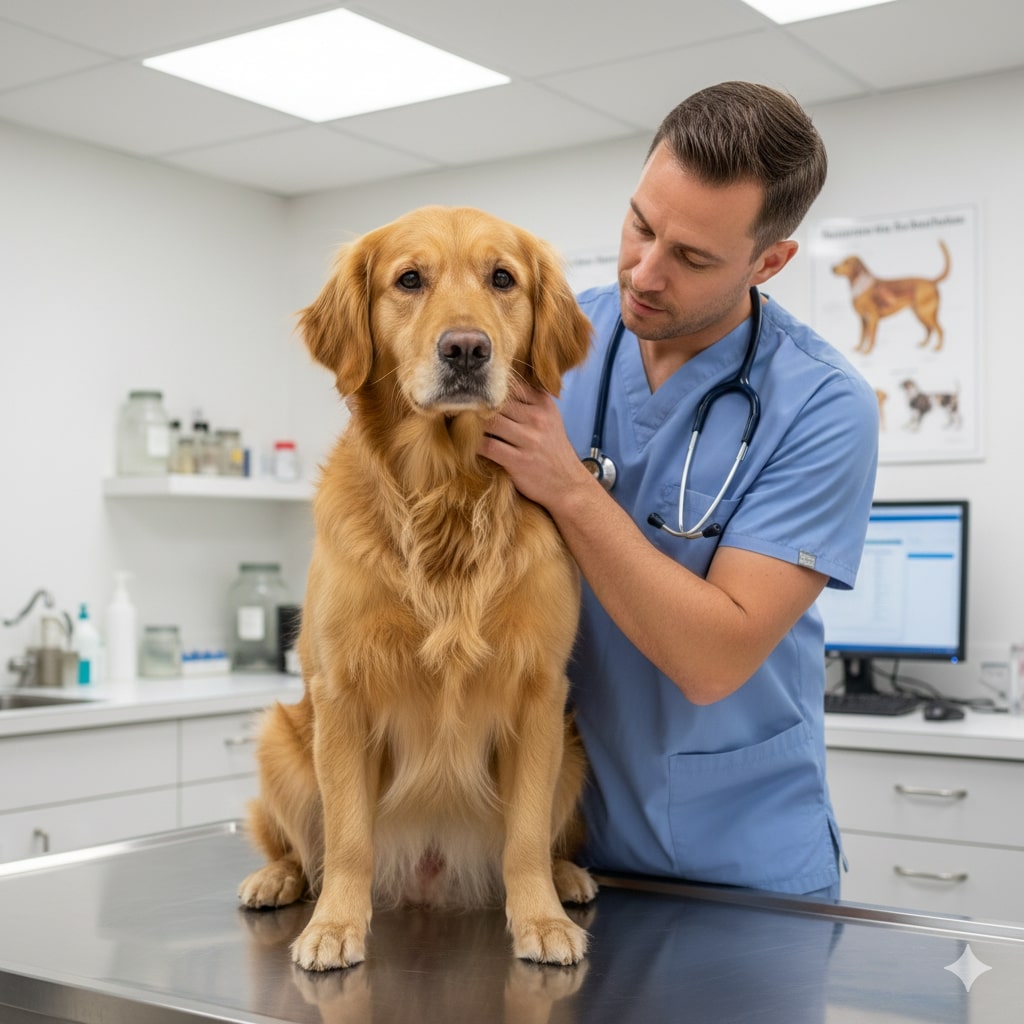
If your dog exhibits persistent vomiting or diarrhea for more than 24 hours, difficulty breathing, sudden lethargy, seizures, pale gums, or signs of extreme pain (whining, shaking, hiding), seek veterinary care immediately. Behavioral changes like sudden aggression or refusal to eat for more than a day also warrant a professional check-up.
Summary Table: 10 Signs Your Dog Needs to See a Vet
| Symptom | Urgency Level | Potential Causes | Action Required |
| Difficulty Breathing | Emergency | Heart failure, asthma, choking | Go to the ER vet immediately |
| Pale Gums | Emergency | Internal bleeding, shock, anemia | Go to the ER vet immediately |
| Seizures | Emergency | Epilepsy, toxins, brain tumor | Go to the ER vet immediately |
| Bloated Abdomen | Emergency | GDV (Bloat), fluid accumulation | Go to ER vet immediately |
| Persistent Vomiting | High Priority | Blockage, virus, pancreatitis | Vet visit within 12-24 hrs |
| Diarrhea (Bloody) | High Priority | Parvovirus, parasites, colitis | Vet visit within 12-24 hrs |
| Lethargy | Moderate | Infection, pain, fever | Monitor; see vet if persists >24 hrs |
| Limping | Moderate | Arthritis, strain, injury | Schedule appointment |
| Scratching/Itching | Routine | Allergies, fleas, skin infection | Schedule appointment |
| Bad Breath | Routine | Dental disease, kidney issues | Schedule appointment |
10 Common Signs Your Dog Needs to See a Vet
Dogs are masters at masking pain and illness. This survival instinct, inherited from their wild ancestors, prevents them from looking vulnerable to predators. Unfortunately, for loving pet owners, this trait makes it difficult to know when a dog is simply having an “off” day and when they are facing a medical emergency.
Recognizing the subtle and obvious signs of illness is the most important skill you can have as a dog owner. Early detection often leads to better prognoses and lower veterinary bills.
Read Also: How Dogs Communicate With Other Dogs?
This guide breaks down the key physical and behavioral indicators that suggest your canine companion needs professional medical attention.
1. Gastrointestinal Distress: Vomiting and Diarrhea
Digestive issues are the most common reason dogs visit the vet. While a single bout of vomiting or loose stool might not be alarming, persistent issues indicate an underlying problem.
Vomiting vs. Regurgitation
It is vital to distinguish between these two. Vomiting involves heaving and active abdominal contractions. Regurgitation is passive; the food comes up effortlessly, often looking like a tube of undigested kibble. Both require attention if they happen frequently, but vomiting is generally more urgent.
When to Worry About Vomiting:
- Frequency: Vomiting more than twice in 24 hours.
- Appearance: Presence of blood (bright red or coffee-ground appearance).
- Projectile Vomiting: This can indicate a blockage in the stomach or intestines.
- Dry Heaving: If your dog is trying to vomit but nothing comes out, this is a classic sign of Bloat (Gastric Dilatation-Volvulus), a life-threatening emergency.
Read Also: Can Dogs Eat Noodles?
Diarrhea Red Flags:
- Duration: Diarrhea lasting more than 24 hours.
- Color: Black, tarry stools (melena) indicate bleeding in the upper GI tract. Bright red blood indicates lower bowel bleeding.
- Consistency: Watery diarrhea increases the risk of rapid dehydration, especially in puppies and senior dogs.
2. Changes in Appetite and Drinking Habits
A sudden change in how much your dog eats or drinks is a significant health indicator.
Loss of Appetite (Anorexia)
If your food-motivated dog suddenly turns their nose up at dinner, pay attention. Refusing food for a single meal might be simple nausea, but refusing food for more than 24 hours is a sign of illness.
- Dental Pain: Broken teeth or infected gums can make eating painful.
- Systemic Infection: Fevers often suppress appetite.
- Organ Dysfunction: Kidney or liver disease often causes nausea.
Excessive Thirst (Polydipsia) and Urination (Polyuria)
If you find yourself refilling the water bowl constantly or your dog is asking to go out to pee in the middle of the night, this is not normal.
- Diabetes: High blood sugar triggers excessive thirst.
- Kidney Disease: The kidneys lose the ability to concentrate urine, leading to fluid loss.
- Cushing’s Disease: Hormonal imbalances can drive extreme thirst.
3. Respiratory Issues: Coughing and Breathing
Respiratory distress is always a priority. Unlike humans who can vocalize “I can’t breathe,” dogs will pant, stand with elbows out, or stretch their necks.
Critical Respiratory Signs:
- Blue or Pale Gums: This indicates the dog is not getting enough oxygen (cyanosis).
- Excessive Panting: Panting when the dog hasn’t exercised and isn’t hot may indicate pain, anxiety, or heart issues.
- Noisy Breathing: Wheezing, gasping, or a “honking” sound (common in tracheal collapse) needs evaluation.
- Coughing: A persistent dry cough could be Kennel Cough, while a wet cough might indicate pneumonia or heart failure.
4. Lethargy and Energy Changes
“Lethargy” is more than just being tired. A tired dog will sleep after a long walk but wake up refreshed. A lethargic dog has no interest in the things they usually love, such as walks, treats, or greeting you at the door.
Degrees of Lethargy:
- Mild: Sleeps more than usual but still eats and drinks.
- Moderate: Reluctant to get up for walks; low energy during play.
- Severe: Refuses to move; does not lift head when called; weak.
Sudden lethargy can be a symptom of almost any serious condition, from infections and tick-borne diseases to heart problems or internal bleeding. If your dog is lethargic for more than 24 hours, a vet visit is necessary.
5. Mobility Issues: Limping and Stiffness
Changes in how your dog moves can signal orthopedic or neurological problems.
Limping (Lameness)
- Gradual Onset: Often points to osteoarthritis or hip dysplasia, especially in older large-breed dogs.
- Sudden Onset: Could be a torn cruciate ligament (CCL tear), a fracture, or a paw injury (check for thorns or cuts).
Stiffness and Difficulty Rising
If your dog struggles to stand up after sleeping or is slow to climb stairs, they are likely in pain. Many owners mistake this for “just old age,” but veterinarians can prescribe joint supplements and pain management to significantly improve their quality of life.
Neurological Walking Issues
- Ataxia: Walking like they are drunk or wobbly.
- Knuckling: Dragging the tops of the paws on the ground.
- Circling: Walking endlessly in circles can indicate a brain tumor or vestibular disease (an inner ear issue affecting balance).
Read Also: Can Dogs Eat Bacon?
6. Skin, Coat, and Eyes
The condition of your dog’s skin and eyes often reflects their internal health.
Skin and Coat Abnormalities
- Hair Loss (Alopecia): Patchy hair loss can indicate parasites (mange), ringworm, or hormonal issues like hypothyroidism.
- Redness and Itching: Constant scratching can lead to secondary bacterial infections (hot spots). This is often caused by environmental allergies or food sensitivities.
- Lumps and Bumps: Any new growth should be checked. While many are benign fatty tumors (lipomas), others could be mast cell tumors or carcinomas.
Eye Changes
- Cloudiness: A blue-grey haze might be lenticular sclerosis (normal aging) or cataracts (can cause blindness).
- Redness: Bloodshot eyes can indicate conjunctivitis, glaucoma (high pressure in the eye), or trauma.
- Discharge: Green or yellow goop suggests an infection.
7. Behavioral Changes
A sudden shift in personality is a strong indicator of pain or illness. Because dogs cannot speak, they communicate discomfort through behavior.
Aggression
A normally gentle dog that suddenly snaps, growls, or bites when touched is likely protecting a painful area. This is common with ear infections, arthritis, or abdominal pain.
Hiding (Nesting)
Dogs often seek small, dark, quiet places when they feel unwell. If your social dog is suddenly spending all day under the bed or in a closet, investigate immediately.
“Scooting”
Dragging the rear end on the floor usually indicates anal gland impaction. If left untreated, these glands can rupture, causing an abscess.
8. Neurological Symptoms
Neurological issues are frightening and require immediate care.
Seizures
A seizure can look like twitching, paddling of the legs, snapping at the air, or full collapse with foaming at the mouth.
- Single Seizure: If it lasts less than 2 minutes and the dog recovers, call your vet for an appointment.
- Cluster Seizures: Multiple seizures in 24 hours are an emergency.
- Status Epilepticus: A seizure lasting longer than 5 minutes is a life-threatening emergency that can cause brain damage.
Head Tilt
A persistent tilt to one side, often accompanied by flickering eyes (nystagmus), usually points to Vestibular Disease. While it looks like a stroke, it is often treatable with supportive care.
9. Urinary Changes
The urinary tract is a common site of infection and obstruction.
Straining to Urinate
If your dog is squatting or lifting their leg repeatedly but producing little to no urine, this is a medical emergency. A urinary blockage (stones or crystals) can cause the bladder to rupture and lead to kidney failure within hours. This is more common in male dogs.
Blood in Urine (Hematuria)
Pink or red urine usually indicates a urinary tract infection (UTI), bladder stones, or in rare cases, tumors.
Accidents in the House
A house-trained dog who starts urinating indoors isn’t “acting out.” They likely have a UTI, diabetes, or incontinence issues requiring medication.
Read Also: Can Dogs Eat Butter?
10. Emergency Situations
Some symptoms require you to drop everything and drive to the nearest emergency animal hospital.
- Trauma: Being hit by a car, attacked by another animal, or falling from a height. Even if the dog looks fine, internal bleeding or a ruptured spleen can kill them later.
- Toxin Ingestion: If you suspect your dog ate chocolate, xylitol (gum), grapes/raisins, rat poison, or human medication. Bring the packaging with you.
- Bloat (GDV): A distended, hard stomach, pacing, and unproductive retching. This kills rapidly without surgery.
- Heatstroke: Heavy panting, drooling, bright red gums, and collapse after being in the heat.
Preparing for Your Vet Visit
To get the most out of your appointment and help the vet diagnose your dog quickly, come prepared.
What to Document:
- Timeline: When did the symptom start?
- Progression: Is it getting better, worse, or staying the same?
- Diet: What food, treats, and human scraps has the dog eaten recently?
- Stool/Vomit Sample: If possible, bring a fresh sample or a photo of the vomit or stool. This can save time on diagnostics.
- Medications: List all supplements and drugs your dog is currently taking.
Videos are Valuable
If your dog is limping, coughing, or having a seizure, film it on your phone. Often, the adrenaline of the vet clinic makes the dog “hide” the symptom during the exam. A video shows the vet exactly what is happening at home.
Frequently Asked Questions
What are the signs of a dog in pain?
Dogs in pain may pant heavily, hide, tremble, refuse to eat, limp, or show aggression when touched. They rarely cry out unless the pain is severe.
How do I know if my dog has a fever?
The only accurate way is to use a rectal thermometer. A normal temperature for a dog is between 101.0°F and 102.5°F. Dry noses are not a reliable indicator of fever.
Can I give my dog human medication?
Never give human medication (like Ibuprofen or Tylenol) to a dog without veterinary instruction. Many human pain relievers are toxic and can be fatal to dogs.
Conclusion
Your dog relies on you to be their advocate. While it can be tempting to turn to “Dr. Google” and wait for symptoms to pass, erring on the side of caution is always the safer choice. A quick exam fee is a small price to pay for peace of mind and your dog’s safety.
If your intuition tells you something is wrong, trust it. You know your dog better than anyone else. Establishing a baseline of what is “normal” for your pet—their appetite, energy level, and bathroom habits—will help you spot the “abnormal” instantly.