
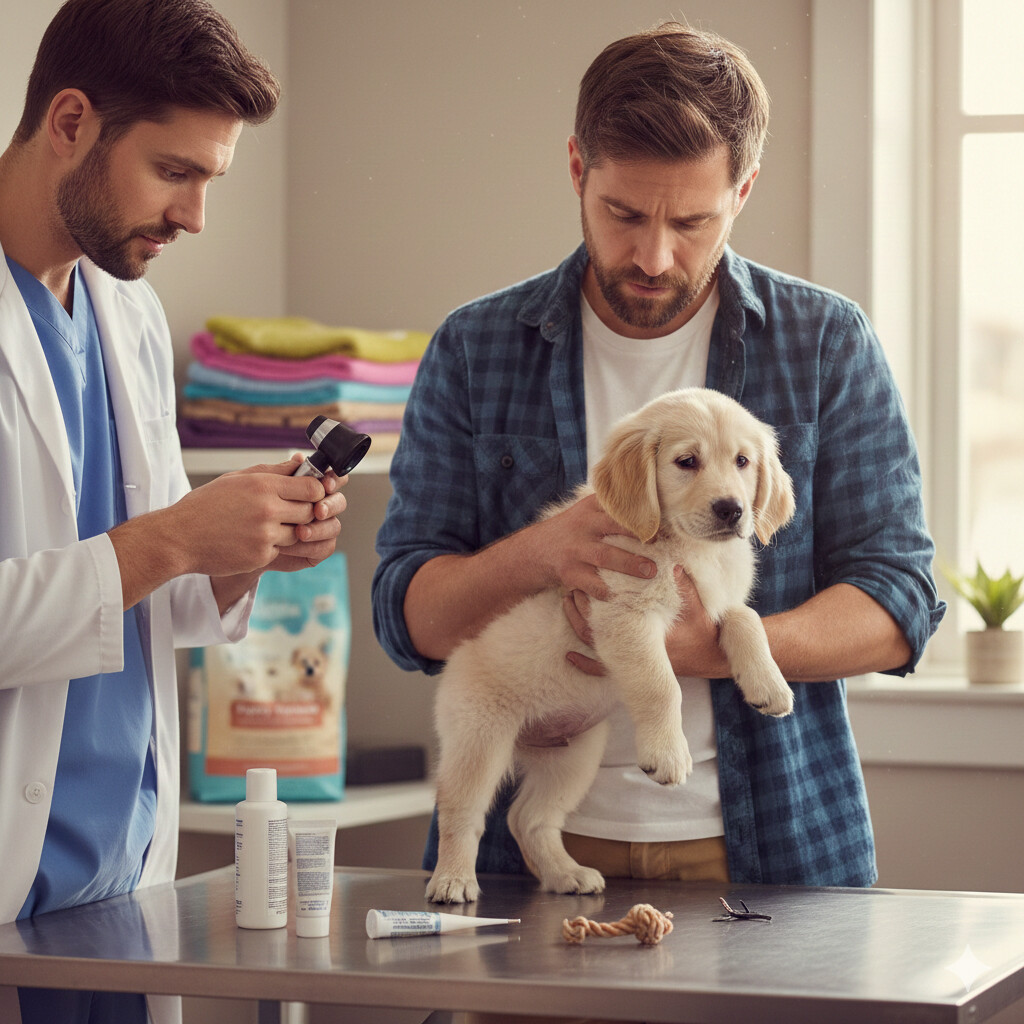
The most common puppy health concerns include gastrointestinal issues like Parvovirus and worms, respiratory infections like Kennel Cough, and skin problems caused by fleas or mites. Puppies are also prone to “growing pains” such as teething and hypoglycemia. Because their immune systems are developing, early vaccination and parasite prevention are the best defenses against these often preventable illnesses.
Summary Table
| Health Concern | Key Symptoms | Urgency Level | Prevention/First Step |
| Parvovirus | Bloody diarrhea, severe vomiting, lethargy | Critical Emergency | Vaccination; Isolate immediately |
| Intestinal Parasites | Potbelly, visible worms in stool, weight loss | High | Deworming schedule; Fecal test |
| Kennel Cough | Dry “honking” cough, runny nose | Moderate | Vaccination (Bordetella); Avoid dog parks |
| Fleas & Ticks | Excessive scratching, “flea dirt” (black specks) | Moderate | Monthly preventatives; Check coat daily |
| Hypoglycemia | Weakness, gums turning pale, wobbly walk | High (esp. small breeds) | Rub syrup on gums; Vet visit |
| Diarrhea | Loose stool, straining | Variable | Hydration; Vet if persists >24hrs |
Common Puppy Health Concerns
Bringing a new puppy home is exciting, but it comes with the responsibility of monitoring their fragile health. Unlike adult dogs, puppies have immune systems that are still “under construction.” This makes them more susceptible to viruses, parasites, and bacterial infections that an older dog might easily shake off.
Knowing what to look for and acting fast can save your puppy’s life. This guide breaks down the most frequent health hurdles puppies face, from tummy troubles to skin irritations, so you can spot the red flags early.
Read Also: How Puppies Learn From Adult Dogs
1. Gastrointestinal Issues
Tummy trouble is the number one reason new owners visit the vet. Since puppies explore the world with their mouths, they are at high risk for ingesting things they shouldn’t.
Parvovirus (Parvo)
Parvo is a highly contagious and potentially fatal virus. It attacks the lining of the digestive system and prevents the puppy from absorbing nutrients.
- Symptoms: Severe, bloody diarrhea (often with a distinct metallic smell), projectile vomiting, extreme lethargy, and refusal to eat.
- Action: This is a life-threatening emergency. Go to the vet immediately.
- Prevention: The core DAPP vaccine is your only protection. Keep your puppy off public ground until fully vaccinated.
Intestinal Parasites (Worms)
Almost all puppies are born with worms or contract them from their mother’s milk. The most common are roundworms, hookworms, tapeworms, and whipworms.
- Symptoms: A swollen “potbelly,” weight loss despite a good appetite, scooting their rear on the floor, or visible spaghetti-like worms in vomit or stool.
- Action: Your vet will request a stool sample to identify the specific parasite and prescribe a dewormer.
- Prevention: Follow a strict deworming schedule starting at 2 weeks of age.
Diarrhea and Vomiting
Not every loose stool is a crisis. Stress, diet changes, or eating a rich treat can cause mild upset.
- When to worry: If the vomiting is repeated, the diarrhea is bloody, or the puppy seems weak (lethargic), seek help. Puppies dehydrate much faster than adult dogs.
2. Respiratory Infections
Puppies in shelters, pet stores, or breeding facilities are often in close quarters, making respiratory bugs easy to catch.
Kennel Cough
Technically known as Infectious Tracheobronchitis, this is like a chest cold for dogs. It is often caused by the Bordetella bacterium.
- Symptoms: A dry, hacking cough that sounds like a goose honking. It may get worse when the puppy pulls on their leash.
- Action: Most mild cases resolve with rest, but puppies need a vet check to ensure it doesn’t turn into pneumonia.
- Prevention: The Bordetella vaccine is recommended if your puppy will be around other dogs (boarding, training classes, groomers).
Distemper
This is a severe viral disease that affects the lungs, brain, and gut. Thanks to vaccines, it is less common today, but it remains deadly.
- Symptoms: Eye and nose discharge (pus-like), fever, coughing, and eventually seizures or twitching.
- Action: Immediate veterinary hospitalization is required.
- Prevention: Strictly adhere to the core vaccination schedule.
Read Also: When Do Puppies Start Recognizing Their Name
3. Skin and Coat Problems
A puppy’s skin is sensitive. Persistent scratching can lead to open sores and infections.
Fleas and Ticks
Fleas can cause anemia (low red blood cells) in small puppies due to blood loss. Ticks can transmit diseases like Lyme.
- Symptoms: Intense scratching, biting at the tail, or hair loss. You may see “flea dirt” (black specs that turn red if you wet them) on the skin.
- Action: Use a vet-approved prevention method. Warning: Never use flea medication meant for adult dogs on a puppy; the dosage can be toxic.
Mange
Mange is caused by microscopic mites burrowing into the skin.
- Demodectic Mange: Often genetic and non-contagious. Causes bald patches, usually on the face.
- Sarcoptic Mange (Scabies): Highly contagious and intensely itchy.
- Action: A vet must scrape a tiny bit of skin to look for mites under a microscope and prescribe medication.
4. Physical and Developmental Issues
Not all health concerns are diseases. Some are related to how a puppy grows.
Hypoglycemia (Low Blood Sugar)
This is common in toy breeds (like Chihuahuas or Yorkies) because they lack fat reserves to store energy.
- Symptoms: The puppy appears drunk, wobbly, disoriented, or extremely sleepy. In severe cases, they may seizure.
- Action: Rub corn syrup, honey, or sugar water on their gums immediately to spike their blood sugar, then head to the vet.
- Prevention: Feed small meals frequently throughout the day rather than one big meal.
Teething Pain
Puppies lose their baby teeth between 3 and 6 months. This can lower their immune system slightly due to stress.
- Symptoms: Drooling, bleeding gums, chewing on furniture, and irritability.
- Action: Provide frozen carrots or specialized teething toys to numb the gums. Avoid hard bones that can break fragile teeth.
Read Also: How Long Does Puppy Training Take?
When to Call the Vet
As a general rule, if you are unsure, call the clinic. However, the following signs trigger an immediate need for professional help:
- Pale Gums: Gums should be bubblegum pink. White or grey gums indicate internal bleeding or shock.
- Dehydration: Gently pinch the skin on the back of the neck. If it stays tented and doesn’t snap back instantly, the puppy is dehydrated.
- Temperature: A fever over 104°F (40°C) or a temperature below 99°F (37°C).
- Refusal to Drink: A puppy can survive a day without food, but not without water.
Conclusion
Preventive care is cheaper and safer than treatment.
- Vaccinate: Follow the “6, 9, 12, and 16-week” shot schedule.
- Parasite Control: Monthly heartworm, flea, and tick prevention.
- Diet: High-quality puppy food formulated for growth.
- Hygiene: Pick up poop immediately to stop the cycle of worms.