Dogs
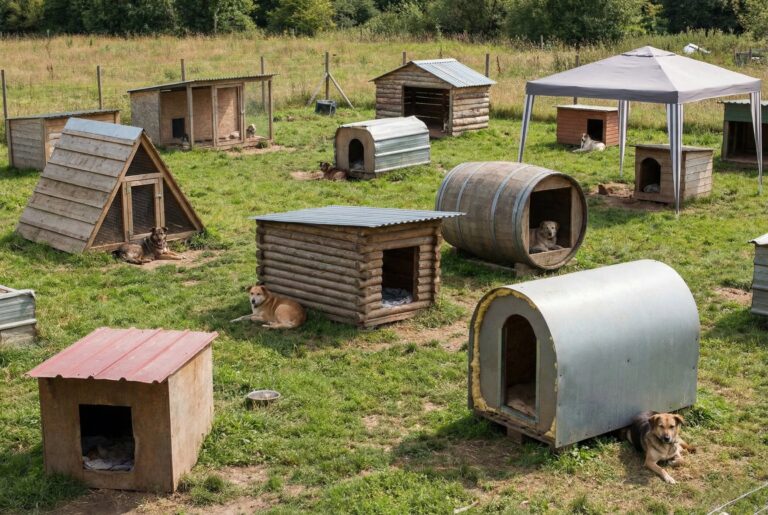
10+ Outdoor Dog Shelter Ideas
Creating a safe, comfortable, and weather-resistant outdoor dog shelter is one of the most important things you can do for your canine companion. Whether your dog spends all day outside

Creating a safe, comfortable, and weather-resistant outdoor dog shelter is one of the most important things you can do for your canine companion. Whether your dog spends all day outside
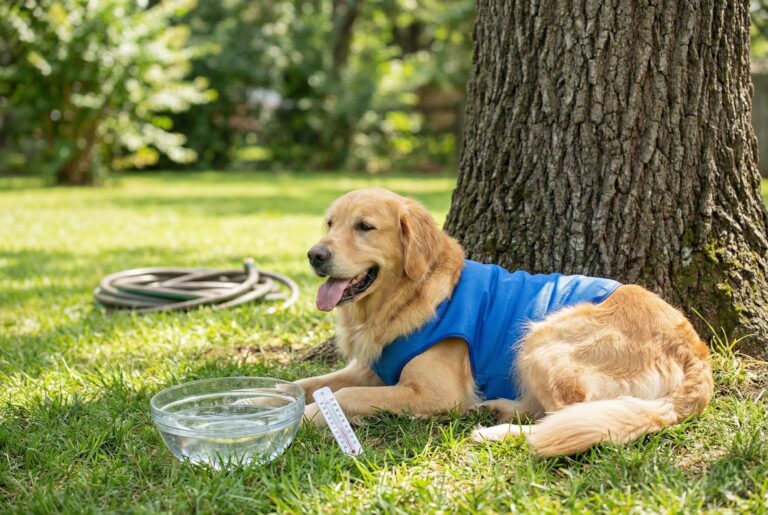
To keep your dog safe in summer, walk them early in the morning or late evening to avoid heatstroke and burnt paws. Always provide fresh water and shade. Use the
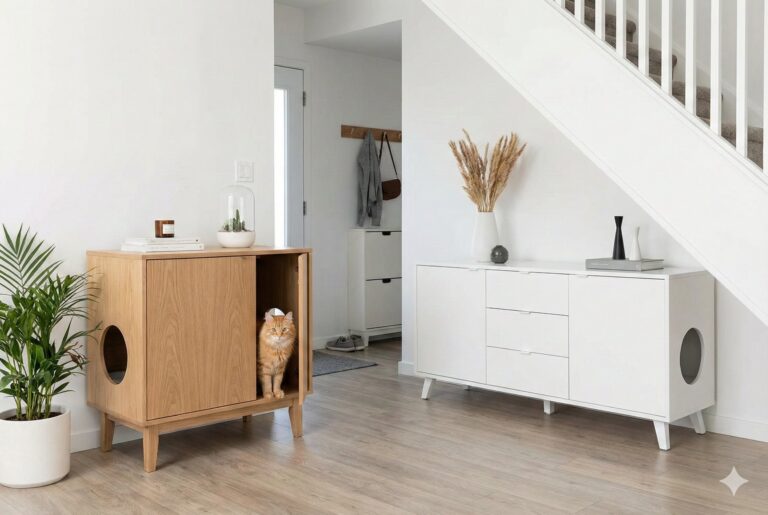
Let’s face it: we love our cats, but we don’t love their litter boxes. Even the cleanest cat owners struggle with the reality of having a plastic tray of litter
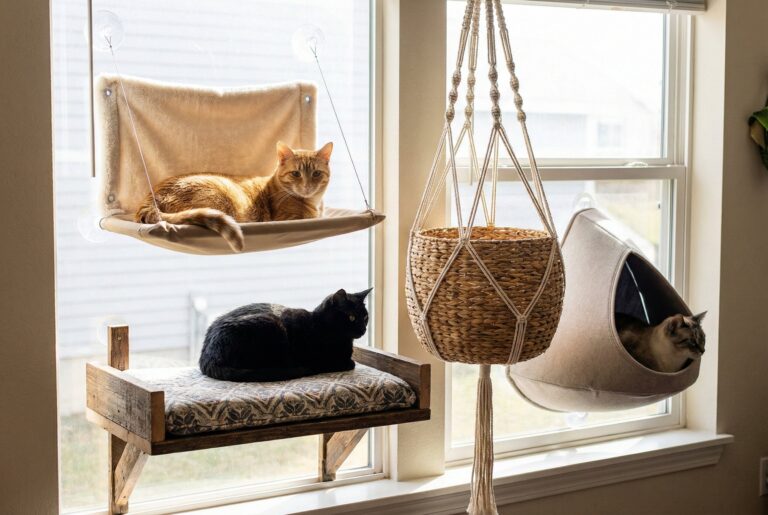
If you share your home with a feline friend, you know that the window is not just a source of light. It is “Cat TV.” Birds, squirrels, passing cars, and
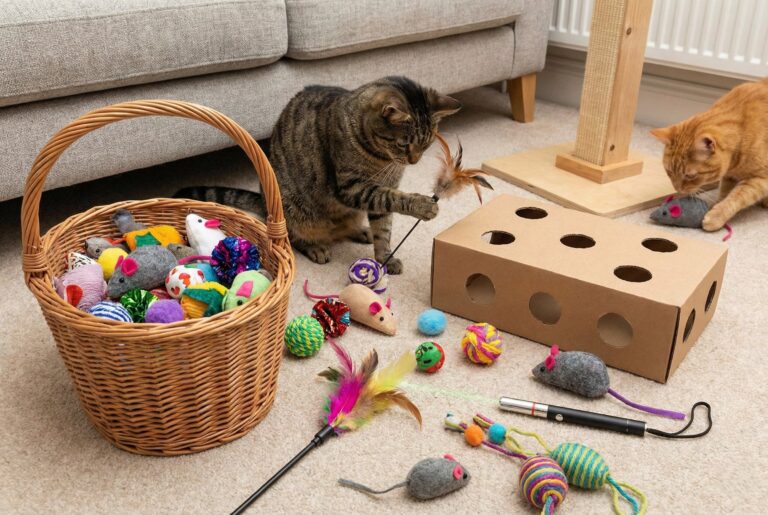
Every cat owner knows the struggle. You buy an expensive, high-tech toy, and your cat spends the next three hours playing with the box it came in. While cats can
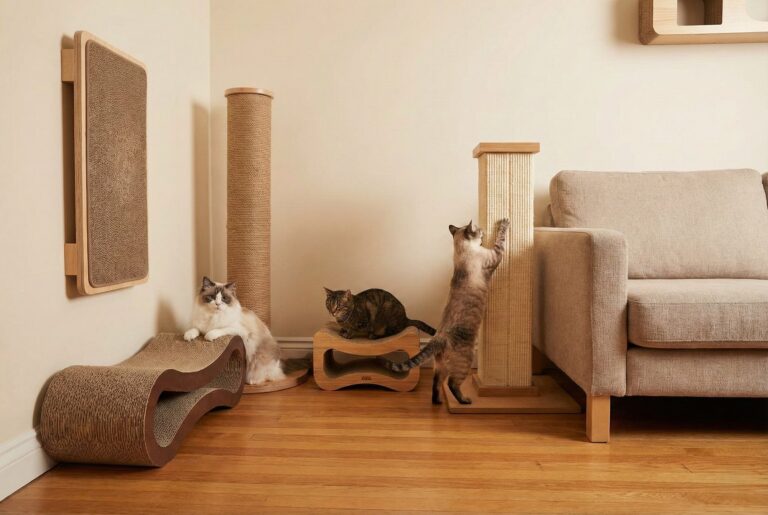
Cats do not scratch your furniture to be annoying. They scratch to mark territory, stretch their muscles, and shed old nail sheaths. It is a biological need. If you do
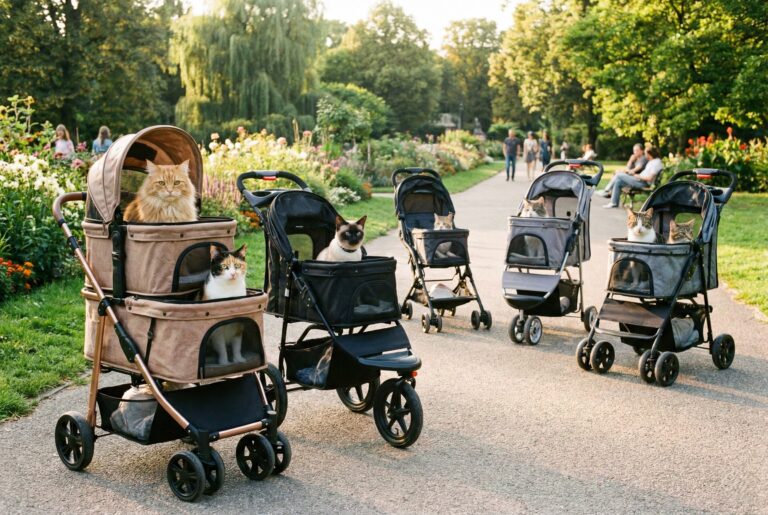
Cat strollers have transformed from a quirky novelty into an essential tool for pet parents. Whether you live in a busy city apartment, enjoy hiking on rough trails, or have
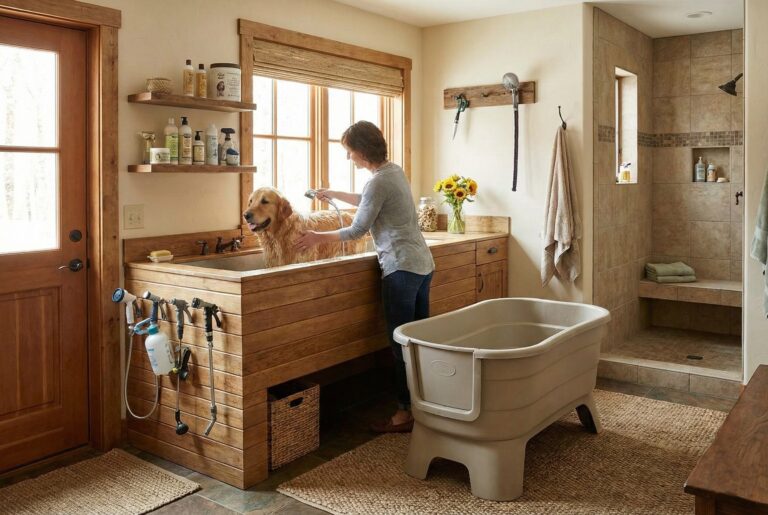
Every dog owner knows the struggle. It starts with a fun hike or a romp in the park, but it ends with a muddy, wet dog shaking dirty water all
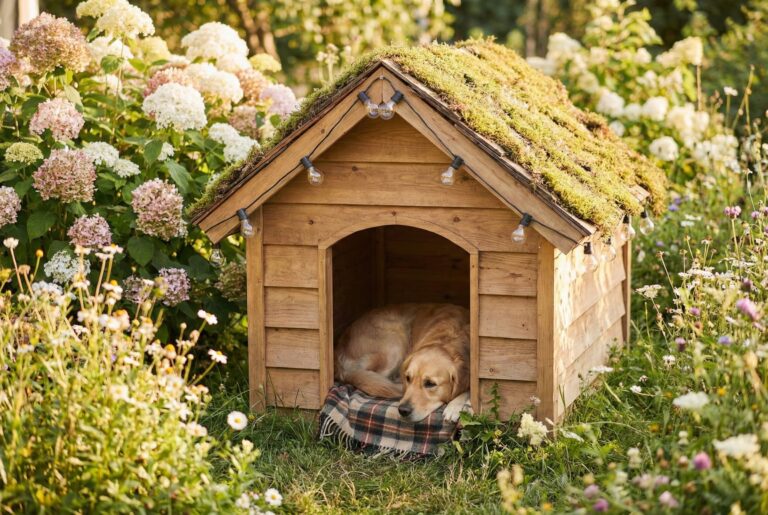
Every dog deserves a space they can call their own. While your bed might be their favorite spot, a dedicated dog house offers security, comfort, and protection from the elements.
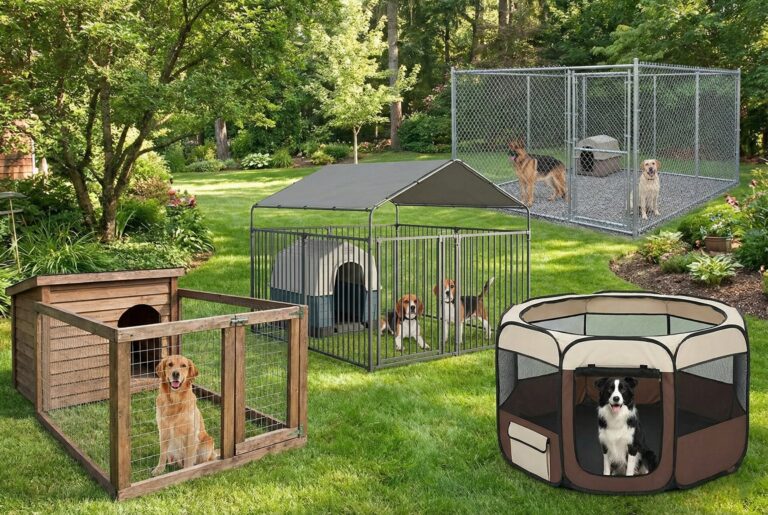
Every dog needs a safe space to enjoy the fresh air. While a fenced-in backyard is great, sometimes you need a more designated area. This is where an outdoor dog
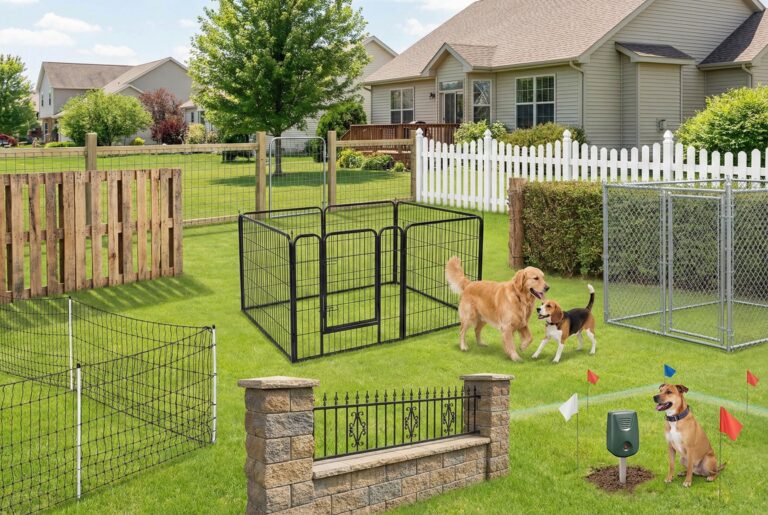
Keeping your dog safe is the most important job you have as a pet owner. A dog that escapes the yard faces many dangers, including busy roads, getting lost, or
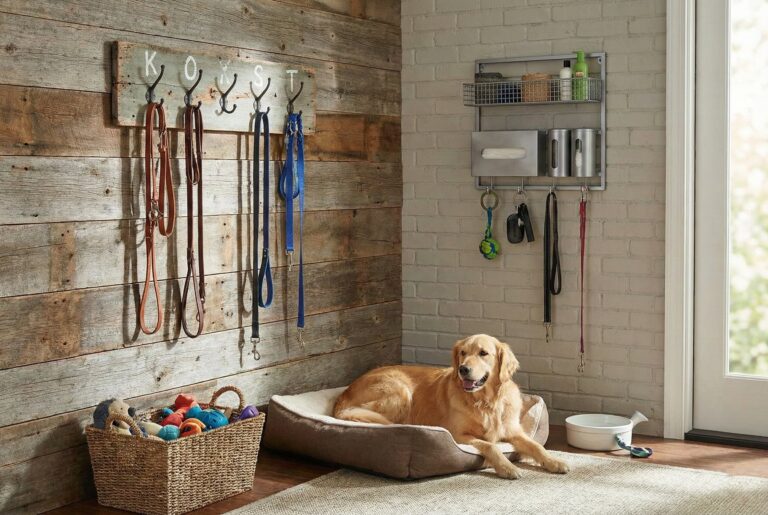
Every dog owner knows the struggle. It is time for the morning walk. Your dog is excited, spinning by the door. You grab your shoes, but then the search begins.