Dogs
How Long Does It Take to Train a Dog?
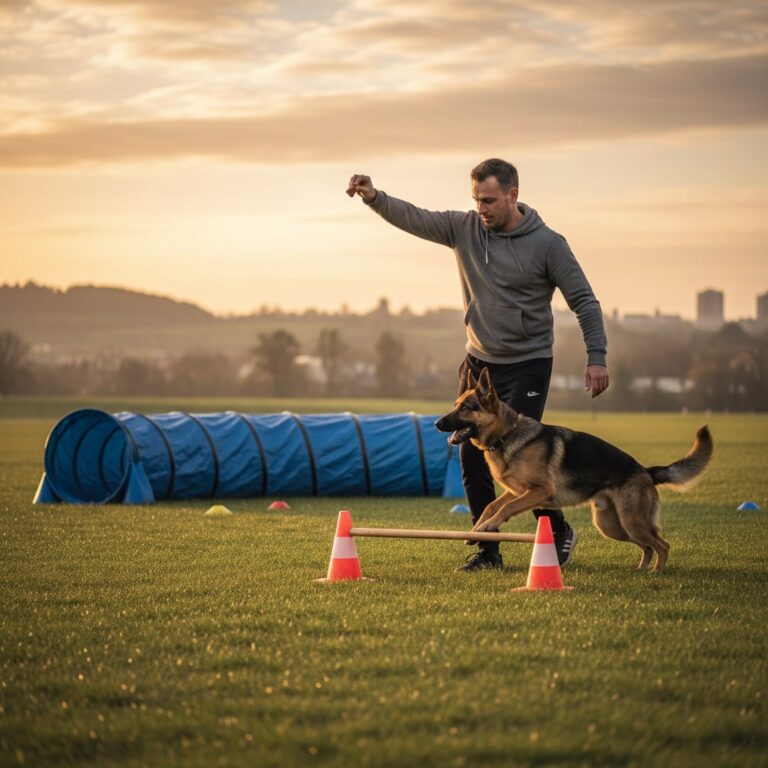
It typically takes 4 to 6 months to train a dog in basic obedience commands (sit, stay, come) and house manners. However, achieving full reliability and off-leash control usually requires

It typically takes 4 to 6 months to train a dog in basic obedience commands (sit, stay, come) and house manners. However, achieving full reliability and off-leash control usually requires
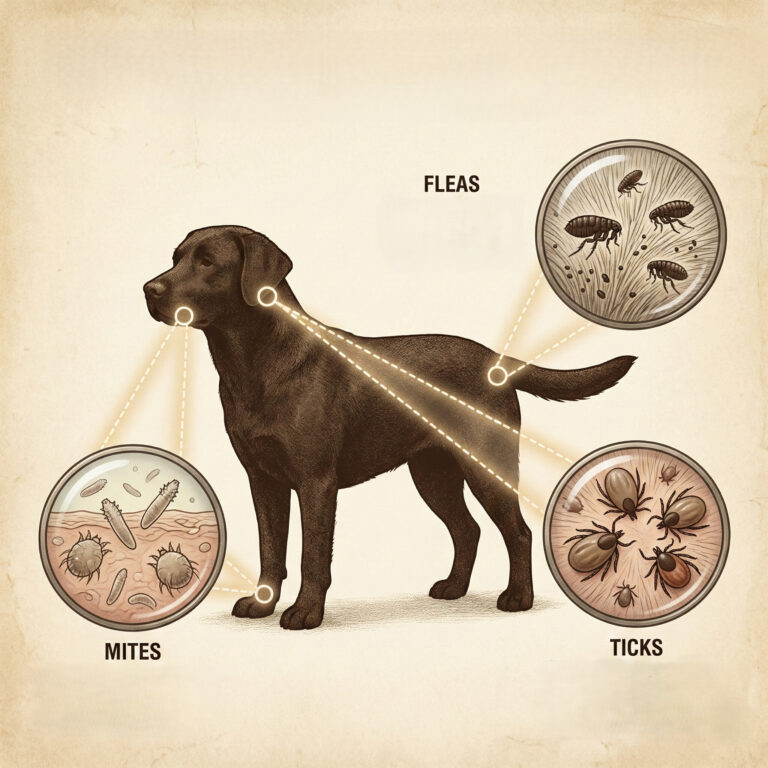
Fleas, ticks, and mites are the most common external parasites affecting dogs. Fleas are wingless insects that cause intense itching and can transmit tapeworms. Ticks are arachnids that latch onto

Signs of arthritis in dogs include stiffness (especially after resting), limping, reluctance to climb stairs or jump, and noticeable behavioral changes like irritability or withdrawal. You may notice your dog
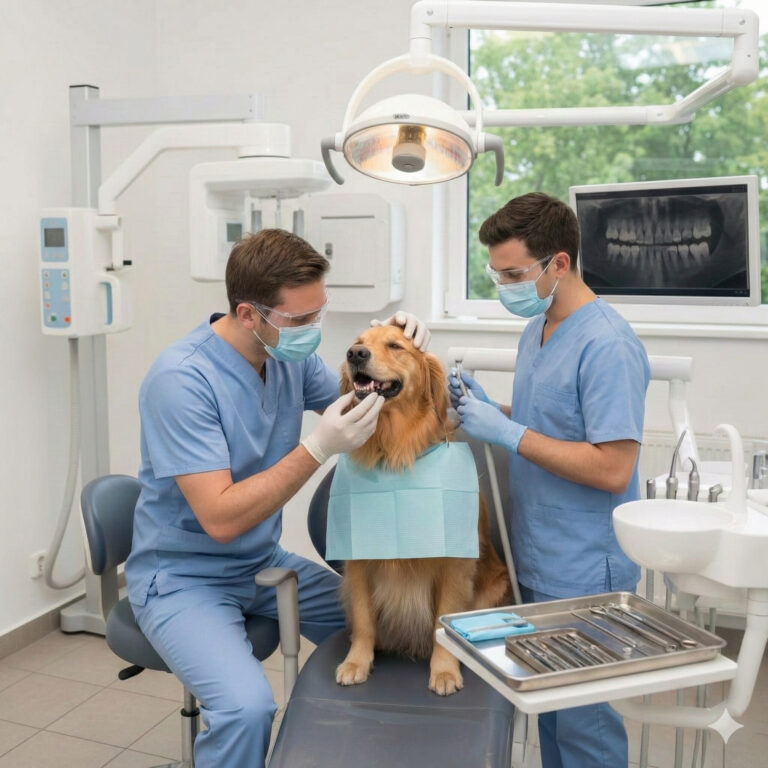
Dental health for dogs is crucial because oral hygiene directly impacts a dog’s overall physical well-being. Neglecting a dog’s teeth can lead to periodontal disease, a painful condition where bacteria
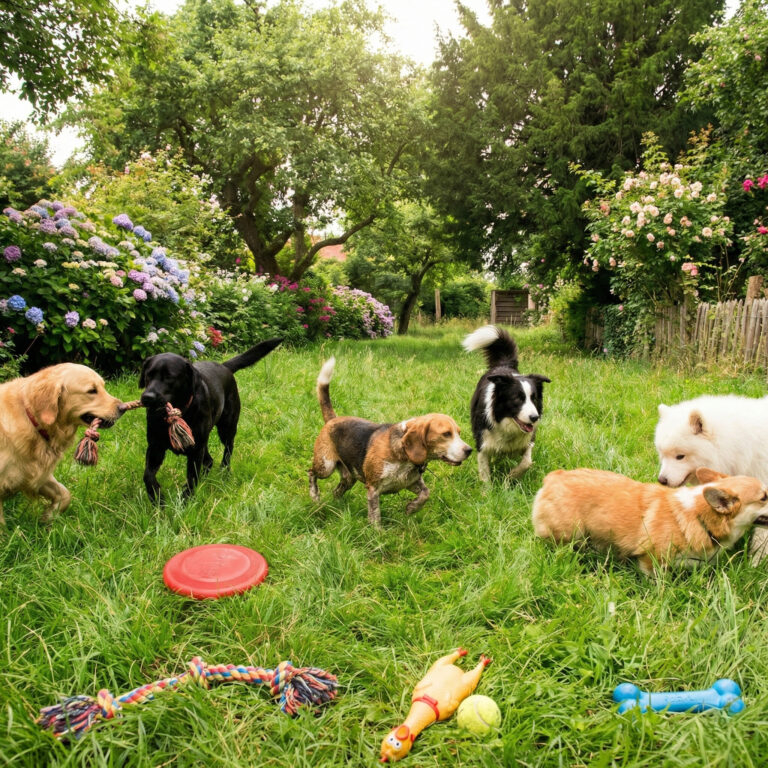
Regular exercise helps dogs maintain a healthy weight, strengthens their heart and muscles, and improves digestion. Beyond physical health, it reduces anxiety and destructive behavior by providing essential mental stimulation.

To spot pain in dogs that don’t whine or cry, look for subtle shifts in behavior and body language. Key indicators include heavy panting while resting, trembling, reluctance to jump
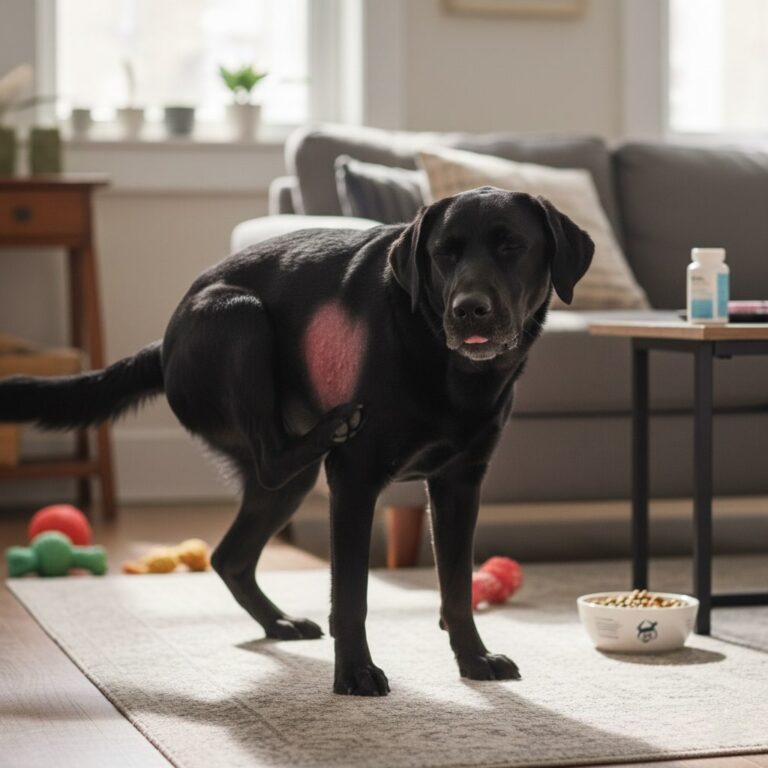
Environmental allergies (Canine Atopic Dermatitis) are immune reactions to substances found in your dog’s daily surroundings, such as dust mites, mold, or human dander, and typically cause year-round symptoms. Seasonal

Most dogs should be bathed once every 4 to 8 weeks. However, this depends heavily on their coat type and lifestyle. Dogs with double coats (like Huskies) or water-repellent fur
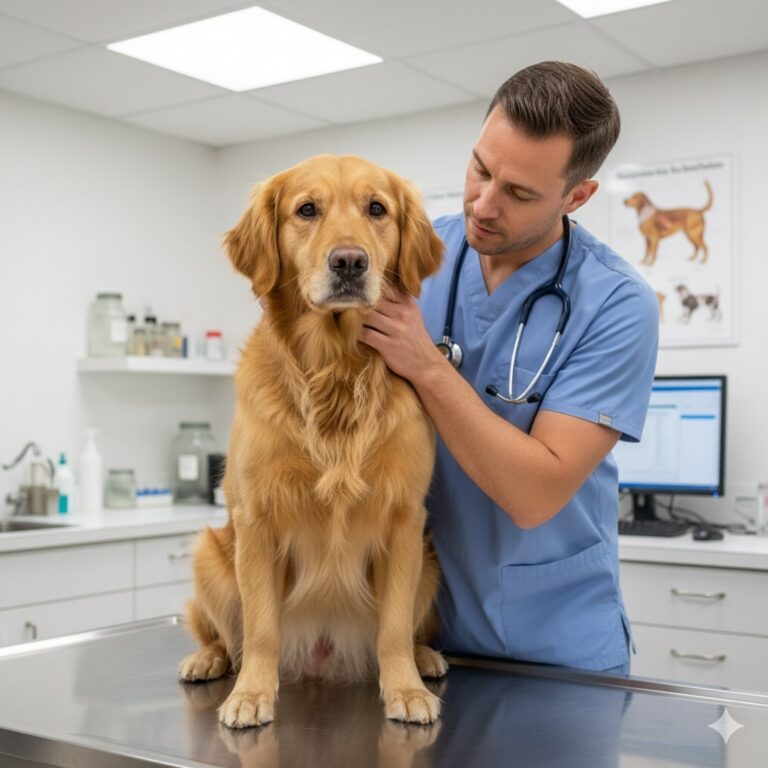
If your dog exhibits persistent vomiting or diarrhea for more than 24 hours, difficulty breathing, sudden lethargy, seizures, pale gums, or signs of extreme pain (whining, shaking, hiding), seek veterinary
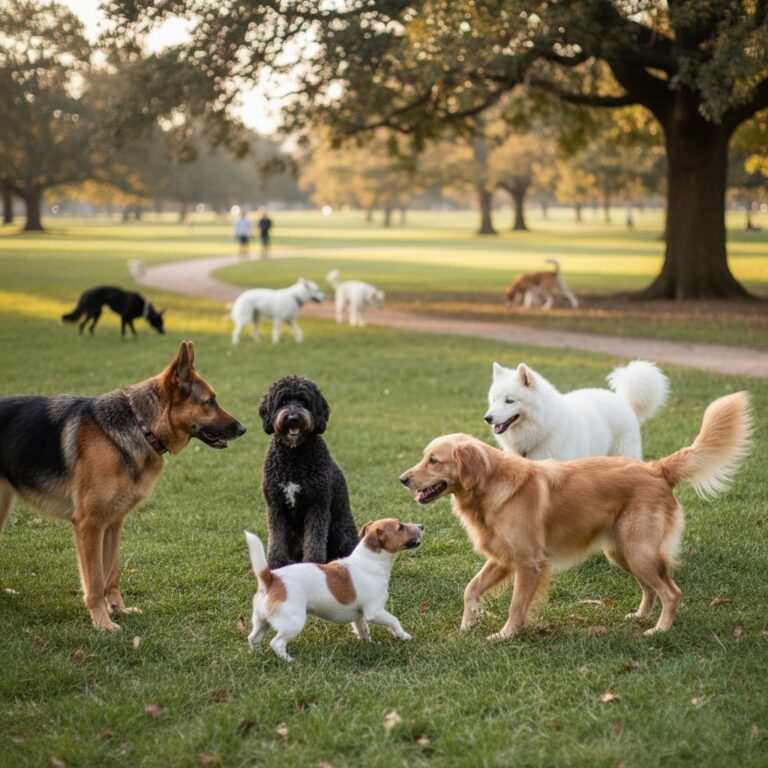
Dogs communicate with other dogs through a complex system of body language, vocalizations, scent, and touch. Their primary method is non-verbal, relying heavily on body posture, tail position, and facial
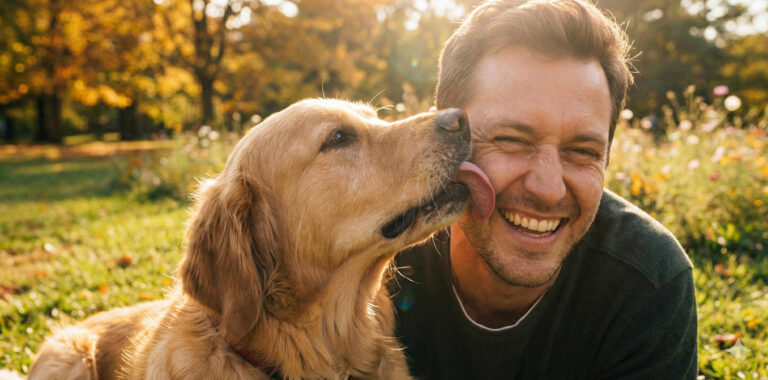
Dogs lick their owners primarily as a form of communication and social bonding. It is an instinctual behavior rooted in their wolf ancestry, used to show affection, signal submission, or
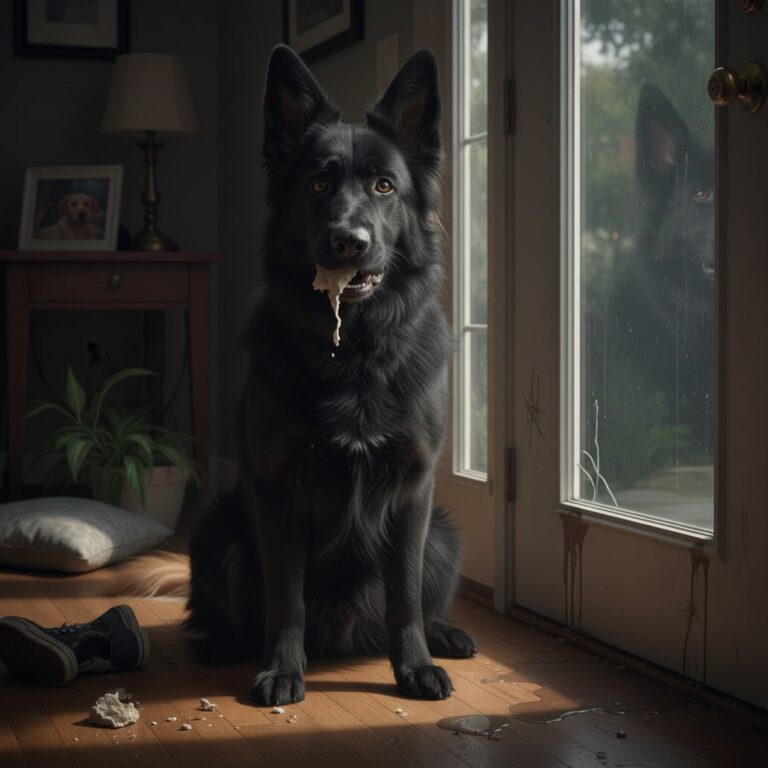
Separation anxiety in dogs is triggered by a genuine panic response when they are left alone or separated from their primary attachment figures. The main causes include significant disruptions to