
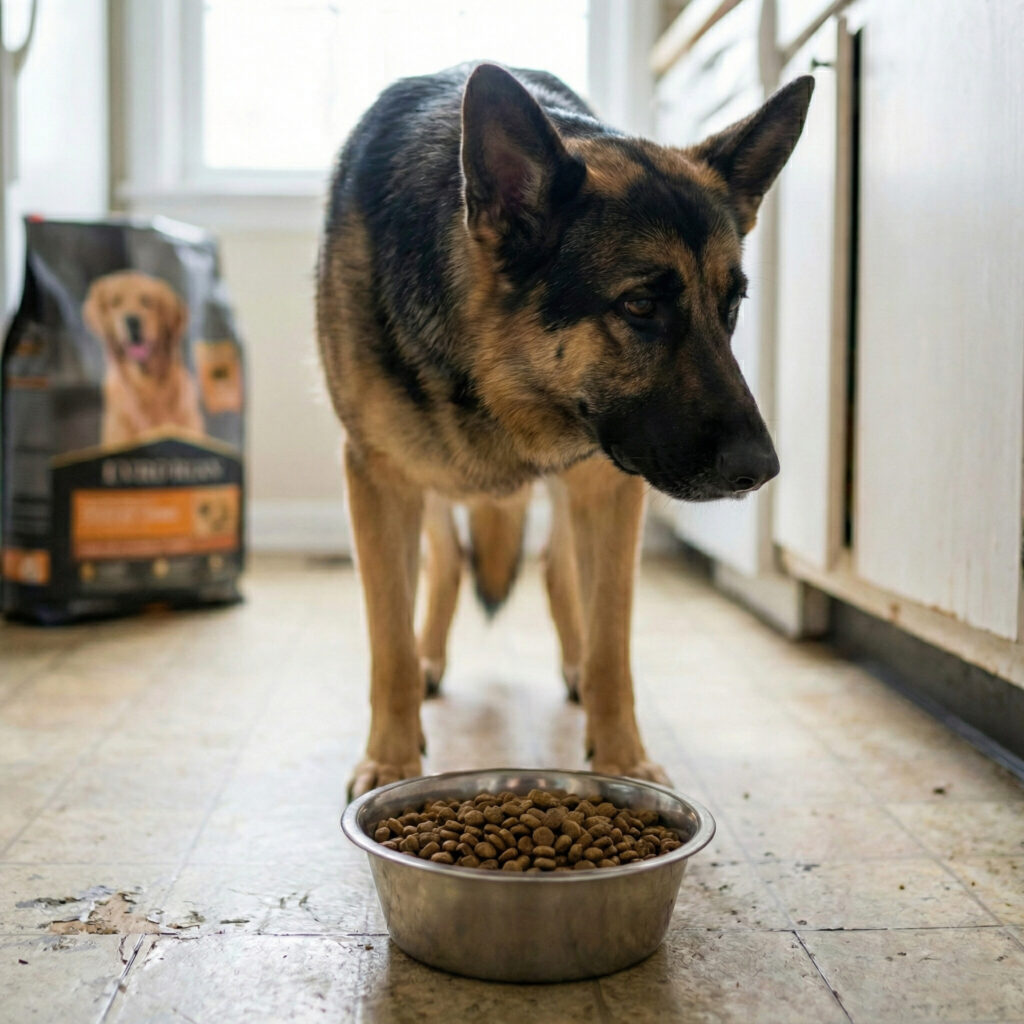
Yes, dogs can get bored with eating the same food every single day. While their taste buds aren’t as developed as humans’, their powerful sense of smell drives their appetite. Eating the exact same kibble for every meal can lead to “flavor fatigue” due to a lack of new scent stimulation. However, it is vital for dog owners to distinguish between simple boredom, learned picky behavior, and potential underlying medical issues causing a lack of appetite.
Summary Table
| Question | Short Answer | Key Takeaway |
| Do dogs get bored of food? | Yes, they can experience “flavor fatigue.” | It is usually driven by a desire for new smells, not tastes. |
| How do dogs taste food? | Primarily through smell. They have fewer taste buds than humans. | Scent and texture are more important than flavor variety. |
| Is my dog sick or bored? | If the refusal is sudden or accompanied by other symptoms, it could be medical. | Always rule out health issues with a veterinarian first. |
| Are toppers a good idea? | Yes, healthy toppers are excellent for adding variety. | Use safe options like plain broth, green beans, or yogurt. |
| Should I change food often? | Rotational feeding can work if done correctly. | Always transition slowly to avoid upsetting their stomach. |
Can Dogs Get Bored with Their Food
Every dog owner knows the look. You pour the kibble into the bowl at the usual time. Your dog walks over, sniffs it once, gives you a disappointed look, and walks away. They might nudge the bowl with their nose or sigh loudly before lying down.
This leaves many owners wondering: Is my dog just spoiled? Are they sick? Or are they genuinely bored with eating the same brown, crunchy bits twice a day for their entire lives?
While we often project human emotions onto our pets, the concept of food boredom in dogs is real, but it works differently than it does in humans. Understanding canine biology and behavior is the key to fixing mealtime disinterest without creating a fussy eater.
Read Also: How Food Changes Can Affect Dog Digestion
The Science: How Dogs Experience Food
To understand if a dog is bored, we have to understand how they eat. It is a common misconception that dogs crave gourmet flavor changes like humans do. Their experience of food is overwhelmingly driven by their nose, not their tongue.
Taste vs. Smell
Humans have roughly 9,000 taste buds. Dogs only have about 1,700. They can taste salty, sweet, sour, and bitter, but their sense of taste is notoriously poor compared to ours.
However, a dog’s sense of smell (olfactory sense) is tens of thousands of times more sensitive than a human’s. When a dog approaches their food bowl, they aren’t anticipating the taste; they are analyzing the scent profile.
Palatability Factors
“Palatability” is the scientific term for how appetizing a food is to an animal. For dogs, palatability depends on three main things:
- Smell: This is the number one factor. If it doesn’t smell strong or interesting, they may not want to eat it.
- Texture: Many dogs prefer certain mouthfeels, like the crunch of kibble mixed with softer canned food.
- Temperature: Warm food releases more aroma molecules, making it smell more enticing.
When a dog eats the same dry kibble every day, the scent becomes monotonous. The “newness” wears off. This is what we often interpret as boredom. They aren’t craving a new flavor; they are craving a new olfactory (smell) experience.
Crucial Step: Boredom vs. Medical Issues vs. Pickiness
Before you rush out to buy five new bags of dog food, you must determine why your dog isn’t eating. Mistaking a medical issue for boredom can be dangerous.
1. Medical Issues (Rule This Out First)
A sudden refusal to eat is a major red flag. If your dog usually eats well and suddenly stops, call your veterinarian. Do not assume it is boredom.
Common medical reasons for food refusal include:
- Dental issues: A cracked tooth or gum disease makes chewing painful.
- Digestive upset: Nausea, blockage, or a stomach virus.
- Systemic illness: Kidney disease, liver issues, or infections often start with appetite loss.
If your dog shows other signs like lethargy, vomiting, diarrhea, or drinking excessive water, see a vet immediately.
2. Learned Pickiness (The “Gambling” Dog)
Many dogs aren’t bored; they are smart. They have learned that if they refuse their kibble, their owner will eventually cave and give them cheese, chicken, or treats.
This is behavioral. You have unintentionally trained your dog to hold out for something better. If your dog happily eats treats but refuses their main meal, they are likely “holding out,” not genuinely bored.
3. True Food Boredom
If your dog is healthy, energetic, and has no history of being rewarded for pickiness, they might just be bored. They will eventually eat the food when they are starving, but they show zero enthusiasm for it.
Signs Your Dog Is Bored With Their Kibble
If you have ruled out medical issues with your vet, look for these behaviors that indicate your dog is tired of their current menu:
- Eating very slowly: They take a bite, walk away, and come back ten minutes later.
- Only eating when hungry: They ignore the food for hours until they absolutely have to eat.
- Waiting for “extras”: They sit by the bowl and stare at you, waiting for you to add a topper before they will touch it.
- Pushing the food around: They use their nose to nudge the kibble out of the bowl onto the floor, hoping something better is underneath.
- Lack of excitement: They no longer run to the bowl when they hear the food bag open.
Safe Ways to Fix Food Boredom
If your dog needs some variety to spark their appetite, there are safe, healthy ways to do it without upsetting their stomach or creating bad habits.
1. Use Healthy Food Toppers
This is the easiest way to change the scent profile of a meal instantly. You don’t need to change the main diet; just add a little excitement on top.
Excellent, safe toppers include:
- Warm water or bone broth: Adding warm liquid releases the fats in the kibble and makes it smell much stronger. Ensure broth is low-sodium and onion-free.
- Plain canned pumpkin: Not pumpkin pie filling. Good for digestion and adds a new texture.
- Green beans: Plain, steamed, or canned (no salt added). Great for a low-calorie crunch.
- Plain Greek yogurt or cottage cheese: A small spoonful adds probiotics and a creamy texture.
- A spoonful of wet canned food: Mix a small amount of high-quality canned dog food into their dry kibble.
2. Rotational Feeding
Some nutritionists advocate for rotational feeding. This means switching the protein source of your dog’s main food periodically (e.g., feeding Chicken formula for a bag, then switching to Beef or Lamb).
- Benefit: It provides different amino acid profiles and prevents the dog from developing intolerances to a single ingredient over time.
- Caution: You cannot switch cold turkey. You must transition slowly over 7-10 days by mixing the old and new food together to prevent severe diarrhea and stomach upset.
3. Change How They Eat, Not What They Eat
Sometimes the boredom isn’t about the food; it’s about the routine. Make mealtime mentally stimulating.
- Puzzle feeders: Make them work for their food. This engages their brain and makes eating a rewarding activity.
- Snuffle mats: Hide dry kibble in a fabric mat. This forces them to use their powerful nose to “hunt” for their dinner, which is highly satisfying for dogs.
Read Also: How Feeding Schedules Affect Dog Behavior
What NOT To Do When Your Dog Won’t Eat
It is easy to panic when your dog refuses food and does things that make the problem worse long-term.
- Do NOT hand-feed them: This teaches them they only have to eat if you serve it personally.
- Do NOT immediately offer human food: This confirms that refusing kibble results in steak. You will create a monster, a picky eater.
- Do NOT leave food out 24/7 (Free-Feeding): If food is always available, it loses its value. Put the food down for 20 minutes. If they don’t eat it, pick it up and offer no food or treats until the next scheduled mealtime. A healthy dog will not starve themselves.
Conclusion
While dogs don’t need a gourmet menu, they can absolutely experience boredom due to a lack of scent variety in their daily kibble. By understanding that their appetite is driven by smell and texture, you can make small, healthy adjustments to keep mealtime interesting.
Always prioritize health by ruling out medical issues first. Once you know your dog is healthy, using safe toppers, rotational feeding, or puzzle feeders are excellent ways to combat menu boredom and keep your dog excited about their bowl.