
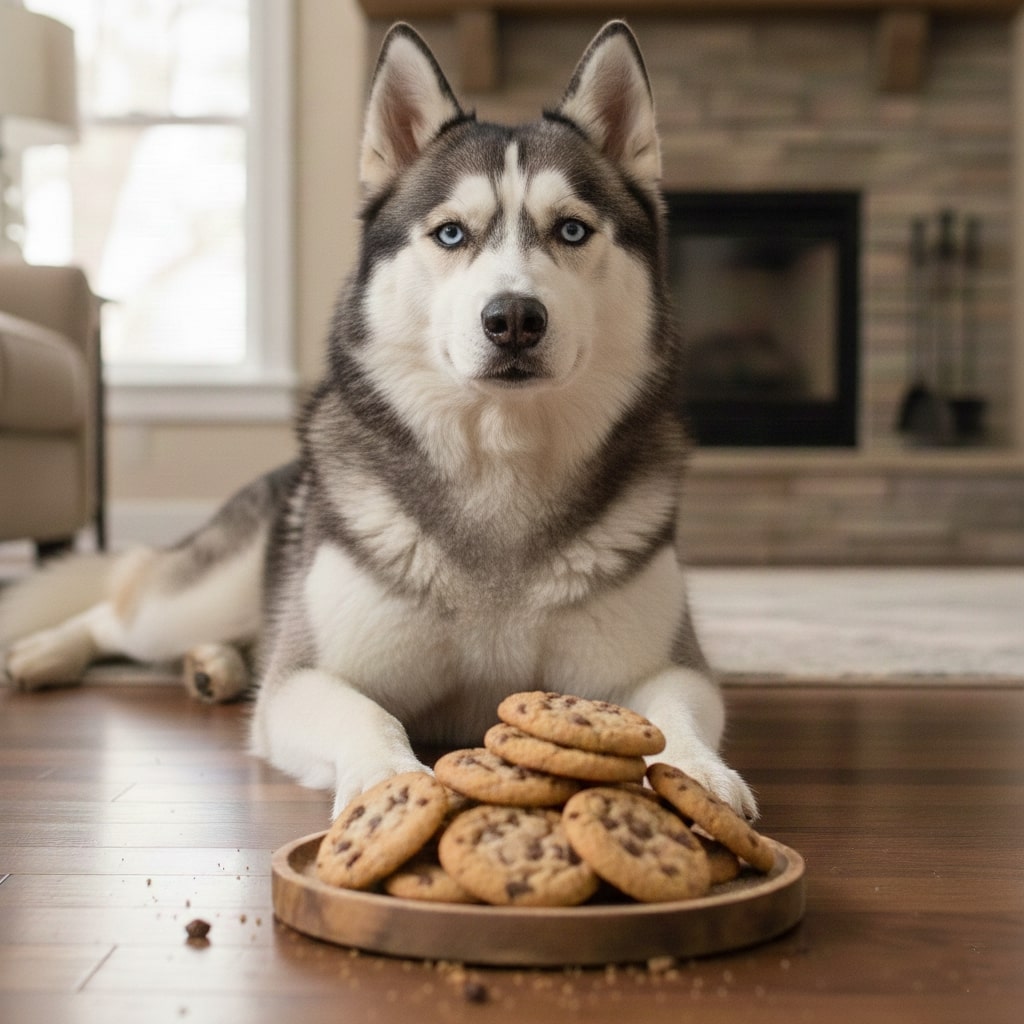
No, dogs should not eat human cookies. While a small piece of a plain cookie is unlikely to cause immediate harm, most cookies contain high amounts of sugar and fat that can lead to upset stomachs, obesity, and dental issues. More importantly, many cookies contain ingredients that are toxic to dogs, such as chocolate, raisins, macadamia nuts, and xylitol (an artificial sweetener). It is always safer to stick to treats made specifically for dogs.
Summary Table: Are Cookies Safe for Dogs?
| Cookie Type/Ingredient | Safety Level | Potential Risks |
| Chocolate Chip | TOXIC | Theobromine poisoning, vomiting, seizures. |
| Oatmeal Raisin | TOXIC | Kidney failure (from raisins/grapes). |
| Sugar-Free | FATAL | Xylitol poisoning causes rapid insulin release and liver failure. |
| Macadamia Nut | TOXIC | Weakness, tremors, overheating. |
| Plain/Vanilla | Unhealthy | Upset stomach, diarrhea, long-term obesity. |
| Dog Bakery Cookies | Safe | Made with dog-safe ingredients like pumpkin or peanut butter. |
Can Dogs Have Cookies? Detailed Guide
We all know that look. You are enjoying a cookie, and your dog is staring at you with sad, pleading eyes. It is tempting to break off a small piece, but is it safe?
The simple answer is no. While not every cookie will send you to the emergency vet, human cookies provide zero nutritional value to dogs and often carry significant risks. This guide breaks down exactly why you should keep the cookie jar closed to your pets.
Read Also: Can Dogs Eat Biscuits?
The Three Main Problems with Human Cookies
Even if a cookie does not contain “poisonous” ingredients, it is still bad for your dog’s health for three main reasons:
- Sugar Overload: Dogs do not process sugar the same way humans do. Too much sugar can cause vomiting and diarrhea. Long-term, it leads to weight gain, diabetes, and dental problems.
- High Fat Content: Cookies are often full of butter and oil. High-fat diets can trigger pancreatitis, a painful and potentially life-threatening inflammation of the pancreas.
- Empty Calories: Dogs have specific nutritional needs. Filling them up on flour and sugar makes them less likely to eat their actual food, leading to nutritional deficiencies.
Toxic Ingredients: When a Cookie Becomes Deadly
The biggest danger isn’t the cookie dough itself, but what is mixed into it. Many common cookie ingredients are toxic to dogs.
1. Chocolate
This is the most well-known danger. Chocolate contains theobromine, which dogs cannot metabolize.
- Risk: Dark chocolate and baking chocolate are the most dangerous.
- Symptoms: Vomiting, rapid heart rate, tremors, and seizures.
2. Xylitol (Artificial Sweetener)
This is often found in “sugar-free” or “diet” cookies. Xylitol is incredibly deadly to dogs even in tiny amounts.
- Risk: It causes a sudden release of insulin, leading to severe hypoglycemia (low blood sugar) and liver failure.
- Symptoms: Vomiting, loss of coordination, collapsing, and seizures.
3. Raisins and Currants
Often found in oatmeal cookies, raisins (and grapes) are highly toxic.
- Risk: Even a small handful can cause sudden kidney failure.
- Symptoms: Lethargy, loss of appetite, and decreased urination.
4. Macadamia Nuts
These are often found in white chocolate cookies.
- Risk: They affect the dog’s nervous system and muscles.
- Symptoms: Weakness in the back legs, vomiting, tremors, and fever.
Read Also: Can Dogs Eat Strawberries?
What About “Safe” Cookies?
You might be wondering, “What about a plain vanilla wafer or an animal cracker?”
Technically, these are not toxic. If your dog accidentally eats one dropped on the floor, they will likely be fine. However, you should not make it a habit.
- Animal Crackers: Low risk, but high in sugar.
- Vanilla Wafers: High in sugar and processed fats.
- Gingerbread: Some spices (like nutmeg) can be toxic in large amounts.
The Verdict: Just because it won’t kill them doesn’t mean it’s good for them.
What to Do If Your Dog Eats a Cookie
If your dog steals a cookie, don’t panic. Follow these steps:
- Check the Ingredients: Was it a plain sugar cookie, or did it contain chocolate, raisins, or macadamia nuts?
- Check the Wrapper: If it was a sugar-free cookie, look for Xylitol (sometimes listed as “Birch Sugar”) immediately.
- Assess the Quantity: A Great Dane eating one chocolate chip is different from a Chihuahua eating a whole double-fudge brownie.
- Call Your Vet: If the cookie contained toxic ingredients, contact your veterinarian or the ASPCA Animal Poison Control Center immediately.
Read Also: Can Dogs Eat Blueberries?
Healthy Alternatives Your Dog Will Love
You don’t have to be the bad guy. There are plenty of safe ways to treat your dog that provide a similar “crunch” without the health risks.
- Homemade Peanut Butter Treats: Mix plain pumpkin puree, flour, and xylitol-free peanut butter. Bake until hard.
- Carrot Sticks or Apple Slices: Sweet, crunchy, and low calorie (remove apple seeds first).
- Dog Bakery Cookies: Many pet stores sell cookies made specifically for dogs using carob (a safe chocolate substitute) and honey.
- Plain Green Beans: Frozen green beans are a great low-calorie crunch.
Final Thoughts
While sharing food is a sign of love, feeding your dog human cookies is risky. The high sugar and fat content can ruin their health over time, and hidden ingredients like xylitol or raisins can be fatal in minutes. Keep the cookie jar out of reach and stick to treats made specifically for canines.