
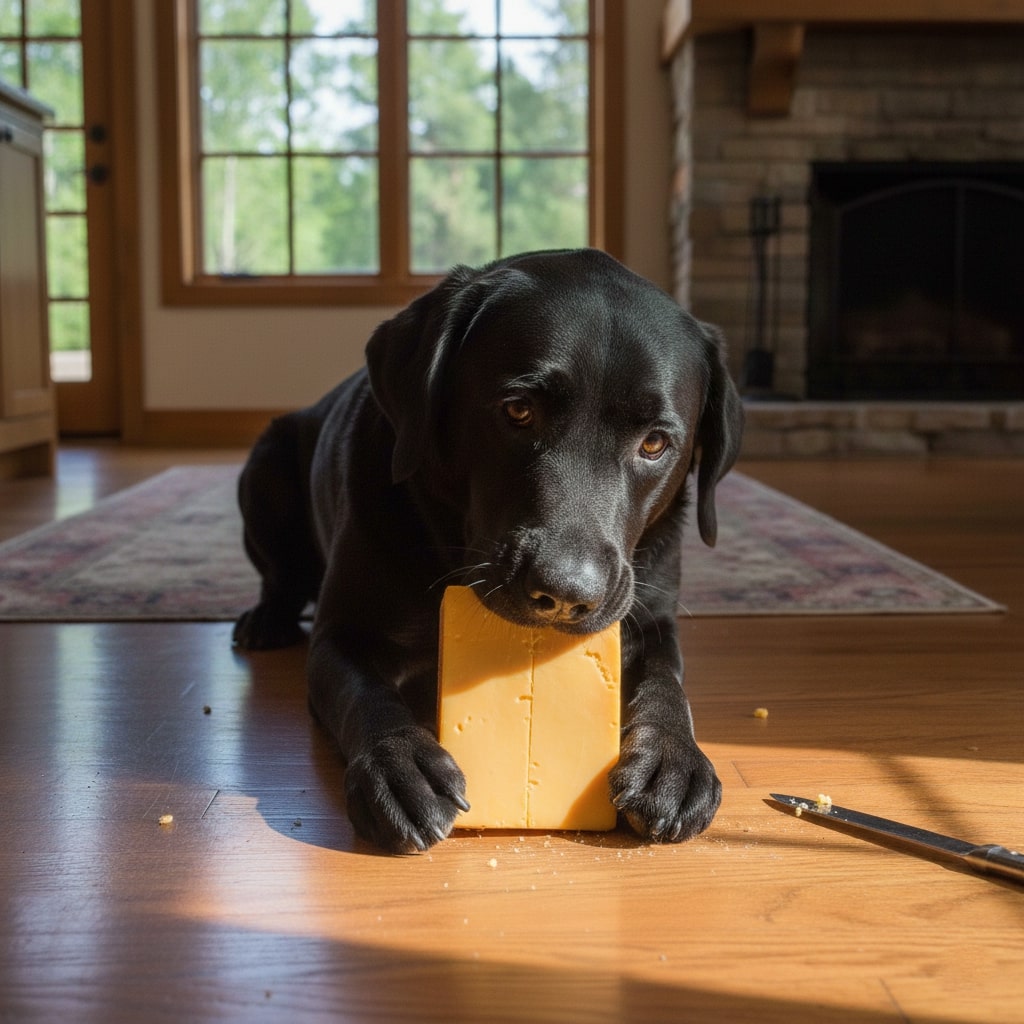
Yes, dogs can eat cheese, but it should be given in moderation. While cheese is a great source of protein and calcium, many dogs are lactose intolerant and cannot digest dairy well. It is best to stick to low-fat, low-sodium varieties like cottage cheese or mozzarella and avoid cheeses with added herbs, garlic, or high fat content.
Summary Table: Is Cheese Safe for Dogs?
| Feature | Details |
| Safety Verdict | Safe (in moderation) |
| Main Benefit | High in Protein, Calcium, Vitamin A, B-Complex Vitamins |
| Main Risks | Lactose Intolerance, High Fat (Pancreatitis), High Sodium |
| Best Options | Cottage Cheese, Mozzarella, Swiss, Cheddar |
| Toxic Options | Blue Cheese (Roquefortine C), Cheeses with Garlic/Onion/Chives |
| Serving Size | Small cubes as occasional treats; do not replace meals |
Can Dogs Have Cheese? Detailed Breakdown
Many dog owners use cheese as a high-value treat during training or to hide medication. While most dogs love the taste, cheese isn’t always the best choice for every pet. This guide breaks down the benefits, risks, and best practices for feeding cheese to your canine companion.
Real Also: Can Dogs Eat Eggs?
The Benefits: Why Cheese Can Be Good
When fed responsibly, cheese offers several nutritional benefits:
- High Protein: Essential for muscle development and energy.
- Calcium: Promotes strong bones and teeth.
- Vitamins: Contains Vitamin A and B-complex vitamins essential for metabolism.
- Essential Fatty Acids: Good for skin and coat health.
- High Reward Value: Because of its strong smell and taste, cheese is an excellent motivator for dog training.
The Risks: When Cheese Is Bad
Despite the benefits, cheese can cause health problems if you aren’t careful.
1. Lactose Intolerance
Puppies have plenty of the enzyme lactase to break down mother’s milk. As dogs age, they produce less lactase. This means many adult dogs cannot digest lactose (the sugar found in milk).
- Symptoms: Diarrhea, vomiting, gas, and abdominal pain.
2. High Fat Content and Pancreatitis
Cheese is high in fat. Feeding your dog too much fat can lead to weight gain and obesity. In severe cases, a sudden intake of high-fat foods can trigger pancreatitis, a painful and potentially life-threatening inflammation of the pancreas.
3. High Sodium (Salt)
Processed cheeses often contain high levels of salt. Excessive salt intake can lead to increased thirst, urination, and in extreme cases, sodium ion poisoning.
4. Toxic Ingredients
Some cheeses are flavored with ingredients that are toxic to dogs, such as:
- Garlic and Onions: Can damage red blood cells.
- Chives: Toxic to dogs.
- Xylitol: A sweetener sometimes found in specific low-fat or yogurt-based products, which is deadly to dogs.
The Best Cheeses for Dogs
If you want to treat your dog, stick to these safer, lower-lactose options:
- Cottage Cheese: The gold standard. It is low in fat and sodium and high in calcium. It is also easier to digest.
- Mozzarella: Low in salt and fat compared to other cheeses.
- Swiss Cheese: Generally low in lactose.
- Cheddar: A standard hard cheese that is relatively low in lactose, but watch the fat content.
Real Also: Can Dogs Eat Rice?
Cheeses to AVOID Completely
Never feed your dog these types of cheese:
- Blue Cheese (Roquefort, Stilton, Gorgonzola): The fungus used to make these cheeses produces a substance called Roquefortine C, which dogs are very sensitive to. It can cause vomiting, diarrhea, seizures, and tremors.
- Cheeses with Herbs: Anything labeled “Garlic & Herb” or similar.
- Brie and Camembert: These are extremely high in fat.
- Feta and Goat Cheese: These are typically very high in saturated fat and sodium.
Read Also: Can Dogs Be Racist?
How to Feed Cheese to Your Dog
- The 10% Rule: Treats should never make up more than 10% of your dog’s daily calorie intake.
- Start Small: If your dog has never had cheese, give them a tiny piece and wait 24 hours to see if they have any stomach upset or gas.
- Use for Pills: Wrapping a pill in a small ball of cheese is a classic and effective way to administer medication.
- Avoid Rinds: Hard wax or plastic rinds on cheese can be a choking hazard or cause intestinal blockages.
When to See a Vet
If your dog consumes a large block of cheese, Blue Cheese, or cheese containing garlic/onions, contact your veterinarian immediately. Watch for signs of severe distress like projectile vomiting, loss of appetite, or tremors.