
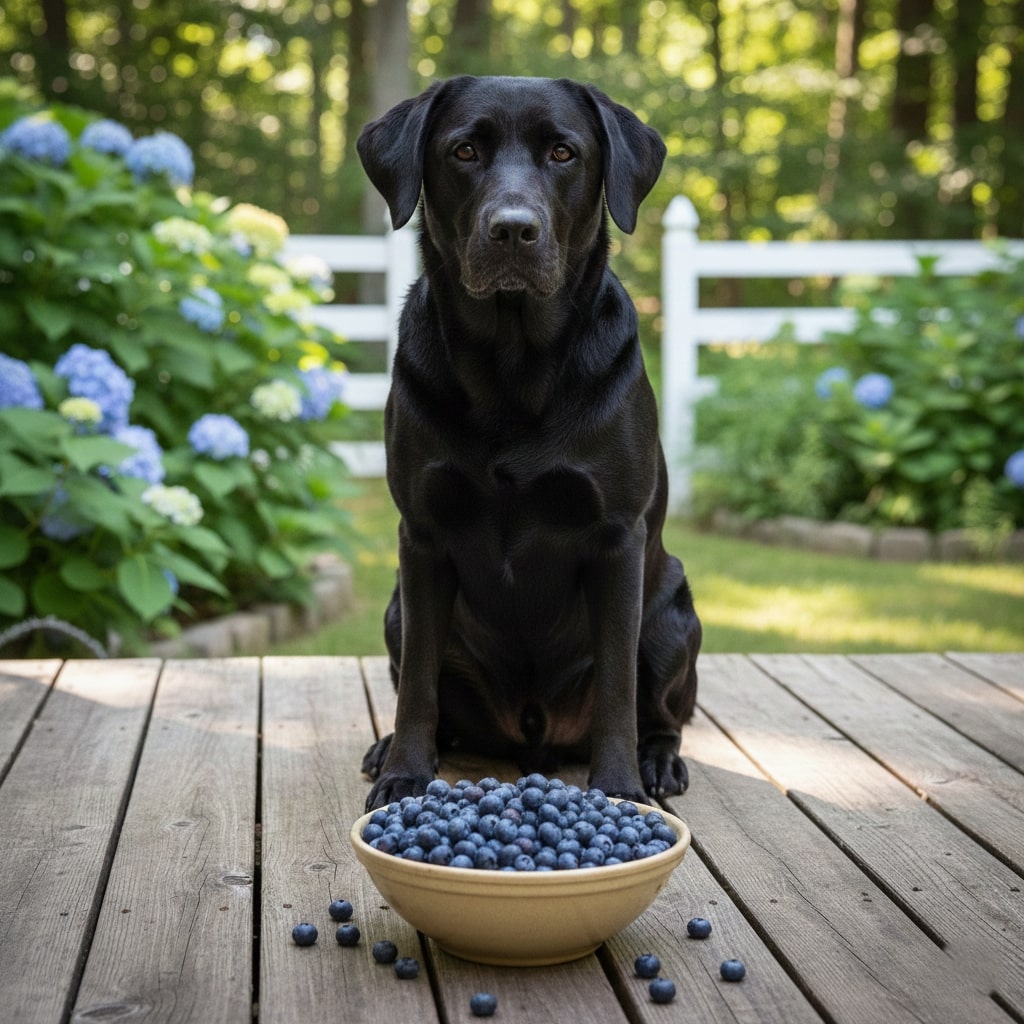
Yes, dogs can eat blueberries. They are a safe, low-calorie, and healthy treat for dogs of all breeds and sizes. Blueberries are often called a “superfood” because they are packed with antioxidants, fiber, and vitamins that support your dog’s immune system and overall health. You can serve them fresh or frozen, but they should be given in moderation as a treat, not a meal replacement.
Summary Table: Are Blueberries Safe for Dogs?
| Feature | Details |
| Safe for Dogs? | Yes, highly recommended. |
| Toxic? | No. |
| Main Nutrients | Antioxidants, Vitamin C, Vitamin K, Fiber. |
| Serving Style | Fresh (washed) or Frozen. |
| Daily Limit | Treats should be no more than 10% of daily calories. |
| Potential Risks | Choking hazard for very small dogs; stomach upset if overfed. |
Why Are Blueberries Good for Dogs?
Blueberries are one of the best human foods you can share with your pet. They are low in sugar and high in nutrients.
Here is exactly why they are beneficial:
1. Packed with Antioxidants
Blueberries contain compounds called phytochemicals. These are powerful antioxidants that help fight free radicals in your dog’s body. This can help reduce inflammation and may even help fight cancer and aging in older dogs.
Read Also: Can Dogs Eat Pumpkin?
2. High in Fiber
Fiber is essential for healthy digestion. A few blueberries can help regulate your dog’s digestive system. However, too much fiber can cause the opposite effect (diarrhea), so moderation is key.
3. Vitamin Powerhouse
- Vitamin C: Supports the immune system.
- Vitamin K: Important for blood clotting and bone health.
4. Low Calorie
If you have a dog that needs to lose a few pounds, blueberries are an excellent substitute for store-bought processed treats, which are often high in fat and calories.
Fresh vs. Frozen: Which is Better?
Both options are great, but they serve different purposes.
- Fresh Blueberries: These are soft and juicy. They are great as a quick reward during training or as a food topper. Always wash them thoroughly to remove pesticides before serving.
- Frozen Blueberries: Many dogs love the “crunch” of a frozen berry. They make a fantastic cooling treat on a hot summer day.
Tip: Keep a bag of frozen blueberries in your freezer. They last a long time and are ready whenever you want to give your pup a snack.
Read Also: Can Dogs Eat Bananas?
Risks and Safety Precautions
While blueberries are safe, there are a few things to keep in mind to ensure your dog stays happy and healthy.
The 10% Rule
Veterinarians recommend that treats (including fruits and veggies) should make up no more than 10% of your dog’s daily calorie intake. The other 90% should come from their balanced dog food.
Choking Hazards
While blueberries are small, they can still be a choking risk, especially for:
- Small toy breeds: You may want to cut the berry in half or mash it slightly.
- Frozen berries: These are hard and round, which increases the risk. Supervise your dog when they are eating them.
Sensitive Stomachs
Eating too many blueberries at once can lead to an upset stomach or loose stool. Start with just 2 or 3 berries to see how your dog reacts before giving them more.
Read Also: Can Dogs Eat Apples?
How to Feed Blueberries to Your Dog
Here are simple ways to add this superfood to your dog’s diet:
- Raw Snack: Toss a few washed berries to your dog as a reward.
- Food Topper: Mash a few berries and mix them into their regular kibble for added moisture and flavor.
- Frozen Treat: Freeze them individually or mix them with plain yogurt and freeze in an ice cube tray for a “pupsicle.”
Can Puppies Eat Blueberries?
Yes, puppies can eat blueberries. However, because their digestive systems are sensitive, you should only give them one or two at a time. Watch them carefully to ensure they do not choke.
The Bottom Line
Blueberries are a fantastic, healthy, and non-toxic treat for dogs. They provide a boost of vitamins and antioxidants without the high sugar content found in other fruits. As long as you wash them and feed them in moderation, they are an excellent addition to your dog’s diet.