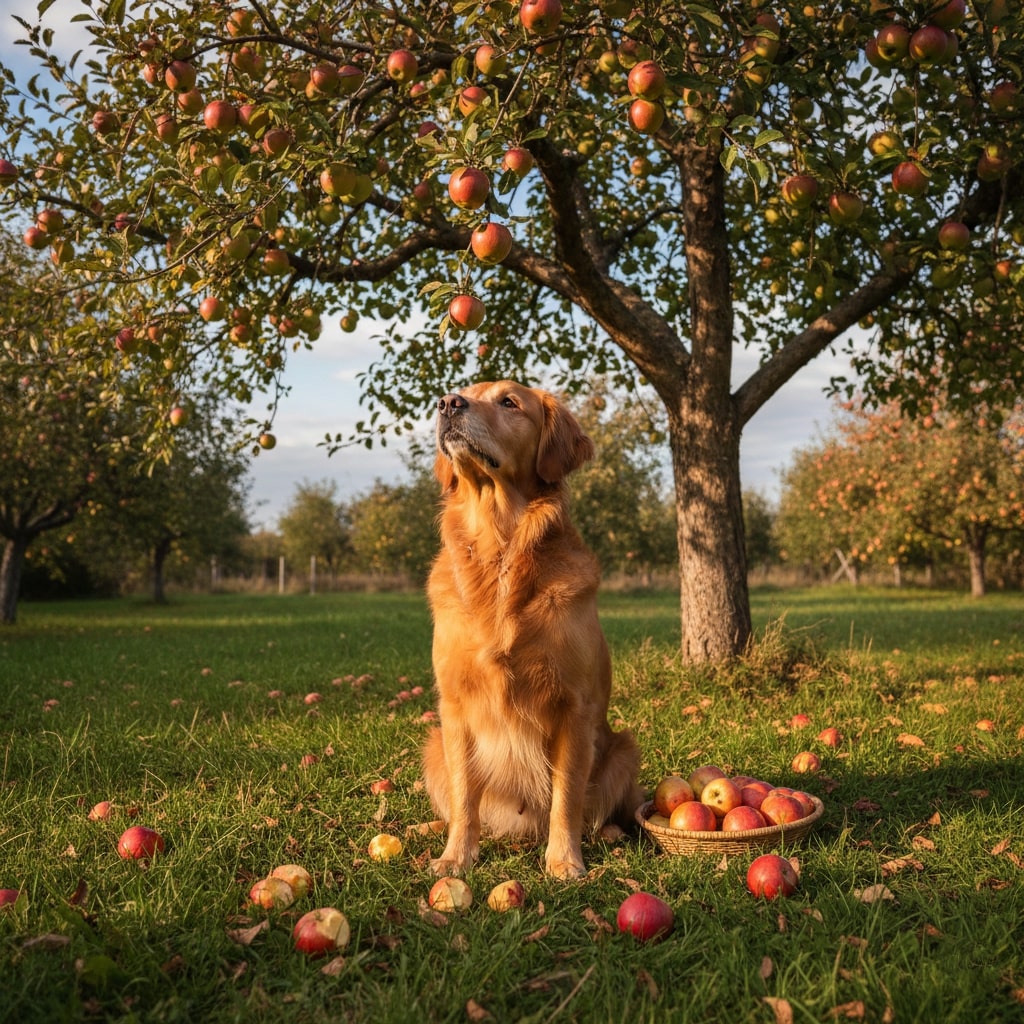
Yes, dogs can eat apples. They are a healthy, low-calorie treat that provides fiber, Vitamin A, and Vitamin C. However, you must always remove the seeds and the core before feeding them to your dog. The seeds contain small amounts of cyanide, which can be toxic in large quantities, and the core is a choking hazard. Always serve apples in moderation to avoid digestive upset.
Summary Table: Are Apples Safe for Dogs?
| Feature | Details |
| Safe for Dogs? | Yes (flesh and skin only) |
| Toxic Parts | Seeds (contain cyanide) and Stems |
| Main Hazards | Choking on the core; Upset stomach from overeating |
| Nutritional Benefits | Vitamin A, Vitamin C, Fiber, Calcium, Phosphorus |
| Serving Size | 1–2 slices for small dogs; up to half an apple for large dogs |
| Preparation | Wash thoroughly, remove core/seeds, slice into bite-sized pieces |
Can Dogs Have Apples? Detailed Breakdown
Apples are often recommended by veterinarians as a healthy alternative to high-fat commercial treats. They are affordable, crunchy, and packed with nutrients that support your dog’s immune system and digestive health.
Read Also: Can Dog Eat Strawberry Ice Cream?
1. High in Fiber
The soluble fiber in apples helps regulate your dog’s digestion. It can help firm up loose stools and assist with bowel regularity. However, introducing too much fiber too quickly can cause gas, so start slow.
2. Vitamins A and C
- Vitamin A: Promotes healthy skin, a shiny coat, and good vision.
- Vitamin C: Boosts the immune system and helps reduce inflammation. Even though dogs produce their own Vitamin C naturally, the extra boost from apples can be beneficial for aging dogs.
3. Low in Fat and Protein
For dogs with kidney disease or those on a low-protein diet, apples are an excellent treat option because they are low in protein and fat but high in antioxidants.
4. Dental Health
While they do not replace a toothbrush, the act of chewing crunchy apple slices can help mechanically clean residue off your dog’s teeth and freshen their breath.
Read Also: Can Dogs Eat Peanut Butter?
The Risks: Parts of the Apple to Avoid
While the flesh of the apple is safe, other parts of the fruit can be dangerous.
Apple Seeds (Cyanide Toxicity)
Apple seeds contain a compound called amygdalin, which releases cyanide when chewed and digested. While a dog would need to eat a large number of seeds to suffer fatal poisoning, it is best to avoid them entirely. Over time, small amounts can accumulate in the system.
The Core (Choking Hazard)
The apple core is tough and difficult for most dogs to chew properly. If swallowed whole, it can cause:
- Choking: Blocking the windpipe.
- Intestinal Blockage: Getting stuck in the digestive tract, which may require surgery to remove.
Sugar Content
Apples contain natural sugar (fructose). While healthier than processed sugar, it can still be problematic for:
- Diabetic Dogs: Consult your vet before offering fruit.
- Overweight Dogs: Calories from fruit should still count toward their daily limit.
Read Also: Can Dogs Be Racist?
How to Safely Feed Apples to Your Dog
Follow these simple steps to prepare apples safely:
- Wash the Apple: Rinse thoroughly to remove pesticides or wax found on the skin.
- Remove the Core and Seeds: Cut around the core carefully. Discard the stem, seeds, and tough center.
- Peel (Optional): The skin is usually safe and contains the most fiber. However, if your dog has a sensitive stomach, peeling the apple first may make it easier to digest.
- Slice appropriately:
- Small Dogs: Cut into small cubes (diced).
- Large Dogs: Wedges or slices are fine.
Fun Serving Ideas
- Frozen Treats: Freeze apple slices in the summer for a cooling snack.
- Apple “Mash”: Stew apples (without sugar or spices) and mix a spoonful into your dog’s kibble.
- Kong Filler: Dice apples and mix them with peanut butter (ensure the peanut butter is Xylitol-free) to stuff inside a toy.
Read Also: Can Dogs Eat Fish?
Can Dogs Eat Green Apples?
Yes, dogs can eat green apples (like Granny Smith). However, green apples are more tart and acidic than red apples (like Gala or Fuji). This higher acidity might cause an upset stomach in some dogs if they eat too much. It is often better to stick to sweeter red varieties if your dog has a sensitive tummy.
When to Call the Vet
Stop feeding apples immediately if you notice any of the following signs of an allergic reaction or digestive distress:
- Vomiting or diarrhea
- Difficulty breathing
- Swelling around the face
- Lethargy
Always adhere to the 90/10 rule: 90% of your dog’s calories should come from their balanced dog food, and only 10% should come from treats (including fruit).