
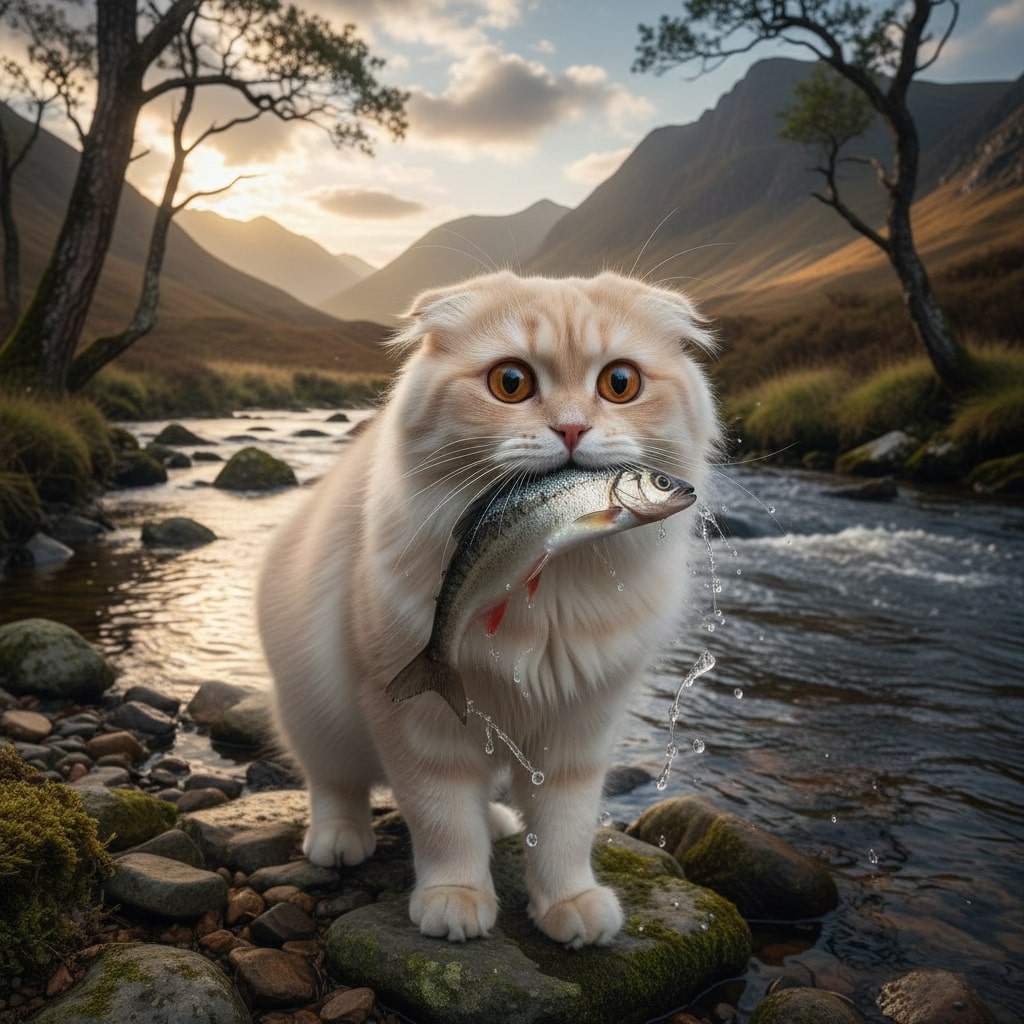
Generally, no. While a very small amount of fresh raw fish might not immediately kill a cat, it poses significant risks. Raw fish can contain harmful bacteria like Salmonella, parasites, and an enzyme called thiaminase that destroys essential Vitamin B1. It is much safer to feed your cat cooked, plain fish.
Summary Table: Is Raw Fish Safe for Cats?
| Feature | Details |
| Safe to Eat? | No, risks outweigh benefits. |
| Main Risks | Thiaminase (B1 deficiency), Bacteria (Salmonella, E. coli), Parasites, Bones. |
| Safe Alternatives | Boiled or baked white fish (cod, flounder) without seasoning. |
| Toxic Enzyme | Thiaminase (breaks down thiamine). |
| Common Symptoms | Vomiting, diarrhea, lethargy, seizures (in severe deficiency). |
Can Cats Have Raw Fish? Detailed Guide
Many cat owners assume that because cats love the smell of fish, raw fish must be a natural and healthy part of their diet. However, domestic cats have different dietary needs and safety requirements than their wild ancestors. Feeding your cat raw fish can lead to serious health issues ranging from vitamin deficiencies to bacterial infections.
Read Also: Can Dogs Eat Fish?
The Major Risks of Feeding Raw Fish
The dangers of raw seafood are significant. Understanding these risks will help you make the best choices for your pet’s nutrition.
1. Thiaminase and Vitamin B1 Deficiency
The biggest hidden danger in raw fish is an enzyme called thiaminase. This enzyme breaks down thiamine (Vitamin B1), which is an essential vitamin for cats.
- What it does: If a cat eats raw fish regularly, the thiaminase destroys the Vitamin B1 in their body.
- ** The Result:** This leads to a condition called thiamine deficiency.
- Symptoms: Neurological problems including seizures, loss of coordination, and eventually death if untreated.
- Solution: Cooking the fish destroys the thiaminase enzyme, making it safe.
2. Harmful Bacteria
Raw meat, including fish, is a breeding ground for bacteria. While cats have strong stomach acid, they are not immune to foodborne illnesses.
- Salmonella and E. coli: These bacteria can cause severe vomiting, diarrhea, and dehydration.
- Risk to Humans: Handling raw fish for your cat can also spread these bacteria to humans in your household, especially children or those with weak immune systems.
3. Internal Parasites
Raw fish often carries parasitic worms such as tapeworms, roundworms, and flukes.
- Tapeworms: These rob your cat of nutrients, causing weight loss and poor coat condition.
- Liver Flukes: These can cause liver damage and other organ failure.
4. Choking Hazards
Small, sharp fish bones are dangerous. While a wild cat might navigate these, domestic cats often choke on them or suffer injuries to their mouth, throat, and digestive tract. A sharp bone can even puncture the stomach wall, requiring emergency surgery.
Read Also: Can Cats Eat Salmon?
Are There Any Benefits?
There are some nutritional benefits to fish, but they are best accessed through cooked fish or formulated cat food.
- Omega-3 Fatty Acids: Good for skin and coat health.
- Protein: Fish is a high-protein food source.
- Taurine: An amino acid essential for heart and eye health.
However, you do not need to feed raw fish to provide these nutrients. High-quality commercial cat food or plain cooked fish provides the same benefits without the risk of thiamine deficiency or bacteria.
Safe Alternatives to Raw Fish for Cats
If you want to treat your cat to fish, follow these guidelines to keep them safe and healthy.
The Safe Preparation Checklist:
- Cook it thoroughly: Boil, bake, or steam the fish until it is fully cooked to kill bacteria and destroy thiaminase.
- Remove all bones: meticulously check for and remove even tiny bones.
- Skip the seasoning: Do not add salt, garlic, onions, oil, or spices. Garlic and onions are toxic to cats.
- Moderation is key: Fish should only make up about 10% of your cat’s total diet. It is a treat, not a meal.
Best Fish Choices:
- Cod
- Flounder
- Halibut
- Salmon (Cooked)
- Canned Tuna (Only in water, strictly as a rare treat due to mercury levels)
Read Also: Can Cats Eat Fish Sticks?
What to Do If Your Cat Ate Raw Fish
If your cat managed to steal a piece of raw fish from the counter, don’t panic.
- Watch for symptoms: Keep an eye out for vomiting, diarrhea, or lack of appetite for the next 24 hours.
- Contact your vet: If your cat shows signs of illness or if they ate a large amount, call your veterinarian immediately.
- Monitor behavior: If they become wobbly or uncoordinated, this is an emergency.
Conclusion
While the image of a cat eating a raw fish is common in cartoons, the reality is dangerous. The risk of Vitamin B1 deficiency, bacterial infection, and internal parasites makes raw fish a poor dietary choice for domestic cats. Stick to high-quality commercial cat food and offer small amounts of plain, cooked fish as an occasional treat.