
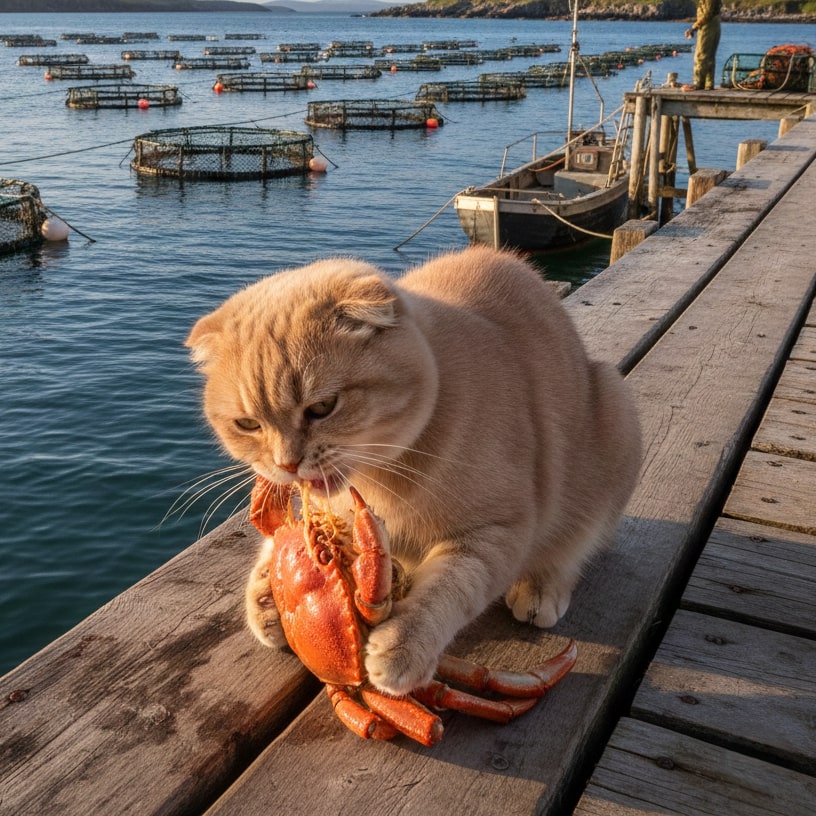
Can cats eat crab? Yes, cats can eat crab in moderation, provided it is fully cooked and served plain without any butter, salt, or seasonings. Crab meat is a high-protein treat that offers essential nutrients like Omega-3 fatty acids. However, you must remove all shells to prevent choking and avoid imitation crab meat, which is highly processed and unhealthy for felines.
Summary Table: Are Crabs Safe for Cats?
| Feature | Safe for Cats? | Notes |
| Cooked Crab Meat | Yes | Serve plain, boiled, or steamed. |
| Raw Crab | No | Risk of intestinal parasites and bacteria. |
| Imitation Crab | No | Contains additives, sugar, and fillers. |
| Crab Shells | No | Choking hazard; can damage the digestive tract. |
| Seasoned Crab | No | Garlic, onion, and salt are toxic to cats. |
Can Cats Have Crab? Detailed Breakdown
Crab can be a healthy, occasional treat for your cat. It is not a complete meal replacement, but when prepared correctly, it offers several nutritional benefits that support feline health.
Nutritional Benefits
- High Protein: Cats are obligate carnivores, meaning they need animal protein to survive. Crab is lean and protein-rich.
- Omega-3 Fatty Acids: These healthy fats support a shiny coat, reduce inflammation, and help with brain function.
- Vitamins and Minerals: Crab contains Zinc, Vitamin B12, and Copper, which support the immune system and metabolism.
- Low Fat: It is a low-calorie option for overweight cats if given in small portions.
Read Also: Can Cats Eat Shrimp?
The Risks: When Crab Can Be Dangerous
While the meat itself is non-toxic, there are significant risks depending on how the crab is prepared and served.
1. Sodium Poisoning
Crab is naturally salty, but humans often boil it in saltwater or add Old Bay seasoning. Cats have a very low salt tolerance. Excessive sodium can lead to dehydration, electrolyte imbalances, and even seizures. Always cook crab for cats in plain, unseasoned water.
2. Choking Hazards
Crab shells become brittle when cooked. If a cat tries to eat a piece of shell, it can splinter and cause choking or puncture the stomach and intestines. Always double-check the meat for tiny shell fragments before serving.
3. Allergies
Just like humans, cats can be allergic to shellfish. If your cat has never eaten crab before, start with a tiny piece and monitor them for signs of an allergic reaction, such as:
- Vomiting or diarrhea
- Excessive scratching or itching
- Swelling around the mouth
- Difficulty breathing
4. Raw Crab Risks
Never feed your cat raw crab. Raw seafood can carry dangerous parasites (like lung flukes) and bacteria that cause severe gastrointestinal distress.
Read Also: Can Cats Eat Fish Sticks?
Can Cats Eat Imitation Crab?
No, you should strictly avoid feeding imitation crab to your cat.
Imitation crab (often found in sushi or seafood salads) is technically fish, usually Pollock, but it is highly processed. It contains ingredients that are harmful to cats:
- Sugar and Carbohydrates: Cats do not need sugar, and their bodies do not process carbs well.
- Salt and Preservatives: High sodium levels and chemical additives like MSG can upset a cat’s stomach.
- Food Coloring: The red dye used to make it look like crab is unnecessary and potentially problematic for sensitive pets.
How to Safely Serve Crab to Your Cat
If you want to treat your cat to some fresh crab, follow these preparation steps to ensure it is safe.
Preparation Checklist
- Buy Fresh or Frozen: Avoid canned crab, which is usually packed in high-sodium brine.
- Cook Thoroughly: Boil or steam the crab until fully cooked. Do not use oil, butter, garlic, onions, or salt.
- Remove Shells: Take all meat out of the shell and inspect it closely for hard fragments.
- Portion Control: Cut the meat into bite-sized pieces. A safe serving size is about one teaspoon.
- Frequency: Offer crab only as a special treat once every few weeks, not as a daily meal.
Read Also: Can Cats Eat Tuna?
What to Do If Your Cat Eats a Shell
If your cat accidentally ingests a piece of crab shell, watch them closely for 24 hours. Look for signs of distress, such as gagging, lethargy, or refusal to eat. If you notice these symptoms or if there is blood in their stool, contact your veterinarian immediately.