
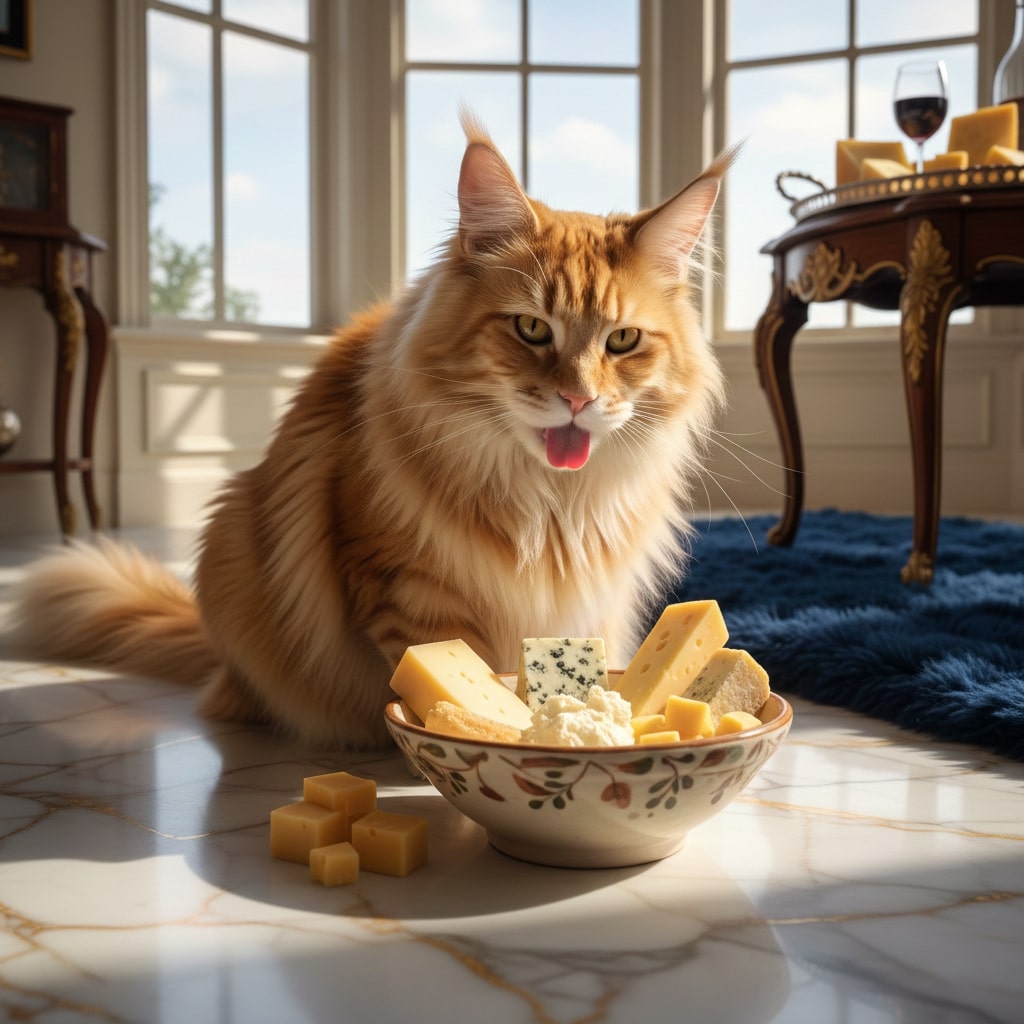
Generally, no, cats should not eat cheese. While it is not usually toxic, most adult cats are lactose intolerant. Eating cheese can lead to digestive problems like diarrhea, vomiting, and stomach pain. If you must give them a treat, a tiny piece of hard cheese (like cheddar) is safer than soft cheese, but meat-based treats are always a better choice.
Summary Table
| Feature | Details |
| Is cheese toxic to cats? | No (unless it contains garlic, onion, or blue mold). |
| Can cats digest dairy? | No, most adult cats cannot digest lactose. |
| Common Side Effects | Gas, diarrhea, vomiting, upset stomach. |
| Safe Varieties (in tiny amounts) | Hard cheeses like Cheddar, Swiss, or Parmesan. |
| Varieties to Avoid | Soft cheese (Brie, Mozzarella), Blue cheese, Garlic/Herb flavors. |
| Daily Recommendation | None. It should be a rare treat only. |
Is it Good for Cats to Eat Cheese?
Pop culture often shows cats drinking milk or eating dairy, but the reality is quite different. While cats are often attracted to the fat and protein in cheese, their bodies are not built to process it. Here is everything you need to know before sharing your snack.
Read Also: Common Human Foods Toxic to Cats
The Problem: Lactose Intolerance
The main reason cats should avoid cheese is lactose intolerance.
- Kittens: When cats are babies, their bodies produce an enzyme called lactase. This helps them break down lactose (milk sugar) found in their mother’s milk.
- Adult Cats: As kittens wean off milk and start eating solid food, their bodies stop producing lactase. Without this enzyme, the lactose in cheese and milk sits in their stomach and ferments, causing gas and bloating.
Health Risks of Feeding Cheese
Even if your cat seems to tolerate a small amount of dairy, cheese presents other health risks.
1. High Fat Content
Cats require healthy fats, but cheese is dense in calories. Regular consumption can lead to rapid weight gain and obesity, which puts stress on their joints.
2. High Sodium (Salt)
Processed cheese contains high levels of salt. Too much salt can make your cat excessively thirsty and, in extreme cases, lead to sodium poisoning.
3. Added Ingredients
Many cheeses contain herbs and spices. Garlic, onions, and chives are toxic to cats. Eating cheese flavored with these ingredients can damage a cat’s red blood cells and cause anemia.
Cheeses to Avoid Completely
Never feed your cat these types of cheese:
- Blue Cheese (Roquefort, Gorgonzola): Contains the mold Penicillium, which can be toxic to pets.
- Soft Cheeses (Brie, Camembert, Mozzarella): These contain the highest levels of lactose and are most likely to cause diarrhea.
- Spiced/Flavored Cheeses: Anything with garlic, onion, jalapenos, or heavy herbs.
- Cottage Cheese: While high in protein, it is often very milky and high in lactose.
Safer Options (In Moderation)
If you are using cheese to hide a pill or as a very rare high-value reward, stick to low-lactose, hard cheeses. Limit the serving size to a piece the size of a die (cube).
- Cheddar: Aged cheddar has very little lactose.
- Swiss: Low in lactose and generally safer.
- Parmesan: Lower in lactose, but very high in salt, so use sparingly.
Signs Your Cat Has Eaten Too Much Cheese
If your cat sneaks a piece of cheese, watch for these symptoms over the next 24 hours:
- Vomiting
- Diarrhea or loose stool
- Excessive gas
- Loss of appetite
- Lethargy (low energy)
If symptoms persist for more than a day, or if the cheese contained garlic or onions, contact your veterinarian immediately.
Better Alternatives
Cats are obligate carnivores, meaning they need meat to survive. They will be much happier and healthier with treats designed for their biology:
- Freeze-dried chicken or salmon.
- Commercial cat treats.
- Small amounts of plain, cooked turkey.