
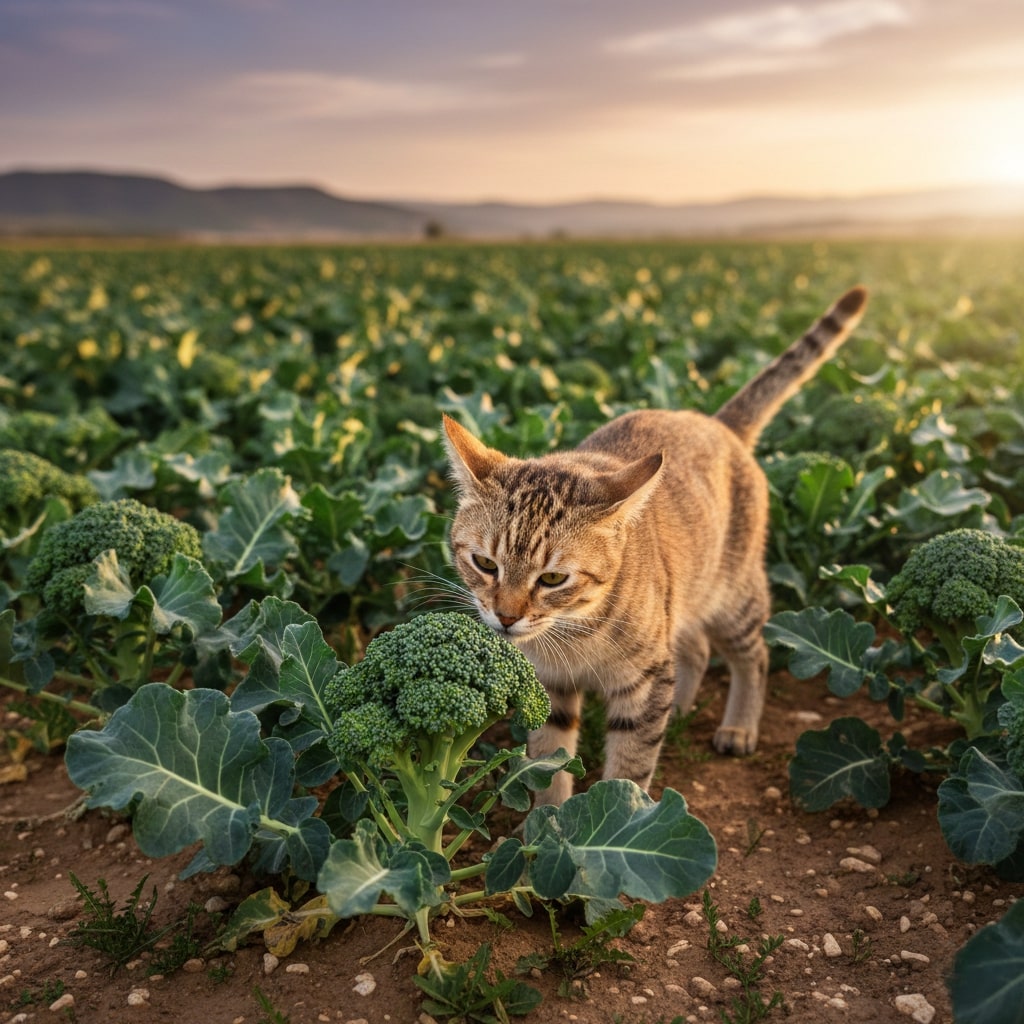
Yes, cats can eat broccoli. It is safe, non-toxic, and can be a healthy treat in moderation. Broccoli is best served steamed or boiled and cut into small pieces to prevent choking. Always serve it plain, without salt, oil, garlic, or onions, as these additives can be harmful to cats.
Summary Table
| Feature | Details |
| Is it Safe? | Yes, it is non-toxic. |
| Best Preparation | Steamed or boiled (softened). |
| Can they eat it Raw? | Not recommended (hard to digest). |
| Main Benefit | High in fiber (helps digestion). |
| Serving Size | One small floret occasionally. |
| Toxic Additives | Never add garlic, onion, or heavy salt. |
Is it Good for Cats to Eat Broccoli?
If you are cooking dinner and your cat seems interested in your greens, you might wonder if it is safe to share. The good news is that broccoli is one of the safest human vegetables you can give to your cat. While cats are “obligate carnivores” (meaning they need meat to survive), small amounts of veggies can offer health benefits.
Here is everything you need to know about feeding broccoli to your feline friend.
Read Also: Can Cats Eat Carrots?
Is Broccoli Safe for Cats?
Yes, broccoli is perfectly safe for cats. It does not contain any toxins that will hurt your pet. In fact, you will often see broccoli listed as an ingredient in commercial cat foods because it provides a natural source of fiber.
However, just because it is safe does not mean your cat should eat a whole bowl of it. It should be treated as a snack, not a meal replacement.
Health Benefits of Broccoli for Cats
While meat should make up the majority of your cat’s diet, broccoli offers a few specific nutritional bonuses:
- Fiber: This is the biggest benefit. Fiber helps with digestion and can help prevent constipation.
- Antioxidants: Broccoli is packed with antioxidants that support the immune system.
- Vitamins: It contains Vitamin K (good for blood health) and Vitamin C.
- Low Calorie: If your cat is overweight, a small piece of broccoli is a much better treat than a high-calorie biscuit.
The Risks: Raw vs. Cooked
How you prepare the broccoli matters significantly.
1. Raw Broccoli
Avoid giving raw broccoli to cats.
- Digestion: Cats do not have the enzymes to break down tough raw plant cell walls efficiently. Raw broccoli can cause an upset stomach or gas.
- Choking Hazard: Hard, raw stalks can be difficult to chew and may get stuck in your cat’s throat.
2. Cooked Broccoli
This is the best method.
- Steaming: This preserves the nutrients while making the vegetable soft enough to chew and digest.
- Boiling: Also a safe method, though it may remove some nutrients.
- Microwaving: A quick way to soften the broccoli florets.
Read Also: Can Cats Eat Cheese?
How to Safely Serve Broccoli to Your Cat
If you want to introduce this green veggie to your cat’s diet, follow these simple rules:
- Wash it thoroughly: Remove any pesticides or dirt.
- Cook it plain: Do not sauté it in butter or oil.
- No Seasoning: This is critical. Never add garlic or onion powder. Garlic and onions are highly toxic to cats and can damage their red blood cells.
- Cut it small: Chop the broccoli into tiny, bite-sized pieces (about the size of a kibble) to prevent choking.
- Cool it down: Make sure it is room temperature before serving so you don’t burn their mouth.
How Much Broccoli Can a Cat Eat?
Moderation is key.
- The Rule: Vegetables should not make up more than 10% of your cat’s daily diet.
- The Portion: One small floret (the flowering part of the vegetable) is enough.
If your cat eats too much broccoli, they may experience gastrointestinal upset, including gas, vomiting, or diarrhea.
Can Kittens Eat Broccoli?
While broccoli is non-toxic, it is better to avoid giving it to kittens. Kittens have very sensitive digestive systems that are still developing. They need a diet strictly focused on high-protein kitten food to support their rapid growth. Introducing plant fiber too early can cause diarrhea and dehydration.
Read Also: Can cats eat sausage?
Summary Checklist
- Steam or boil the broccoli.
- Do cut it into tiny pieces.
- Do serve it plain.
- Don’t add salt, garlic, or onions.
- Don’t replace their main meat meals with veggies.