
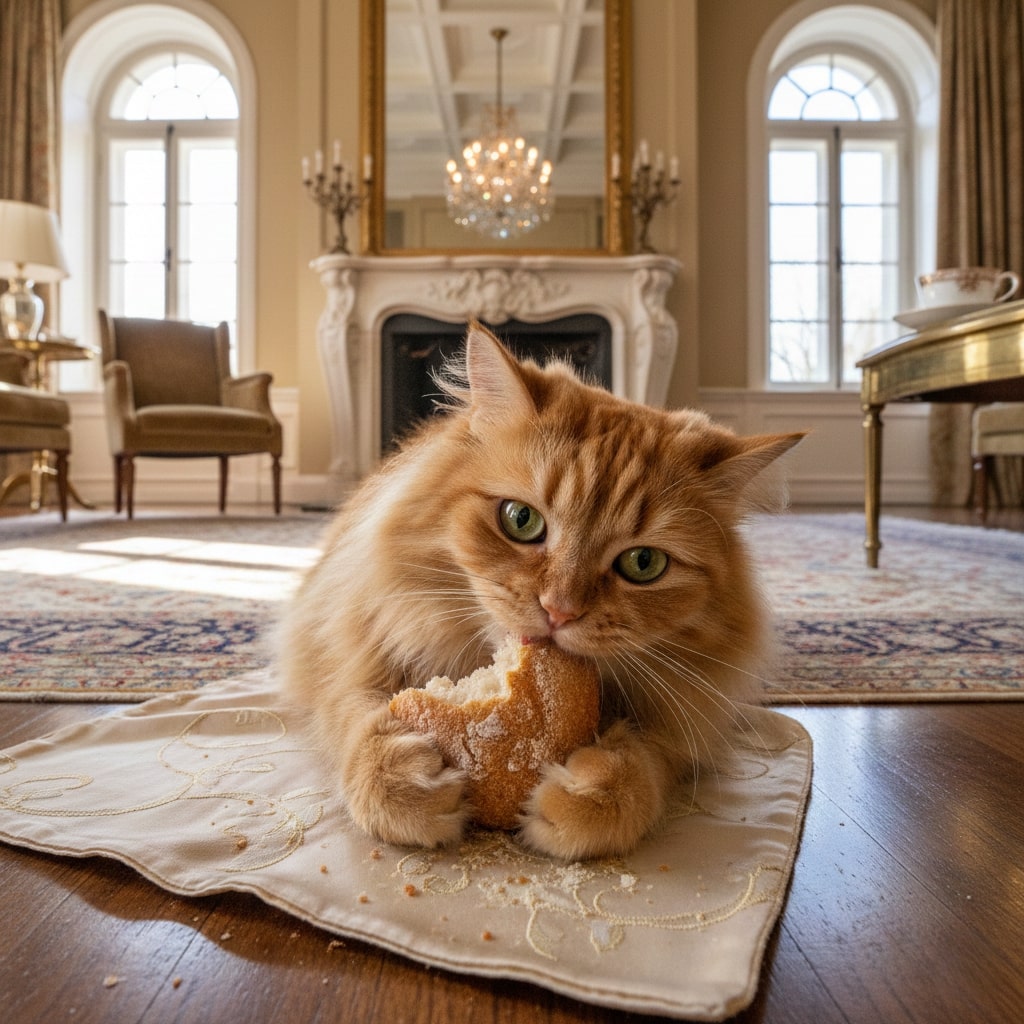
Yes, cats can eat small amounts of plain, baked bread. It is generally not toxic to them, but it offers no nutritional value and acts as “empty calories.” You must avoid feeding cats raw dough, bread containing toxic ingredients like garlic, onions, or raisins, or giving them large amounts that could lead to obesity.
Summary Table
| Feature | Details |
| Is it Toxic? | No (plain baked bread). |
| Is it Healthy? | No (empty calories/carbs). |
| Daily Limit | A bite-sized piece (size of a fingernail) rarely. |
| Major Risks | Obesity, diabetes, stomach upset. |
| Dangerous Types | Raw yeast dough, garlic bread, raisin bread, onion bread. |
| Best Use | Occasional treat or to hide medication. |
Can Cats Have Bread? A Detailed Guide
Many cat owners wonder if it is safe to share a piece of toast or a sandwich crust with their feline friend. While cats are known for being picky eaters, they sometimes crave carbohydrates.
The short answer is that plain white or wheat bread is safe for most cats in very small quantities. However, it should not become a regular part of their diet. As obligate carnivores, cats require meat for nutrition, and their digestive systems are not designed to process high amounts of carbohydrates.
Read Also: Can Cats Have Pistachio?
Is Bread Good for Cats?
No, bread provides no health benefits to a cat. It is considered a filler food.
- Nutritional Void: Bread is high in carbohydrates and low in the protein and fats that cats need to survive.
- Empty Calories: Feeding your cat bread fills them up without providing vitamins or minerals, which can lead to malnutrition if they eat it instead of their cat food.
- Weight Gain: Regular consumption of carbs can lead to feline obesity and related health issues like arthritis and diabetes.
The Dangers of Raw Dough
While baked bread is generally safe, raw yeast dough is extremely dangerous for cats.
If a cat eats raw dough, two serious things happen:
- Expansion: The dough rises in the warm environment of the cat’s stomach. This can stretch the stomach, cause severe pain, and potentially rupture the intestines.
- Alcohol Poisoning: As yeast ferments to make the dough rise, it produces ethanol (alcohol). This enters the cat’s bloodstream quickly, leading to alcohol toxicosis. Symptoms include seizures, respiratory failure, and potentially death.
Immediate Action: If your cat eats raw dough, contact your veterinarian immediately.
Read Also: Can Cats Eat Pepperoni?
Types of Bread to Avoid Completely
Never feed your cat bread that contains additional flavorings or ingredients, as many human additives are toxic to felines.
- Garlic and Onion Bread: Garlic and onions destroy a cat’s red blood cells, leading to anemia. Even small amounts of garlic powder are dangerous.
- Raisin Bread: Grapes and raisins are highly toxic to cats and can cause sudden kidney failure.
- Bread with Xylitol: Some diet or sugar-free breads contain Xylitol, a sweetener that is lethal to pets even in tiny amounts.
- Seeded or Nut Breads: While not always toxic, seeds and nuts are high in fat (causing pancreatitis) and can be choking hazards.
When Is It Okay to Give Cats Bread?
There are very specific scenarios where a tiny piece of bread is acceptable:
- Administering Medication: If you are struggling to get your cat to take a pill, you can squish a small piece of soft bread around the tablet to mask the texture.
- Rare Treats: If your cat is obsessed with your toast, a piece the size of your fingernail once in a while will not hurt them.
What Happens If They Eat Too Much?
If your cat sneaks a whole slice of bread, they generally won’t need emergency care (unless it contained toxic ingredients). However, you should watch for signs of digestive upset, such as:
- Vomiting
- Diarrhea
- Lethargy
- Loss of appetite
If these symptoms persist for more than 24 hours, consult your vet.
Read Also: Can Cats Eat Tuna?
Final Verdict
Cats can eat bread, but they probably shouldn’t. It is a junk food treat that adds calories without nutrition. Stick to high-protein, meat-based treats specifically designed for cats to keep them healthy and lean.