Cats
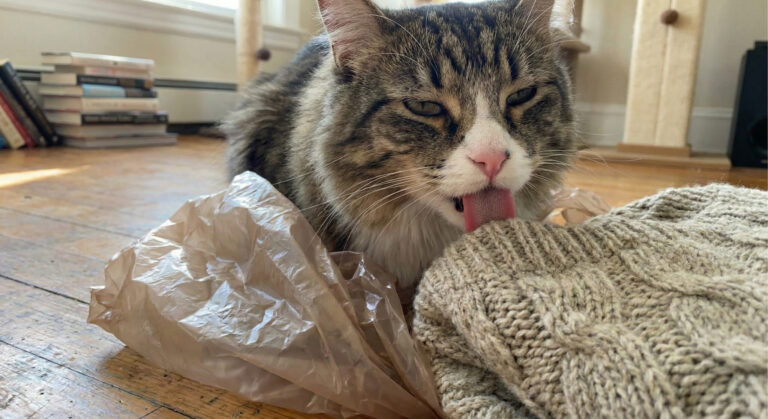
Why Do Cats Lick Plastic or Fabrics?
Cats lick plastic or fabrics primarily due to a condition called Pica (the urge to eat non-food items) or wool sucking. This behavior often stems from medical issues like dental

Cats lick plastic or fabrics primarily due to a condition called Pica (the urge to eat non-food items) or wool sucking. This behavior often stems from medical issues like dental

Cats prefer high places primarily due to their evolutionary instincts. Being high up gives them a strategic vantage point to spot prey and avoid larger predators. Additionally, vertical spaces offer

Cats vocalize before using the litter box primarily to communicate pain, stress, or dissatisfaction. The most common medical causes include urinary tract infections (UTIs), constipation, kidney stones, or arthritis, which
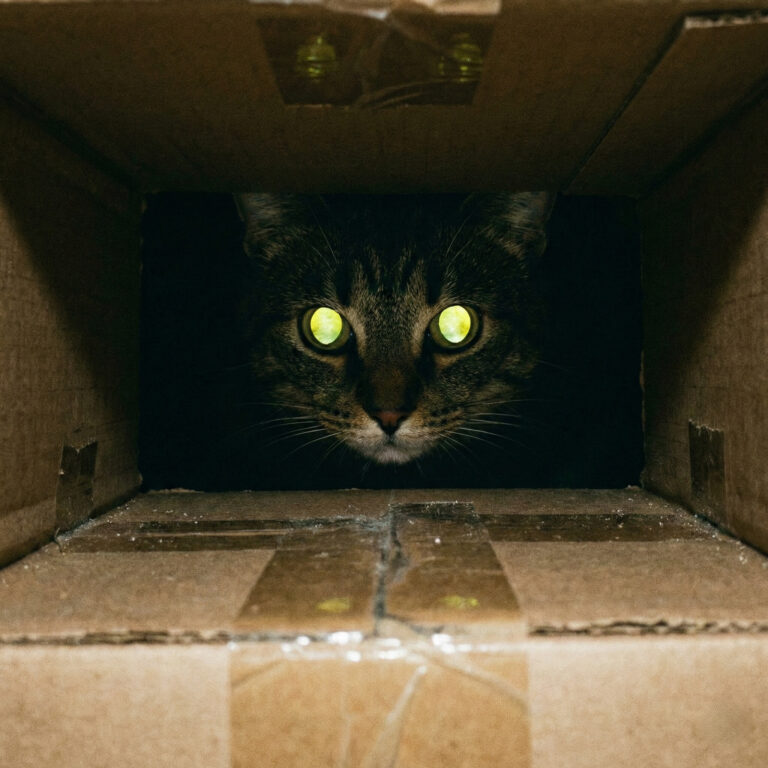
Cats hide in small, dark spaces primarily for safety, temperature regulation, and stress relief. In the wild, enclosed areas protect cats from larger predators and provide a secure vantage point

Cats bite during petting mainly due to overstimulation (petting aggression). This happens when repetitive stroking makes their skin sensitive or painful. Other causes include static electricity shocks, wanting to play,
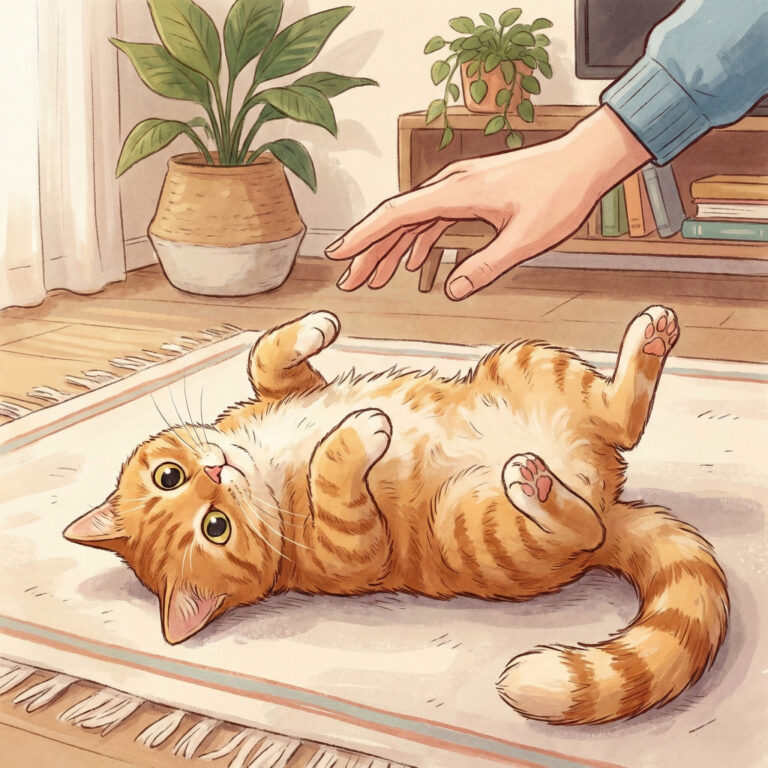
Cats roll on their backs primarily as a way to communicate safety and trust. By exposing their stomach, they are signaling that they feel completely relaxed in your presence. However,
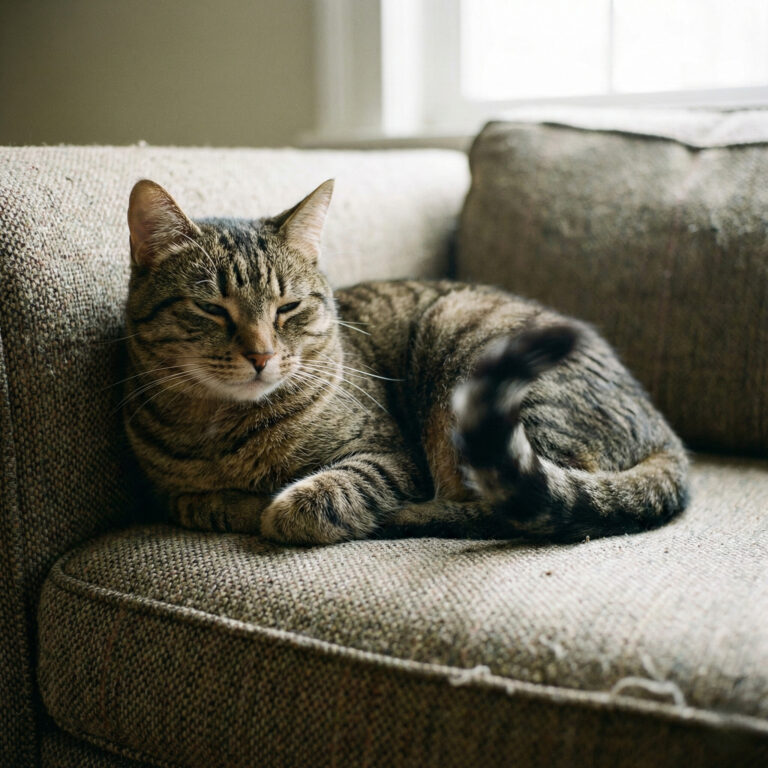
Cats flick their tails while lying down primarily to communicate their emotional state. A flicking or twitching tail often signals mild annoyance, overstimulation, or alertness, even if the cat appears

Consistency is the most critical factor in dog training because dogs learn through pattern recognition and association. When rules, commands, and consequences remain constant, a dog understands what is expected,

One of the most common dog training mistakes is inconsistency. When owners change rules, use different command words, or reward behaviors randomly, dogs become confused and anxious. Effective training requires

It typically takes 4 to 6 months to train a dog in basic obedience commands (sit, stay, come) and house manners. However, achieving full reliability and off-leash control usually requires
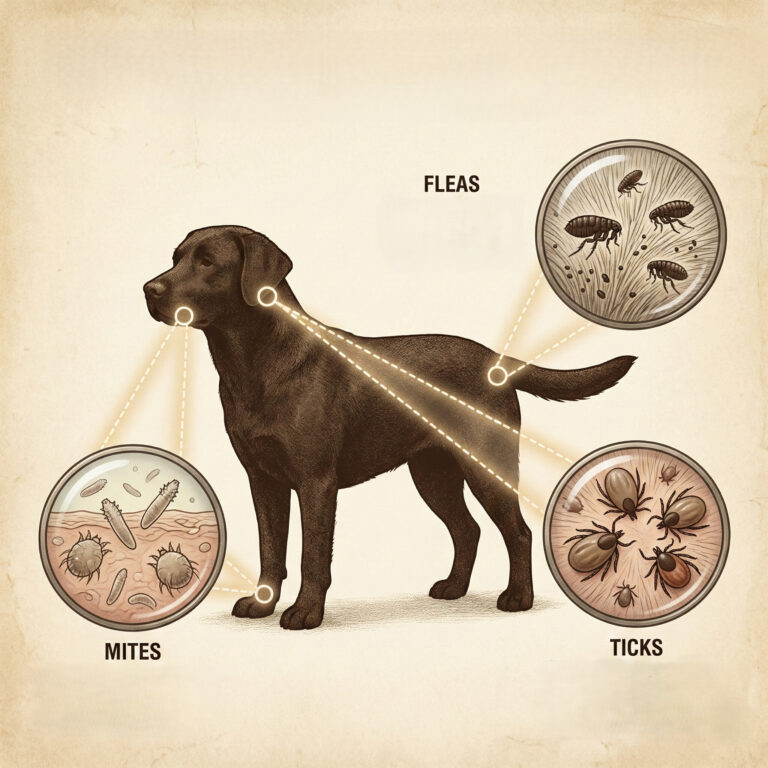
Fleas, ticks, and mites are the most common external parasites affecting dogs. Fleas are wingless insects that cause intense itching and can transmit tapeworms. Ticks are arachnids that latch onto

Signs of arthritis in dogs include stiffness (especially after resting), limping, reluctance to climb stairs or jump, and noticeable behavioral changes like irritability or withdrawal. You may notice your dog