Understanding Dog Vaccinations
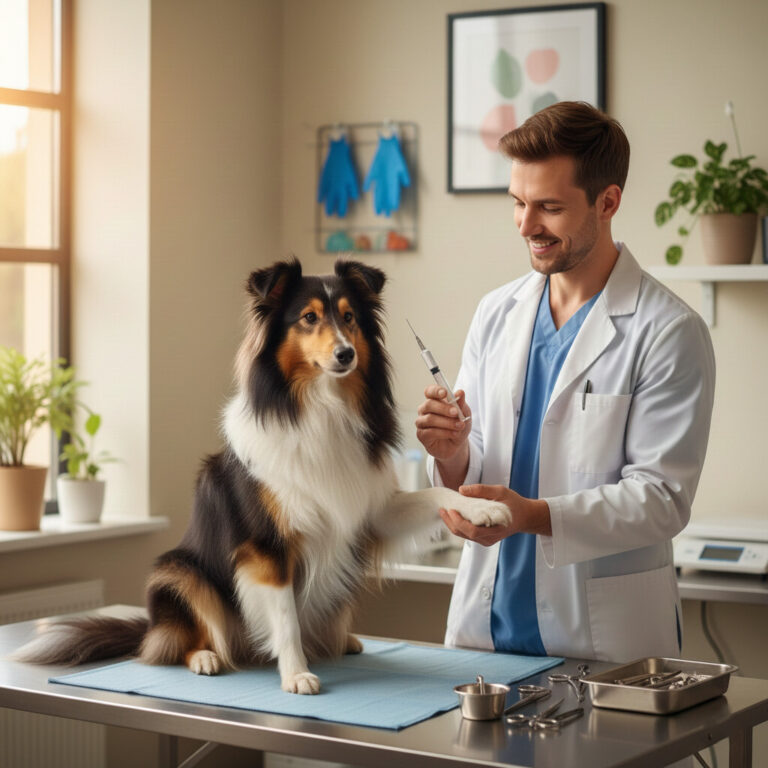
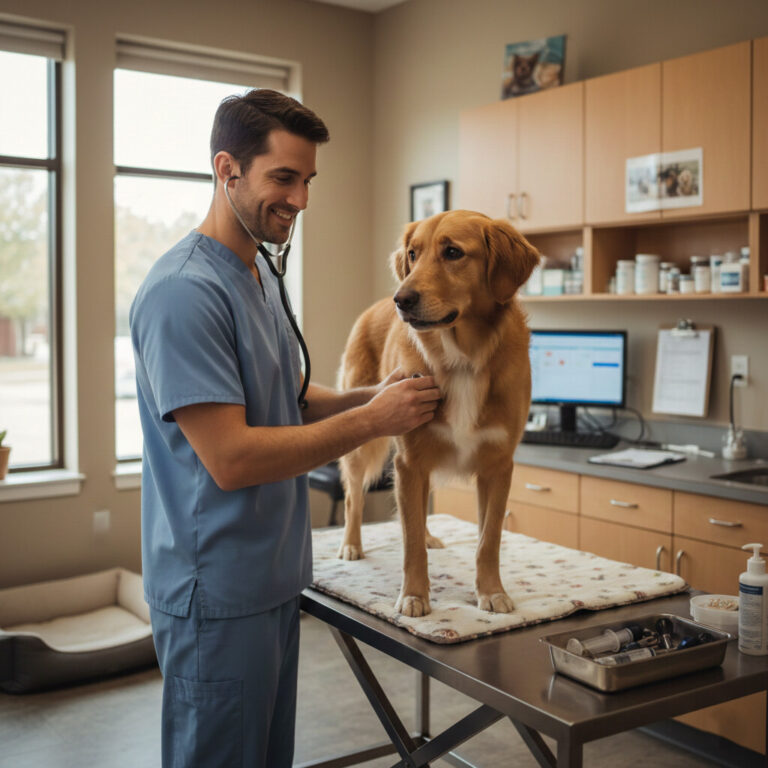
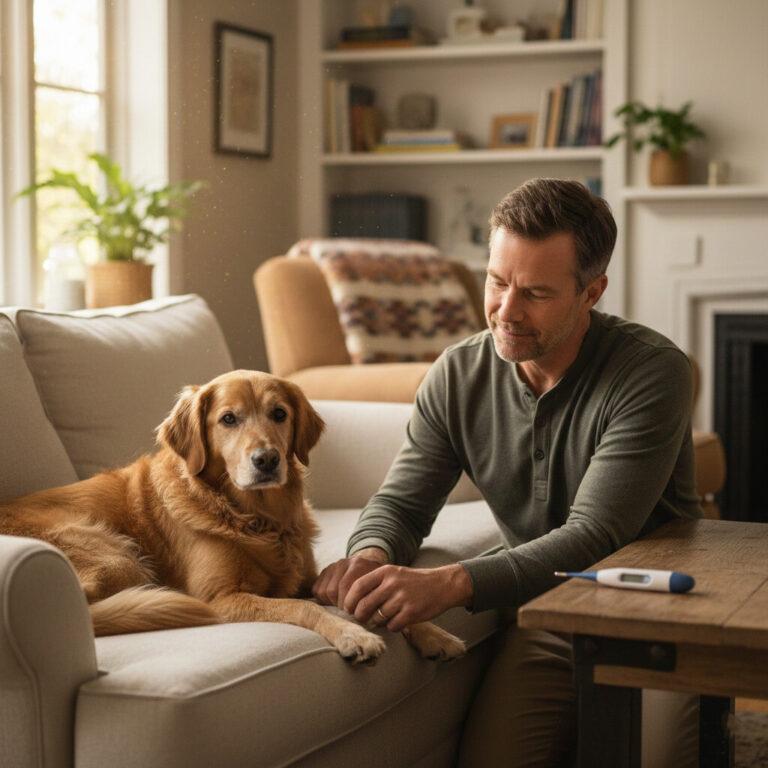
Dog vaccinations are medical injections that prime your pet’s immune system to fight off highly contagious and often deadly diseases. They are divided into two categories: Core vaccines (essential for

Dog vaccinations are medical injections that prime your pet’s immune system to fight off highly contagious and often deadly diseases. They are divided into two categories: Core vaccines (essential for

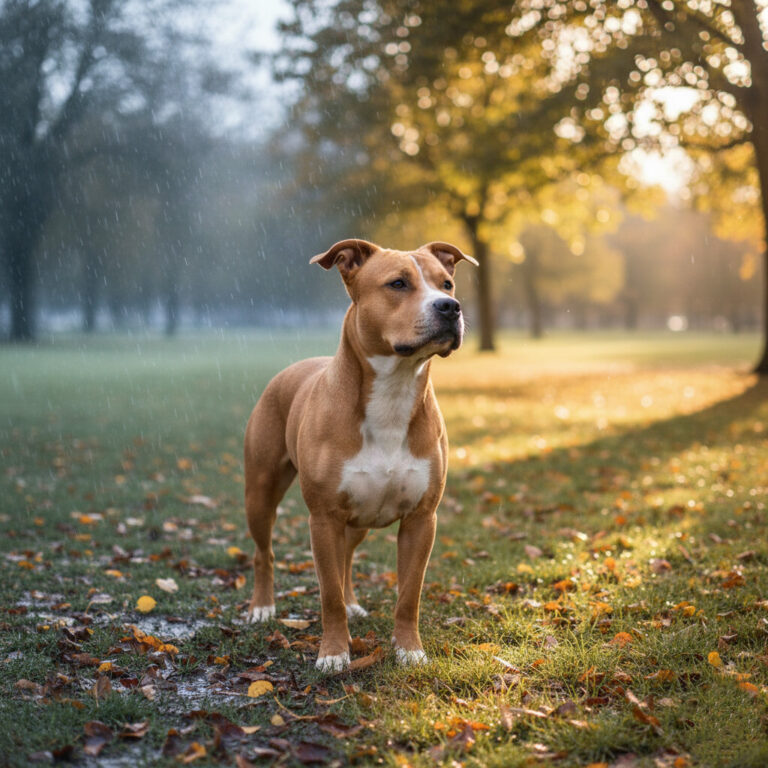
Weather changes directly impact dog health by straining their immune system, joints, and regulatory mechanisms. Barometric pressure drops can worsen arthritis pain and trigger storm anxiety, while temperature fluctuations increase

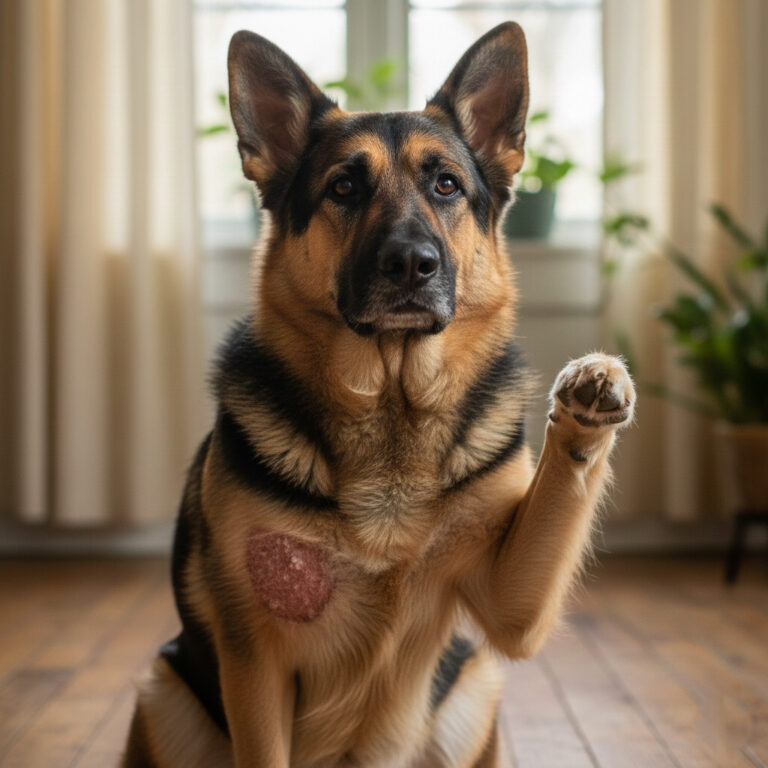
The most common skin problems in dogs include allergic dermatitis (caused by fleas, food, or environment), bacterial infections (pyoderma), fungal infections (yeast and ringworm), and parasitic infestations (mange, fleas, and

To quickly check if your dog is dehydrated, perform the “skin tent” test: gently lift the loose skin on the back of their neck. If it snaps back instantly, they

To safely socialize a shy kitten, start by confining them to a small, quiet sanctuary room with all essentials. Use food as a primary motivator by offering high-value treats only

Adult dogs (ages 1- 7) should visit the vet once a year for a comprehensive wellness exam and vaccine boosters. Puppies require monthly visits (every 3 – 4 weeks) until

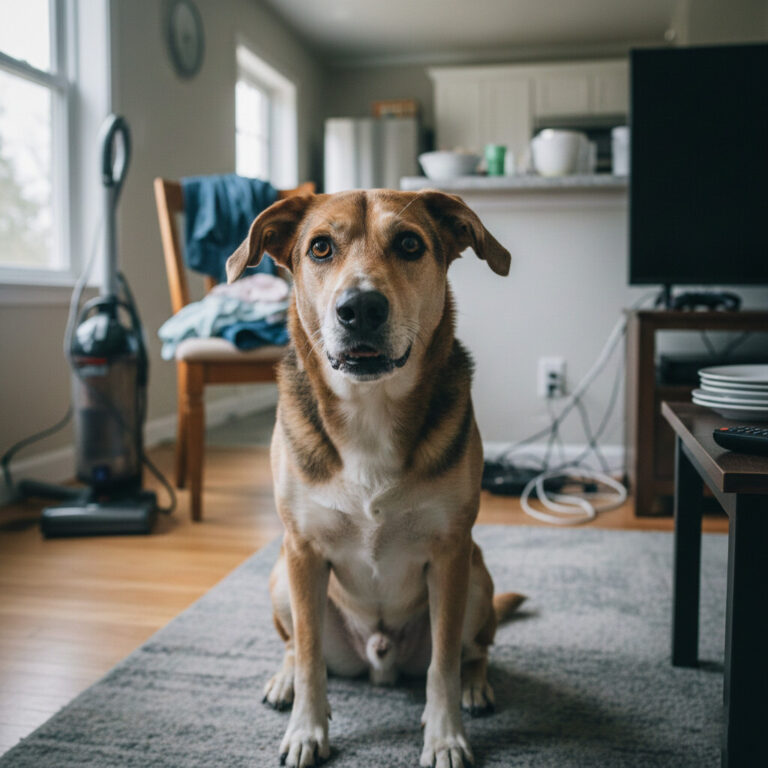
Stress affects a dog’s health by triggering the release of cortisol and adrenaline, which puts the body into a “fight or flight” mode. This chemical imbalance can weaken the immune

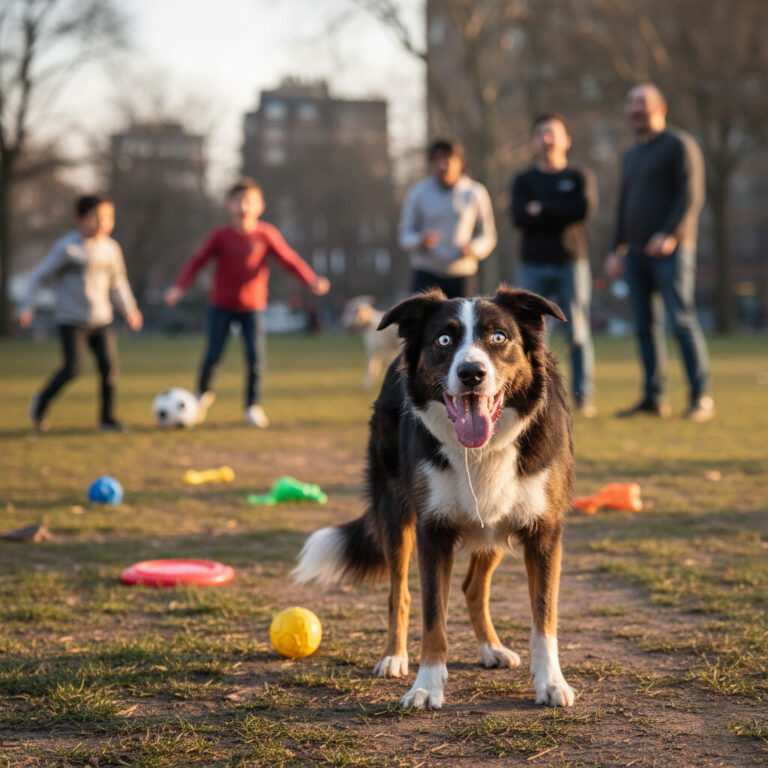
A dog is overstimulated when they are exposed to more sensory input (sights, sounds, smells, or activities) than they can process. Common signs include excessive panting, pacing, jumping/mouthing, “zoomies,” inability

Dogs whine primarily as a form of communication to express their state of mind or physical needs. The most common reasons include seeking attention, asking for resources (like food or

Dogs often yawn when they are not tired to communicate how they are feeling. This behavior is primarily a “calming signal” used to release stress, lower anxiety, or defuse a

Dogs hide their toys primarily due to instinctual behaviors inherited from their wild ancestors. In the wild, wolves and wild dogs bury excess food to protect it from scavengers and

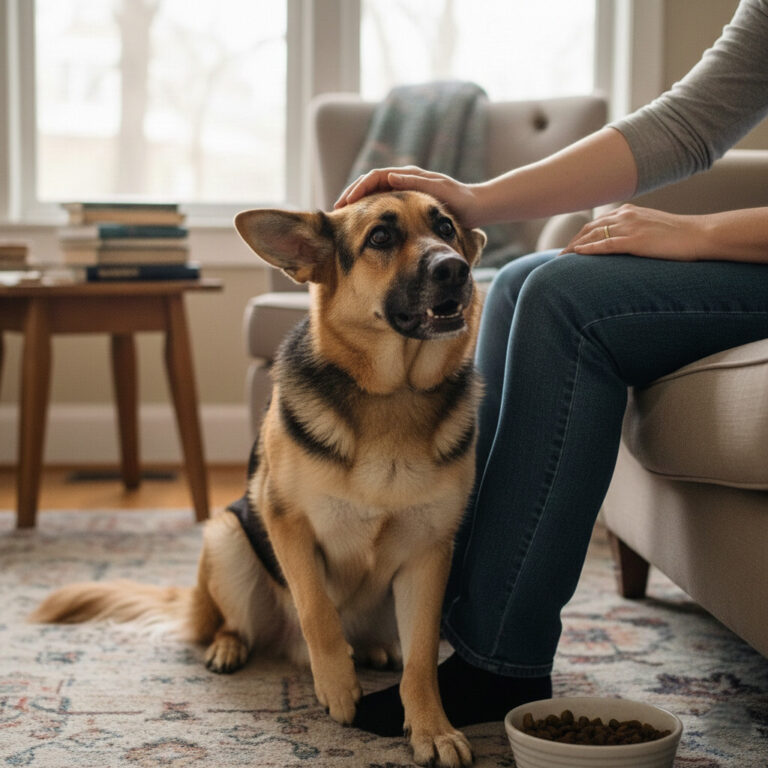
Dogs typically follow the person they associate with the most positive outcomes, such as food, safety, and affection. This behavior is driven by positive reinforcement, early socialization (imprinting), and the