Dogs
How to Choose the Right Dog for Your Lifestyle?
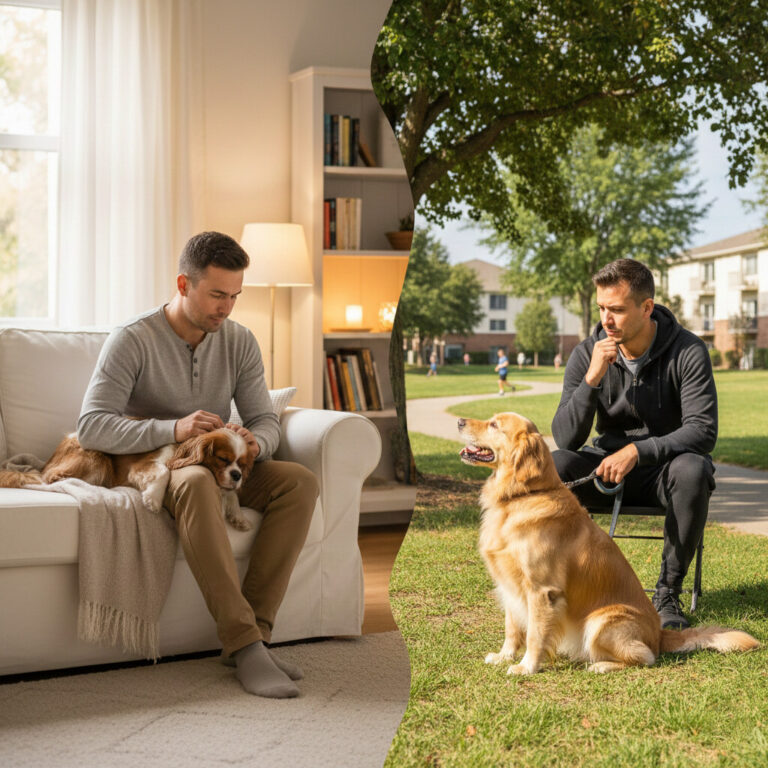
To choose the right dog for your lifestyle, you must evaluate four key areas: your activity level (active vs. sedentary), your living space (apartment vs.


To choose the right dog for your lifestyle, you must evaluate four key areas: your activity level (active vs. sedentary), your living space (apartment vs.
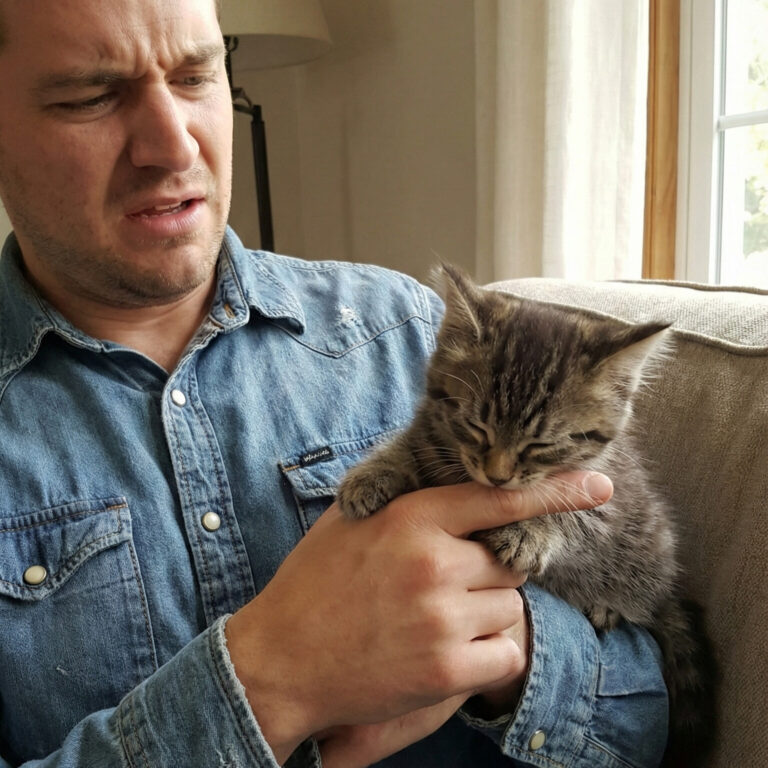
Kittens bite primarily due to teething discomfort, predatory play instincts, and a lack of bite inhibition. Between 2 weeks and 7 months, kittens explore the
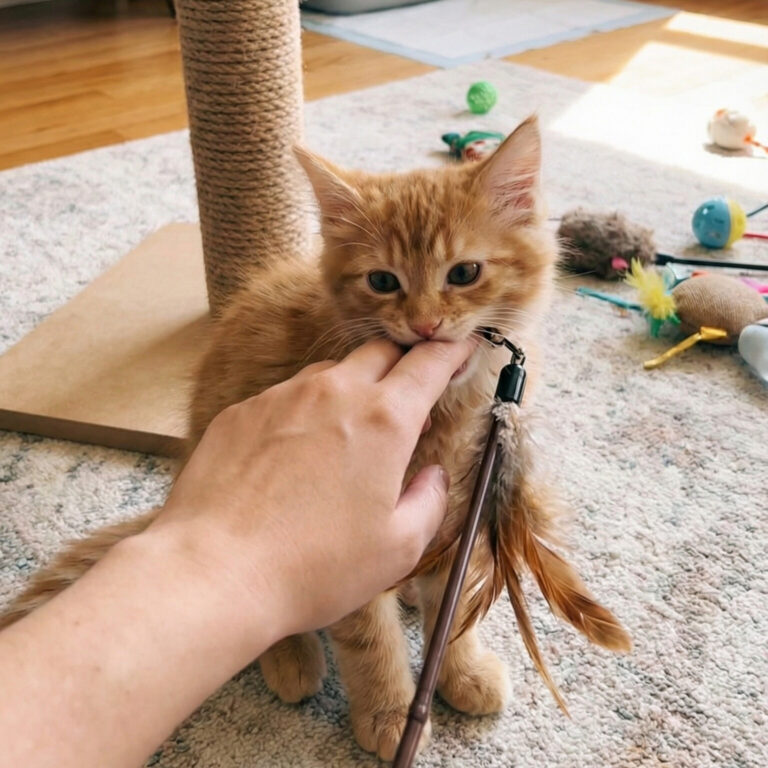
Common kitten behavior problems usually stem from natural instincts, high energy, or health issues. The most frequent challenges include avoiding the litter box, biting hands,
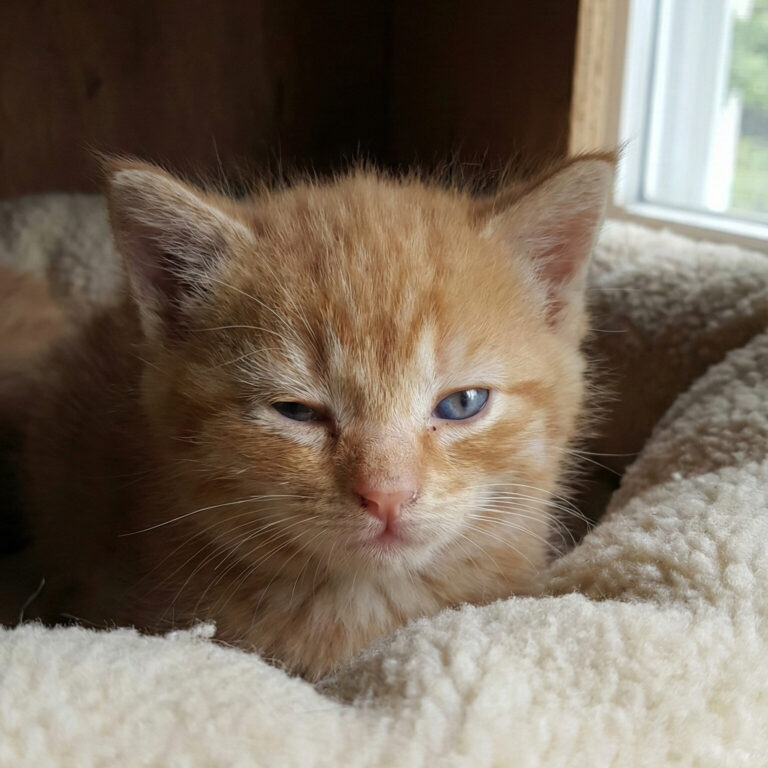
Most kittens begin to open their eyes between 7 and 10 days after birth. The process is gradual and usually takes about two to three
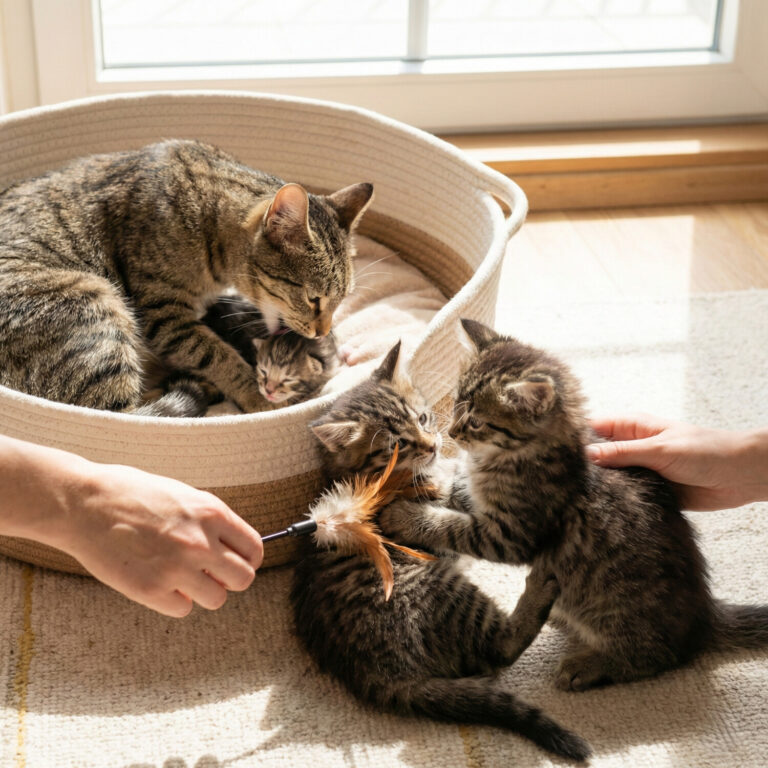
Kittens learn social skills primarily during a critical socialization window between 2 and 7 weeks of age. They acquire these skills through three main channels:
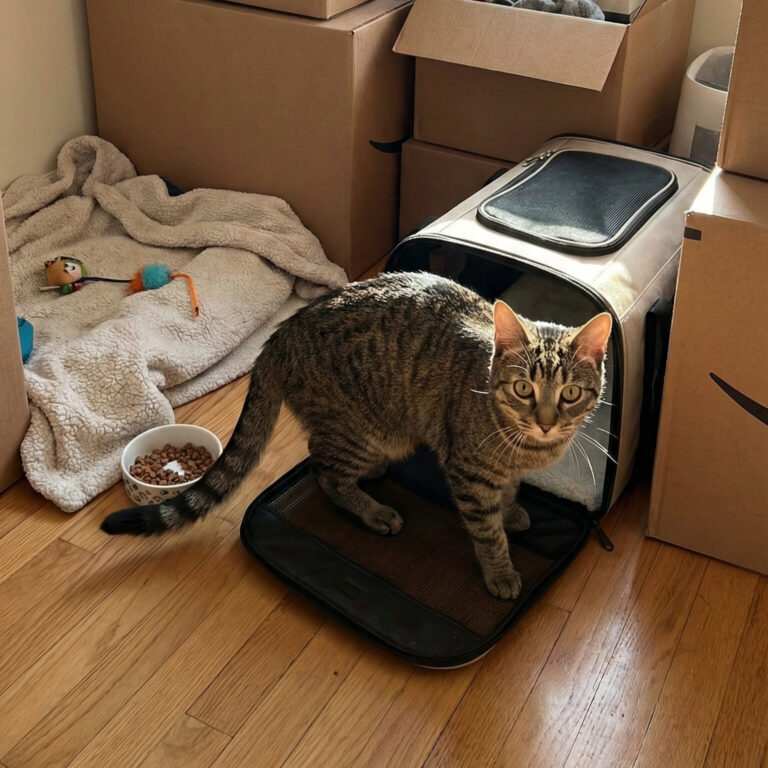
To help a cat adjust after moving homes, start by setting up a dedicated “safe room” in the new house with their litter box, food,
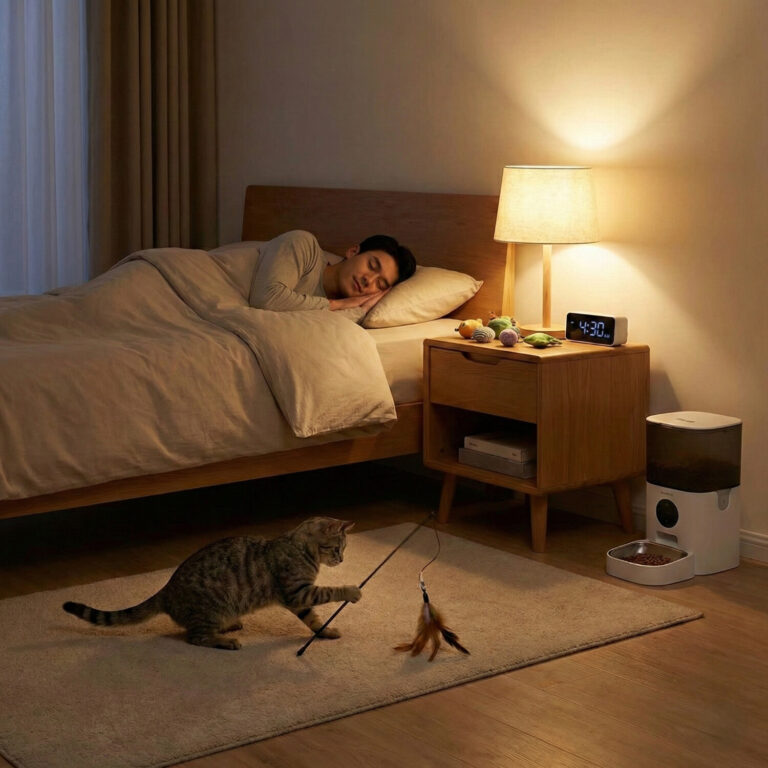
To stop a cat from waking you at night you must reset their internal body clock by simulating a hunt before bed. Engage them with
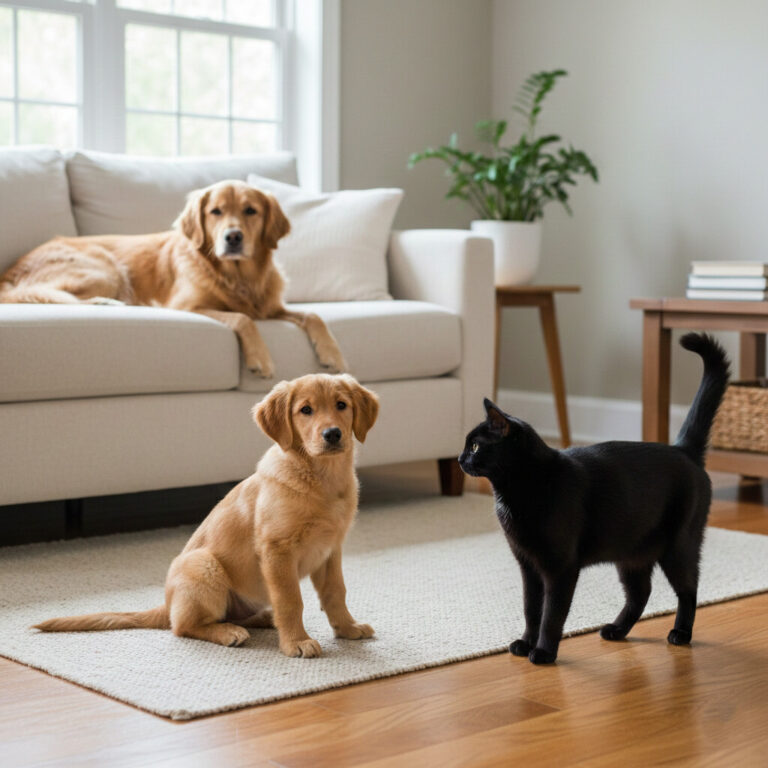
To introduce a puppy to other pets successfully, take it slow and prioritize safety. Start with scent swapping by exchanging blankets or toys before they
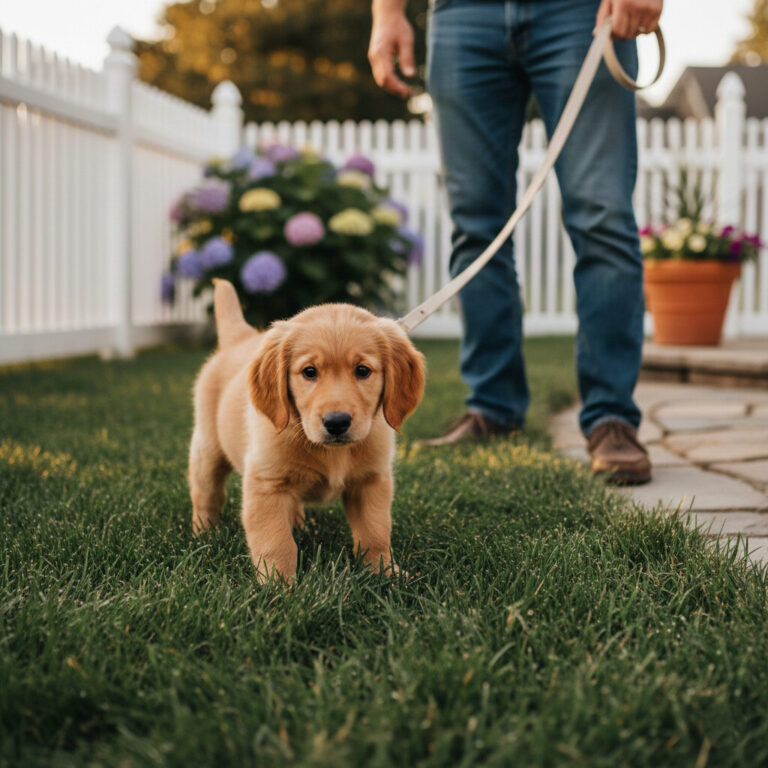
Puppies can safely explore private, enclosed backyards as early as 8 weeks old, provided no unvaccinated dogs have visited recently. However, for public areas like
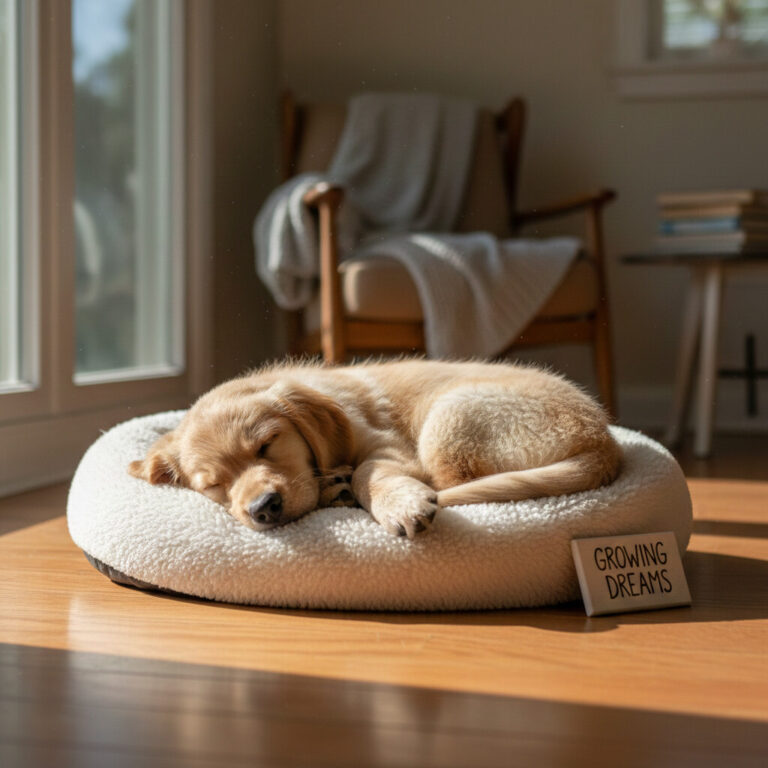
Puppies generally need 18 to 20 hours of sleep per day. This high amount of sleep is essential for their rapid growth, brain development, and
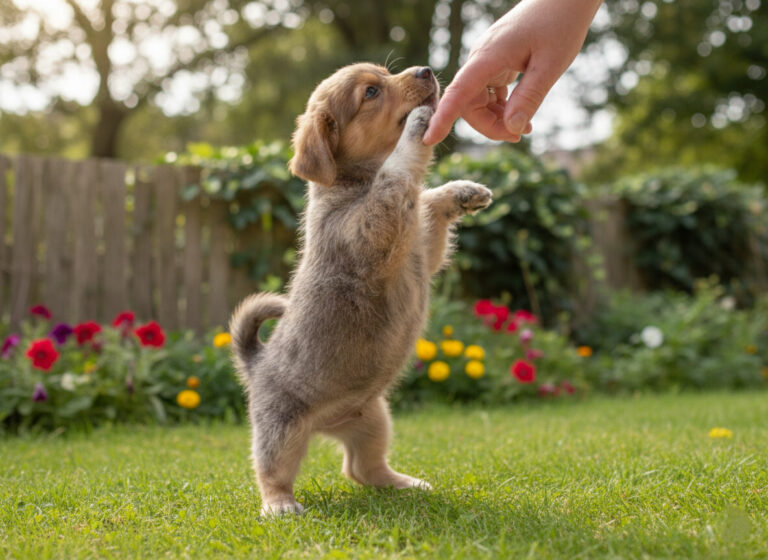
Puppies learn bite inhibition through feedback loops, primarily with their littermates and mother. When a puppy bites too hard during play, the other dog will
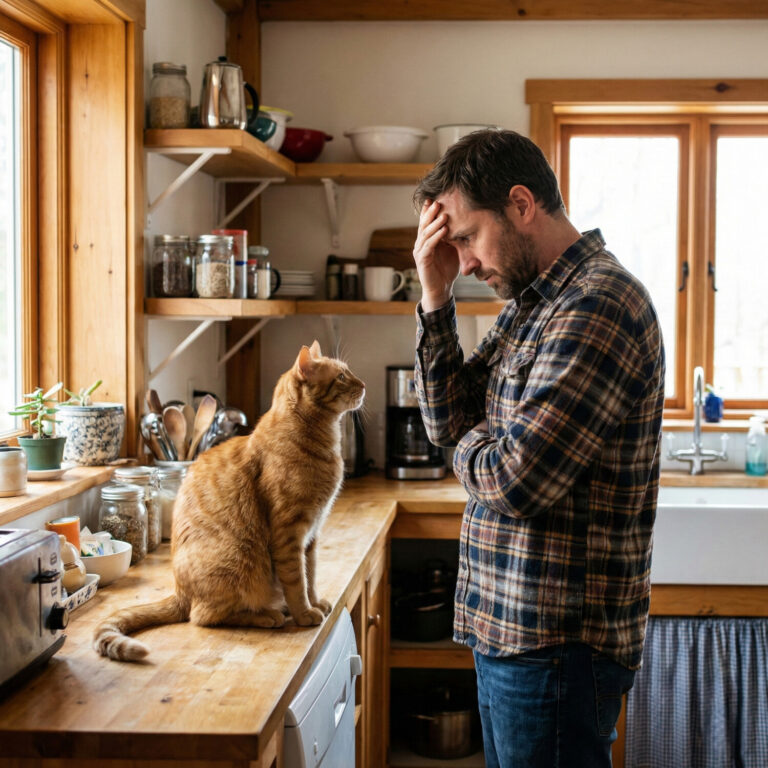
To stop a cat from jumping on counters, you must combine management techniques with environmental enrichment. First, remove all food rewards by keeping counters clean