Cats
What are the Signs of Resource Guarding Between Cats?
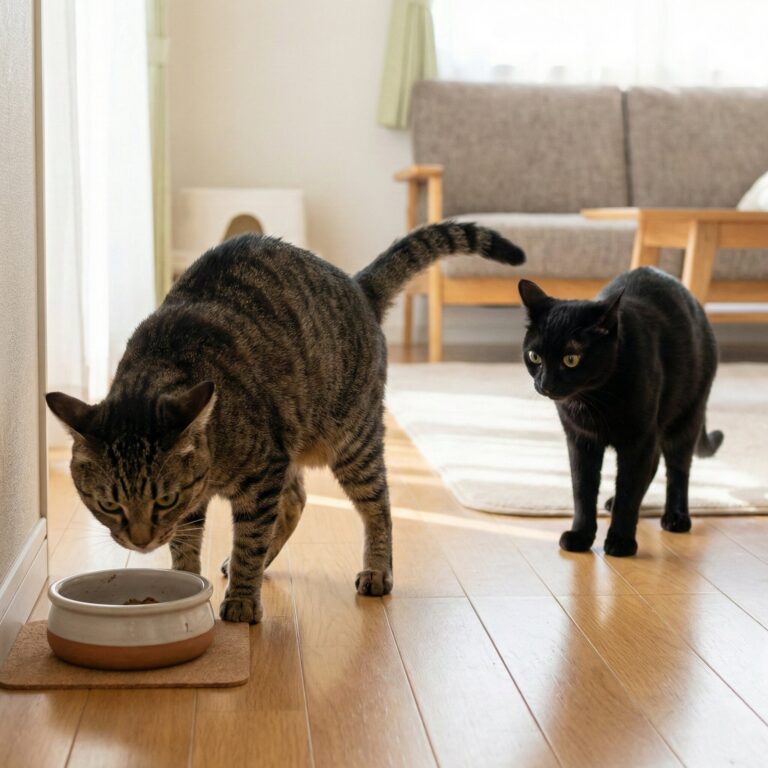
Resource guarding between cats occurs when one cat controls access to a valued item or space, preventing other cats from using it. The most common


Resource guarding between cats occurs when one cat controls access to a valued item or space, preventing other cats from using it. The most common
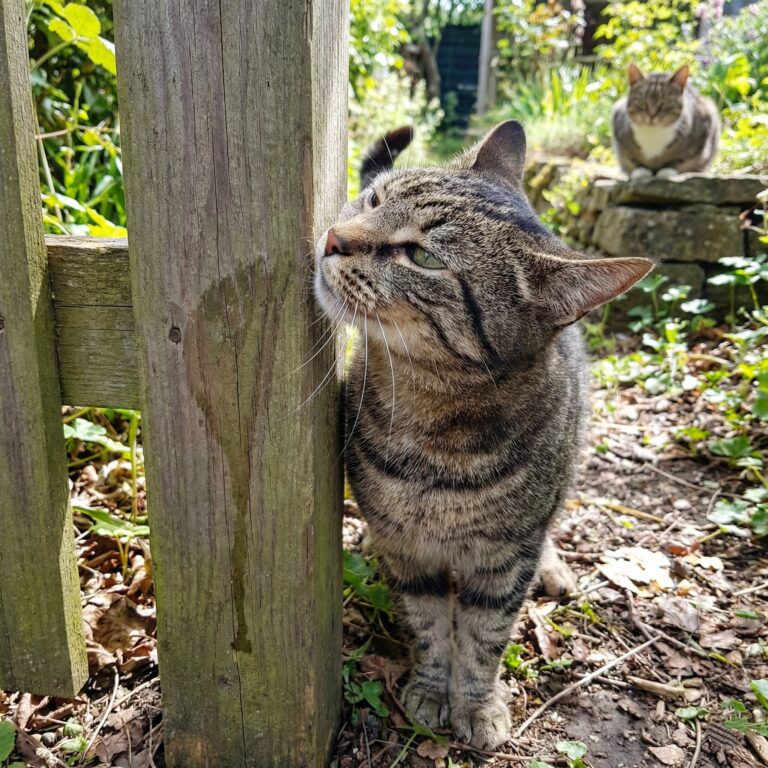
Cats establish indoor territory primarily through scent marking, visual signals, and routine. They release pheromones by rubbing their cheeks on objects (bunting) and scratching surfaces
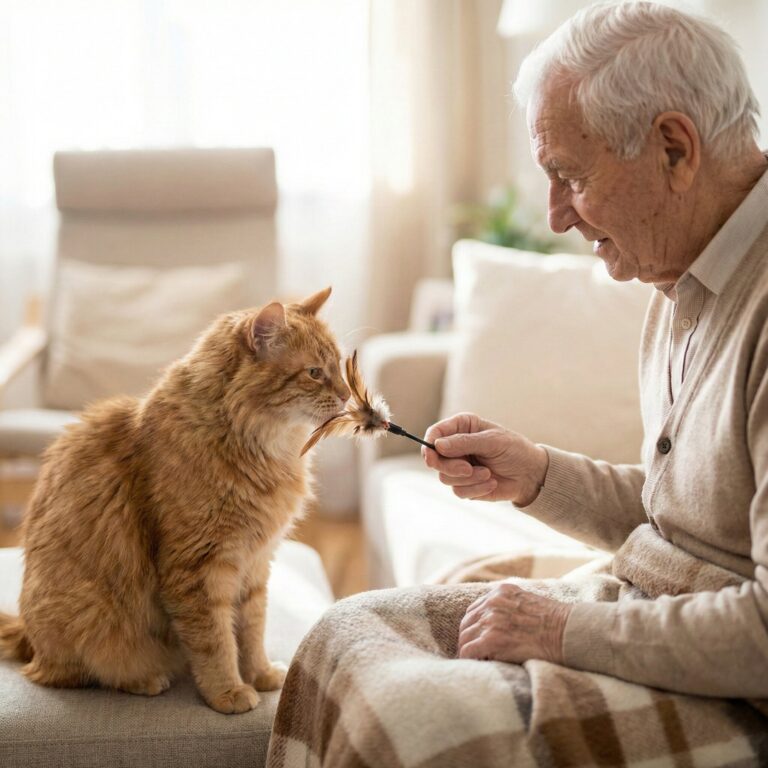
To help a senior cat stay active, focus on low-impact, frequent play sessions using wand toys or slow-moving laser pointers to accommodate stiffer joints. Modify
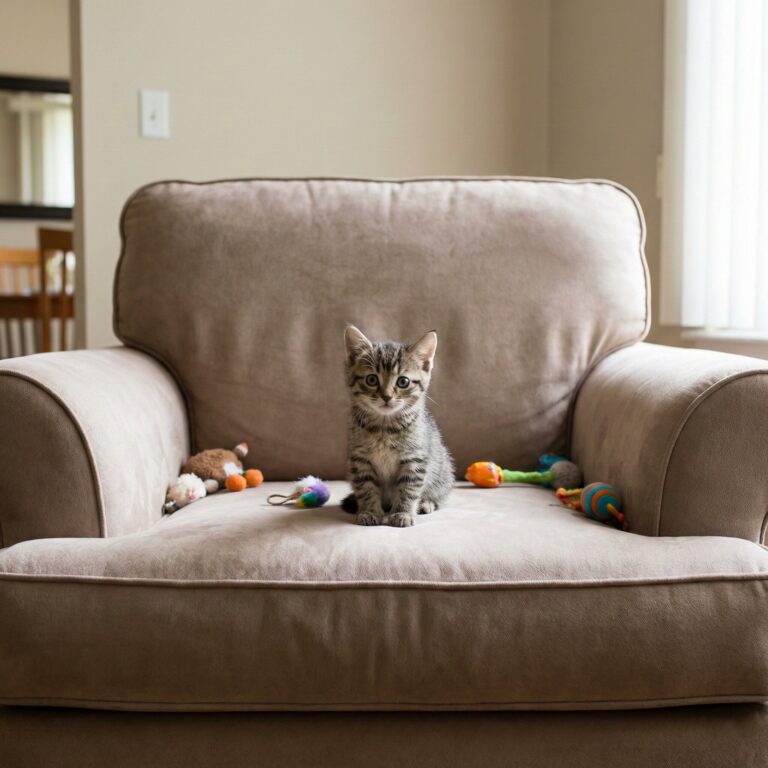
Single Kitten Syndrome (also informally known as “Tarzan Syndrome”) occurs when a kitten is raised alone without the company of other kittens or cats. Because

When it comes to short-term memory, cats are the clear winners. Studies suggest cats can retain information for up to 16 hours, whereas dogs typically
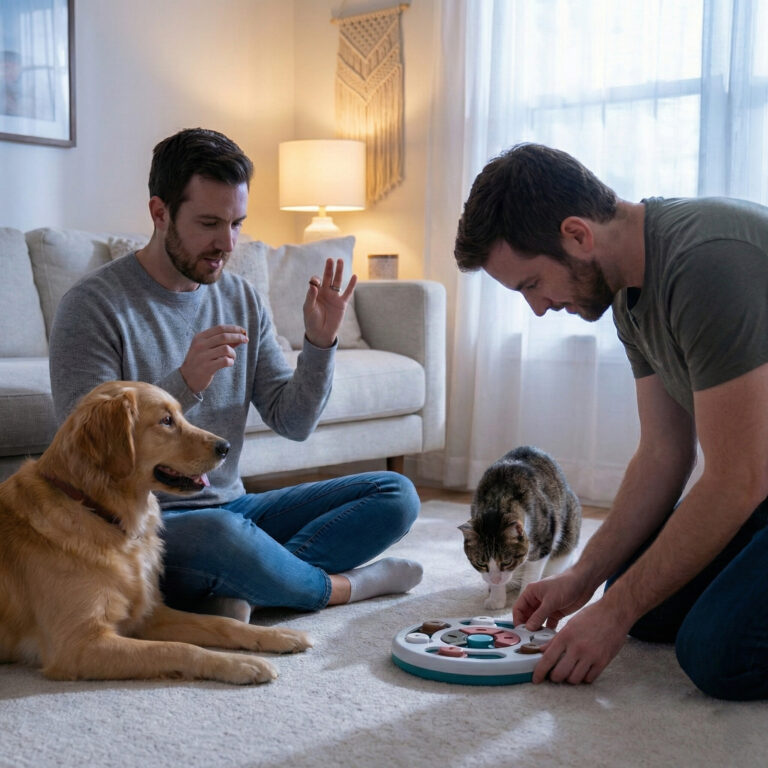
Cats and dogs learn from humans primarily through observational learning, social referencing, and associative conditioning. While dogs (pack animals) often look to humans for guidance

Dogs and cats have distinct sleeping habits driven by their evolutionary history. Dogs are social sleepers that have adapted to a diurnal (daytime) schedule to
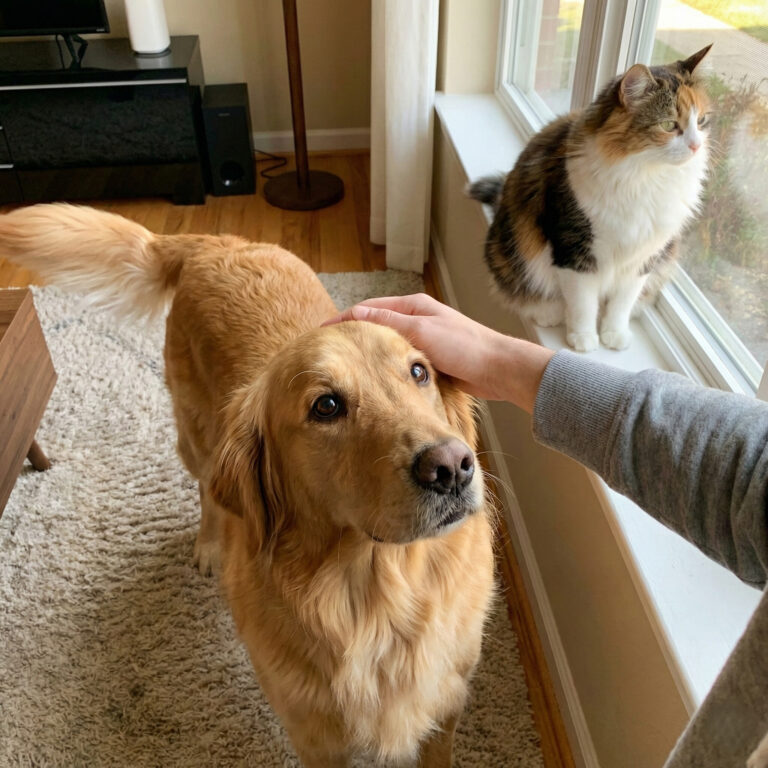
Dogs seek approval because they evolved from wolves, which are pack animals that rely on social hierarchy and cooperation to survive. They view humans as
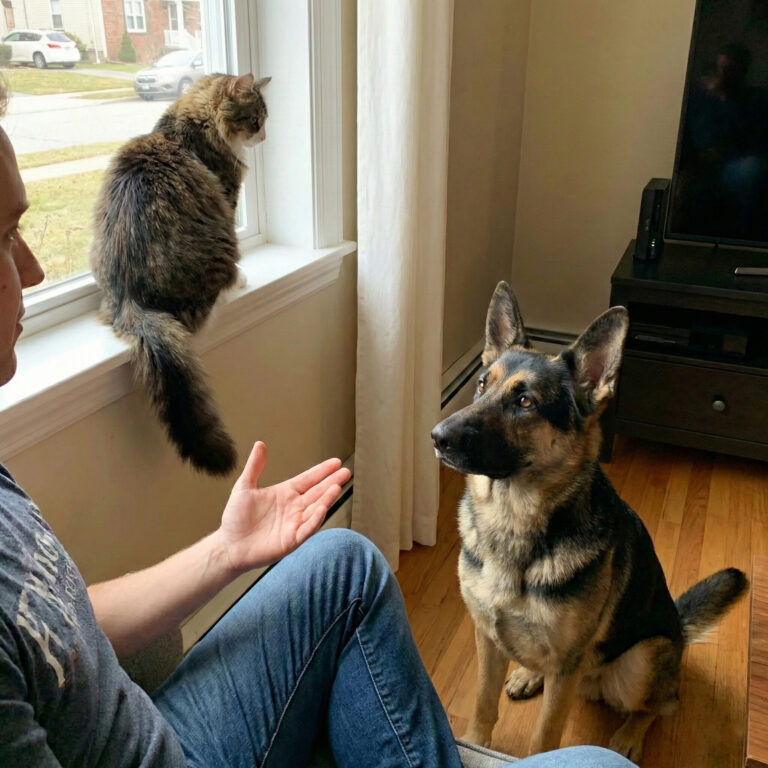
Cats ignore commands because they were not bred to work alongside humans like dogs were. Dogs have a “pack mentality” and a long history of

Dogs sense danger using a combination of their highly evolved biological senses, which are significantly more acute than humans’. Their primary tool is their sense
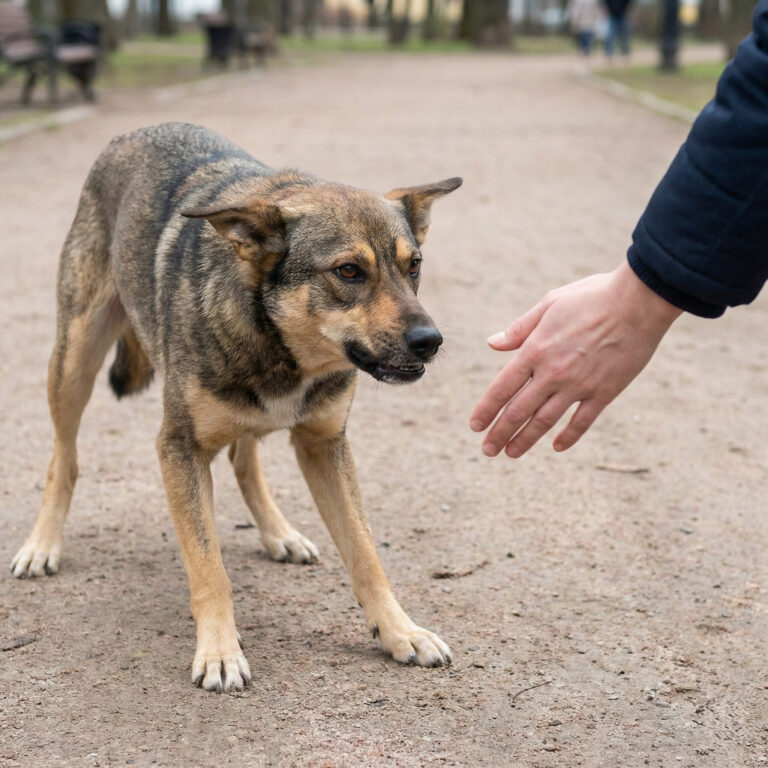
A dog rarely bites “out of the blue.” They almost always provide a series of warning signs before escalating to aggression. To read these signs,

Feeding schedules significantly influence a dog’s behavior by establishing a predictable routine, which reduces anxiety and builds trust. Scheduled feeding (providing food at set times)