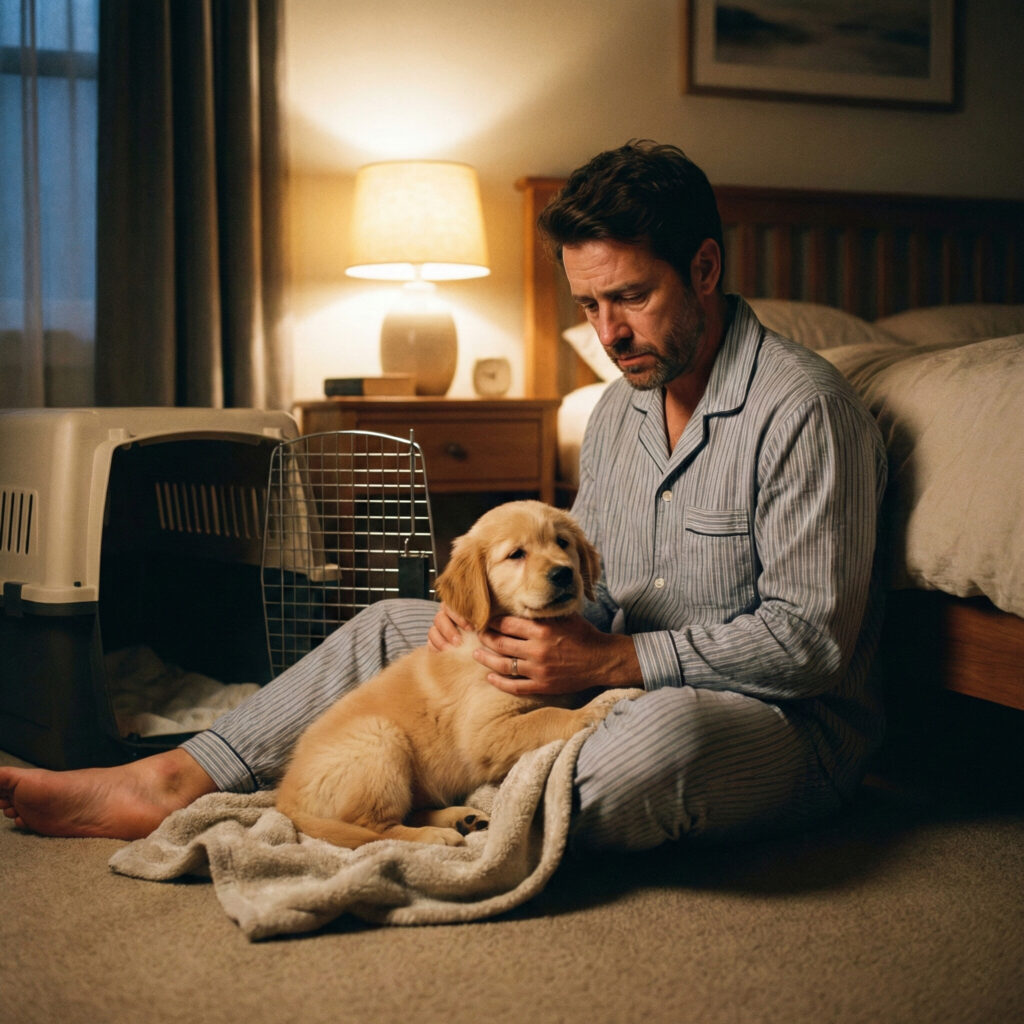
Puppies cry at night primarily due to separation anxiety, loneliness, and the stress of leaving their mother and littermates. Other common causes include physical needs like hunger, thirst, or a full bladder, as well as discomfort from being in a new, unfamiliar environment. It is a normal biological response to isolation, but with a consistent routine, crate training, and comfort items, most puppies adjust within a few days to a few weeks.
Summary Table
| Reason for Crying | Underlying Cause | Quick Solution |
| Loneliness | Misses mom and littermates; feels unsafe alone. | A tiny bladder cannot hold urine all night. |
| Potty Needs | Schedule a midnight potty break (boring, no play). | High metabolism or an empty stomach. |
| Hunger | High metabolism or empty stomach. | Feed dinner slightly later; offer a small treat at bedtime. |
| New Environment | Unfamiliar smells and sounds cause stress. | Use a blanket with the scent of their litter/mother. |
| Boredom/Energy | Too much pent-up energy before bed. | Increase mental stimulation and play in the evening. |
| Discomfort | Too hot, too cold, or uncomfortable bedding. | Adjust room temp; check crate bedding. |
Why Do Puppies Cry at Night
Bringing a new puppy home is one of the most exciting moments in a pet owner’s life. However, the first few nights can be a shock to the system. You expect cuddles and playtime, but you often get sleepless nights and a heartbroken, crying puppy.
If you are currently lying awake wondering why your puppy won’t settle, take a deep breath. You are not alone, and you haven’t done anything wrong. This behavior is completely normal. To stop the crying, you first need to understand the psychology behind it.
This guide will cover exactly why puppies cry at night and provide actionable steps to help your new best friend and you get a good night’s sleep.
Read Also: What to Expect During a Puppy’s First 90 Days
1. The Transition: Why They Feel Alone
The biggest reason your puppy is crying is instinct. Until the moment you picked them up, your puppy likely spent every minute of their life sleeping in a pile of warm, breathing, beating hearts—their littermates and mother.
The Pack Instinct
Dogs are pack animals. In the wild, a puppy left alone is a vulnerable puppy. Crying is a survival mechanism. It is a distress signal meant to call the mother back to them. When you put a puppy in a crate, turn off the lights, and walk away, their instincts tell them they have been abandoned. They are not trying to annoy you; they are genuinely afraid.
The “New Home” Shock
Everything in your house is alien to them. The smells are different, the sounds are different, and the temperature is different. This sensory overload can be exhausting and terrifying. When the distractions of the day fade away, and the house goes quiet, that fear sets in.
2. Biological Needs: The Physical Triggers
While emotion plays a huge role, biology is just as important. A puppy’s body is growing rapidly, and they have physical limitations that adult dogs do not have.
The Tiny Bladder
This is the most common physical reason for waking up.
- 8-week-old puppies can usually only hold their bladder for about 3 to 4 hours.
- 12-week-old puppies might stretch that to 4 to 6 hours.
- Small breeds have even smaller bladders and may need more frequent trips.
If your puppy wakes up whining at 3:00 AM, it is likely not a behavioral issue; it is a bathroom emergency. Ignoring this cry can lead to accidents in the crate, which sets back your potty training efforts.
Hunger and Thirst
Puppies have incredibly high metabolisms. If they ate dinner at 5:00 PM and bedtime is at 10:00 PM, their stomach might be empty. A rumbling tummy can prevent a puppy from settling down. Conversely, if they drank a large bowl of water right before bed, the urge to urinate will wake them up quickly.
Temperature Control
Puppies are not as good at regulating their body temperature as adult dogs.
- Too Cold: If the crate is in a drafty hallway, they may be shivering.
- Too Hot: If you have piled too many blankets in the crate, they might be overheating.
Read Also: Puppy Care & Development
3. Attention Seeking and Learned Behavior
Puppies are incredibly smart. They learn cause and effect very quickly. This is where many new owners accidentally make the problem worse.
If your puppy whines and you immediately run over to talk to them, pet them, or let them out to play, they learn a valuable lesson: “Crying equals attention.”
This is often called “demand barking” or “demand whining.” If you have ruled out potty needs, hunger, and fear, your puppy might just be bored and looking for a playmate. Distinguishing between a cry of distress and a cry for attention is one of the hardest parts of puppy raising.
4. Medical Issues
Though less common, it is important to consider health issues. If a puppy is crying incessantly and cannot be soothed, they might be in pain.
- Teething pain: Sore gums can make it hard to sleep.
- Digestive upset: Diarrhea or constipation.
- Ear infections: These can be very painful, especially when lying down.
If the crying is accompanied by other symptoms like vomiting, lethargy, or loss of appetite, consult your veterinarian immediately.
How to Stop the Crying: A Step-by-Step Guide
Now that we understand the why, let’s look at the how. You cannot force a puppy to sleep, but you can create an environment that makes sleep inevitable.
Step 1: Create a Safe Sleeping Zone
Crate Training is Essential.
The crate should be their den, not a cage. It mimics the safety of a cave.
- Size Matters: The crate should be big enough for them to stand up and turn around, but not so big that they can use one corner as a bathroom and the other as a bed.
- Cover It Up: Placing a light, breathable blanket over the crate can make it feel more enclosed and secure, blocking out visual distractions.
Location, Location, Location
For the first few weeks, place the crate in your bedroom.
Being able to hear you breathe and smell you provides immense comfort. It bridges the gap between sleeping in a litter and sleeping alone. You can also easily hear if they need a potty break. Once they are sleeping through the night, you can gradually move the crate out of the room, inch by inch,h over several days.
Step 2: The Bedtime Routine
Dogs thrive on routine. A predictable schedule tells your puppy’s brain that it is time to wind down.
- Tire Them Out: A tired puppy is a quiet puppy. Engage in gentle play or a short training session about an hour before bed. Mental stimulation is often more tiring than physical running.
- The Last Potty Break: Take them out immediately before they go into the crate. Make sure they actually go.
- Calm Energy: Lower the lights and keep your voice soft. Avoid roughhousing right before the crate door closes.
Step 3: Utilize Comfort Items
Since loneliness is a major trigger, use tools to simulate companionship.
- The Heartbeat Toy: These are plush toys with a battery-operated heart that beats. It mimics the feeling of sleeping next to a littermate. This is often a “magic bullet” for crying puppies.
- Scent Theory: Ask your breeder for a blanket that smells like the mother. If that isn’t possible, sleep with an old t-shirt for a few nights to get your scent on it, then place it in the puppy’s crate.
- White Noise: A fan or a white noise machine can drown out sudden house noises (like the refrigerator humming or a car passing by) that might startle a sleeping puppy.
Step 4: Handling the Middle-of-the-Night Cry
You wake up at 2:00 AM to whining. What do you do?
- Wait a moment: Give it a minute or two. They might just be settling.
- Take them out: If the crying continues, assume it is a potty need.
- Keep it boring: This is crucial. Do not turn on bright lights. Do not talk to them in a happy voice. Do not play. Clip the leash on, take them to their potty spot, say “go potty,” and immediately put them back in the crate.
- No rewards: If you play with them, you teach them that 2:00 AM is playtime.
Read Also: Why Dogs Listen Better to Calm Voices
Common Mistakes to Avoid
Even well-meaning owners can accidentally reinforce the crying behavior.
The “Cry It Out” Method (Use with Caution)
Old advice suggested letting a puppy cry until they stop, no matter how long it takes. Modern behavioral science suggests this can be damaging for very young puppies (under 12 weeks). If a puppy is in a state of panic, letting them “cry it out” only increases their cortisol (stress) levels and creates a negative association with the crate.
- The Better Approach: If they are panic-crying (scrabbling, high-pitched screaming), sit by the crate. Put your fingers through the wire. Speak softly. Soothe them until they settle, then leave. You are teaching them that they are safe, not abandoned.
Using the Crate for Punishment
Never use the crate as a “time-out” zone when you are angry. If the crate is a place of punishment, they will never want to sleep there at night.
Letting Them Sleep in Your Bed Too Soon
It is tempting to just pull the puppy into bed with you to stop the noise. While many people co-sleep with dogs successfully, doing this on night one can be risky.
- Safety: A small puppy can fall off the bed or be rolled over on.
- Potty Training: You likely won’t wake up when they squat on your duvet.
- Dependency: It creates a dependency that is very hard to break later if you decide you want them out of the bed.
Timeline: When Does It Stop?
Every dog is different, but here is a general timeline for what to expect.
- Nights 1-3: The hardest phase. Expect crying, whining, and little sleep. The puppy is disoriented.
- Week 1: The puppy begins to learn the routine. Crying decreases, but likely still wakes up for potty breaks.
- Weeks 2-4: The puppy should settle into the crate easily. Potty breaks may still be needed, but the “loneliness” crying should be gone.
- Month 4+: Most puppies can sleep through the night (6-8 hours) without needing a bathroom break, provided they are physically healthy.
Key Terms for Dog Owners
To ensure you have the full picture, here are related concepts often discussed by dog trainers and veterinarians regarding puppy sleep.
- Circadian Rhythms: Puppies are crepuscular, meaning they are naturally most active at dawn and dusk. This is why they often wake up early.
- Positive Reinforcement: The training method of rewarding good behavior (quietness) rather than punishing bad behavior (crying).
- Regression: It is normal for a puppy to sleep well for a week and then suddenly have a “bad night.” This is often due to growth spurts or developmental fear periods.
Conclusion
The sound of a crying puppy is biologically designed to be hard to ignore. It tugs at your heartstrings and grates on your nerves. But remember, this phase is temporary. Your puppy is not trying to manipulate you; they are a baby who has lost everything they have ever known.
By providing a secure crate, a consistent schedule, and comforting tools like heartbeat toys, you bridge the gap between their old life and their new one.
Be patient, be consistent, and keep the midnight potty breaks boring. Before you know it, you will both be sleeping soundly through the night.